
Walk into almost any nursery and you’ll spot at least one item that pediatricians wish wasn’t there. A plush teddy bear propped in the corner, a soft quilt folded at the foot of the mattress, maybe a cushioned bumper wrapped around the rails. These things look cozy in photos and often show up on baby registries, which is part of why they end up in cribs so often despite years of safety warnings.
The truth is that a crib is one of the few places where less really is more. Pediatric groups have spent decades studying what actually keeps sleeping infants safe, and the findings keep pointing the same direction: bare is best. Here’s a closer look at eight items that repeatedly show up in safety research and recall notices, and why they still find their way into cribs anyway.
1. Pillows
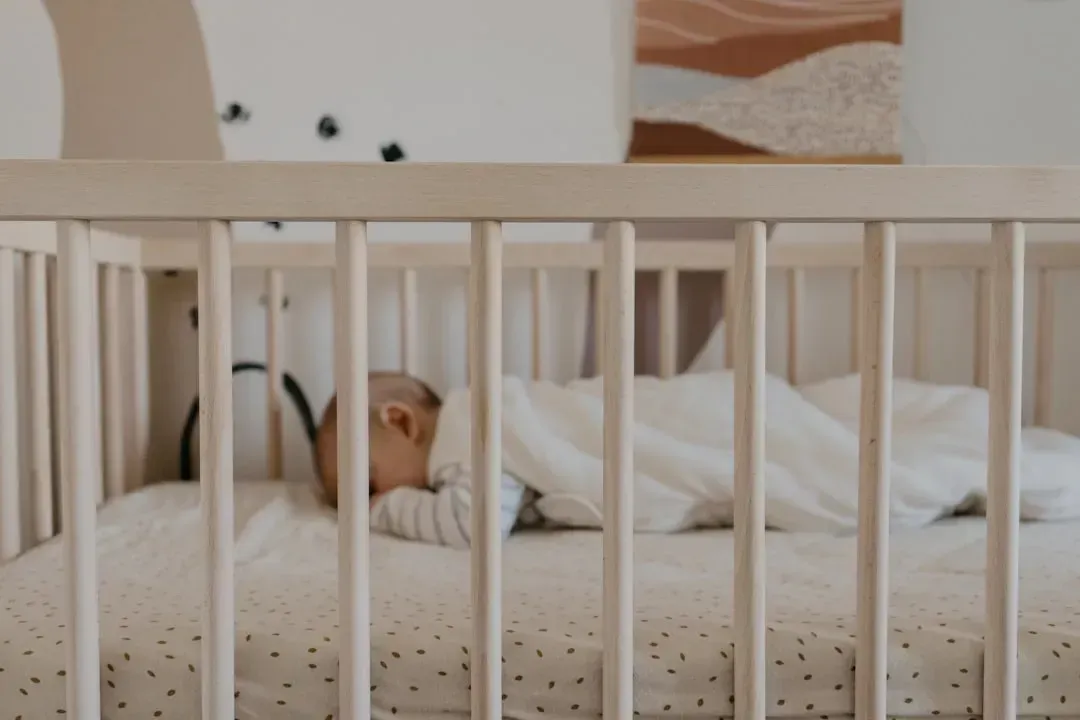
1. Pillows (Image Credits: Unsplash)
Pillows feel like a natural comfort item, but infants don’t have the neck strength or the reflexes to move their heads away if fabric blocks their airway. Safety guidance is explicit that there should be no blankets, pillows, stuffed toys or bumper pads in a baby’s bed, since a baby could roll into any of these items and block their airflow. Even a small, thin pillow marketed for infants doesn’t get a pass under current guidance.
Parents often add a pillow because it worked for older siblings or because grandma swears by it. The recommendation is that a crib should contain only a firm, flat mattress with a fitted sheet, with no pillows, blankets, bumpers, toys, or sleep positioners considered advisable. That guidance hasn’t softened in recent years, even as pillow products continue to be marketed for babies.
2. Loose blankets
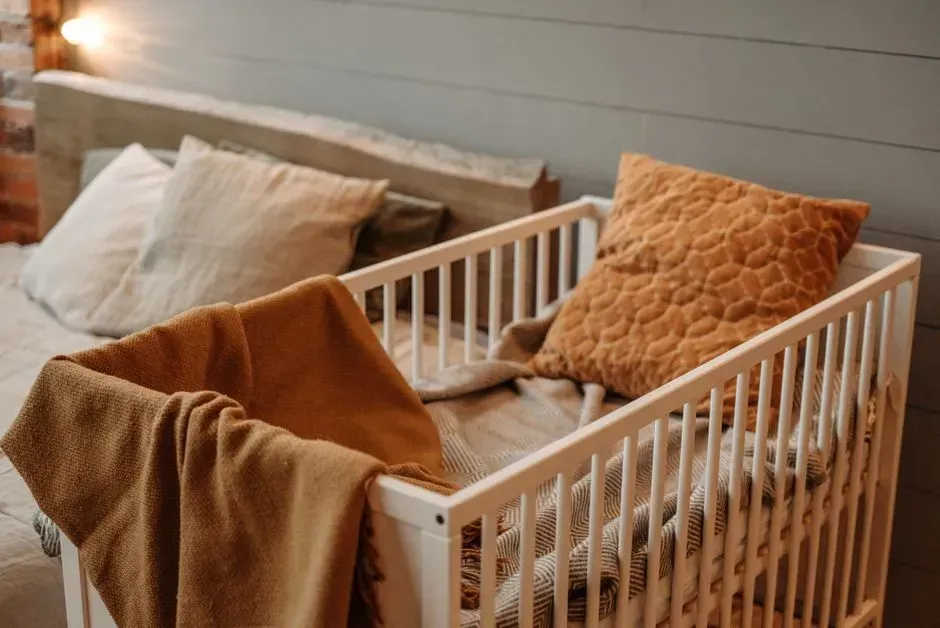
2. Loose blankets (Image Credits: Pexels)
A folded blanket at the crib’s edge seems harmless until a baby wiggles underneath it during the night. Safety officials instruct caregivers to cover the mattress with a fitted sheet only and not to place loose blankets, pillows, toys or bumper pads in the sleep area. The concern isn’t theoretical decoration advice, it’s about a fabric weight settling over a baby’s face while they’re unable to push it away.
Cold nights are usually the trigger for adding a blanket, which is understandable. The better alternative when a baby seems cold is a wearable blanket or sleep sack that zips up, rather than a loose blanket or weighted option. Sleep sacks have become widely available in the last few years precisely because they solve the warmth problem without the suffocation risk.
3. Padded crib bumpers
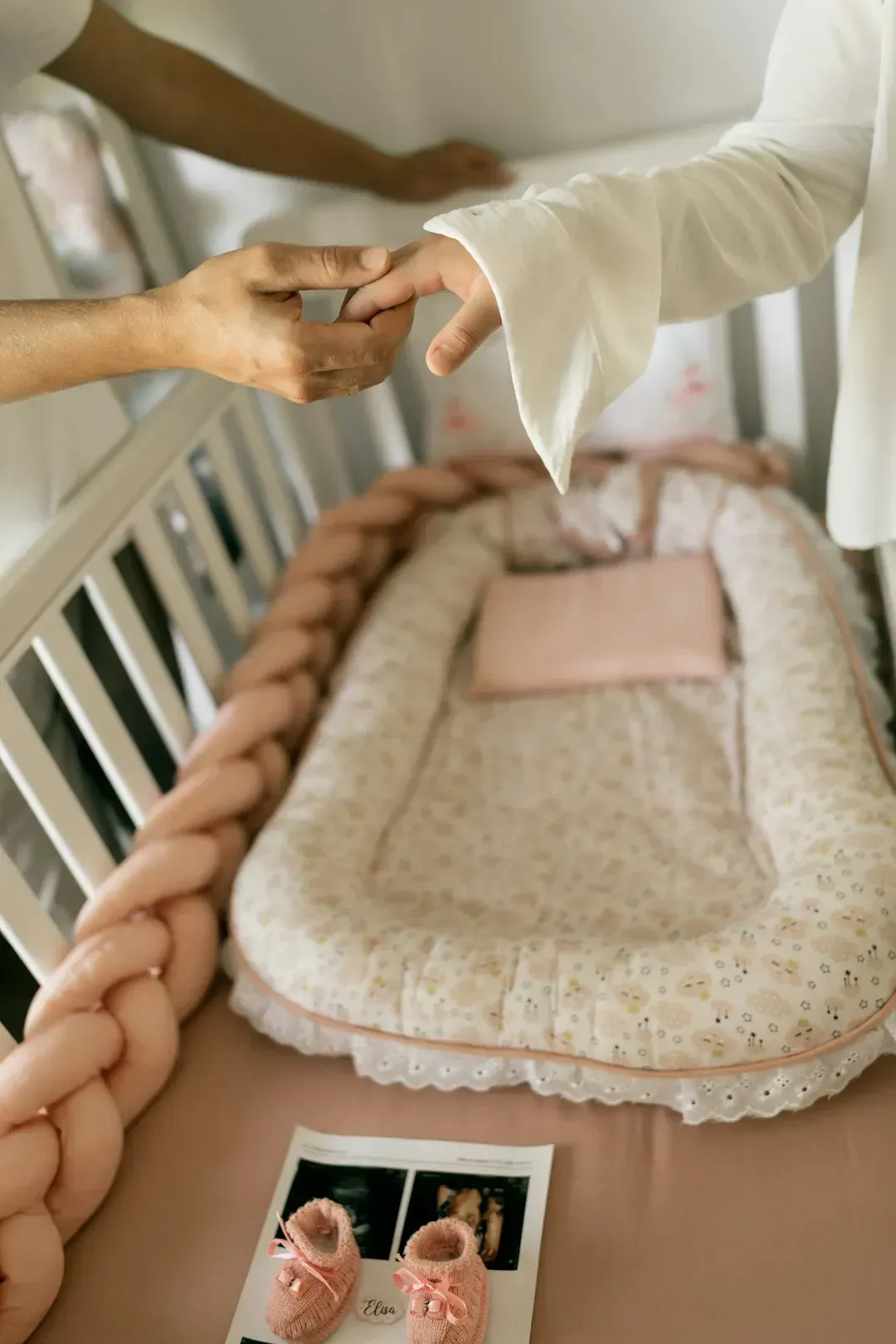
3. Padded crib bumpers (Image Credits: Unsplash)
Bumpers were originally sold as a way to keep limbs from poking through crib slats, but the data tells a different story. The Consumer Product Safety Commission connected 113 infant deaths to padded crib bumpers between 1990 and 2019. That toll is a major reason bumpers are now treated as one of the clearest no items on any safe sleep list.
The response finally came in legislation. The Safe Sleep for Babies Act, signed into law in May 2022, prohibits the future manufacture or sale of padded crib bumpers. Older bumpers already in homes aren’t illegal to own, but safety experts recommend against using hand-me-down padded bumpers, even though retailers can still sell them and many parents choose to use them despite the recommendation against all bumpers. Mesh bumpers slipped through a loophole in the law and remain on shelves, which is part of why bumpers of some kind still show up in a surprising number of nurseries.
4. Stuffed animals and plush toys
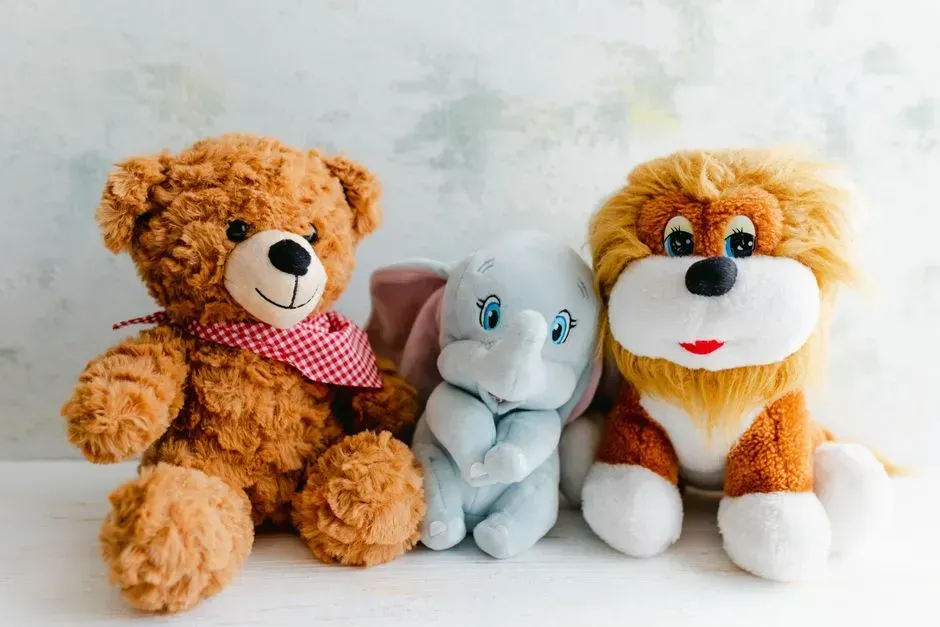
4. Stuffed animals and plush toys (Image Credits: Pexels)
A stuffed animal tucked beside a newborn is one of the most common nursery gifts, and one of the most common items pediatricians ask parents to remove. Soft objects should be kept out of the crib or sleep area, including pillows, blankets, quilts, stuffed animals, and bumper pads, because these items can pose suffocation hazards if they cover a baby’s face or obstruct their breathing. The risk applies to newborns and older infants alike, since even a baby who can roll may not be able to clear a toy from their face quickly enough.
Many parents wait until closer to the first birthday to introduce a lovey or comfort object, and that timing lines up with when rolling and repositioning skills are more developed. Until then, the safest place for a stuffed animal is on a shelf, not inside the sleep space, no matter how photogenic it looks in a crib.
5. Weighted blankets and sleepers
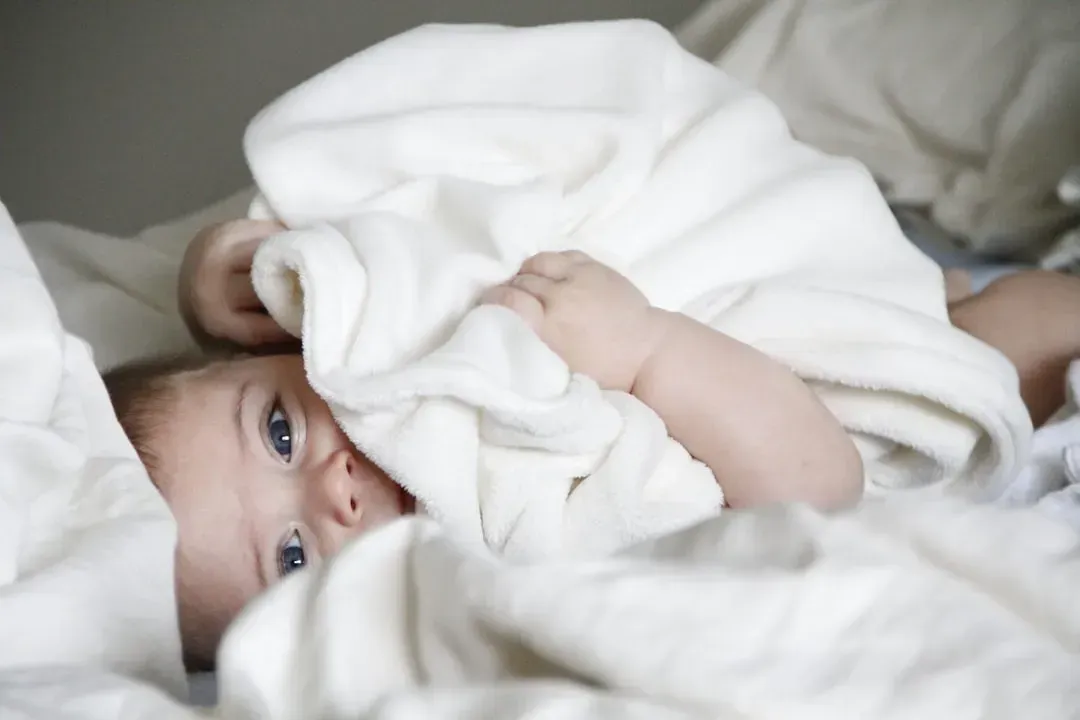
5. Weighted blankets and sleepers (Image Credits: Unsplash)
Weighted products marketed for calming babies gained popularity in recent years, but pediatric groups have pushed back hard against using them during sleep. New recommendations released by the American Academy of Pediatrics specifically caution against weighted swaddles and blankets for sleeping babies. The added weight can restrict a baby’s ability to move or breathe freely, which defeats the entire purpose of a firm, unobstructed sleep surface.
These products often get marketed with soothing language about mimicking a parent’s touch, which makes them tempting for exhausted caregivers. Still, the guidance is consistent across major health organizations: weight of any kind, whether in a blanket, sleeper, or swaddle, has no place in an infant’s crib during sleep.
6. Sleep positioners and wedges
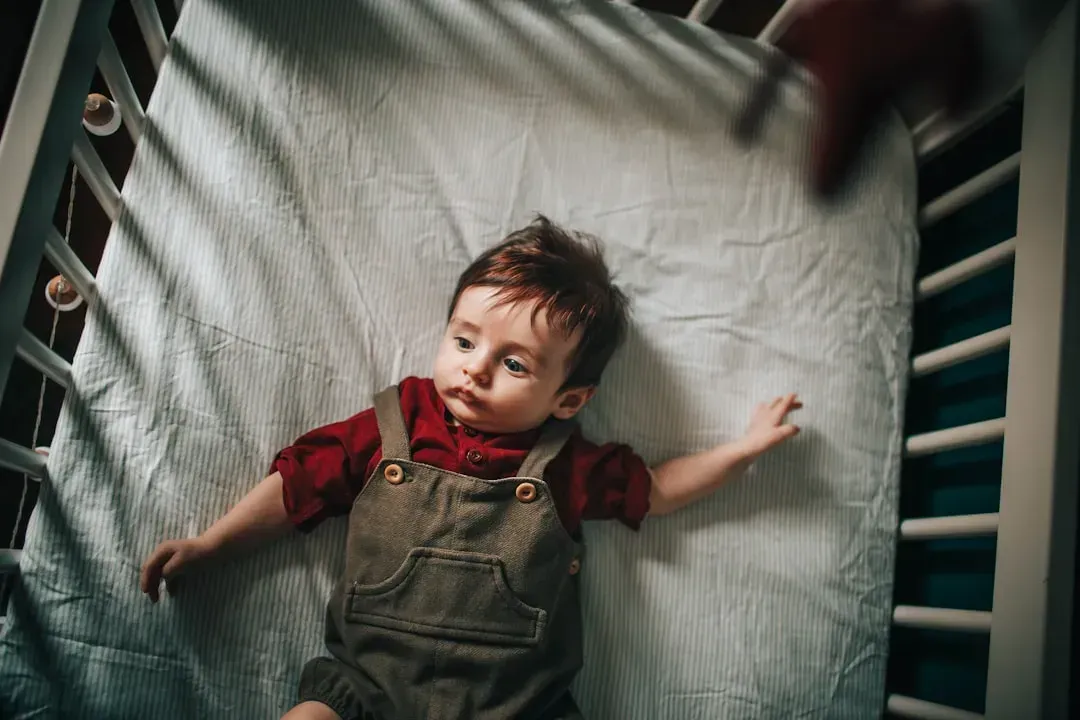
6. Sleep positioners and wedges (Image Credits: Unsplash)
Positioners marketed to keep babies on their backs or prevent flat spots sound reasonable in theory, but they’ve repeatedly failed safety testing. Baby-positioning devices are not approved for sleep safety and have been recalled multiple times, and the correct response to a baby learning to roll is ensuring the entire sleep surface is safe rather than restricting movement with a device. Rolling itself is a normal, healthy milestone, not a problem that needs a product solution.
Some parents buy positioners out of fear their baby will suffocate face down, which is understandable but backwards. A flat, bare mattress lets a baby reposition freely, which is safer than any wedge or positioning pillow currently on the market.
7. Inclined sleepers and angled cushions
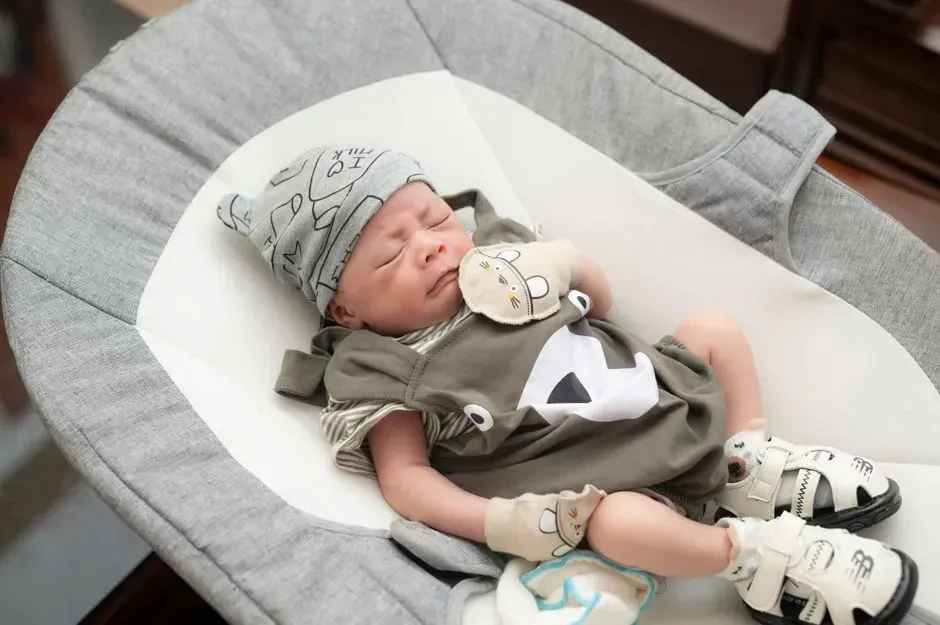
7. Inclined sleepers and angled cushions (Image Credits: Pexels)
Inclined sleep surfaces became a national safety story after a wave of infant deaths tied to one popular product. The Consumer Product Safety Commission reported 73 deaths among 1,108 incidents involving inclined sleepers between 2005 and 2019, and agency testing found no inclined sleeper safe for infant sleep. The problem is the angle itself, which can allow a baby’s head to slump forward and block the airway even without any bedding involved.
The same 2022 law that banned padded bumpers addressed this issue directly. In May 2022, President Biden signed legislation banning the manufacturing and sale of crib bumper pads and inclined sleepers with an inclined sleep surface of greater than 10 degrees. Despite the ban on new sales, older inclined products can still turn up secondhand or get repurposed inside a crib, which is why checking any hand-me-down gear against current recall lists matters.
8. Loose or non-fitted sheets
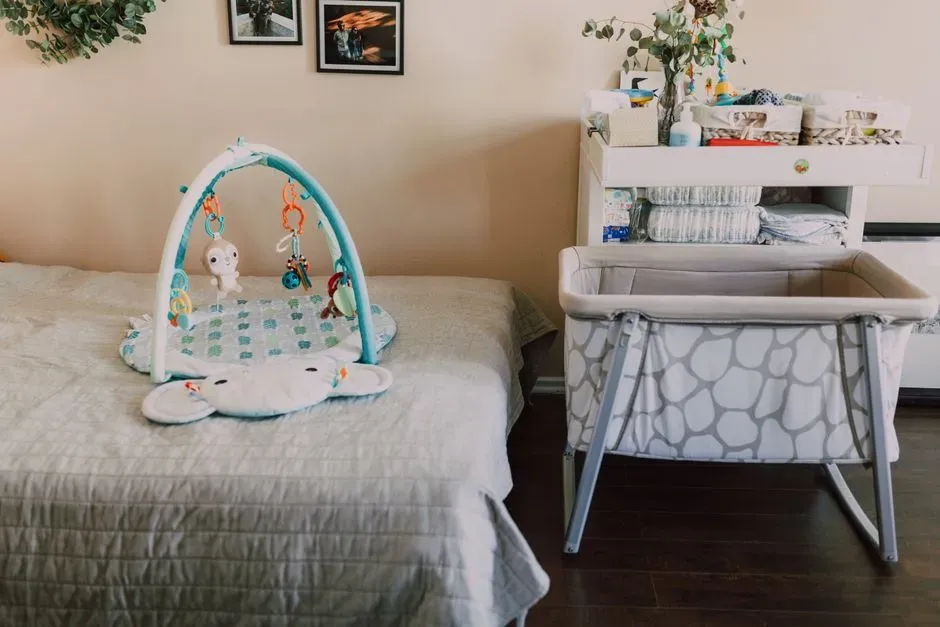
8. Loose or non-fitted sheets (Image Credits: Pexels)
A sheet that doesn’t fit snugly might seem like a minor detail, but it’s treated as seriously as any other soft bedding hazard. Guidance groups pillows and pillow-like toys, quilts, comforters, mattress toppers, non-fitted sheets, blankets, toys, bumper pads, or related products together as items that increase entrapment and suffocation risk. A sheet that bunches up or comes untucked can twist around a baby just as easily as a loose blanket.
Using a fitted sheet on the crib mattress matters because it won’t come undone with a baby’s movements and pose a suffocation risk, unlike a flat sheet tucked under the corners. It’s a small purchase detail, checking that a sheet is labeled specifically for the crib’s mattress size, but it’s one of the easiest fixes on this entire list.
None of these items are on the list because they look unsafe. Most are marketed as comfort products, sold in nursery sections, and given as baby shower gifts precisely because they seem thoughtful. The gap between what feels caring and what’s actually safe is where most of these mistakes happen, and closing that gap usually just means keeping the crib as plain as possible until a baby is much older.