
Long before helicopter parenting became a phrase anyone used, an entire generation of kids was let loose on the world with little more than a bike, a house key, and a vague instruction to be home by dark. Gen X, roughly those born between 1965 and 1980, grew up in a strange in-between era. Latchkey life was common, safety gear was optional, and independence wasn’t a parenting philosophy so much as a default setting.
What that meant in practice was a childhood packed with small, practical lessons that most kids today simply never need to learn. These weren’t skills taught in a classroom or from a manual. They were absorbed through repetition, necessity, and the occasional scraped knee.
1. Navigating without a phone or GPS

1. Navigating without a phone or GPS (Image Credits: Pexels)
Gen X kids memorized routes the old fashioned way, by walking or biking them enough times that the path became automatic. There was no pinging a parent’s phone or pulling up a map app if you got lost on the way to a friend’s house across town. You paid attention to landmarks, street signs, and which corner store had the good candy, because that mental map was the only one you had.
This constant navigating built a kind of spatial confidence that’s harder to develop when a device does the thinking. Kids learned to trust their own sense of direction, backtrack when they made a wrong turn, and ask a neighbor for help if they were truly stuck. It wasn’t glamorous, but it worked.
2. Answering the phone and taking a message

2. Answering the phone and taking a message (Image Credits: Pexels)
Before caller ID and voicemail were standard, a ringing landline was a small event that required a real skill set. Kids as young as six or seven learned to answer politely, figure out who was calling, and relay a message accurately, usually scribbled on a notepad by the kitchen phone. Getting it wrong meant a parent missing an important call, so there was actual pressure attached to picking up the receiver.
This taught basic social scripts that get skipped over now that texting has replaced most casual phone contact. Kids had to speak clearly to adults they didn’t know, handle awkward silences, and sometimes field questions they weren’t prepared for. It was a low stakes but frequent lesson in communication.
3. Making their own snacks and simple meals

3. Making their own snacks and simple meals (Image Credits: Unsplash)
With parents often working or simply less involved in constant supervision, many Gen X kids were making their own after school snacks by first or second grade. This ranged from cereal and toast to more involved tasks like using a stovetop or microwave unsupervised, something that would raise eyebrows in many households today. Learning to use a toaster oven or boil water for mac and cheese wasn’t considered advanced cooking, it was just Tuesday.
This early kitchen exposure built basic food safety instincts, like knowing a pan handle gets hot or that raw meat needs to be cooked through. It also meant kids learned to feed themselves reasonably well before most of their peers today would even be allowed near a stove alone. Necessity did a lot of the teaching.
4. Handling minor injuries without panicking
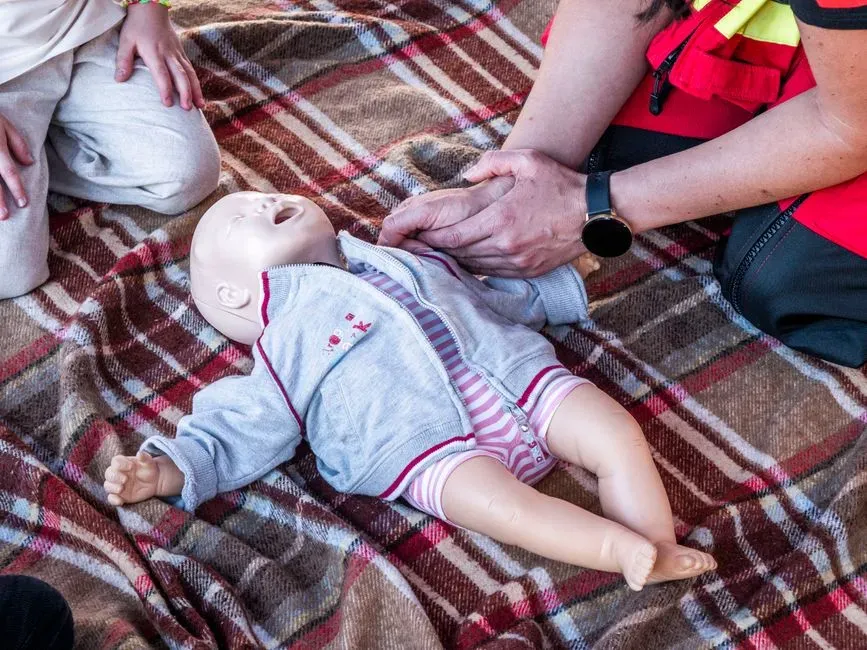
4. Handling minor injuries without panicking (Image Credits: Pexels)
Playgrounds in the 1970s and 80s were built with metal, concrete, and very little padding, so scrapes, splinters, and the occasional broken bone were treated as part of growing up. Kids learned to clean a cut with whatever was available, apply a bandage, and decide for themselves whether an injury was serious enough to interrupt playtime. Crying was fine, but the expectation was usually that you’d shake it off and get back to whatever you were doing.
This built a baseline tolerance for physical discomfort that shaped how many Gen Xers handle setbacks as adults. It wasn’t about ignoring real injuries, but about learning to assess a situation calmly instead of immediately seeking an adult for every minor scrape. That judgment call, however rough around the edges, was itself the skill.
5. Being alone in the house for hours

5. Being alone in the house for hours (Image Credits: Unsplash)
The term “latchkey kid” became common in the 1980s specifically because so many children were coming home to an empty house while parents worked, often starting well before the age most people would consider appropriate today. Kids learned to lock and unlock doors properly, decide what to do if a stranger knocked, and manage several hours of unsupervised time without losing the house key or letting the tv run the whole afternoon. Boredom wasn’t solved by a screen most of the time, since options were limited to whatever books, toys, or backyard existed.
This solitary stretch of time taught self reliance in a very direct way, since there was no one else around to fix a problem or answer a question. Kids figured out how to entertain themselves, manage snacks and homework without reminders, and generally function as a small, temporary head of household. It was a quiet kind of independence that built up gradually, day by day.
6. Riding a bike in real traffic

6. Riding a bike in real traffic (Image Credits: Unsplash)
Helmets were rare and bike lanes were nearly nonexistent, so kids learned to navigate actual streets, intersections, and the occasional aggressive dog on nothing but a ten speed and gut instinct. Understanding traffic patterns, judging the speed of an oncoming car, and knowing which roads were too dangerous to cross without looking twice were skills picked up through trial and error rather than formal instruction. Falling off, scraping a knee, and getting back on was simply part of the process.
This early exposure to real world risk assessment carried over into a broader comfort with calculated risk taking. Kids weren’t reckless by design, but they were given enough rope to make their own judgment calls about safety long before most children today are handed that responsibility. The freedom came with real consequences, and that mattered.
7. Managing money from an early age
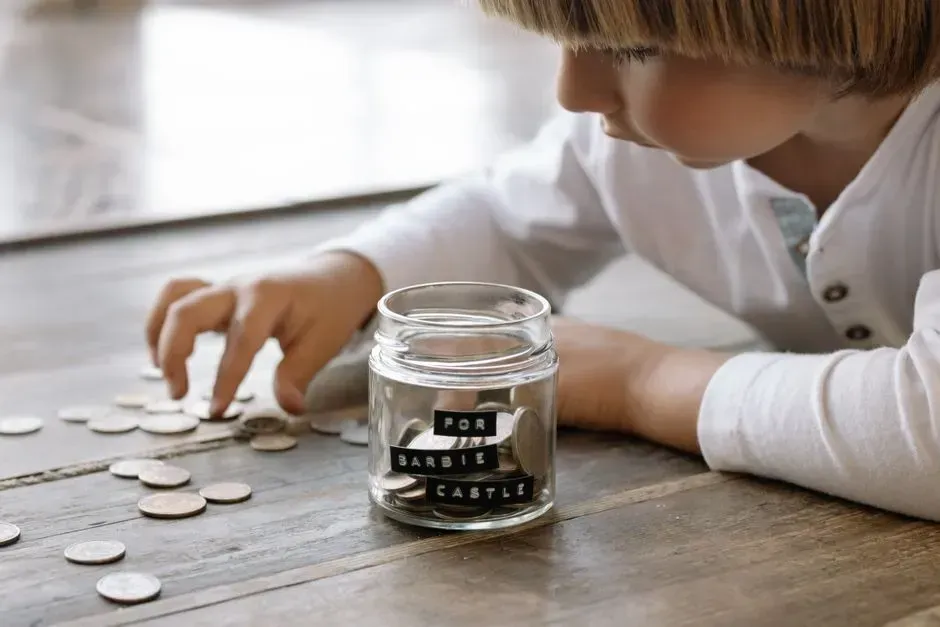
7. Managing money from an early age (Image Credits: Pexels)
Allowances, paper routes, and lemonade stands gave many Gen X kids their first real experience handling cash well before they hit double digits. There was no app tracking a balance, so keeping track of money meant physically counting coins and bills, deciding what was worth saving for, and sometimes learning the hard way what happens when you spend it all on candy. A dollar had a tangible weight to it that’s harder to replicate with a tap to pay card.
This hands on approach to money built an early sense of budgeting, even if it was as simple as saving up for a specific toy over several weeks. Kids also learned basic math skills through practical application, counting change at a store register or splitting a bill with a sibling. It wasn’t formal financial education, but it planted seeds that stuck.
8. Resolving conflicts without adult intervention
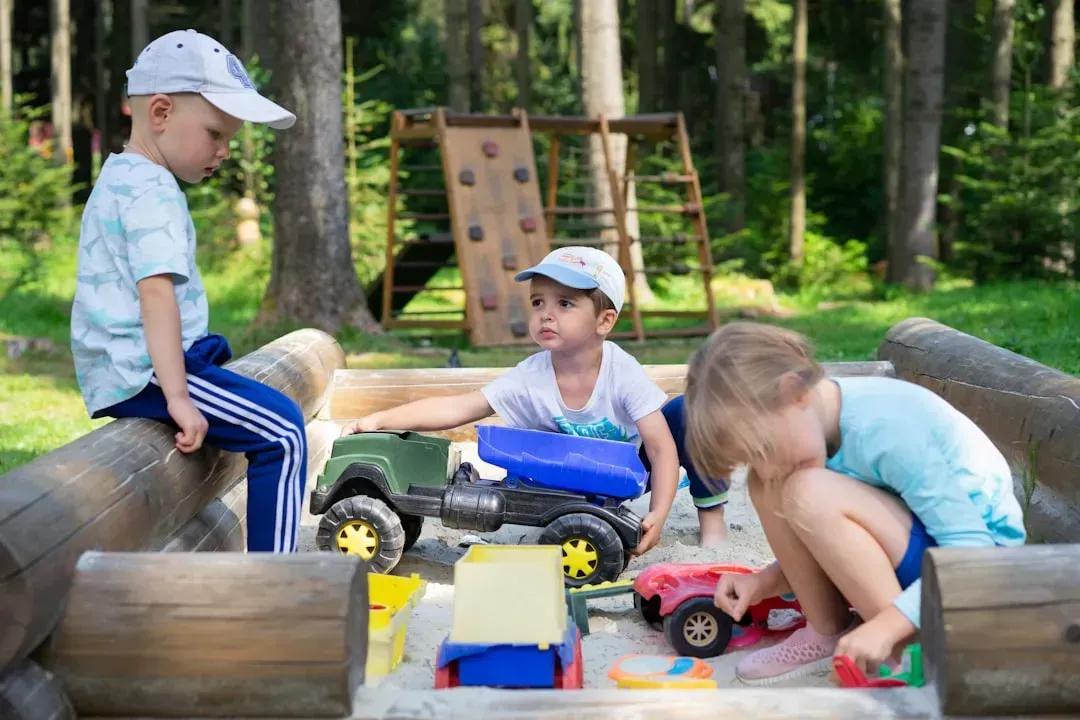
8. Resolving conflicts without adult intervention (Image Credits: Unsplash)
Playground disputes, sibling arguments, and neighborhood disagreements were usually settled by the kids involved, since adults weren’t hovering nearby to mediate every disagreement. This meant learning to negotiate, apologize, stand up for yourself, or simply walk away, all without a grown up stepping in to smooth things over. Sometimes it got messy, and sometimes a friendship ended over something trivial, but the resolution process was almost entirely self directed.
This kind of unsupervised social friction taught a lot about reading people, managing frustration, and understanding that not every conflict has a tidy adult brokered ending. Kids developed their own informal rules for fairness through repeated interactions rather than through lessons handed down from above. It was messy, occasionally unfair, and genuinely formative.