
Some households run on hugs and long talks about feelings. Others run on efficiency, clear expectations, and a general sense that whining will get you nowhere. If you grew up in the second kind of home, you probably didn't realize how different it was until you met people who'd never heard the phrase "because I said so" delivered with such finality.
No-nonsense parenting isn't cold or unloving. It's just practical, direct, and allergic to drama. Here are six signs that your upbringing fell firmly into that camp.
1. Complaining rarely got you anywhere

1. Complaining rarely got you anywhere (Image Credits: Pixabay)
In a no-nonsense household, complaints were treated less like emotional expressions and more like problems waiting for a solution. If you said you were bored, you were handed a chore. If you said something wasn’t fair, you were told life often isn’t and to figure out a workaround. The message was consistent: talking about a problem mattered less than doing something about it.
This style of parenting tends to produce adults who are quick problem solvers but sometimes slow to voice frustration, since venting was never really modeled as useful. Family psychologists who study parenting styles often note that pragmatic, low-fuss households prioritize action over discussion, which can build resilience but occasionally leaves emotional vocabulary underdeveloped. It’s not that feelings were forbidden, they just weren’t the main event.
2. Excuses were not a currency anyone accepted
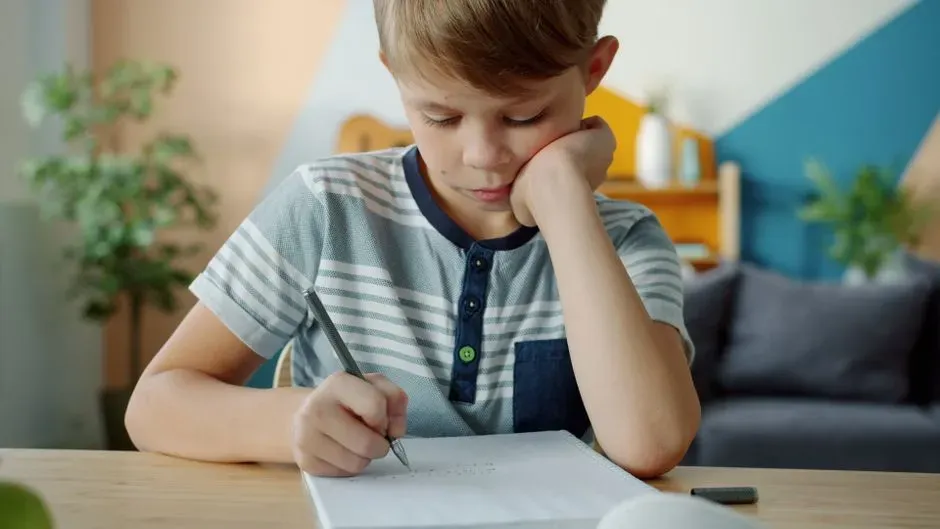
2. Excuses were not a currency anyone accepted (Image Credits: Pexels)
Forgot your homework, missed curfew, lost your jacket for the third time this month. In most households that might spark a longer conversation about circumstances. In a no-nonsense home, the response was usually short: figure it out next time. Excuses were heard, politely, and then set aside as irrelevant to the actual fix.
This wasn’t about being harsh so much as valuing accountability over explanation. Kids raised this way often become adults who take responsibility quickly, sometimes almost reflexively, because they learned early that owning a mistake closes the conversation faster than justifying it does. It’s a trait that tends to serve people well in workplaces, even if it occasionally makes them a little too hard on themselves.
3. Chores were expected, not negotiated

3. Chores were expected, not negotiated (Image Credits: Unsplash)
There was no allowance-for-chores debate in a no-nonsense household, at least not one you were likely to win. Dishes, laundry, yard work, whatever needed doing got done because you lived there, not because you were being paid or praised for basic participation. The logic was simple: everyone contributes, no exceptions.
Research on household responsibilities and child development, including work highlighted by the American Academy of Pediatrics, has long pointed out that children who do regular chores tend to develop stronger senses of competence and responsibility. No-nonsense households often stumbled onto this principle instinctively, decades before it became a parenting talking point. The chores weren’t framed as character building. They were just what needed to happen for the house to function.
4. Emotional outbursts were met with practicality, not panic

4. Emotional outbursts were met with practicality, not panic (Image Credits: Pexels)
Tears, tantrums, slammed doors, they happened, but they were rarely treated as emergencies. A no-nonsense parent’s typical response leaned toward calm redirection rather than long emotional processing sessions. You’d be given a moment, then asked what you actually needed or what the plan was going forward.
This approach can look unsentimental from the outside, but it often reflects a belief that steadiness helps kids regulate faster than heightened reactions do. Adults from these households frequently describe themselves as calm in a crisis, largely because chaos was never met with more chaos growing up. The tradeoff is that some grow up needing to consciously relearn how to sit with big feelings rather than immediately trying to solve them.
5. Rules were clear, consistent, and rarely up for debate

5. Rules were clear, consistent, and rarely up for debate (Image Credits: Pexels)
Bedtime was bedtime. Curfew was curfew. There wasn’t a lot of gray area, and negotiating rules mid conversation rarely worked. This consistency wasn’t about control for its own sake, it was about predictability, so kids knew exactly where the lines were.
Developmental research generally supports this kind of structure, with studies on parenting styles suggesting that clear, consistently enforced boundaries are linked to better self-regulation in children over time. In a no-nonsense home, the rules themselves mattered less than the fact that they didn’t shift depending on mood or convenience. That predictability often becomes something adults quietly miss once they’re navigating the far messier rulebooks of adult life.
6. Praise was earned, specific, and never handed out for nothing

6. Praise was earned, specific, and never handed out for nothing (Image Credits: Pexels)
You didn’t get a trophy for showing up. Praise, when it came, was usually tied to something concrete: a good grade, a job well done, a genuine effort that produced a real result. Participation alone rarely triggered applause.
This can sound stingy, but many adults raised this way say it taught them to value substance over performance. When praise did arrive, it felt earned rather than automatic, which made it land differently. The downside, often mentioned by therapists discussing achievement oriented upbringings, is that some people from these homes struggle to feel proud of themselves without external validation attached to a specific accomplishment.
No-nonsense households rarely make for dramatic childhood stories. There were no big blowups, no long lectures, just a steady rhythm of expectations met and problems solved without much fuss. Looking back, most people raised this way describe it less as strict and more as simply efficient, a home that ran on function first and feelings second, not because feelings didn’t matter, but because there was always something more useful to be doing.