
Most parents have read the same advice a dozen times over. Get enough sleep, limit screens, be present. Yet somehow the habits that actually move the needle for kids rarely make it into daily routines, even when parents know better.
Part of the problem is that good parenting habits often feel small, even boring, compared to the noise of parenting trends online. Here are ten that quietly work, backed by research, and still get skipped more often than they should.
1. Letting kids sit with boredom instead of rescuing them from it

1. Letting kids sit with boredom instead of rescuing them from it (Image Credits: Unsplash)
Boredom has become something parents rush to fix, often with a phone or tablet within seconds of a child sighing. Child development researchers have long pointed out that unstructured, unscheduled time is where creativity and self-directed play actually take root. Constantly filling every gap trains kids to expect external stimulation rather than generate their own ideas.
Letting a child sit with mild boredom for ten or fifteen minutes is not neglect, it is practice. Over time, kids who get this space tend to invent games, ask better questions, and entertain themselves without needing a screen to do it. Families who skip this often do so out of guilt, not because the science suggests otherwise.
2. Narrating your own mistakes out loud
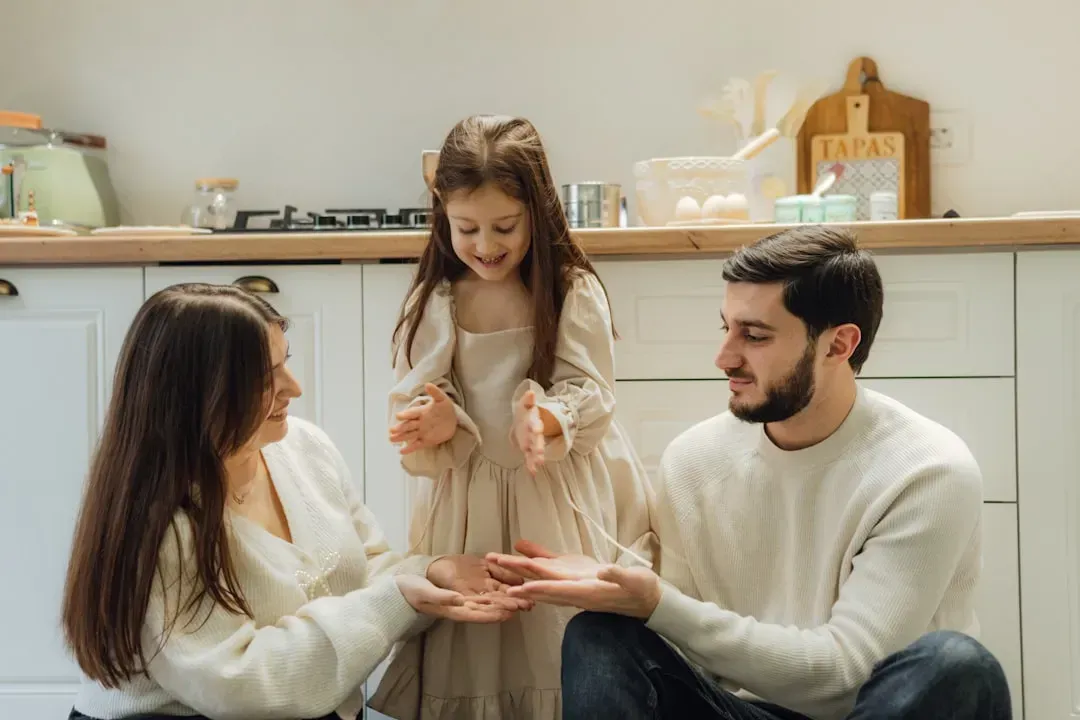
2. Narrating your own mistakes out loud (Image Credits: Unsplash)
Parents tend to hide frustration, confusion, or errors from their kids, assuming it makes them look weak. Psychologists who study emotional modeling suggest the opposite is closer to true. When a parent says something like “I forgot that, let me figure it out” instead of masking the slip, kids learn that mistakes are normal and fixable rather than shameful.
This habit costs nothing and takes seconds, yet many households still treat parental infallibility as the default. Kids raised by parents who narrate their own errors tend to show more resilience when they mess up themselves. It is a small shift in transparency with a fairly outsized payoff.
3. Giving genuine choices instead of fake ones

3. Giving genuine choices instead of fake ones (Image Credits: Pexels)
“Do you want broccoli or carrots” is a real choice. “Do you want to put on your shoes or do you want to put on your shoes right now” is not, even though many parents use the second version and call it choice-giving. Actual autonomy, even in small doses, has been linked to better cooperation and lower power struggles in early childhood research.
The habit that gets ignored here is patience. Real choices take a few extra seconds to offer and often a bit longer to honor, and busy families default to commands instead. Kids who are regularly given small, authentic choices tend to negotiate less overall, not more, because they feel less need to fight for control.
4. Talking about money in front of the kids

4. Talking about money in front of the kids (Image Credits: Pexels)
Financial literacy conversations still happen far too late in most households, often only once a teenager is heading to college or getting a first job. Surveys on financial education consistently show that kids who overhear or participate in basic money conversations, like why a purchase is being delayed or how a budget works, tend to develop stronger money habits as adults. Silence around finances, meant to protect kids from stress, often just delays their learning curve instead.
This does not mean detailing a family’s entire financial situation to a seven year old. It means normalizing phrases like “that’s not in the budget this month” instead of vague deflection. Families who treat money as a taboo subject at home are not shielding kids, they are postponing a lesson that shows up eventually anyway.
5. Letting natural consequences play out
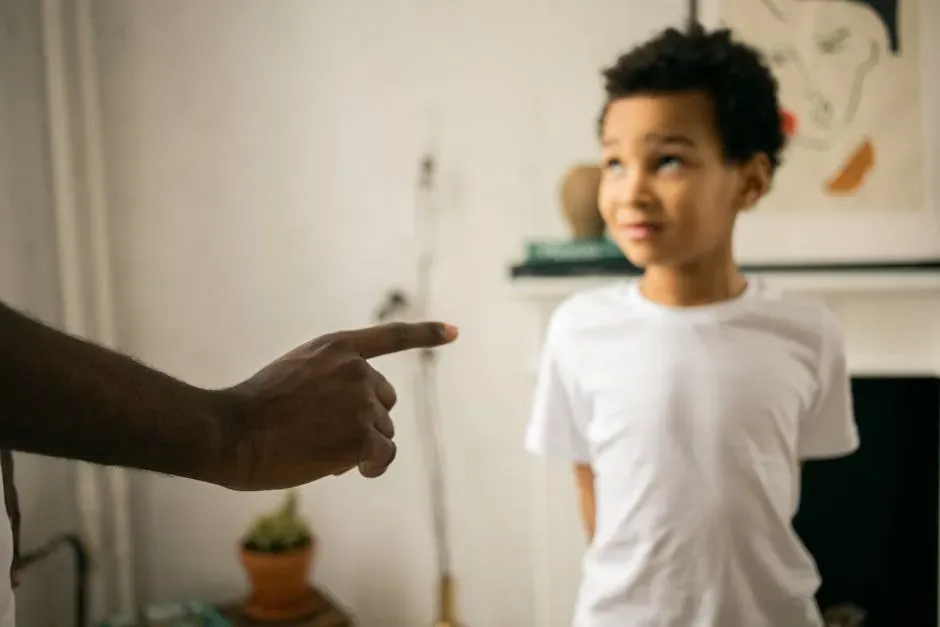
5. Letting natural consequences play out (Image Credits: Pexels)
Forgetting a lunch, missing a deadline for a school project, losing a favorite toy left outside. The instinct for many parents is to swoop in and fix it before discomfort sets in. Behavioral researchers who study consequence-based learning note that natural consequences, when safe, teach lessons far more effectively than lectures do.
This habit is uncomfortable because it requires watching a child struggle briefly, which triggers a parent’s own anxiety more than the child’s. Families who consistently intervene to prevent every small failure often end up with kids who struggle more with setbacks later, simply because they never got low-stakes practice. Letting a shoe stay untied until it trips is sometimes the better lesson than tying it every time.
6. Asking specific questions instead of "how was your day"

6. Asking specific questions instead of "how was your day" (Image Credits: Unsplash)
“How was your day” almost always gets a one-word answer, and most parents know this from experience yet keep asking it anyway. Communication specialists who study parent-child dialogue recommend specific prompts instead, like asking what made a kid laugh or who they sat with at lunch. Specific questions signal genuine interest and tend to unlock detail that generic ones never do.
The habit that gets skipped is the extra thought required before the question is even asked. It is easier to default to autopilot phrasing after a long day at work. Parents who swap in specific, curious questions consistently report richer conversations, even with notoriously tight-lipped teenagers.
7. Modeling repair after conflict, not just apology
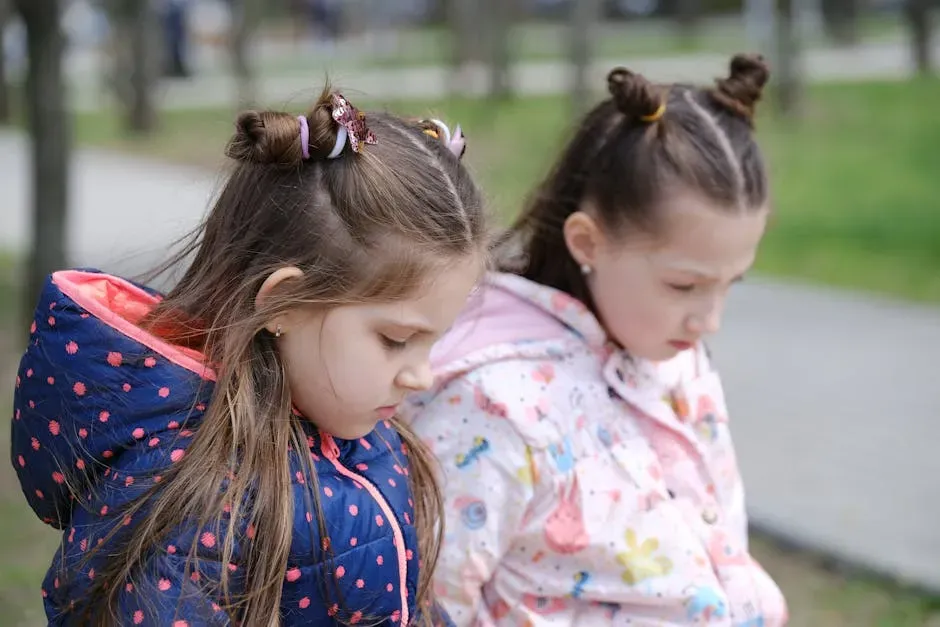
7. Modeling repair after conflict, not just apology (Image Credits: Pexels)
Many parents teach kids to say sorry, but fewer model what happens after the apology. Relationship researchers who study attachment and repair note that showing a full repair process, acknowledging what went wrong, explaining the impact, and adjusting behavior, teaches far more than the word sorry on its own. Kids exposed only to quick apologies without repair often learn the phrase as a formality rather than a genuine reset.
This is a habit that requires slowing down during an already tense moment, which is exactly why it gets ignored. A parent who says “I yelled because I was stressed, that wasn’t fair to you, I’ll try to catch myself next time” is giving a masterclass in emotional accountability without ever using that phrase. Families who build this into everyday conflict tend to raise kids who handle their own friendships and relationships with more maturity.
8. Protecting sleep schedules even when it is inconvenient

8. Protecting sleep schedules even when it is inconvenient (Image Credits: Pexels)
Sleep research consistently ranks among the most well-documented areas of child development, and the findings are strikingly consistent. Pediatric sleep researchers have tied insufficient sleep in children to problems with attention, mood regulation, and even long-term metabolic health. Despite this, family schedules, extracurriculars, and screen time regularly push bedtimes later than recommended guidelines suggest.
The habit that gets ignored is not knowledge, most parents already understand kids need consistent sleep. It is the willingness to say no to a late event or an extra episode when it conflicts with bedtime. Families who protect sleep schedules even during busy weeks tend to see fewer behavioral flare-ups than those who treat bedtime as flexible.
9. Teaching kids to sit with uncomfortable emotions instead of fixing them instantly

9. Teaching kids to sit with uncomfortable emotions instead of fixing them instantly (Image Credits: Unsplash)
When a child is sad, angry, or anxious, the instinct is often to distract, cheer up, or solve the problem immediately. Emotion researchers who study regulation skills point out that kids who are taught to name and tolerate uncomfortable feelings, rather than have them erased quickly, develop stronger long-term coping skills. Constant rescuing from discomfort can accidentally teach kids that negative emotions are dangerous rather than normal and temporary.
This habit asks parents to resist their own urge to fix things fast, which is often harder than it sounds in the moment. Saying “it’s okay to feel upset about this, I’m here” instead of immediately offering a solution takes restraint. Families who practice this consistently tend to raise kids who can self-soothe more effectively by adolescence.
10. Being consistent with rules even when it is exhausting

10. Being consistent with rules even when it is exhausting (Image Credits: Pixabay)
Consistency ranks among the most repeated pieces of parenting advice, and also among the most frequently abandoned in practice. Behavioral consistency, according to child psychology research, matters more for long-term compliance than the specific rule itself. A bedtime that shifts nightly or a screen limit that bends under pressure teaches kids that rules are negotiable if they push hard enough or wait long enough.
The habit gets ignored simply because consistency is tiring, especially at the end of a long day when giving in is the path of least resistance. Parents who hold a firm line, even imperfectly, tend to see fewer repeated negotiation battles over time. It is less about rigid strictness and more about kids learning that a boundary means the same thing on a Tuesday as it does on a Saturday.
None of these habits require special training, expensive tools, or dramatic parenting overhauls. What they ask for is mostly patience, a willingness to sit through short-term discomfort, and consistency on days when giving in feels easier. The families who adopt even a few of these tend to notice the shift not in dramatic moments but in the quieter, everyday interactions that make up most of parenting.