
There's a certain kind of nostalgia that hits when you think back on how differently kids were raised just a few decades ago. No car seats past age five, no helmets on bikes, and definitely no hovering parents checking in every ten minutes. If you grew up in the 1980s, chances are your childhood looked a lot like a low-budget adventure movie, mostly unsupervised and occasionally dangerous.
These days, parenting styles have shifted dramatically, shaped by new research, safety regulations, and honestly, a lot more anxiety. Looking back at what was considered normal parenting in the '80s offers a strange mix of horror and admiration. Here are sixteen rules that most '80s kids remember, whether they appreciate them now or not.
1. Go outside and don't come back until dark

1. Go outside and don't come back until dark (Image Credits: Pexels)
This was less a suggestion and more a daily mandate in most households. Parents genuinely expected kids to disappear after breakfast, roam the neighborhood, and only return when the streetlights flickered on. There was no GPS tracking, no check-in texts, just an unspoken trust that kids would figure things out.
Child development experts have since noted that this kind of unstructured outdoor play actually helped build independence and problem-solving skills. Today’s parenting research often points to a decline in unsupervised outdoor time as a contributing factor in reduced resilience among children. Back then, though, nobody was thinking about resilience, they just wanted the house quiet for a few hours.
2. Riding in the car without a seatbelt was just how it worked

2. Riding in the car without a seatbelt was just how it worked (Image Credits: Pexels)
Bouncing around in the back of a station wagon, sometimes even in the way-back cargo area facing traffic, was completely normal. Seatbelt laws existed in some states by the mid-1980s, but enforcement was spotty and cultural habits lagged far behind legislation. Kids climbed over seats, laid across the back window ledge, and nobody thought twice.
Car seat safety data from organizations like the National Highway Traffic Safety Administration shows how far things have come since then, with modern car seat and booster laws credited for significantly reducing child fatalities in crashes. In the ’80s, that kind of structured safety simply wasn’t part of the parenting playbook yet. It took another decade or two before booster seats became a standard expectation.
3. Spanking was a widely accepted form of discipline

3. Spanking was a widely accepted form of discipline (Image Credits: Pexels)
Corporal punishment wasn’t hidden or shameful in most ’80s households, it was often treated as a routine parenting tool. Wooden spoons, belts, and the classic hand swat were common enough that kids compared notes with friends about which method their parents preferred. Even schools in many states still allowed it as an official disciplinary measure.
Attitudes have shifted considerably since then, with major pediatric organizations like the American Academy of Pediatrics now recommending against physical punishment due to research linking it to increased behavioral and emotional issues. Many states have also banned corporal punishment in schools entirely. Back in the ’80s though, this debate barely registered in most households.
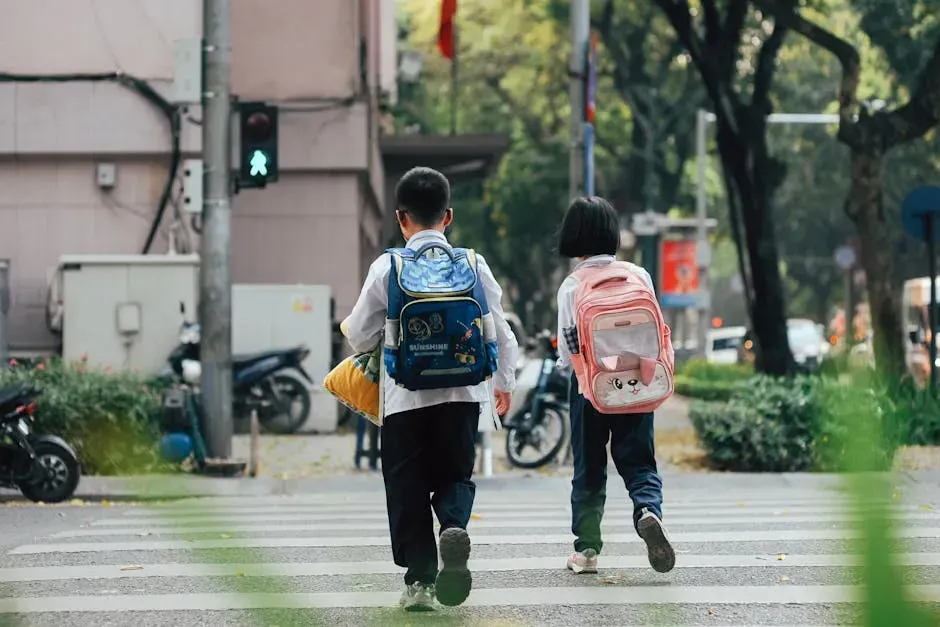
4. Kids walked or biked to school alone, often starting in elementary school
4. Kids walked or biked to school alone, often starting in elementary school (Image Credits: Pexels)
It wasn’t unusual for six and seven year olds to walk several blocks to school completely unaccompanied, sometimes crossing busy streets along the way. Older siblings might tag along, but often kids just went solo, meeting friends at a corner and walking the rest of the way together. There was no drop-off line, no parent volunteers, just kids figuring out the route themselves.
Studies tracking childhood independence, including research published by organizations focused on child mobility, have shown a steep decline in unsupervised school commutes since the 1970s and 80s. Safety concerns, increased traffic, and shifting cultural norms around supervision have all contributed to that change. For ’80s kids, though, walking alone felt like just another Tuesday.
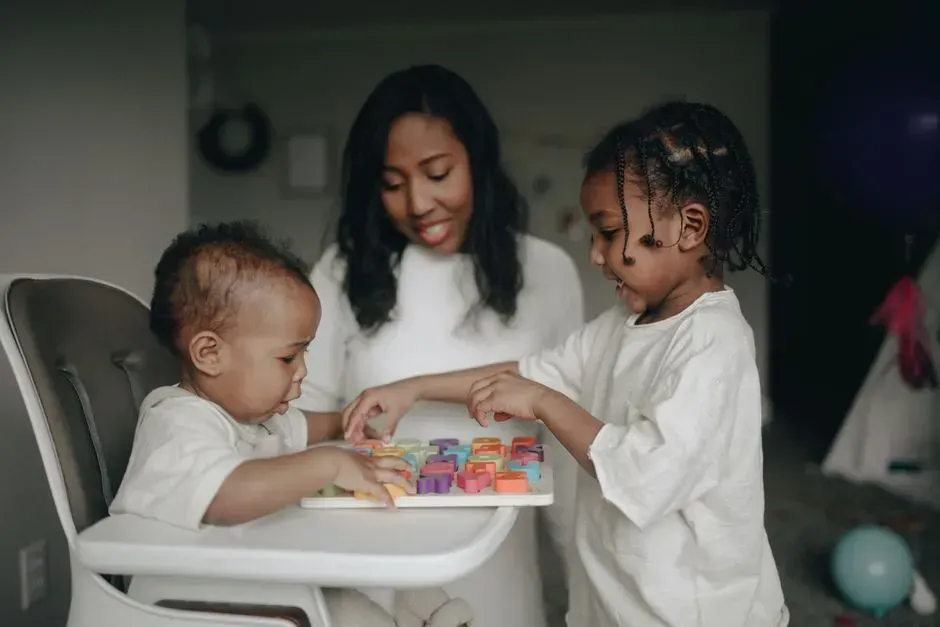
5. "Go ask your friend's mom" was a legitimate parenting strategy
5. "Go ask your friend's mom" was a legitimate parenting strategy (Image Credits: Pexels)
Neighborhood parenting operated on a kind of informal collective system. If you got hungry, hurt, or needed a ride somewhere, any nearby adult was fair game to ask for help. Parents trusted the whole block to look out for each other’s kids without much formal communication.
This kind of community-based supervision reflected the era’s general trust in neighbors and lower levels of parental anxiety about strangers. Sociologists studying childhood have pointed out that this “village” style of raising kids has become far less common as families have grown more isolated and neighborhoods less interconnected. Back then it just felt like common sense.
6. Bike helmets were basically optional, if they existed at all

6. Bike helmets were basically optional, if they existed at all (Image Credits: Pexels)
Riding a bike bare headed down a hill, weaving through traffic, was standard fare for most ’80s kids. Helmets existed but were mostly associated with serious cyclists or BMX racers, not everyday neighborhood riding. Most households didn’t own one, and if they did, kids often refused to wear it out of embarrassment.
Bicycle helmet laws didn’t start gaining real traction in the United States until the early 1990s, according to historical safety legislation records. Research since then has consistently shown helmets reduce the risk of severe head injury significantly in bike accidents. In the ’80s, that safety net simply wasn’t part of the equation yet.
7. Junk food was practically a food group

7. Junk food was practically a food group (Image Credits: Pexels)
Sugary cereals, soda with lunch, and snack cakes packed into lunchboxes were completely unremarkable. Nutrition labels barely factored into grocery shopping decisions, and portion control wasn’t really a conversation happening at the dinner table. Advertising aimed directly at kids pushed sugary products relentlessly, and parents mostly went along with it.
Public health data has since linked the marketing and consumption patterns of that era to broader shifts in childhood nutrition awareness that took hold in later decades. Nutritional guidelines from agencies like the USDA have evolved substantially since the 1980s, reflecting growing concern over childhood obesity and sugar intake. At the time, though, a bowl of frosted cereal before school felt like a completely reasonable breakfast.
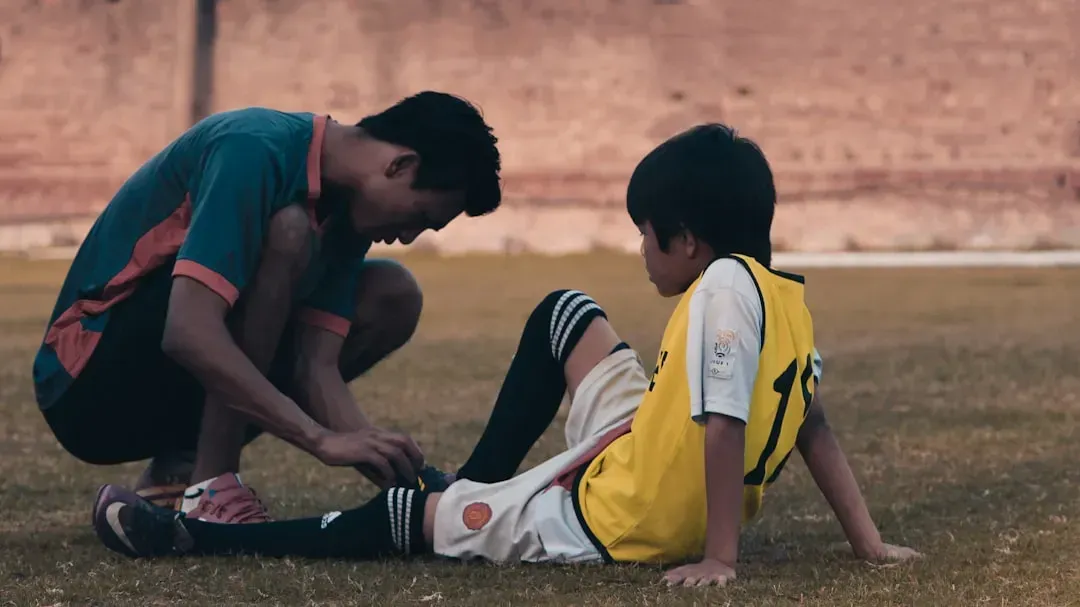
8. Getting hurt meant "walking it off," not a trip to urgent care
8. Getting hurt meant "walking it off," not a trip to urgent care (Image Credits: Unsplash)
Skinned knees, minor sprains, even the occasional broken bone sometimes got the “you’re fine, walk it off” treatment before parents decided a doctor was necessary. Medical visits were reserved for injuries that were unmistakably serious. Kids learned early to assess their own pain tolerance because nobody was rushing them to a clinic for a bruise.
This casual approach to minor injuries reflected both economic realities, since healthcare costs and insurance coverage worked differently then, and a cultural attitude that toughness mattered more than caution. Pediatric care has since become far more proactive, with modern guidelines encouraging earlier evaluation of injuries that might have been brushed off decades ago. Still, plenty of ’80s kids can point to a permanently crooked finger that never got properly looked at.
9. Smoking around kids wasn't seen as a big deal

9. Smoking around kids wasn't seen as a big deal (Image Credits: Pexels)
Cigarette smoke filled cars, restaurants, and living rooms without much thought given to the kids breathing it in. Parents smoked while driving with windows barely cracked, and secondhand smoke exposure was just an accepted part of daily life. Nonsmoking sections in restaurants were a novelty rather than a standard.
Public health research through the following decades dramatically changed this, with agencies like the CDC documenting the serious risks secondhand smoke poses to children’s respiratory health. Smoking bans in cars with children present and stricter public smoking laws emerged largely in the 1990s and 2000s. In the ’80s, none of that regulatory framework existed yet.
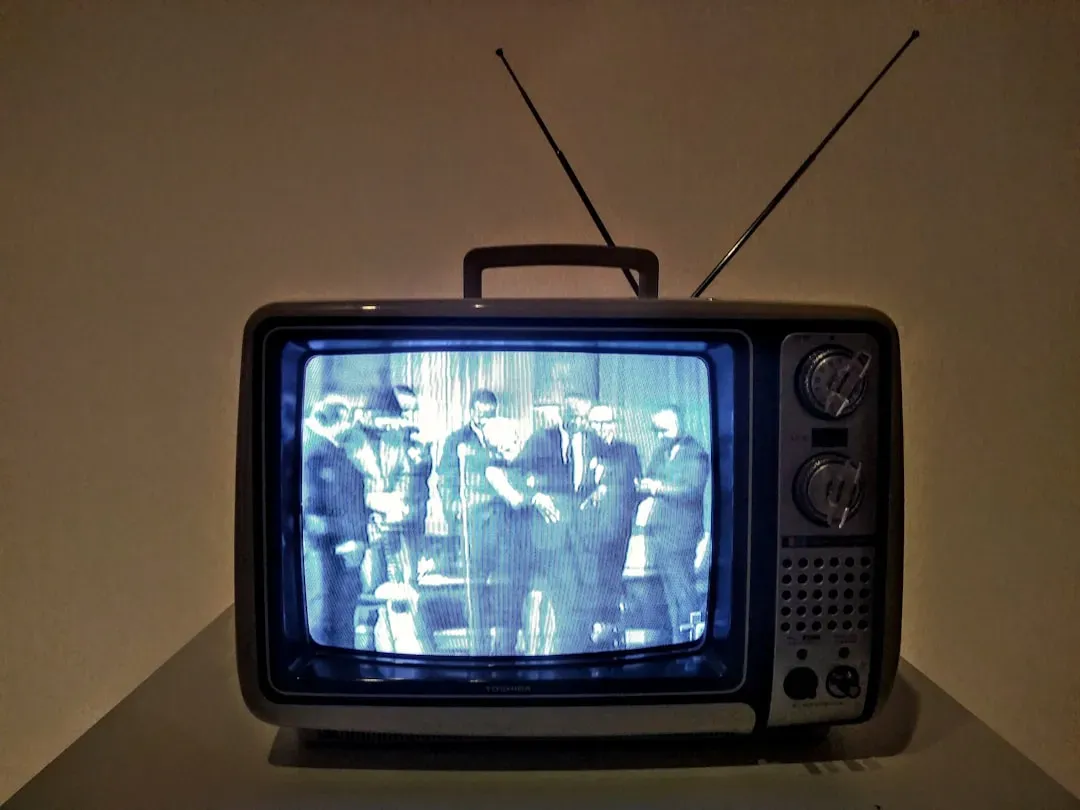
10. Screen time meant three channels and a rotary dial to change them
10. Screen time meant three channels and a rotary dial to change them (Image Credits: Unsplash)
Television was tightly limited not by parental philosophy but by sheer physical limitation, since most households had one or two TVs and no remote control worth mentioning. Kids negotiated with siblings over what to watch, and Saturday morning cartoons were basically a sacred ritual. There was no streaming, no tablets, no bottomless scroll of content.
Media researchers have noted that this natural scarcity of screen access likely shaped different attention patterns compared to today’s environment of constant digital stimulation. Modern pediatric screen time guidelines, like those from the American Academy of Pediatrics, didn’t even need to exist in the same way back then because the technology simply wasn’t available. It’s a stark contrast to the screen negotiations happening in households now.
11. "Because I said so" ended every argument

11. "Because I said so" ended every argument (Image Credits: Pexels)
Explaining the reasoning behind a rule wasn’t really part of the parenting style. If a kid asked why they had to do something, the answer often boiled down to parental authority alone, no further discussion needed. Pushing back further usually just meant a longer punishment.
Parenting research since then has increasingly emphasized the value of explaining reasoning to children, with studies suggesting it helps build better long-term decision-making skills. This more communicative style has become far more common in modern parenting approaches. Back in the ’80s, though, questioning parental authority just wasn’t really on the table.
12. Kids stayed home alone, often quite young, with zero supervision

12. Kids stayed home alone, often quite young, with zero supervision (Image Credits: Unsplash)
Being left home alone for hours at age eight or nine wasn’t unusual, sometimes even younger depending on the family. Latchkey kids, so named for carrying their own house key on a string or chain, became a defining feature of the era as more mothers entered the workforce. Coming home to an empty house and making your own snack was simply part of the routine.
This trend was documented extensively by sociologists studying the changing American family structure during the 1980s, tied closely to rising dual income households. Current guidelines from child safety organizations generally recommend against leaving children alone at such young ages without careful assessment of maturity and circumstances. At the time, though, it was just accepted as a practical necessity.
13. Birthday parties were simple, cheap, and rarely themed

13. Birthday parties were simple, cheap, and rarely themed (Transferred from en.wikipedia to Commons by Quadell using CommonsHelper.
(Original text: self-made), <a href="https://commons.wikimedia.org/w/index.php?curid=6989646" target="_blank" rel="noopener">Public domain</a>)
A backyard, some balloons, a cake from the grocery store, and maybe a game of pin the tail on the donkey covered most birthday celebrations. There were no elaborate entertainers, no rented bounce houses, no professionally designed invitations. Parents threw parties with minimal planning and even less spending.
Consumer spending research on children’s parties has shown a substantial increase in costs and complexity over recent decades, with modern parties frequently involving venues, catering, and hired entertainment. That shift reflects broader cultural changes around parenting expectations and social comparison, much of it amplified by social media in more recent years. In the ’80s, a party was successful if the cake didn’t collapse and everyone got a slice.
14. Report cards with bad grades meant real consequences, not negotiation

14. Report cards with bad grades meant real consequences, not negotiation (Image Credits: Pexels)
A poor grade on a report card often triggered immediate and unambiguous punishment, no lengthy discussion about learning styles or extenuating circumstances required. Parents rarely contacted teachers to advocate on a child’s behalf. The responsibility sat squarely on the kid.
Educational approaches have since shifted toward more collaborative models between parents, teachers, and students, with research suggesting this can improve academic outcomes when done thoughtfully. Helicopter parenting around academics, now a common phrase in parenting discussions, would have seemed baffling to most ’80s parents. Grades were the kid’s problem to fix, plain and simple.
15. Playground equipment had zero regard for injury prevention

15. Playground equipment had zero regard for injury prevention (Image Credits: Pexels)
Metal slides that scorched bare legs in summer heat, tall metal jungle gyms over concrete or asphalt, and merry go rounds spinning fast enough to launch a kid several feet, this was the standard playground setup. Injuries happened regularly and were mostly treated as part of growing up. Safety surfacing like rubber mulch or foam tiles simply didn’t exist yet in most public parks.
Playground safety standards began changing significantly starting in the 1990s, with organizations like the Consumer Product Safety Commission issuing updated guidelines for equipment height, surfacing materials, and spacing. These changes came directly in response to injury data collected throughout the preceding decades. For ’80s kids, though, a scraped knee from the monkey bars was just Tuesday afternoon business as usual.
16. Talking back meant you were asking for trouble

16. Talking back meant you were asking for trouble (Image Credits: Pexels)
Respect for adults was enforced strictly, and kids who argued, rolled their eyes, or offered unsolicited opinions to parents or teachers often faced swift consequences. Tone mattered as much as content, sometimes more. A sharp comment back to a parent could escalate a situation fast.
This hierarchical approach to family communication contrasted with more recent parenting philosophies that encourage open dialogue and emotional expression from children. Family therapists today often emphasize validating a child’s feelings even while maintaining boundaries, a balance that wasn’t really part of the ’80s parenting conversation. Back then, the boundary came first, and the feelings were expected to sort themselves out eventually.
Looking at these rules now, it’s easy to see how much parenting has changed in just a few decades, shaped by new research, shifting cultural values, and honestly, a lot more available information than parents had access to back then. Whether these changes represent pure progress or a mixed bag of gains and losses probably depends on who you ask and which memory they’re thinking about at the time.