
Something has shifted in how parents talk about play. It is not loud or organized, more like a series of individual decisions made at birthday parties, sporting goods stores, and school pickup lines. A parent skips the trampoline park invite. Another quietly signs their son up for flag football instead of tackle. None of it makes headlines on its own, but taken together, it points to a real recalibration of what counts as an acceptable risk for kids.
The activities on this list are not obscure or new. Most have been part of childhood for decades. What has changed is the amount of injury data, product recalls, and medical research now available, and parents are paying attention to it in ways that quietly reshape their choices.
1. Trampoline parks

1. Trampoline parks (Image Credits: Pexels)
Indoor trampoline parks exploded in popularity over the last decade, but the injury numbers have followed right along with them. Research published in Pediatrics tracking eighteen trampoline parks found 13,256 injuries reported from over 8.3 million jumper hours, with 11% classified as significant injury. That is not a trivial rate for a recreational outing.
Industry data backs this up from another angle. About 34% of trampoline injuries occur at trampoline parks, and about 55% of trampoline park injuries result in fracture or dislocation. Parents who once saw these parks as a safer, padded alternative to backyard bouncing are increasingly learning that the opposite may be true, since trampoline parks are associated with more severe injuries than backyard trampolines, with lower extremity injuries more common at parks.
2. Inflatable bounce houses
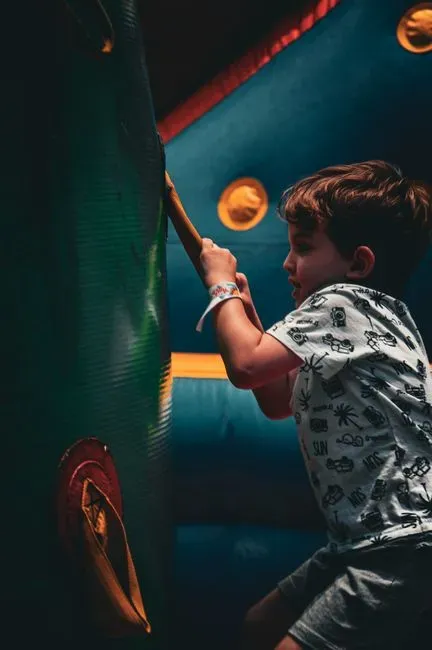
2. Inflatable bounce houses (Image Credits: Pexels)
Bounce houses feel like a party staple, cheerful, colorful, and seemingly low risk. Wind changes that equation more than most people realize. A study from the University of Georgia, published through the American Meteorological Society, found that wind has caused 479 bounce house-related injuries and 28 deaths since 2000.
What makes this especially unsettling for parents is that the danger does not require a storm. Researchers found that more than one out of every five bounce house incidents occurred with wind speeds lower than those deemed unsafe by ASTM standards, with over a third happening between 0 and 20 miles per hour. Add to that roughly 10,000 ER visits in the U.S. each year from bounce house-related accidents involving broken bones, sprains, and concussions, and it becomes clearer why some parents are opting for simpler party setups instead.
3. Youth tackle football

3. Youth tackle football (Image Credits: Unsplash)
Tackle football has faced sustained scrutiny for years, but the pace of parental opt-out has picked up recently. Concern centers on chronic traumatic encephalopathy, a degenerative brain condition tied to repeated head impacts, which researchers note can develop from starting tackle football at a young age, and has been linked with memory loss, depression, early-onset dementia and suicidality.
Several states, including California, Maryland, and Illinois, have introduced legislation aimed at restricting tackle football for younger age groups, though as of now that movement has not resulted in an actual ban taking effect. Meanwhile, participation trends tell their own story. Concerns about CTE have contributed to a major drop-off in participation across the country, with more children under 12 now playing flag football than the traditional tackle version. Not every family agrees on the risk calculus, and plenty of parents still defend tackle football's value, but the quiet migration toward flag leagues is hard to miss.
4. ATV and off-road riding

4. ATV and off-road riding (Image Credits: Pexels)
All-terrain vehicles look like harmless backyard fun, especially in rural areas where they double as everyday transportation. Medical experts increasingly disagree with that framing. The American Academy of Pediatrics has taken a firm stance, with its policy statement advising kids to stay off ATVs entirely, recommending that children under 16 should not ride or operate one.
The injury pattern explains the concern. Emergency physicians studying pediatric ATV cases describe children arriving with blunt injuries to the head, chest, or belly, or being pinned by the vehicle itself, and data shows more than 90% of deaths and injuries among ATV riders younger than 16 occurring under specific, preventable circumstances like riding without helmets or as passengers on adult-sized machines. Parents who grew up riding ATVs themselves are now the ones hesitating before handing the keys to their own kids.
5. Water beads and sensory play kits

5. Water beads and sensory play kits (wwarby, Flickr, <a href="https://creativecommons.org/licenses/by/2.0/" target="_blank" rel="noopener">CC BY 2.0</a>)
Marketed as calming, screen-free sensory toys, water beads seemed like an easy win for parents until the injury reports started piling up. The beads, which absorb liquid and expand dramatically, pose a hidden hazard when swallowed. Federal regulators note that ingested water beads can continue growing inside the body, causing serious complications, and can also pose a choking risk.
The scale of harm eventually forced regulatory action. The Consumer Product Safety Commission approved a new federal safety standard after finding that from 2017 to 2022, an estimated 6,300 water bead-related ingestion injuries were treated in U.S. emergency departments, with at least one reported death of a 10-month-old girl in 2023. Major retailers responded even before the rule was finalized, as Amazon, Target, Walmart and several other major retailers stopped selling water beads marketed to children amid safety concerns and pressure from regulators and advocacy groups.
6. High-powered magnet sets
6. High-powered magnet sets (Image Credits: Pexels)
Small, colorful, and stackable, high-powered magnet sets became a favorite desk toy and stress reliever for kids and teens alike. The problem surfaces when pieces get swallowed, sometimes more than one at a time. Because these magnets are far stronger than typical refrigerator magnets, they can attract each other through intestinal walls once inside the body, pinching tissue and causing perforations, blockages, or worse.
This is not a new concern, but it has resurfaced repeatedly as products reenter the market under different branding after previous recalls. Pediatric surgeons have long flagged magnet ingestion as one of the more surgically complicated cases they encounter, precisely because the damage can occur silently before symptoms appear. Many parents who once saw these as harmless fidget toys for older siblings now keep them out of the house entirely if younger children are around.
7. Toys and gadgets with exposed button batteries
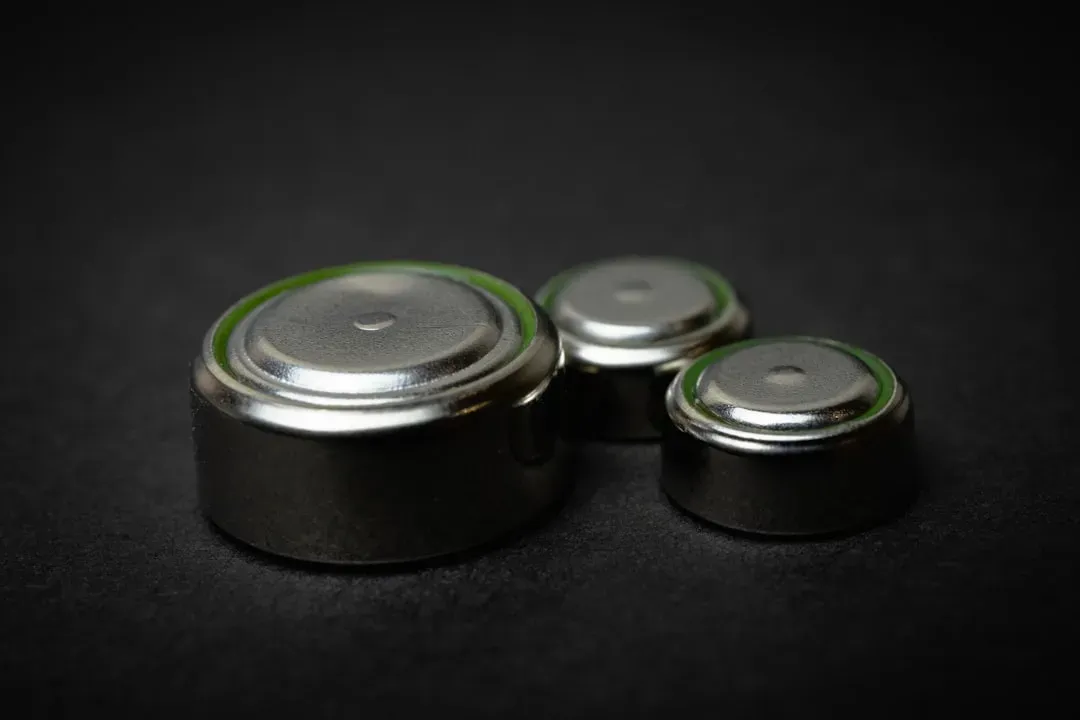
7. Toys and gadgets with exposed button batteries (Image Credits: Unsplash)
Button batteries power everything from musical greeting cards to remote controls to certain toys, and their small, coin-like shape makes them dangerously easy for toddlers to mistake for something edible. The damage they cause is not simple choking. Medical researchers explain that there has been a dramatic rise in severe injuries involving children who ingest button batteries, and injury can occur rapidly even when children appear asymptomatic at first.
The chemistry is what makes this hazard so severe. Once lodged in the esophagus, a battery can generate an electrical current that burns through tissue, and in the worst outlined cases, the battery can erode into the aorta resulting in massive hemorrhage and death. Studies tracking ER visits found that ingested batteries pose a serious risk of burning through a child's esophagus, with ingestions accounting for 90 percent of battery-related ED visits. Parents of toddlers have become noticeably more vigilant about checking which household items use these batteries and whether the compartments are properly secured.
8. Hoverboards and lithium-battery ride-ons
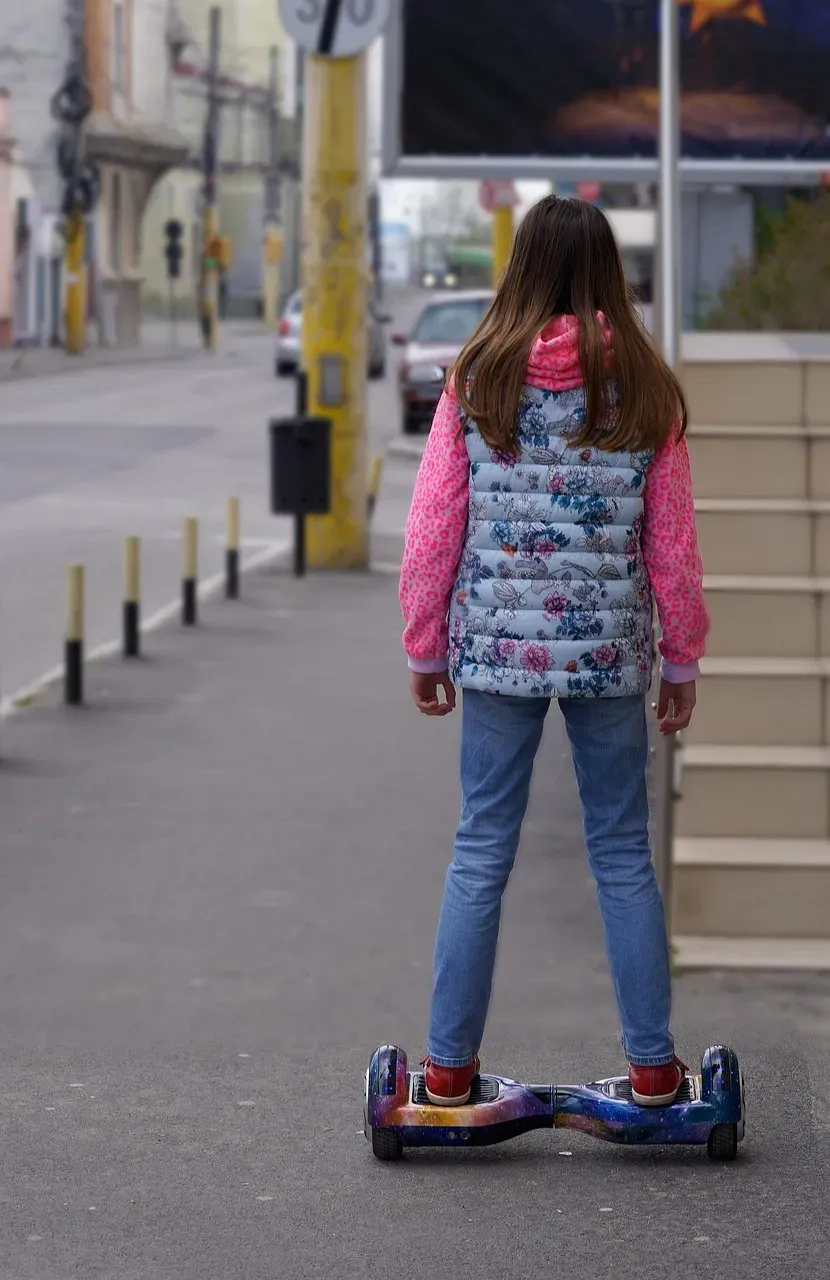
8. Hoverboards and lithium-battery ride-ons (Image Credits: Pixabay)
Hoverboards, electric scooters, and battery-powered ride-on toys share a common risk that has little to do with falls or collisions. Lithium-ion battery packs, particularly in cheaper or uncertified products, have been linked to overheating and fires, sometimes without warning and sometimes while charging overnight in a child's bedroom. Fire officials and product safety investigators have documented numerous incidents over the past several years involving exactly this kind of failure.
The appeal of these gadgets for kids is obvious, they are fast, fun, and trendy. Still, the fire risk has pushed some parents toward stricter rules, such as only charging these devices in a garage or under direct supervision, or avoiding off-brand versions entirely in favor of products that carry independent safety certification. It is a quieter shift than a full ban, but it reflects the same underlying caution showing up across this list.
9. Unsupervised play at aging public playgrounds

9. Unsupervised play at aging public playgrounds (Image Credits: Unsplash)
Public playgrounds remain a childhood staple, but not every structure has kept pace with modern safety design. Older equipment, particularly metal climbing structures, high monkey bars, and merry-go-rounds installed decades ago, tends to sit above harder surfacing than current guidelines recommend, and falls from height remain one of the most common causes of playground-related emergency room visits nationwide.
Parents are not necessarily avoiding playgrounds altogether, but many have become more selective about which ones they choose, favoring newer parks with rubberized surfacing and lower equipment heights over older neighborhood staples. It is a low-key form of risk management, one that involves scouting a playground before letting kids loose rather than assuming every swing set and slide meets the same standard.
Final thoughts
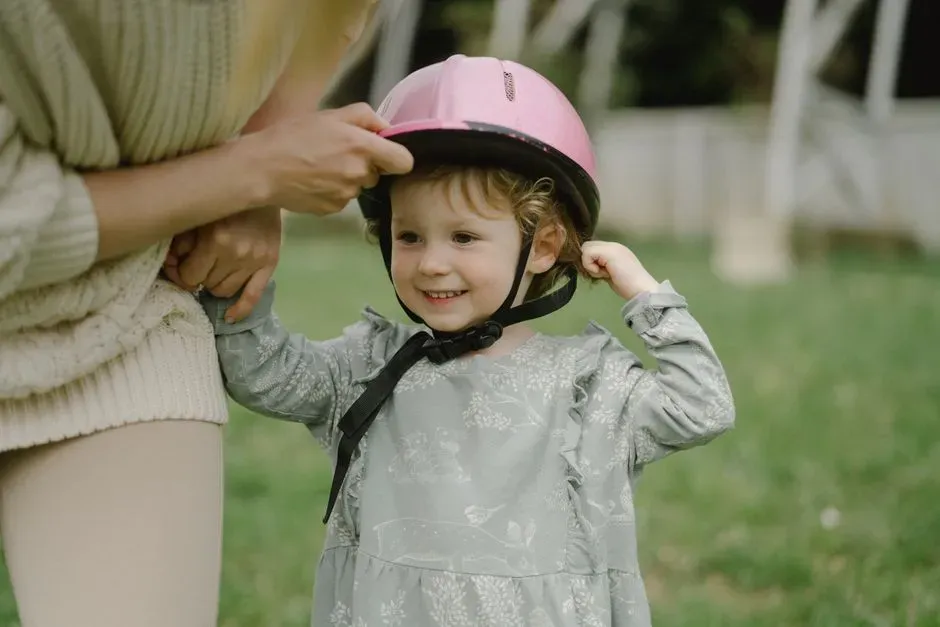
Final thoughts (Image Credits: Pexels)
None of this means childhood needs to become risk-free, and most pediatric safety experts would say that is neither possible nor desirable. Kids need some scraped knees and a bit of manageable risk to build confidence and judgment. What is changing is the information available to parents, recall notices, injury data, medical research, and that information is making its way into everyday decisions in ways that used to depend more on instinct or tradition.
The activities on this list are not disappearing, and most still have their defenders and their fans. What is happening instead is a slow, individual sorting process, where families weigh actual data against nostalgia or convenience, and increasingly land somewhere a little more cautious than they might have a decade ago.