
Every household has a running list of things that seem destined for the trash the moment they lose their original purpose. Yet plenty of professionals who work in kitchens, workshops, and repair shops for a living see it differently. They tend to hang onto items that most of us toss without a second thought, often because those same items solve small problems before they become expensive ones.
What follows isn’t about hoarding or turning a home into a storage unit. It’s about recognizing genuine value in things that get discarded out of habit rather than necessity, based on how tradespeople, cleaning professionals, and home organizers actually use them.
1. Cooking oil and grease
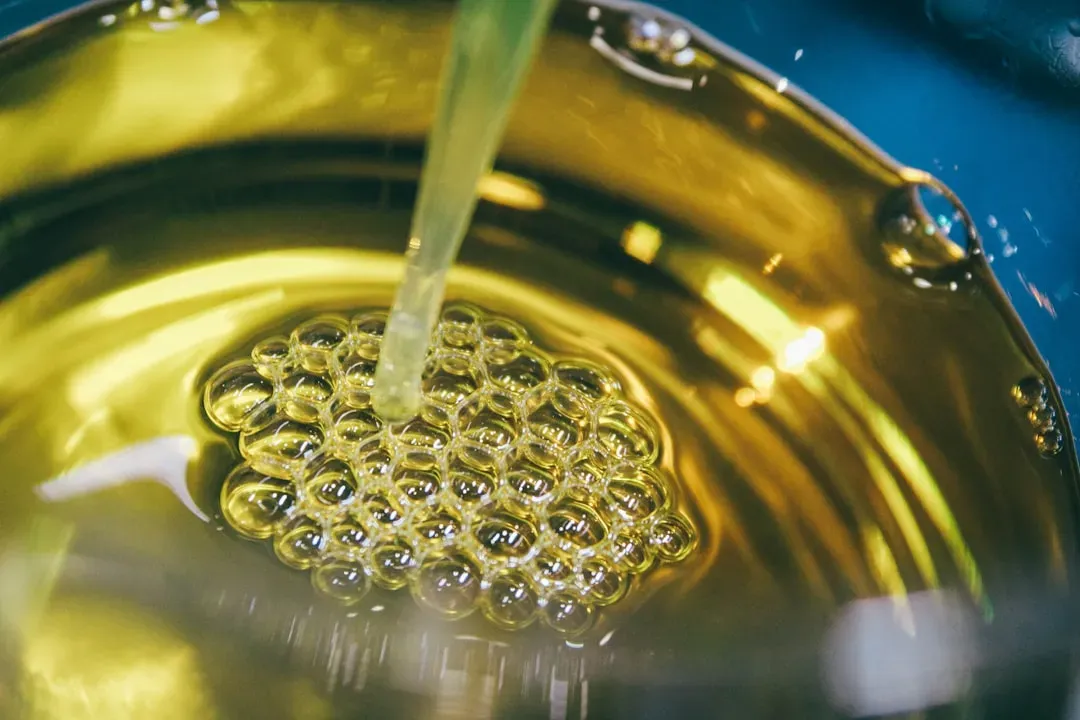
1. Cooking oil and grease (Image Credits: Unsplash)
Pouring used cooking oil down the drain is one of the most common plumbing mistakes homeowners make, and it's also one of the easiest to avoid. Oil cools and solidifies inside pipes, gradually narrowing them until a clog forms, sometimes far enough down the line that a simple plunger won't fix it. Municipal water departments across the country regularly cite grease buildup as a leading cause of sewer backups in residential neighborhoods.
Instead of tossing it, many home cooks let used oil cool, strain it, and reuse it a few more times for frying before disposing of it properly in a sealed container. Some communities even have oil recycling drop-off points, since used cooking oil can be converted into biodiesel. Keeping a dedicated jar under the sink for this purpose costs nothing and saves a potential plumbing bill down the road.
2. Glass jars

2. Glass jars (Image Credits: Pexels)
Glass jars from pasta sauce, jam, or pickles get rinsed out and thrown into recycling almost automatically, but plenty of organizers argue that's a missed opportunity. These containers are sturdy, airtight, and free, which makes them useful for storing dry pantry goods, leftover paint, nails and screws, or homemade cleaning solutions. Unlike plastic containers, glass doesn't absorb odors or stain from things like tomato sauce or turmeric.
Professional organizers often point out that a shelf of labeled glass jars looks cleaner and more intentional than mismatched plastic tubs. They're also freezer safe when left with room for expansion, making them a practical option for storing soups or sauces in bulk. A handful saved from the recycling bin each month can replace a surprising number of store bought containers over time.
3. Old toothbrushes
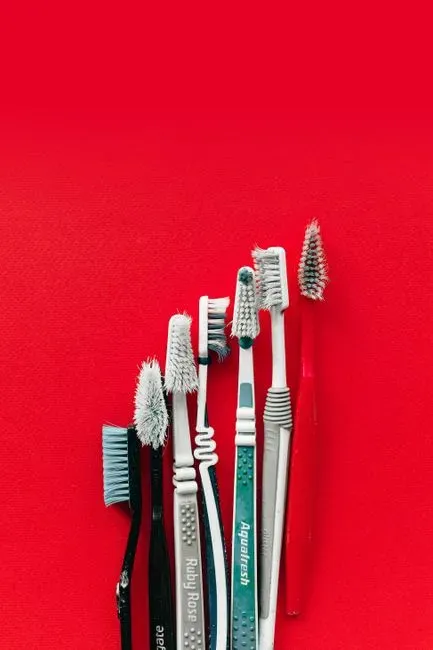
3. Old toothbrushes (Image Credits: Pexels)
Dentists recommend replacing a toothbrush every three to four months, which means most households generate a steady supply of "expired" ones. Rather than throwing them out, cleaning professionals frequently reach for old toothbrushes to scrub grout lines, faucet bases, shoe soles, and other tight spots that a sponge can't reach. The stiff bristles are ideal for detail work that would otherwise require a specialty brush.
They're particularly useful for cleaning around stove knobs, keyboard crevices, and the tracks of sliding doors and windows, areas where dust and grime tend to accumulate unnoticed. A quick rinse and a dab of dish soap is usually all it takes to repurpose one. Keeping two or three in a cleaning caddy means never having to buy a specialty detail brush again.
4. Extra buttons and fabric scraps
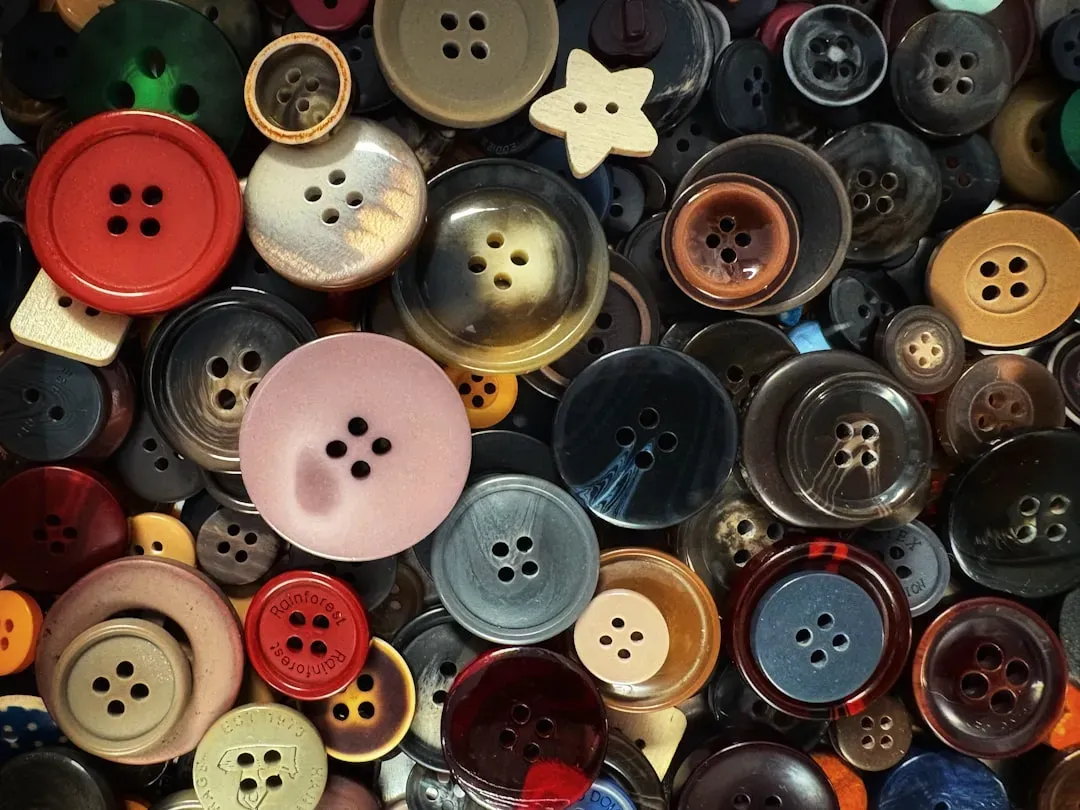
4. Extra buttons and fabric scraps (Image Credits: Unsplash)
Clothing often comes with a small spare button sewn onto an inside seam or tag, and most people either lose it or throw it away with the tags. Tailors and home sewers keep these because buttons are one of the most commonly lost items on shirts, coats, and jackets, and matching a replacement exactly can be surprisingly difficult once a garment is a few years old. A small tin or jar of assorted buttons solves that problem instantly.
The same logic applies to fabric scraps left over from hemming pants or altering curtains. These pieces work well for patching small tears, testing dye colors, or making simple repairs without buying new material. A modest sewing kit stocked with saved buttons and scraps can handle the majority of everyday clothing repairs without a trip to the store.
5. Silica gel packets
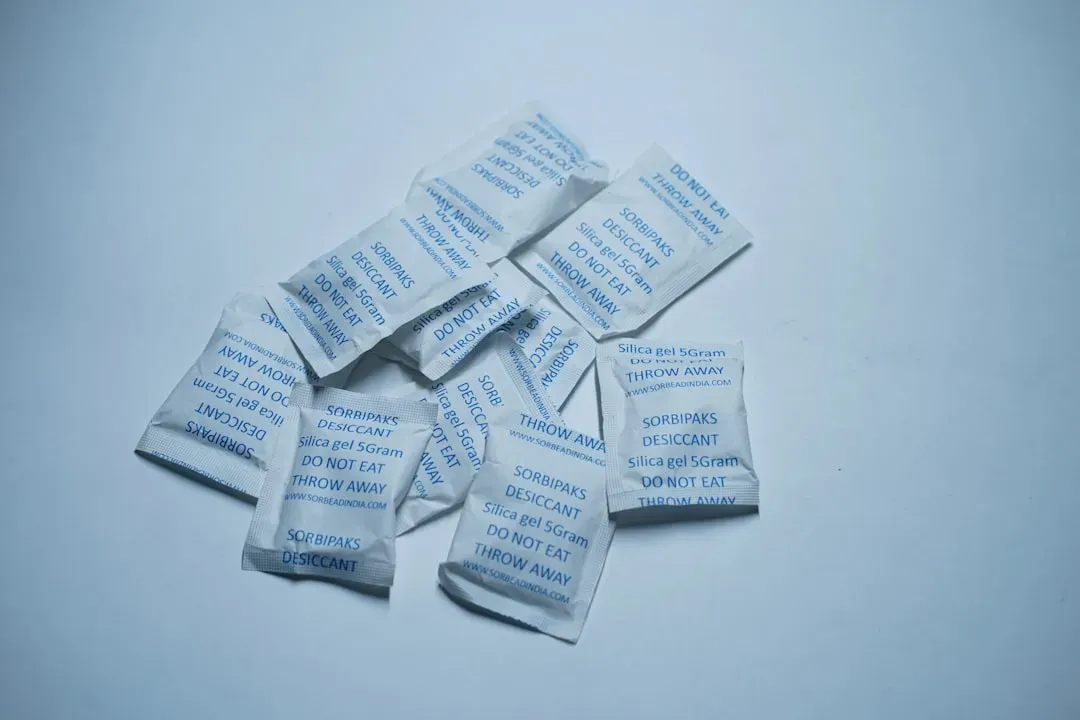
5. Silica gel packets (Image Credits: Unsplash)
Those small packets labeled "do not eat" that come tucked into shoeboxes, vitamin bottles, and electronics packaging get thrown away almost reflexively. Silica gel is a desiccant, meaning it absorbs moisture from the air, and that property doesn't expire just because the original packaging is gone. Home organizers often collect them in a small bag and toss a few into places prone to dampness.
Common spots include gym bags, camera cases, toolboxes, and drawers where humidity can cause rust or mildew. They're also useful for slowing moisture damage to old photographs or important documents stored in boxes. A single packet won't do much on its own, but a saved collection of a dozen or more can genuinely extend the life of items sensitive to humidity.
6. Wine corks
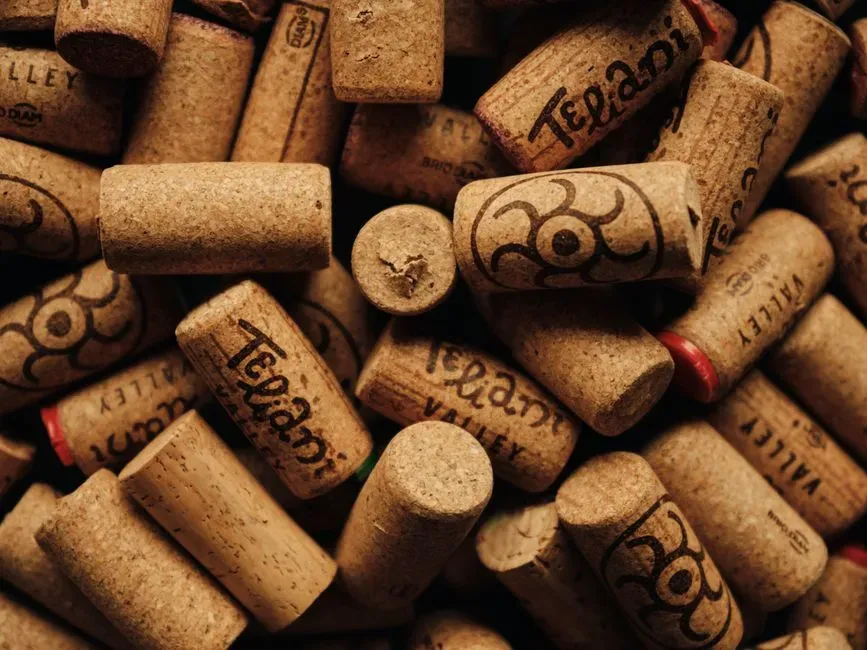
6. Wine corks (Image Credits: Pexels)
Natural wine corks are made from cork oak bark, a renewable material with a cellular structure that gives it useful properties beyond sealing a bottle. Its natural grip and cushioning make it a practical material for small household fixes rather than something to toss after opening a bottle. A cork sliced in half makes an effective coaster feet replacement or a way to keep a cutting board from sliding on a countertop.
They're also handy for sharpening scissors, since a few passes through a cork can help remove the sticky residue left behind by tape or gardening use, though this doesn't sharpen a truly dull blade. Gardeners sometimes use crushed cork mixed into potting soil to improve drainage. For anyone who goes through a bottle or two a week, a jar of saved corks accumulates useful material faster than expected.
7. Dryer lint
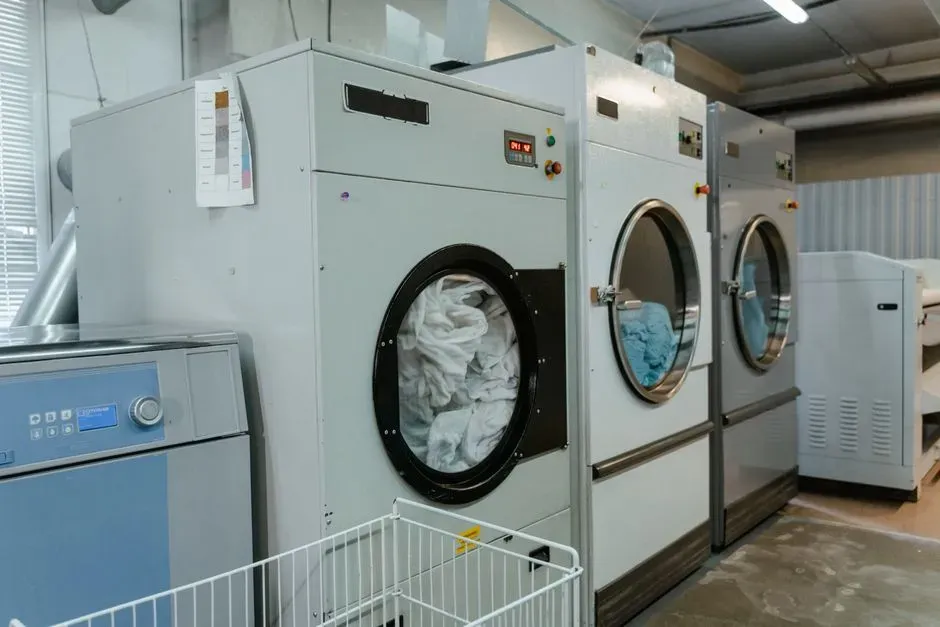
7. Dryer lint (Image Credits: Pexels)
Dryer lint feels like pure waste, the fuzzy byproduct of doing laundry that gets peeled off the trap and dropped in the trash without much thought. Fire safety officials do stress that lint should always be cleared from the trap and vent regularly, since the U.S. Fire Administration has identified failure to clean dryers as a leading cause of home dryer fires. But the lint itself, once removed, has a second life before it needs to go anywhere near a landfill.
It's highly flammable in a controlled way, which makes it a genuinely effective fire starter for camping trips or backyard fire pits when stuffed into a toilet paper roll or egg carton. Some gardeners also use small amounts mixed into compost, since it's typically made of cotton and other natural fibers, though synthetic fabric blends reduce how compostable it actually is. A small container kept near the dryer, separate from what goes down the vent, turns a fire hazard into camping gear.
8. Broken or mismatched hardware
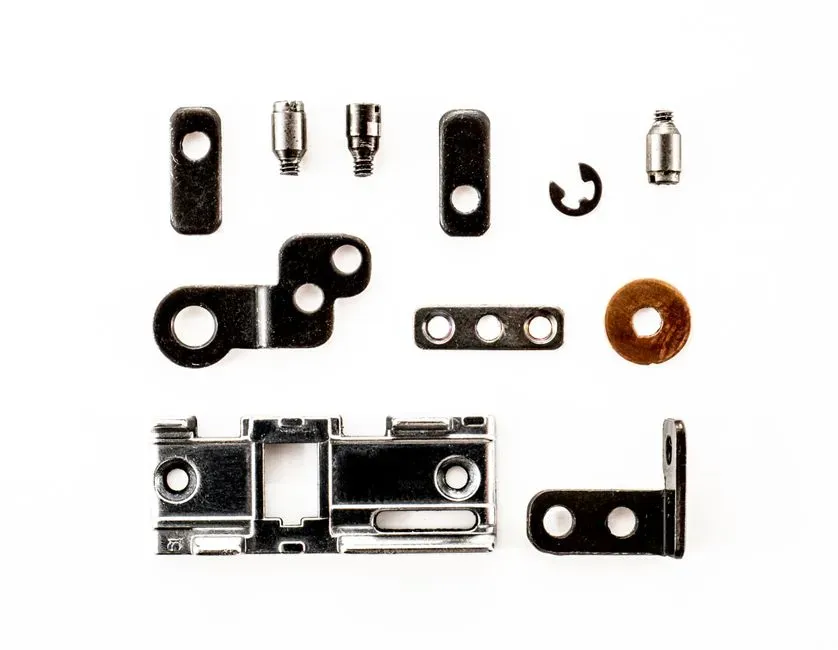
8. Broken or mismatched hardware (Image Credits: Pexels)
Loose screws, orphaned cabinet knobs, and bent hinges tend to get swept into the trash the moment a piece of furniture is repaired or replaced, but handymen and DIY repair experts almost never do this. Hardware fails or goes missing again eventually, and having a small stash of spare screws, hinges, and brackets on hand means a repair can happen in minutes instead of requiring a store run. This is especially true for older furniture, where matching a specific screw size or thread pattern from a hardware store aisle isn't always straightforward.
A simple labeled box or repurposed tackle box works well for sorting hardware by type and size, so the collection stays useful rather than becoming a junk drawer. Even mismatched or slightly bent pieces can serve as temporary fixes until a proper replacement is found. Professional contractors often keep similar bins on job sites for exactly this reason, since small hardware failures are common and rarely worth a dedicated shopping trip.
None of these habits require much space or effort, just a slightly different instinct at the moment something would otherwise hit the trash can. A jar here, a small tin there, and a household ends up better equipped for the countless minor repairs and messes that come up over time.