
Walk into any grocery store and you'll find aisles built entirely around convenience: pre-shredded, pre-cut, pre-mixed, ready to toss straight into a pan or bowl. Professional chefs shop the same stores as everyone else, yet a surprising number of them skip certain sections entirely. Their reasons range from food safety concerns to simple flavor loss, and once you hear the logic, it's hard to unsee it the next time you're standing in the dairy aisle.
1. Pre-shredded cheese
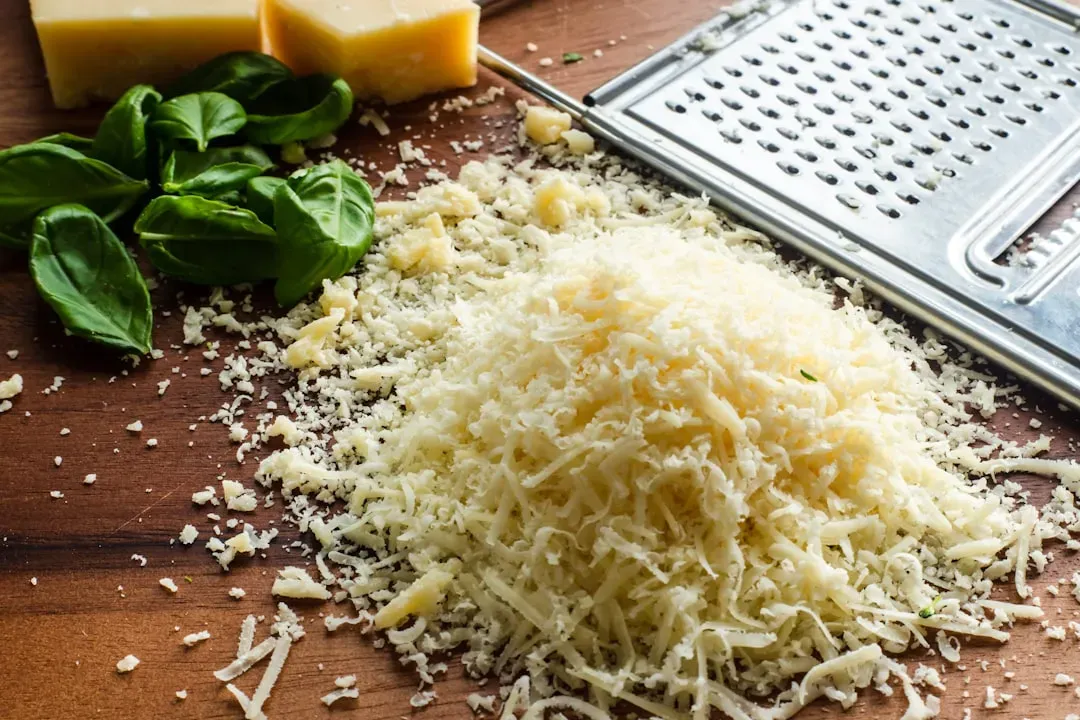
1. Pre-shredded cheese (Image Credits: Unsplash)
Bagged shredded cheese looks harmless enough, but most brands rely on anti-caking agents to keep the strands from clumping together in the bag. Pre-shredded cheese often contains anti-caking agents like cellulose, corn starch, tapioca starch or potato starch. Cellulose in particular tends to raise eyebrows once people learn where it comes from.
It's a purified plant fiber that comes from wood pulp, cotton, corn, soybeans and other vegetable byproducts. It's not dangerous, but it does interfere with performance in the kitchen. Most pre-shredded cheeses are coated with anti-caking additives to prevent clumping, and while these don't alter the taste and are safe to consume, they can affect texture and melting quality, making freshly grated cheese the gold standard for cooking.
2. Bottled salad dressing
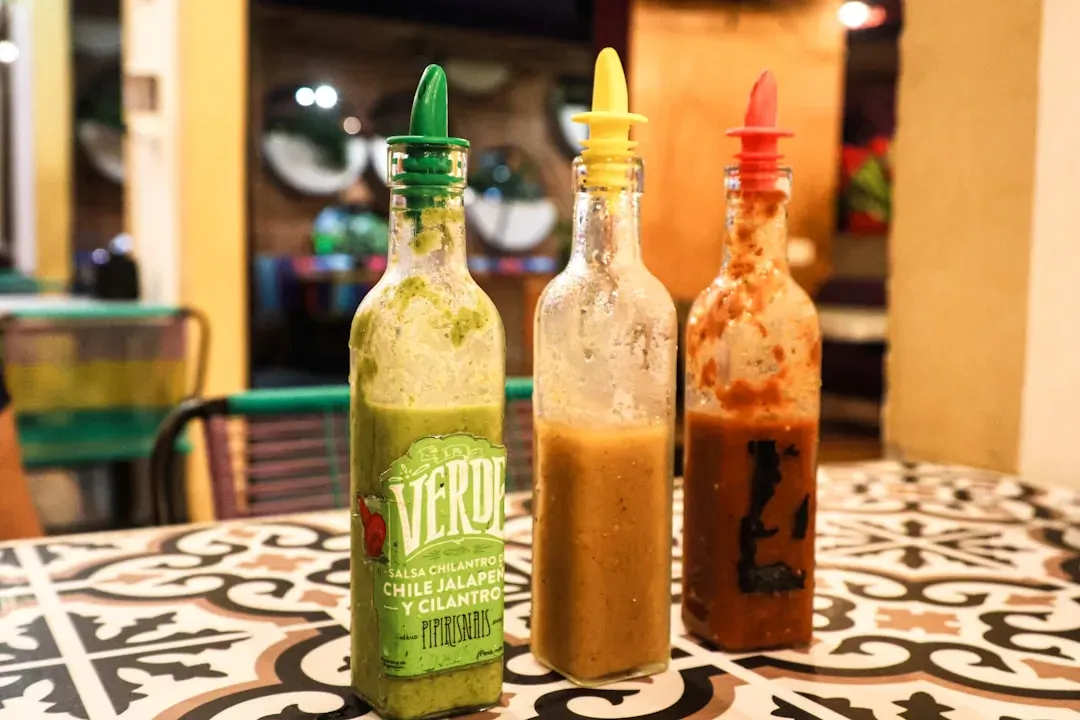
2. Bottled salad dressing (Image Credits: Unsplash)
Chefs tend to be blunt about this one. Making a vinaigrette or creamy dressing takes minutes, and the payoff in flavor is significant. Part of the reason is how simple they are to make: "Whether you want a vinaigrette or creamy dressing, throwing together a tasty salad dressing is a snap and leaves so much room for creativity," with something as basic as "Lemon and olive oil" as a starting point.
Beyond convenience, there's a texture and taste issue that keeps coming up among professionals. "A good salad dressing goes a long way so I'd always rather make it myself," says one chef, adding, "I can't stand premade salad dressings pretty much across the board. They always leave a weird aftertaste, I assume from preservatives." Once you taste a fresh version side by side with a bottled one, the difference is hard to ignore.
3. Jarred pesto
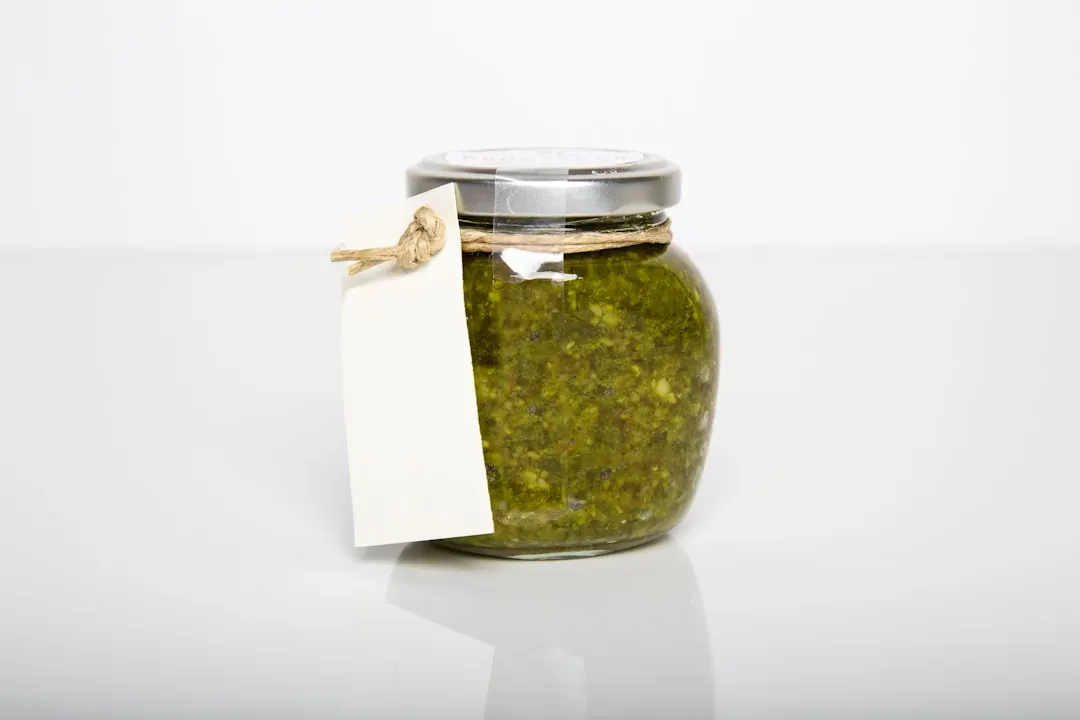
3. Jarred pesto (Image Credits: Unsplash)
Pesto is another product chefs routinely pass over, mostly because it's so quick to make from scratch that buying it feels unnecessary. One chef noted that pesto was one of the products she never buys at the grocery store, explaining, "Pesto is 100% better homemade and you can make it in a flash." Basil, pine nuts, garlic, olive oil, and parmesan blitzed together take barely longer than opening a jar.
The jarred version, by contrast, is designed for shelf stability rather than peak flavor. That usually means more oil, less fresh basil aroma, and a flatter overall taste. It's a small swap, but one that chefs say pays off every single time it's used in a recipe.
4. Peeled or jarred garlic
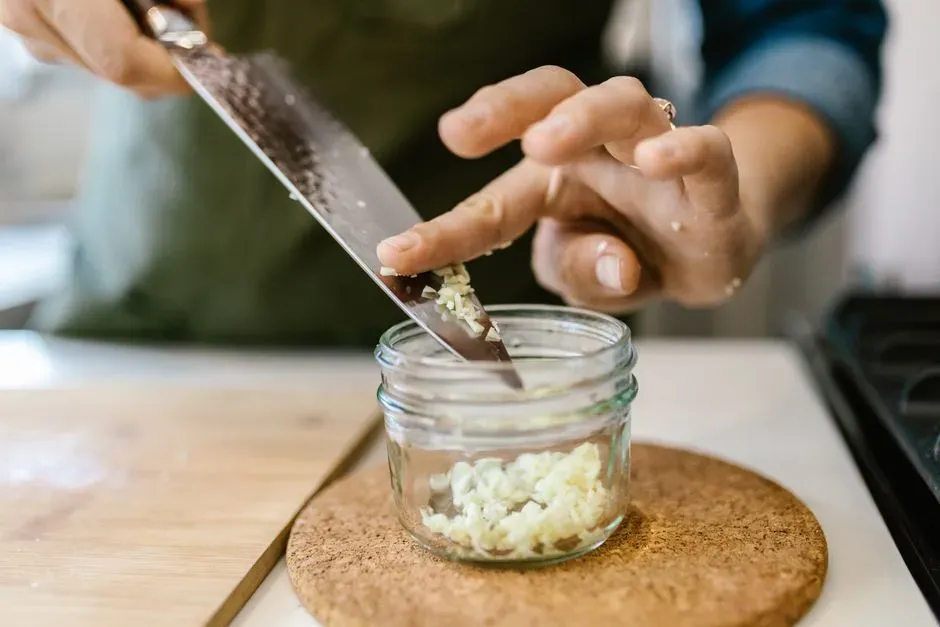
4. Peeled or jarred garlic (Image Credits: Pexels)
Few ingredients get more consistent pushback from professional cooks than pre-peeled garlic and the chopped garlic sold in jars. "I refuse to buy peeled garlic. I know it's a huge convenience, but I cannot stand the way it smells," says one chef and restaurant partner in New York, adding, "I don't buy it for my home or my restaurant. I think it starts to ferment, and for me that smell just lingers."
Other chefs echo the same complaint about convenience garlic products more broadly. "I would never buy chopped garlic in a jar, or any herb purees sold in a tube," one chef explains, noting "these things can be purchased fresh and are readily available, at both the supermarket and a farmer's market." Whole cloves cost less per ounce anyway, and the smell and bite of freshly minced garlic simply isn't replicated once it's been sitting peeled or chopped in liquid for weeks.
5. Pre-cut cantaloupe
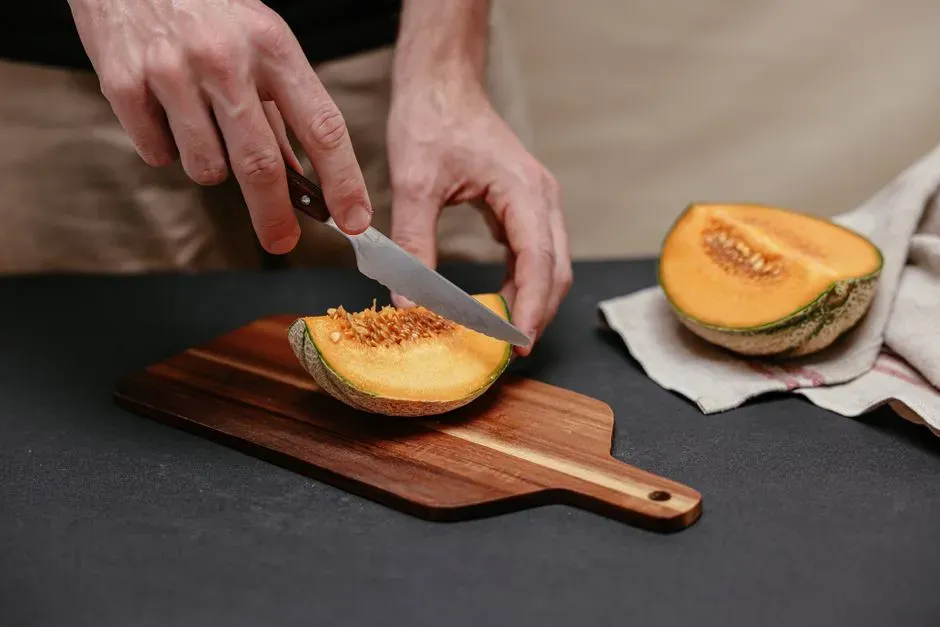
5. Pre-cut cantaloupe (Image Credits: Pexels)
This one is less about flavor and more about genuine food safety risk. Cantaloupe's rind is notoriously difficult to clean thoroughly, and its flesh has a chemistry that works against safety once it's exposed. Cantaloupe is one of the fruits that's best bought whole because its near-neutral pH creates an unusually hospitable environment for harmful bacteria to grow, unlike high-acid fruits like pineapple or citrus, which offer pathogens little resistance.
What makes this especially worth noting is that refrigeration doesn't fully solve the problem. "Listeria is a pathogen that can grow even at refrigerator temperatures," making it one of the few pathogens that can multiply in the cold. Combine that with a rough, hard-to-sanitize rind and you get a fruit where buying it whole and cutting it yourself right before eating is genuinely the safer choice.
6. Bagged salad greens
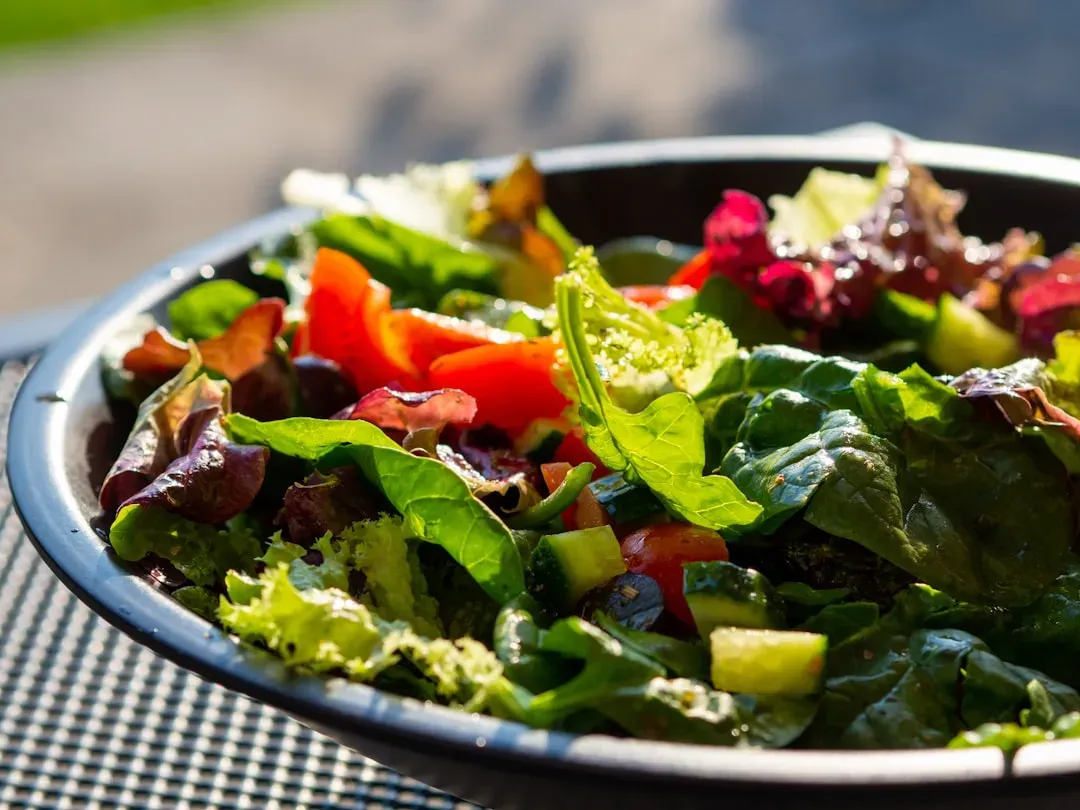
6. Bagged salad greens (Image Credits: Unsplash)
Bagged lettuce and salad mixes are marketed as clean and ready to eat, but the way they're produced can work against that promise. Being "triple-washed" typically means you're unlikely to encounter grit and often don't need to wash the greens before eating, but leafy greens are often cleaned together in large quantities after harvest, which can spread microbial contamination from a single head or leaf to the entire batch. Chopping compounds the risk further.
Food safety researchers point specifically to the cutting process as a vulnerability. "When romaine is chopped, repeated cutting through multiple layers of leaves creates more opportunities for bacteria to spread from one surface to another," one food safety scientist notes. It's part of why bagged greens have shown up repeatedly in recall notices over the past several years, and why some chefs and food safety experts recommend buying whole heads instead and washing and cutting them yourself right before serving.
7. Pre-made deli salads and prepared foods
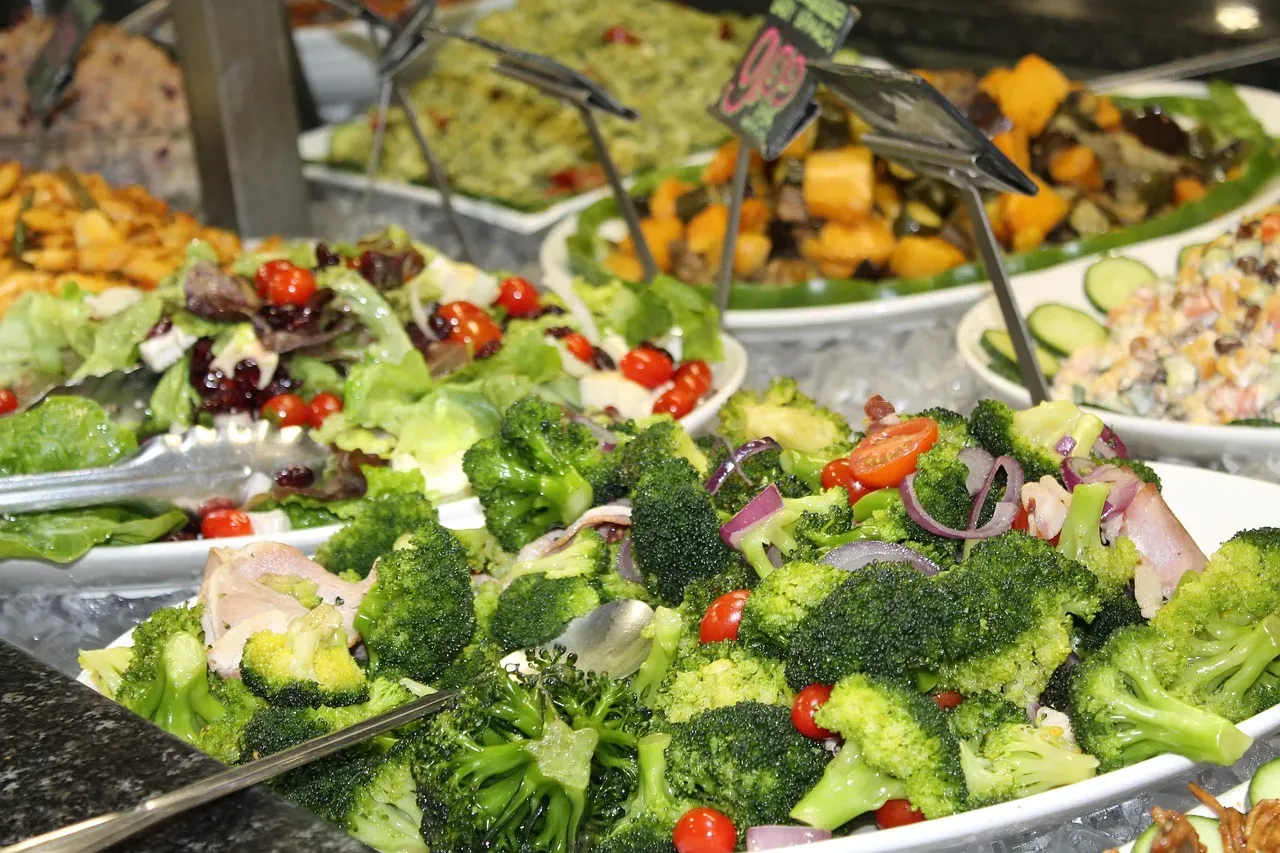
7. Pre-made deli salads and prepared foods (Image Credits: Pixabay)
The chilled deli case, stocked with pasta salads, chopped salads, and grain bowls, is another spot chefs tend to bypass. The main complaint is freshness, since these items are often prepared well ahead of when they're sold. "Pre-made salads often sit out for long periods and lose freshness," one chef explains, noting that while fresh salads are vibrant, store-bought versions lose that edge.
That said, not all prepared sections are created equal. Items found in supermarket delis and salad bars can be quite good, but ones from the chiller often lack flavor, and you generally get "better quality and taste" by making them at home. If a scratch kitchen or in-house deli is doing the prep on-site, quality tends to hold up far better than mass-produced, pre-packaged versions sitting in plastic containers.
Shopping with a chef's eye

Shopping with a chef's eye (Image Credits: Unsplash)
Most of these warnings share a common thread: convenience products almost always trade something away, whether that's melt quality, food safety margin, or straightforward flavor. None of this means these items are dangerous to keep buying if they fit your routine. It just means that when time allows, reaching for the whole ingredient and doing the extra step yourself tends to be the choice professional cooks make in their own kitchens too.