
Walk into a professional kitchen in 2026 and you might notice something missing from the pantry shelf. It’s not always dramatic. Sometimes it’s just a quiet swap, a different bottle of oil, a different bag of salt, a different cut of fish on ice.
These changes rarely make headlines on their own, but taken together they reveal something bigger about where professional cooking is heading. Chefs are rethinking staples they once used without a second thought, trading them for ingredients that better match new ideas about flavor, health, and sourcing. Here’s a look at what’s being phased out, and what’s taking its place.
1. Seed oils are losing ground to beef tallow and olive oil
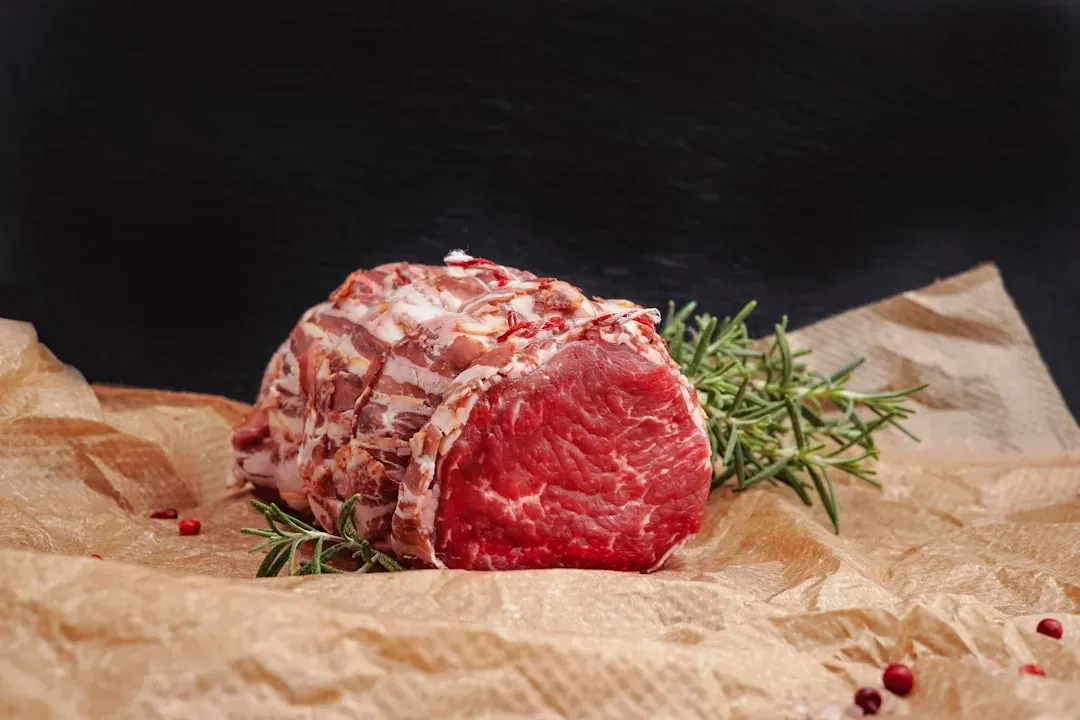
1. Seed oils are losing ground to beef tallow and olive oil (Image Credits: Unsplash)
For decades, canola, sunflower, and soybean oil sat in nearly every restaurant kitchen without question. That's changing fast. Since the late 1990s, seed oils have dominated most commercial kitchens, largely replacing higher-fat ingredients like margarine and lard because they were praised for being lower in trans fats and having a higher smoke point.
Now the pendulum is swinging back. Chef Daniel Humm of Eleven Madison Park announced that his team would be replacing seed oil with algae oil, and he's far from alone. More chefs and consumers are now favoring traditional fats like olive oil, avocado oil, coconut oil, beef tallow, and ghee, citing potential benefits for flavor, digestion, and overall health. Even fast-casual chains are joining in. True Food Kitchen, with 47 U.S. locations, undertook a comprehensive overhaul of its ingredient list to eliminate seed oils, going so far as to replace dried cranberries that contained seed oil with cleaner alternatives.
2. Processed plant-based meat is giving way to whole pulses and legumes
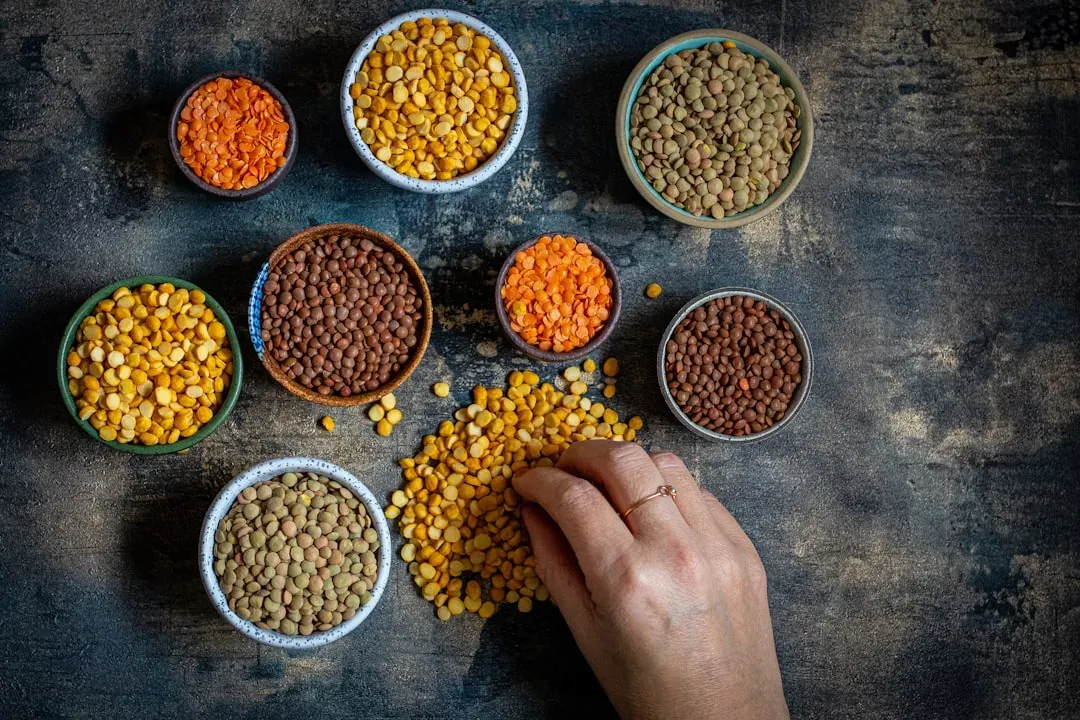
2. Processed plant-based meat is giving way to whole pulses and legumes (Image Credits: Unsplash)
A few years ago, plant-based burgers and sausages felt like the future of restaurant menus. That momentum has cooled considerably. After years of buzz around lab-engineered alternatives such as Beyond Meat, the momentum behind plant-based meat and seafood has noticeably leveled off.
In place of those heavily processed substitutes, chefs are turning to something far simpler. Protein-rich ingredients such as beans, lentils, chickpeas, and heritage pulses are taking center stage, with traditional roots and a whole lot of versatility and culinary depth to offer. Even on the plate itself, small swaps are showing up everywhere. Chefs may swap rice for lentil varieties or replace croutons with protein-packed cheese crisps.
3. Farmed Atlantic salmon is stepping aside for Arctic char and trout
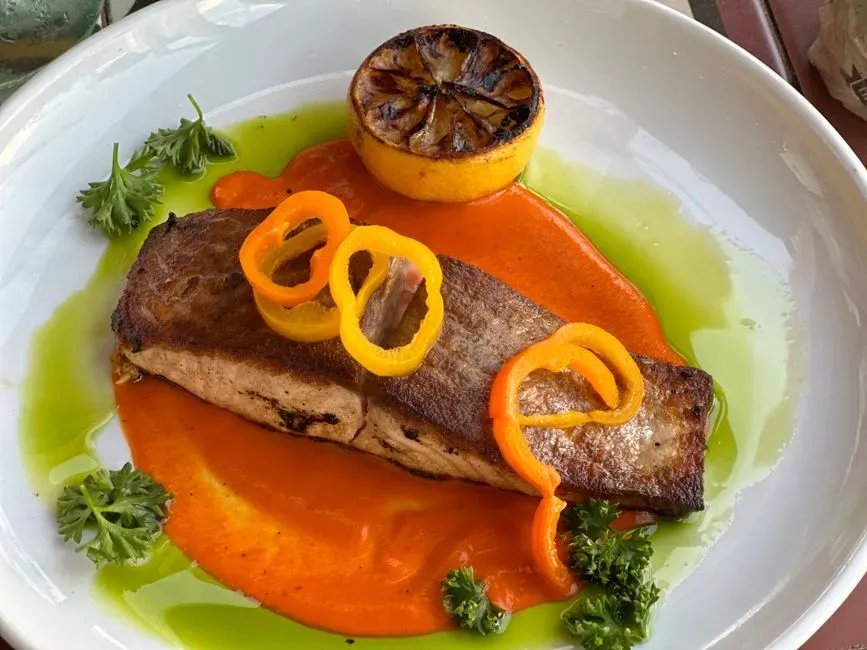
3. Farmed Atlantic salmon is stepping aside for Arctic char and trout (Image Credits: Pexels)
Farmed salmon has been a menu constant for years, but a growing number of well-known chefs are pulling it entirely. Renowned chefs like Alice Waters, Francis Mallmann, and Dan Barber are leading a coalition called Off the Table to remove ocean-farmed salmon from menus, citing pollution, disease spread, and a decline in wild Atlantic salmon since the 1970s. In January 2025, The Guardian noted that the number of chefs and restaurants supporting Off the Table more than doubled to over 300 in the past year.
Arctic char has emerged as the leading substitute. Arctic char is highly adaptable to controlled environments, making it ideal for aquaculture, with current farming methods using flow-through tanks that have little impact on local water sources, and it appeals to chefs and consumers alike with a rich, buttery texture and mild flavor. Trout is getting similar attention. At the Michelin-starred restaurant Behind in East London, Chef Andy Beynon described trout as a more sustainable option with a much better fat content, noting that although the meat itself is quite lean, it has a really good fat content around the outside.
4. White refined sugar is being replaced by seasonal, flavorful sweeteners
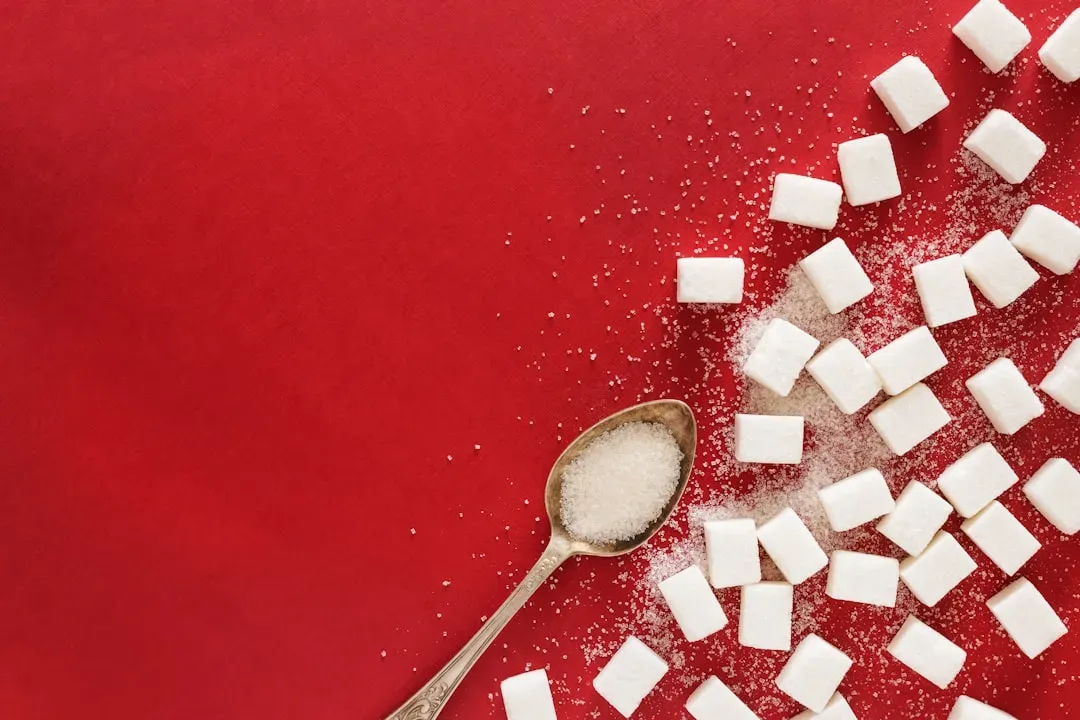
4. White refined sugar is being replaced by seasonal, flavorful sweeteners (Image Credits: Unsplash)
Pastry kitchens have long relied on plain white sugar for consistency. Some are now questioning that habit. At Gramercy Tavern, pastry chef Miro Uskokovic decided to overhaul the way he used sugar in his kitchen. With the support of executive chef Michael Anthony, the restaurant replaced all its refined sugars and corn syrup with non-GMO and organic white, brown, and powdered sugars, from the savory and pastry kitchens down to the bar and coffee menus.
The reasoning goes beyond nutrition. White sugar is stripped of everything and is just sweet, according to Uskokovic, who found that health was only his secondary focus, with exploring a range of sugars with all kinds of flavors mattering even more. The result is a rotating cast of sweeteners. These days at Gramercy Tavern, the sugar selection rotates with the seasons, with coconut sugar bolstering the flavor of coconut custards in summer.
5. Refined flour and white rice are losing shelf space to whole grains
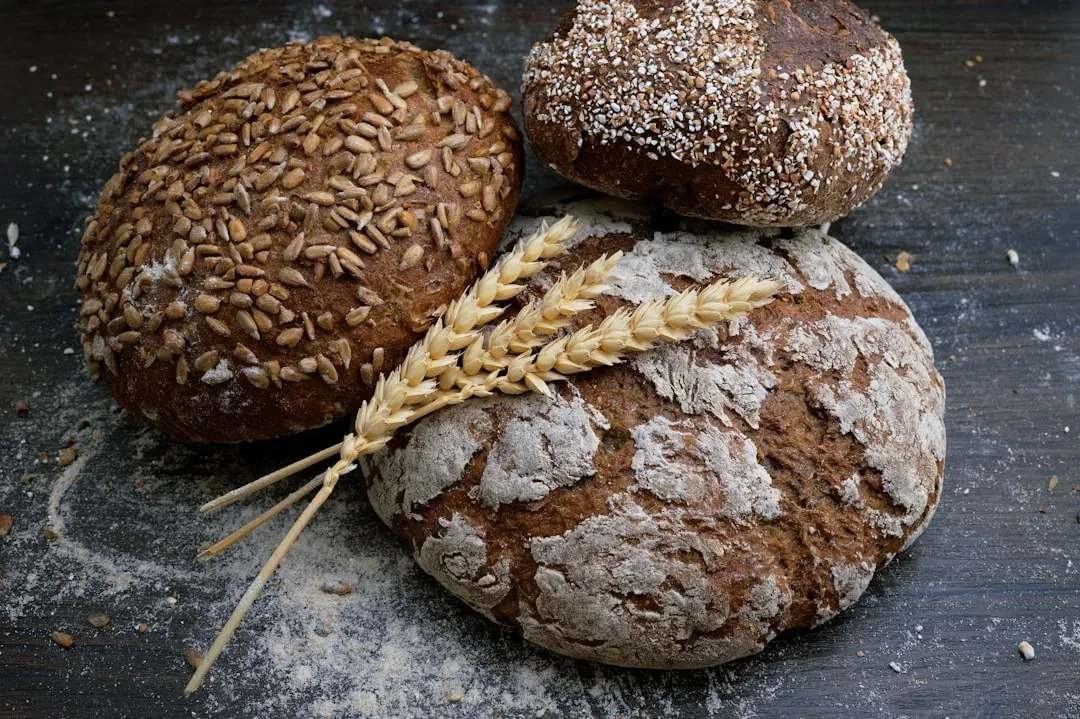
5. Refined flour and white rice are losing shelf space to whole grains (Image Credits: Unsplash)
Bread baskets and rice bowls are looking a little different lately. Nutrition-minded chefs are steering away from the pale, stripped-down staples that once dominated menus. The shift means swapping white and refined ingredients for chewy and complex ones, letting beans, lentils, barley, and buckwheat take up more real estate at meals.
The appeal isn't purely about health messaging either. Pulses like lentils, chickpeas, and black beans add plant protein and prebiotic fiber to everyday dishes, while whole grains such as quinoa, oats, farro, and brown rice help stabilize blood sugar. For chefs, these grains also bring texture and nuttiness that refined starches simply can't match, which makes the swap as much a flavor decision as a nutritional one.
6. Plain iodized table salt is being pushed out by kosher and provenance salts

6. Plain iodized table salt is being pushed out by kosher and provenance salts (Image Credits: Flickr)
Salt might seem like the last place you'd expect a quiet revolution, but professional kitchens have largely moved on from the fine-grained shaker salt found in most home pantries. Kosher salt has long been a restaurant favorite, ideal for flavoring any dish due to its flakiness and larger crystal size, since regular iodized salt has small, tiny crystals that make it easy to oversalt a dish, while kosher salt gives cooks more control over how much goes into a dish.
The reasoning goes beyond texture control. Diamond Crystal Kosher Salt is pure, meaning it contains no additives like iodine or anti-caking agents, and the salt draws out moisture, which deeply seasons meat, resulting in a superior sear and richer flavor. There's also a growing appetite for salt with a story attached. Whether it's heirloom tomatoes grown on a family farm or sea salt harvested from a specific coastal region, the story behind the ingredient adds depth and meaning to the dining experience.
7. Prime cuts alone are giving way to whole-animal cooking
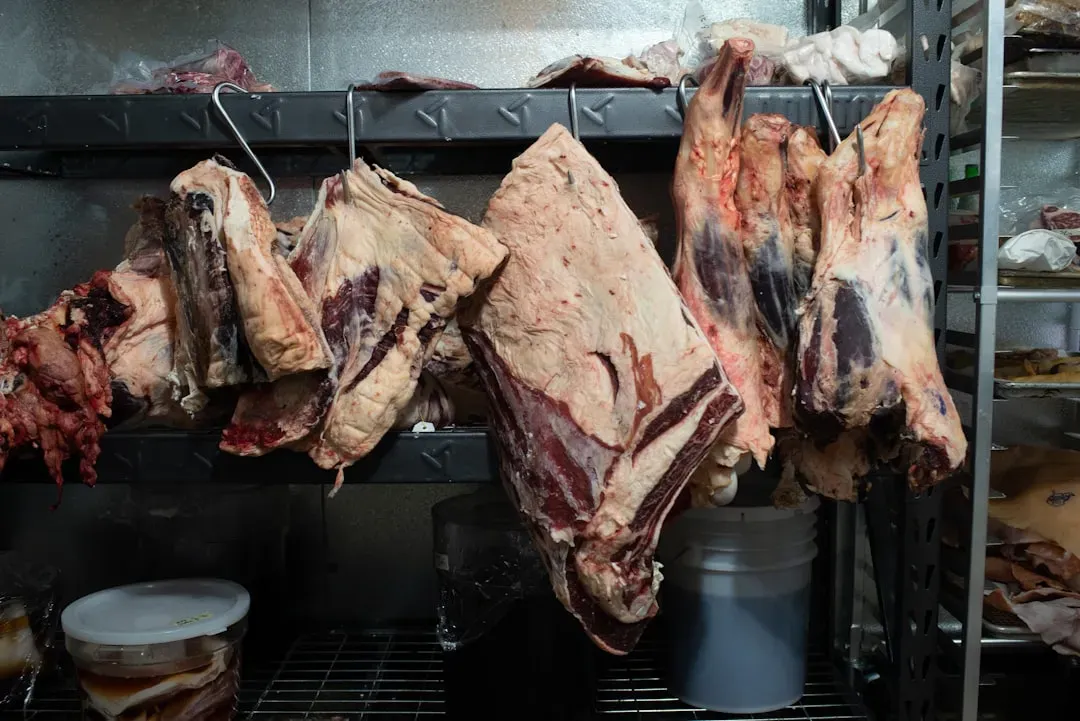
7. Prime cuts alone are giving way to whole-animal cooking (Image Credits: Unsplash)
For years, menus leaned heavily on the same handful of premium cuts while the rest of the animal went to waste or got sold off cheap. That habit is fading in serious kitchens. The James Beard Foundation's Flavor Forecast for 2026 emphasizes sustainable ingredients and whole-animal usage as key trends in fine dining and beyond, with whole-animal usage representing a commitment to respecting ingredients and minimizing waste.
Chefs describe this less as a gimmick and more as a shift in mindset. James Beard Award semifinalist Sayat Ozyilmaz of Dalida incorporates elements like fish collars or vegetable stems when they contribute flavor and communicate the whole-ingredient ethos that underpins the kitchen, with the goal being to show respect for the product, not to shock the diner. Beyond the philosophy, there's a practical upside too, since using more of each animal or vegetable tends to cut costs as well as waste.
8. Matcha's spotlight is sharing room with houjicha

8. Matcha's spotlight is sharing room with houjicha (By myself, <a href="https://commons.wikimedia.org/w/index.php?curid=6058081" target="_blank" rel="noopener">Public domain</a>)
Matcha isn't disappearing from menus, but it's no longer the only green tea chefs reach for. A quieter, roasted alternative is gaining fans in cafes and restaurants alike. Made by roasting green tea leaves, houjicha offers a distinctive nutty flavor, caramel-like aroma, and a reddish-brown color that sets it apart from other green teas, and it can be served hot or cold, making it suitable for various commercial applications such as cafes, restaurants, and tea shops.
Part of the appeal is how simple the ingredient list is. One of houjicha's biggest strengths in the 2026 market is its simplicity and traceability, since with just tea leaves and fire-roasting, it checks all the boxes for consumers seeking transparency and low-intervention ingredients. It's also friendlier on the wallet. While matcha isn't going anywhere, houjicha is an emerging way to enjoy the benefits of green tea at a lower price tag and easier sourcing methods.
9. Plain butter is losing ground to bold, flavored compound butters

9. Plain butter is losing ground to bold, flavored compound butters (Mark Morgan Trinidad, Flickr, <a href="https://creativecommons.org/licenses/by/2.0/" target="_blank" rel="noopener">CC BY 2.0</a>)
A pat of unsalted butter on the plate used to be the default finish for a steak or a piece of bread. These days, chefs are dressing butter up with far more personality. One in five consumers told Rubix they want more flavoured butters on menus in 2026.
Smoky, tangy compound butters are leading that charge, and Cowboy Butter has become the poster child of the trend. According to Head Chef Josh Harris, Cowboy Butter, a simplified version of the classic Café de Paris butter, is having a moment as beef lovers around the world add smoky and tangy flavours to create their own versions that pair perfectly with BBQ beef. It's a small change on paper, but it turns a passive garnish into something diners actively notice.
What This Shift Really Means

What This Shift Really Means (Image Credits: Unsplash)
None of these swaps happened overnight, and none of them are total bans on the old ingredient. Seed oils, white sugar, and farmed salmon still show up plenty of places. What's changed is the default setting in a growing number of serious kitchens, where chefs are choosing ingredients with clearer sourcing, better flavor payoff, or a smaller environmental footprint.
It's worth watching which of these swaps stick around once the novelty wears off. Some, like whole-animal cooking and provenance-driven salt, seem to reflect a lasting shift in priorities rather than a passing fad. Others may settle into a smaller, steadier role on the menu, sitting alongside the ingredients they were meant to replace rather than replacing them outright.