
Garages get treated like the wild west of home electrical work. It’s the one room where people feel comfortable running their own circuits, hanging up new outlets, or wiring in a workbench without giving it much thought. The trouble is that garages fall under some of the stricter parts of the electrical code, precisely because they’re damp, dusty, and full of metal tools that conduct electricity a little too well.
Inspectors who’ve spent years walking through garages tend to spot the same handful of errors over and over. None of these mistakes are exotic or hard to understand once you know what to look for. They’re just easy to overlook when you’re focused on getting a project finished rather than getting it finished correctly.
1. Skipping GFCI protection on garage outlets
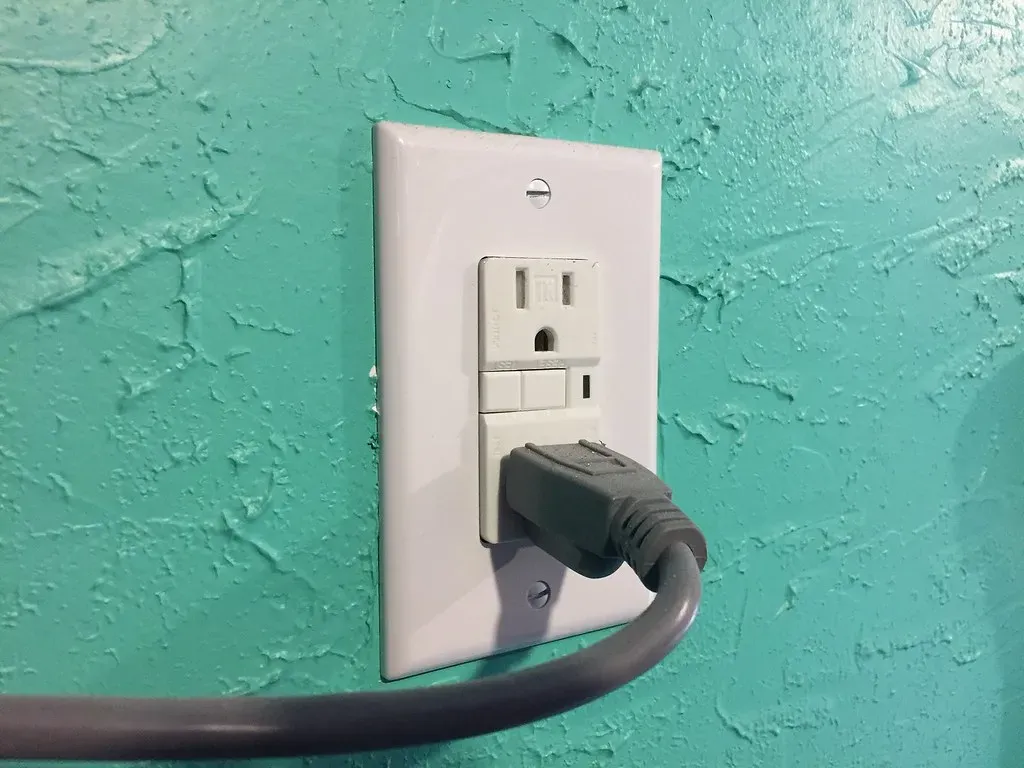
1. Skipping GFCI protection on garage outlets (Sery Content Development, Flickr, <a href="https://creativecommons.org/licenses/by/2.0/" target="_blank" rel="noopener">CC BY 2.0</a>)
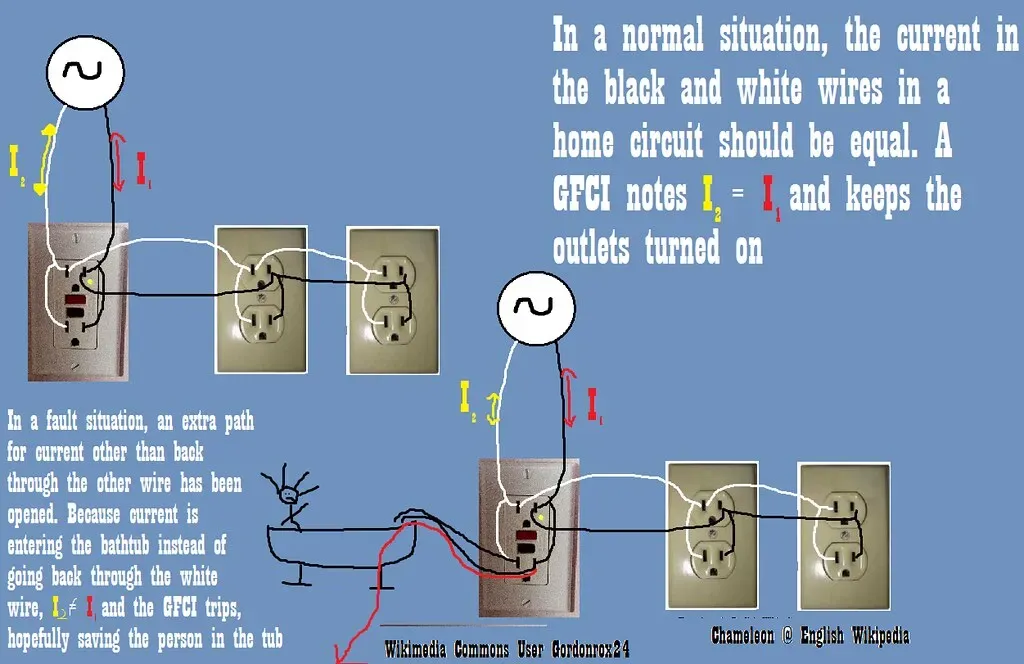
This is probably the single most common flag inspectors write up. Garage receptacles have required ground-fault circuit interrupter protection since long before the current code cycle, and that requirement hasn't loosened. A homeowner adds a standard outlet for a chest freezer or a set of power tools, and it looks fine until someone plugs in a tester.
The fix is straightforward but often skipped because it costs a bit more. Every 125-volt, 15- and 20-amp receptacle in an unfinished or finished garage needs GFCI protection, whether that comes from the outlet itself or a GFCI breaker upstream. Inspectors check this first because it takes seconds to verify with a simple test button.
2. Wiring outlets without AFCI coverage
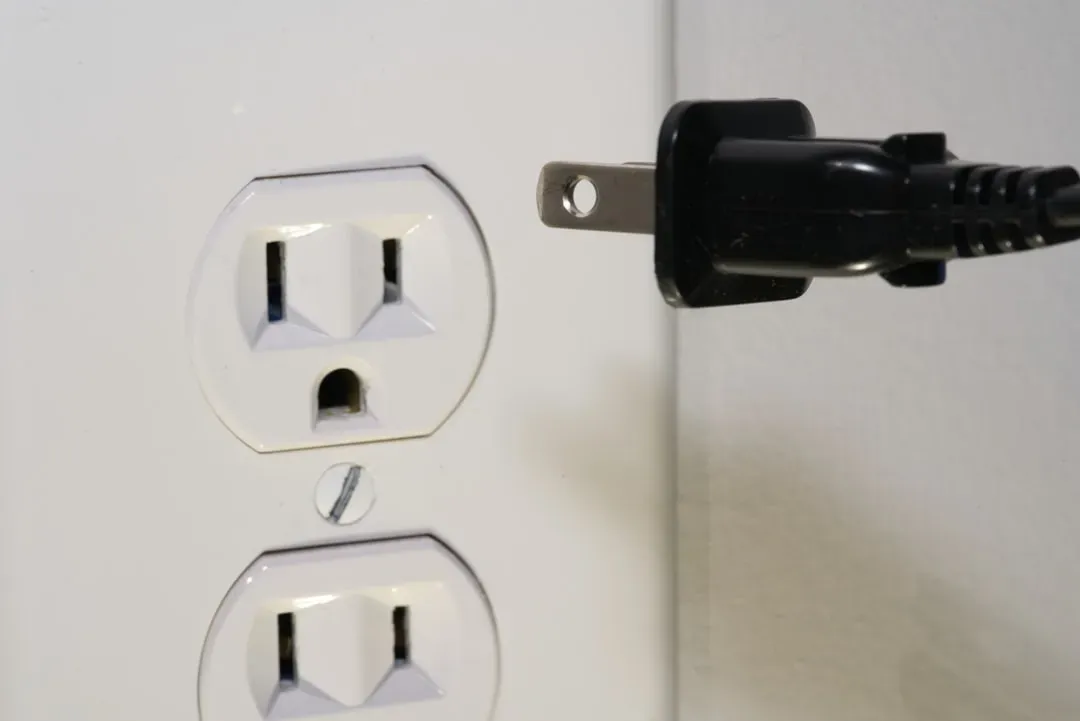
2. Wiring outlets without AFCI coverage (Image Credits: Unsplash)
Arc-fault protection gets less attention than GFCI, but recent code cycles have expanded where it's required, and garages with habitable-adjacent wiring or dedicated circuits increasingly fall under that umbrella depending on jurisdiction. DIYers frequently assume that because a garage isn't a bedroom or living space, arc-fault protection doesn't apply to them. That assumption trips up a lot of otherwise solid wiring jobs.
Local amendments vary enough that this is one area where checking with the local building department before starting matters more than usual. Some jurisdictions have adopted the newer combination AFCI requirements broadly, others have not, and an inspector will apply whatever version is currently enforced. Guessing wrong here means pulling wire back out of a wall that was already closed up.
3. Undersized wire for the actual load
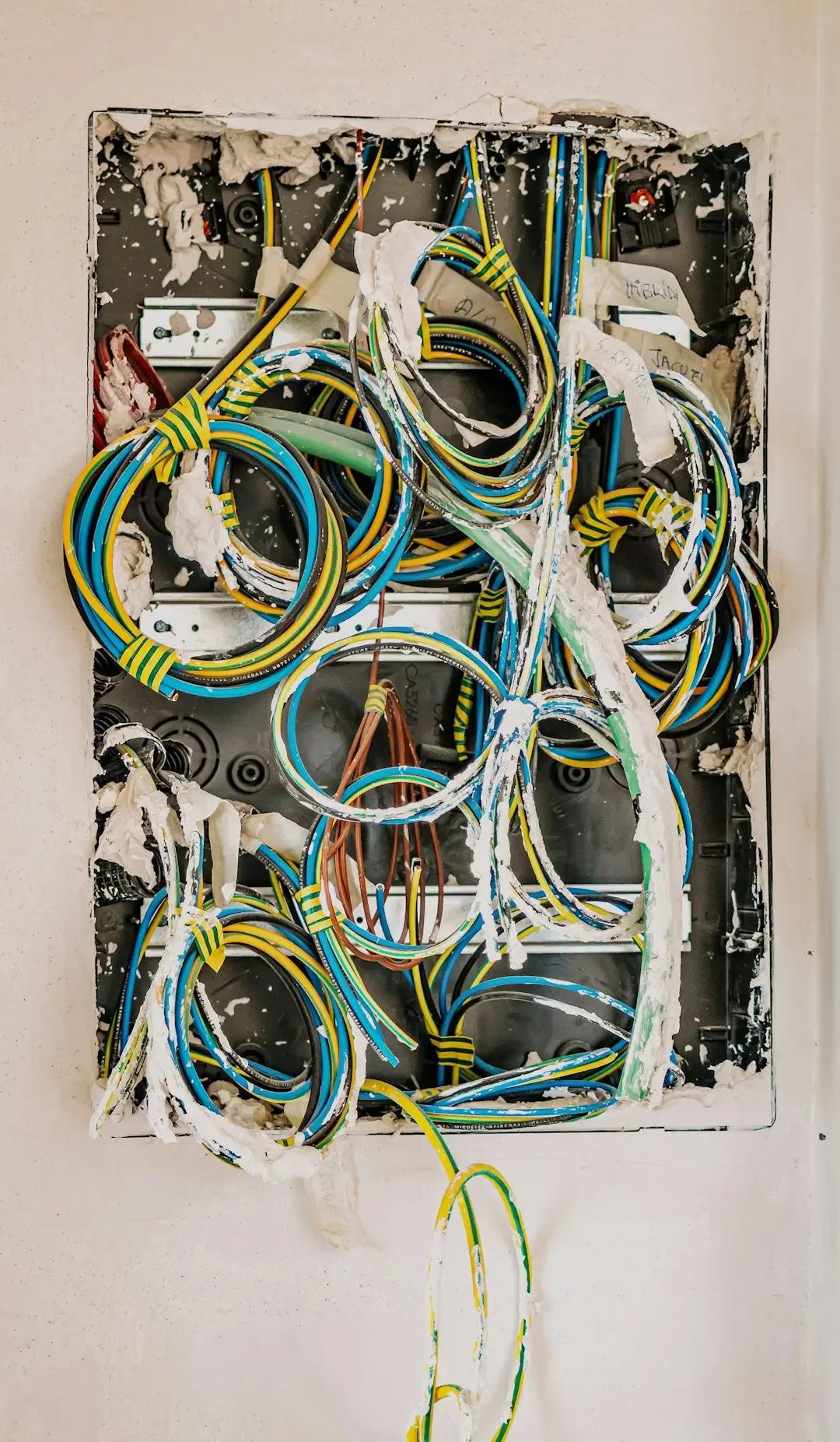
3. Undersized wire for the actual load (Image Credits: Unsplash)
A lot of garage projects start small, a single outlet for a shop light, and grow into something bigger, like a welder, a compressor, or an EV charger. The wire that was fine for the original small load often stays in place even after the load changes, and that's where trouble starts. 14-gauge wire on a 20-amp breaker, or a run that's too long for its gauge and starts dropping voltage, are both classic problems inspectors catch by tracing the circuit back to the panel.
Wire sizing isn't guesswork, it follows tables in the code based on amperage, wire length, and insulation type. A DIYer who eyeballs it based on what was in the bin at the hardware store is taking a real risk, since undersized wire heats up under load and that heat is exactly what starts electrical fires in wall cavities. Inspectors will pull the breaker cover and check the wire gauge against the breaker rating almost immediately.
4. Missing or improper grounding and bonding
4. Missing or improper grounding and bonding (tdowd1982, Flickr, <a href="https://creativecommons.org/licenses/by-sa/2.0/" target="_blank" rel="noopener">CC BY-SA 2.0</a>)
Garages tend to have a lot of metal in them, workbenches, tool chests, metal conduit, and sometimes a metal garage door frame that's technically part of the electrical system's grounding path. When DIYers add a subpanel or extend circuits, they sometimes treat the neutral and ground as interchangeable, which they are not, especially in a detached garage fed by its own subpanel. A detached structure with its own panel generally needs a separate grounding electrode system, and skipping that step is one of the more serious safety gaps inspectors look for.
Improper bonding shows up in smaller ways too, like a metal box that isn't properly grounded, or a ground wire that's connected to the wrong bar inside a subpanel. These issues don't always cause an obvious problem day to day, which is part of why they get missed. An inspector with a multimeter or a simple continuity tester can confirm a bonding fault in under a minute, and it's one of the more common reasons a rough-in inspection fails on the first pass.
5. Running the wrong cable type for exposed or damp locations
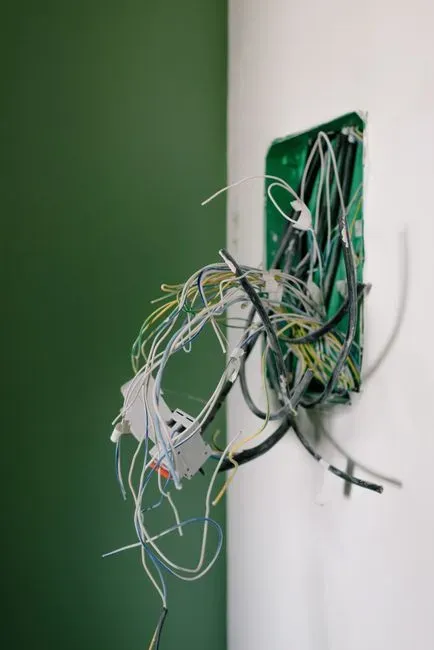
5. Running the wrong cable type for exposed or damp locations (Image Credits: Pexels)
Standard NM cable, often called Romex, is fine inside finished walls, but garages frequently have exposed wiring running along framing, rafters, or the surface of concrete block walls. Exposed NM cable needs physical protection, and any wiring exposed to weather, moisture, or physical damage typically needs to be rated for wet locations or run through conduit. DIYers often just staple cable along a stud and call it done, without accounting for the fact that a garage wall isn't the same environment as a bedroom wall.
This mistake is easy to spot visually, which is exactly why inspectors catch it so fast. A run of unprotected NM cable crossing an exposed ceiling joist, or cable stapled to the outside face of framing rather than through it, jumps out during a walkthrough. The fix usually involves conduit or cable protection plates, and it's far cheaper to plan for that before the wire goes in than to redo it after a failed inspection.
6. Overloading a single circuit with too many high-draw devices
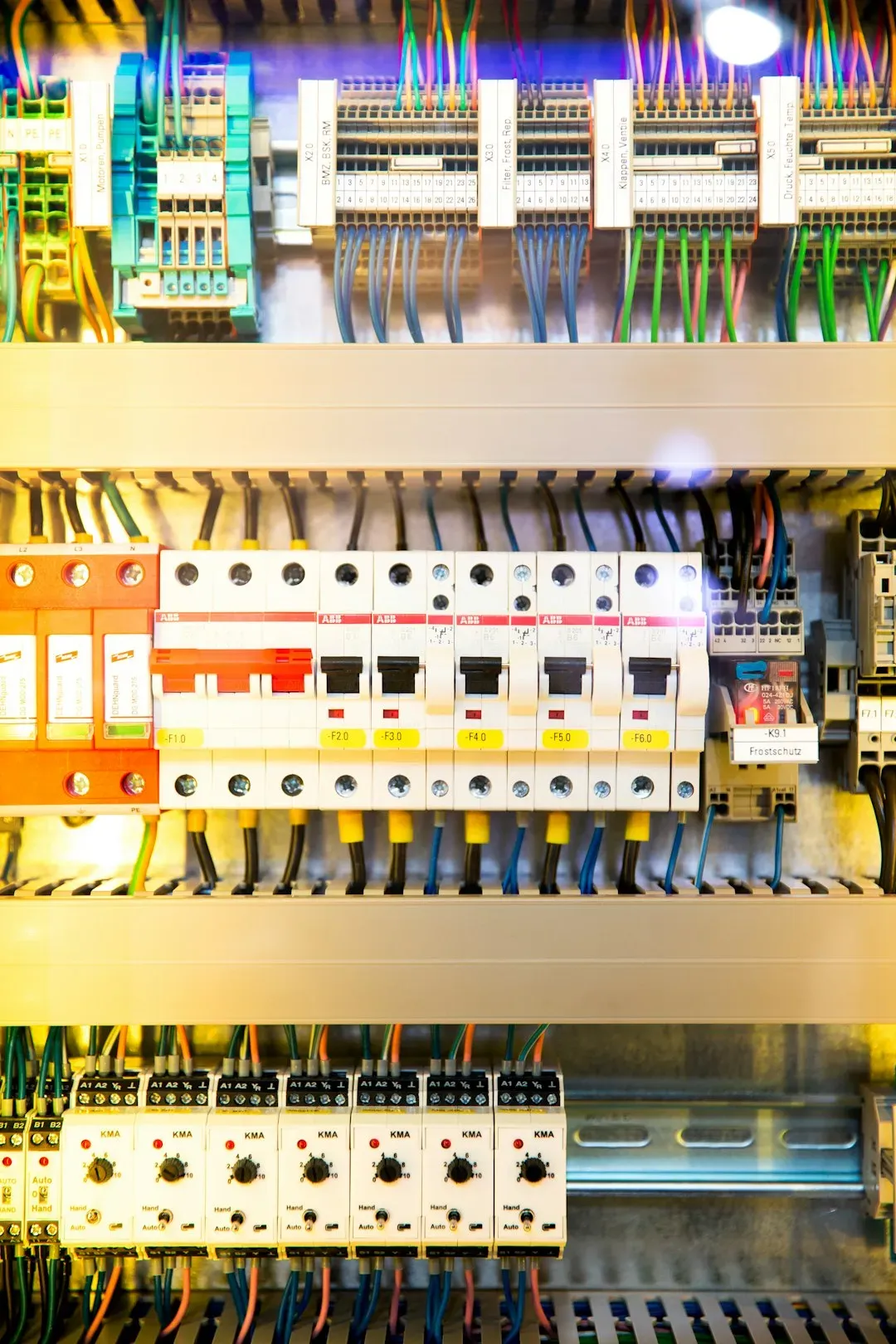
6. Overloading a single circuit with too many high-draw devices (Image Credits: Unsplash)
Garages accumulate power-hungry equipment fast: compressors, welders, space heaters, chargers, and stationary power tools all draw more current than a typical household outlet circuit was ever meant to carry. A DIYer who wires one 20-amp circuit and then plugs in three or four of these devices through extension cords and power strips is setting up a nuisance trip at best and a fire hazard at worst. Inspectors ask about intended use specifically because garage circuits so often get overloaded after the fact, once the space fills up with tools.
The code addresses this through dedicated circuit requirements for certain equipment, and load calculations that account for continuous versus intermittent draw. A welder or an EV charger, for example, generally needs its own dedicated circuit sized specifically for that equipment rather than sharing space with lighting or general-purpose outlets. Planning circuits around actual anticipated equipment, not just what's plugged in on inspection day, is the difference between a garage that passes and one that gets a laundry list of corrections.
7. Working on live circuits or skipping proper permits altogether
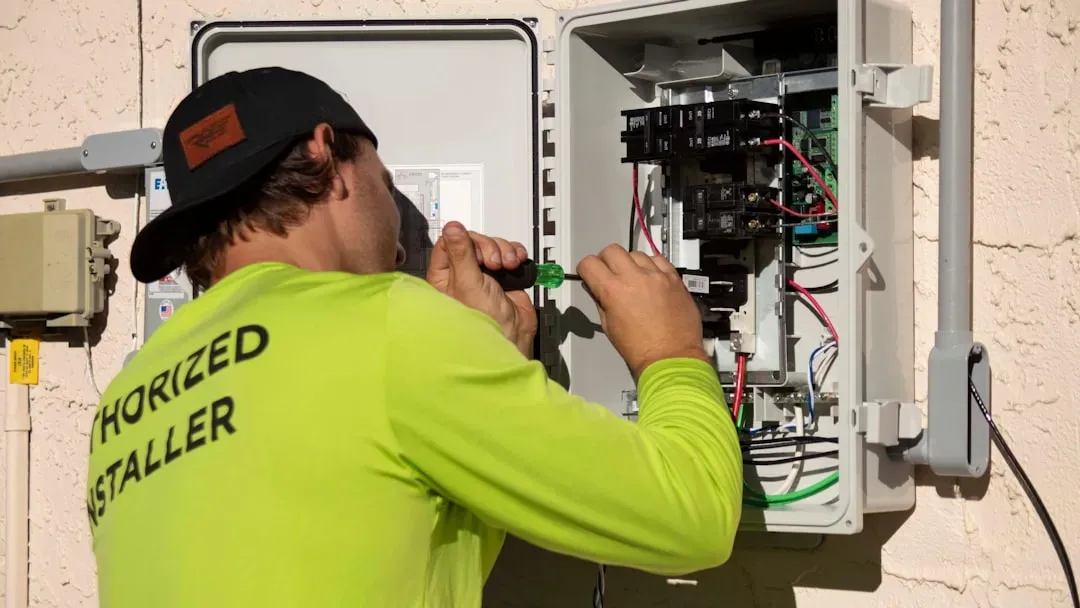
7. Working on live circuits or skipping proper permits altogether (Image Credits: Unsplash)
This last one isn't a technical wiring flaw so much as a process failure, but it's one inspectors notice immediately once they start asking questions. Some DIYers wire an entire garage subpanel or run new circuits without ever pulling a permit, assuming a garage is low stakes enough to fly under the radar. When that work eventually gets discovered, whether through a home sale inspection or an unrelated repair call, it often has to be opened back up and re-inspected from scratch, which costs far more than the original permit fee would have.
Working on circuits while they're still energized is a related and more immediately dangerous habit, since it removes any margin for error if something is miswired. Permits exist specifically so that a second set of trained eyes checks the work at rough-in and again at final, catching problems like the ones listed above before drywall or ceiling panels hide them. Skipping that step doesn't just risk a failed inspection later, it risks having live wiring in a garage that nobody with the right training ever verified.
Most of these mistakes share a common thread: they happen because a garage doesn't feel like a high-stakes room, even though electrically it often is. Concrete floors, metal equipment, moisture, and heavy-draw tools combine to create exactly the conditions the code's stricter garage rules were written to address. Getting familiar with GFCI and AFCI requirements, proper wire sizing, grounding, cable protection, circuit planning, and the permit process before starting a project saves far more time than it costs, and it's usually the difference between a garage that passes inspection the first time and one that ends up on a list of corrections.