
Buying a house often comes with a strange kind of relief once the offer is accepted, right up until the inspection report lands in your inbox. That report tends to read longer than most buyers expect, and for good reason. Inspectors who walk through hundreds of homes a year keep running into the same handful of issues, regardless of price point, neighborhood, or how recently the paint was refreshed.
None of this means every house is falling apart. It means certain wear patterns are baked into how homes age, and knowing what they are can save a buyer real money and a seller real headaches before either side ever gets to the closing table.
1. Poor grading and drainage around the foundation
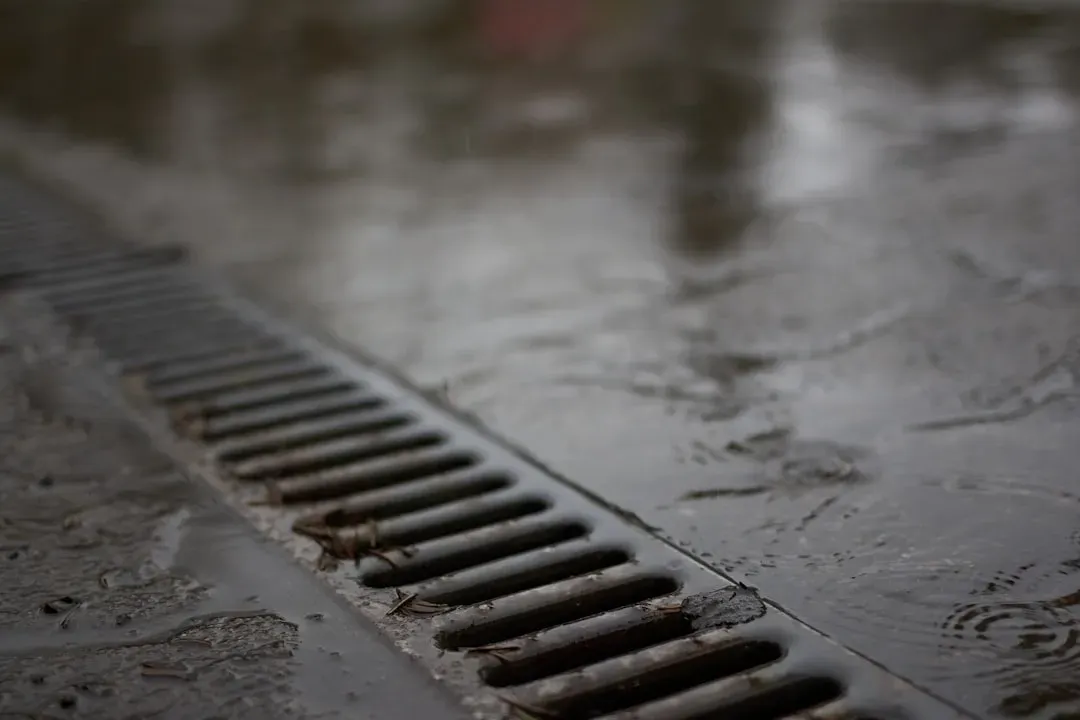
1. Poor grading and drainage around the foundation (Image Credits: Unsplash)
Ask almost any inspector what they see most often and grading comes up fast. Nearly all of the homes one inspector examines need improvements in grading. The problem is usually invisible until it rains hard, and then water pools exactly where it shouldn't.
Signs include pooling water near the foundation, erosion or bare soil under downspouts, mildew in the basement, flooded crawlspaces, or rust on the bottom of the siding. The fix is rarely glamorous but it isn't free either. The typical national range for drainage improvements runs from $300 to $9,500, though larger projects like full foundation drainage systems can run as high as $15,000.
2. Aging or damaged roofing
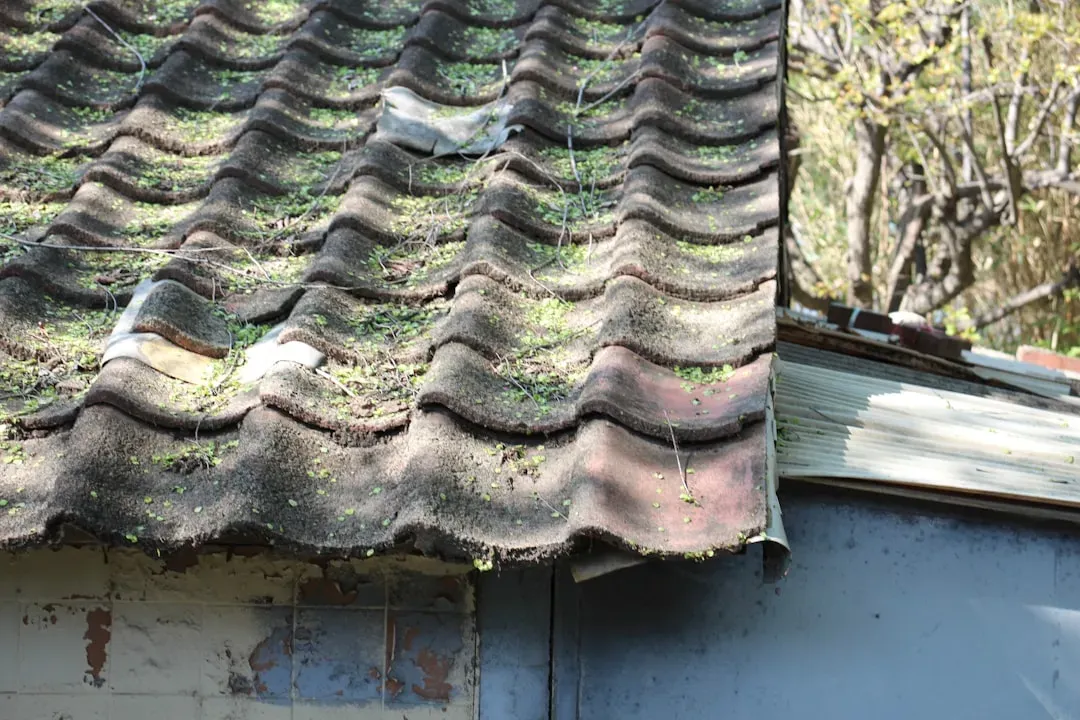
2. Aging or damaged roofing (Image Credits: Unsplash)
Roofs take a beating from the day they're installed, and inspectors treat them as a top priority for a reason. Roof issues show up in about 19.7 percent of home inspections nationally, according to data from Ruby Home and industry analyses. Some inspectors in wetter or older markets see the number climb much higher.
One inspector working the Delaware Valley reports roof callouts on roughly three out of four homes inspected there, though on most of those the fix is a few hundred dollars rather than a full re-roof. Age matters too. Traditional asphalt shingle roofs typically last around 15 to 40 years, depending on the location of the home and the local weather and climate.
3. Outdated electrical panels and unsafe wiring
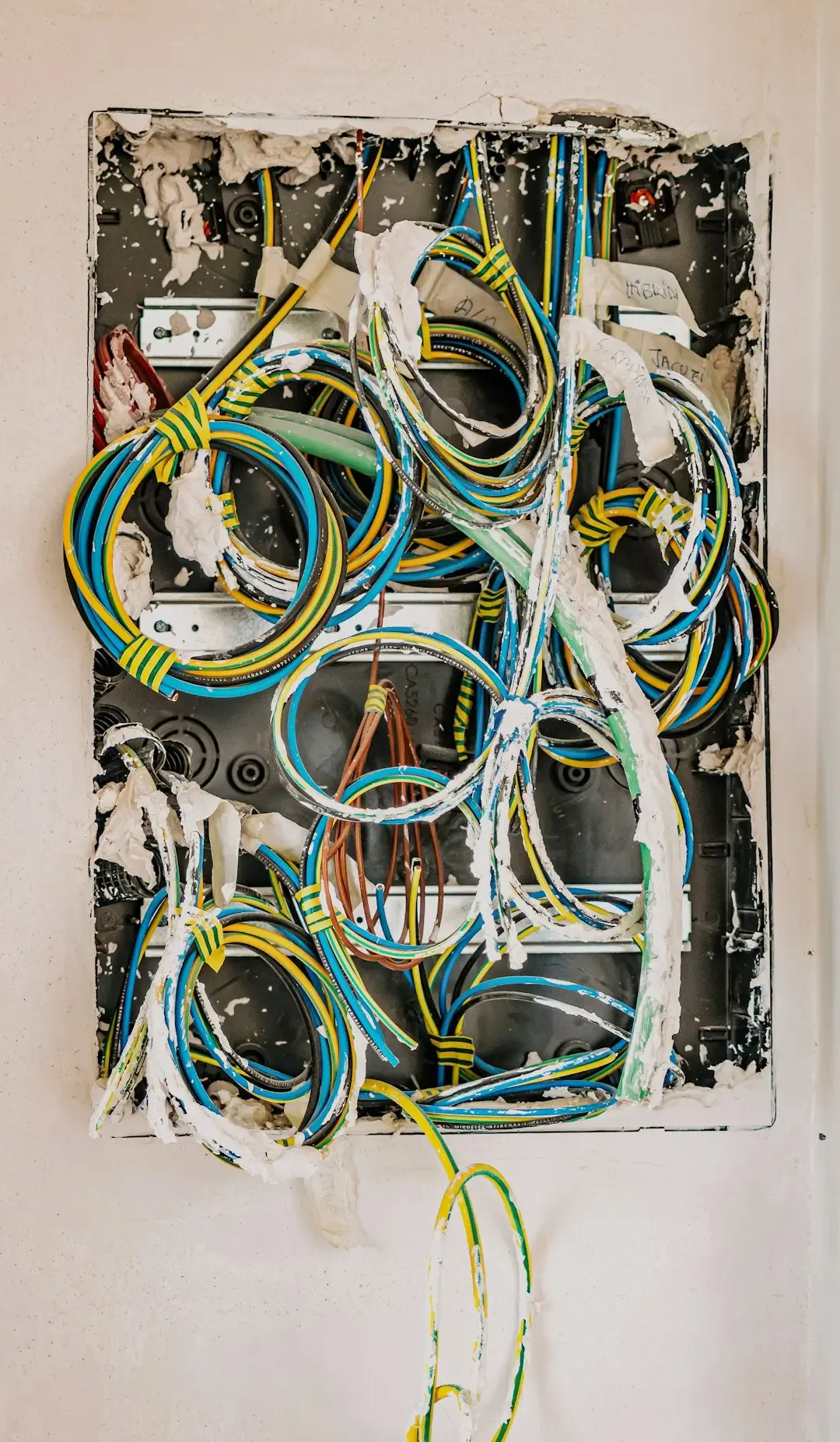
3. Outdated electrical panels and unsafe wiring (Image Credits: Unsplash)
Electrical findings trail roofing by only a hair. Electrical problems are discovered in about 18.7 percent of inspections, making them one of the most frequent categories of concern. Older homes are the usual culprits, since their systems were never built for modern power demands.
Roughly 51,000 house fires start each year due to improper wiring. Inspectors also flag specific red flags tied to certain eras. One major concern is knob-and-tube wiring, used in homes from about 1880 to the 1940s, which is now considered obsolete and unsafe. Removing and replacing it can cost anywhere from several hundred dollars to tens of thousands, depending on the extent of the wiring and the size of the home.
4. Missing GFCI and AFCI protection
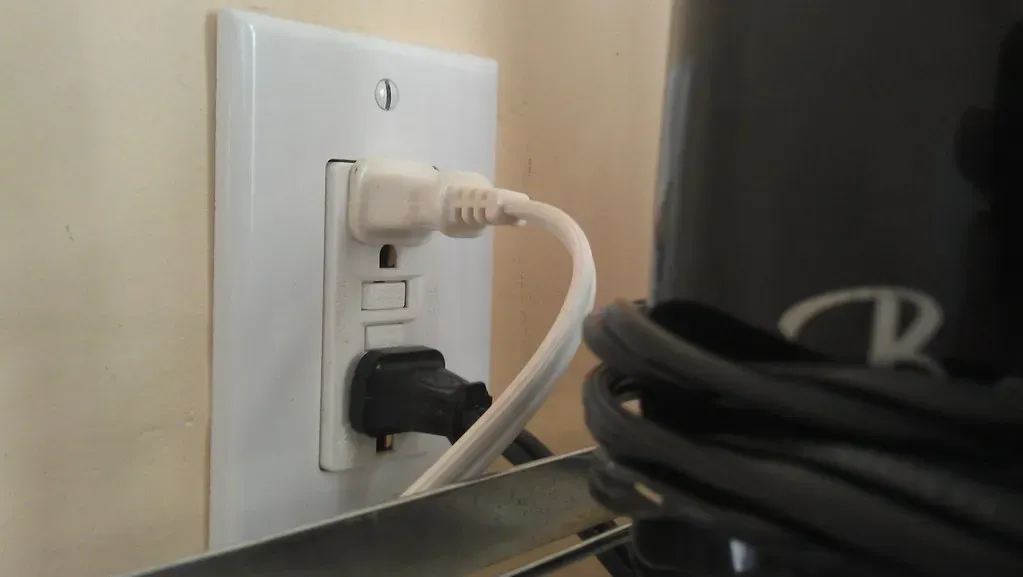
4. Missing GFCI and AFCI protection (lizzardo, Flickr, <a href="https://creativecommons.org/licenses/by/2.0/" target="_blank" rel="noopener">CC BY 2.0</a>)
This one surprises a lot of buyers because it sounds minor until an inspector explains what it actually protects against. Electrical safety items like open junction boxes, double-tapped breakers, missing GFCI protection in bathrooms, kitchens, and exterior receptacles, and panels with mismatched breaker brands are all common findings. These outlets are designed to shut power off instantly if there's a ground fault, which matters most in wet areas of the house.
Homes built before GFCI requirements became standard often have none installed near sinks, tubs, or exterior faucets. Electrical findings frequently involve DIY wiring and outdated panels lacking GFCI and AFCI protection. It's usually an inexpensive fix compared to almost anything else on this list, which is part of why inspectors flag it so consistently rather than letting it slide.
5. Plumbing leaks and aging pipe materials
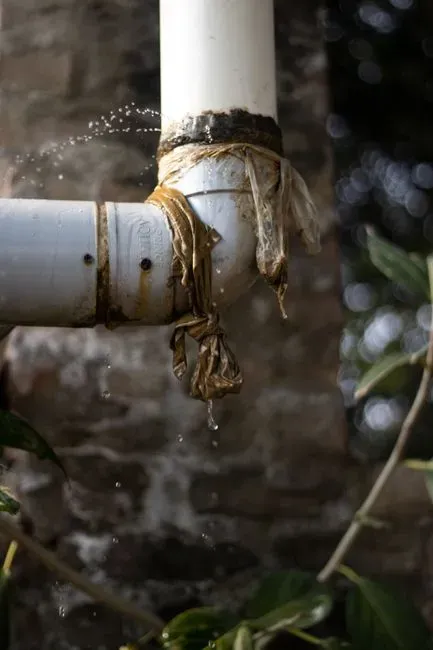
5. Plumbing leaks and aging pipe materials (Image Credits: Pexels)
Plumbing rarely announces itself the way a roof leak does. It tends to hide behind walls and under cabinets until the damage has already spread. Plumbing issues can set buyers back thousands of dollars, with common problems including leaky faucets and clogged drains, and more severe issues like DIY plumbing work, cross connection problems, and outdated pipes.
In older regional markets, the pattern repeats itself house after house. Common plumbing problems include leaks under sinks and around toilets, often caused by the wrong plumbing materials, broken seals, or rusted pipes. Old galvanized pipes, leaking fixtures, and water heaters near the end of their lifespan are frequently reported findings as well.
6. HVAC systems near the end of their service life
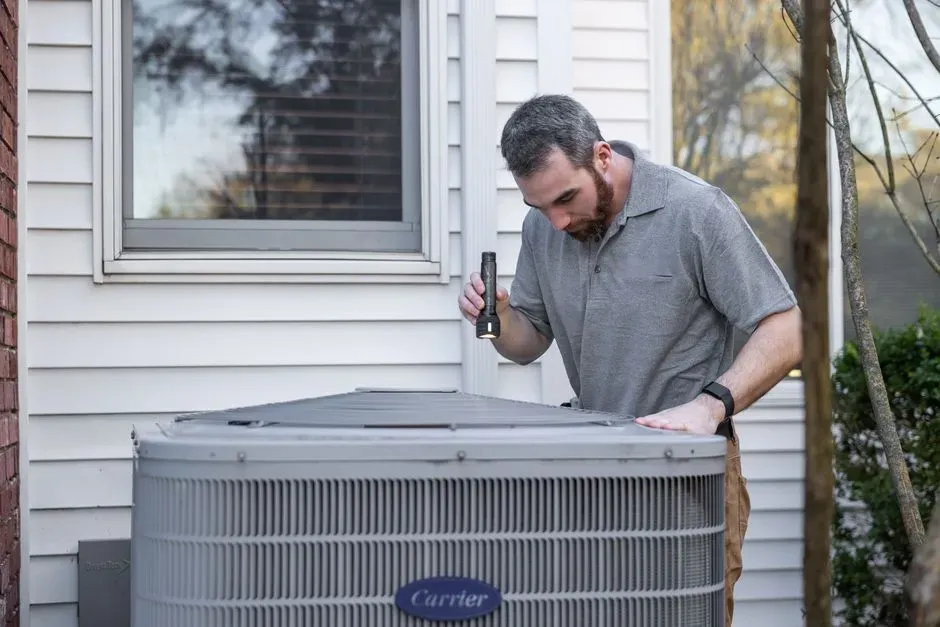
6. HVAC systems near the end of their service life (Image Credits: Pexels)
Heating and cooling equipment doesn't fail all at once. It slowly loses efficiency, then one day the furnace simply doesn't fire. Inspectors watch for exactly this pattern, especially in homes where maintenance records are thin or nonexistent.
Major system failures they encounter include furnaces that no longer fire and electrical panels with corroded or burned bus bars. Beyond outright failure, inspectors also flag HVAC systems that no longer cool to spec, along with water heaters nearing the end of their life and undersized electrical panels for how the home is actually used. These findings usually translate into a request for a repair credit rather than a full replacement demand, since buyers are typically budgeting for a year or two of remaining life rather than an immediate swap.
7. Foundation cracks and structural settling
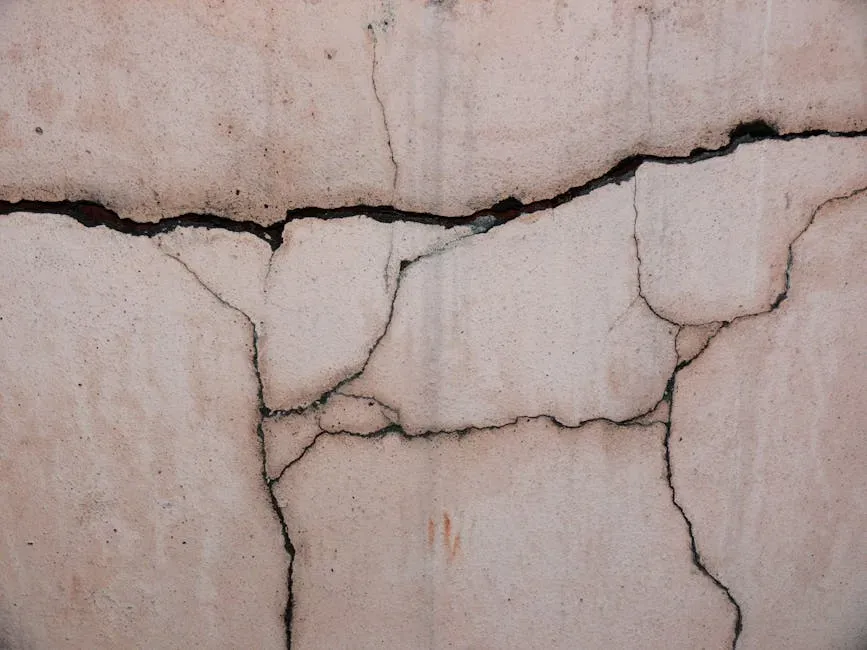
7. Foundation cracks and structural settling (Image Credits: Pexels)
Structural issues carry more weight than almost anything else on an inspection report, and inspectors treat them with a different level of seriousness. Beyond safety concerns, the most serious defects in a home are typically structural, according to the 2025 president of the American Society of Home Inspectors.
A home inspector will look for any signs of structural issues, noting even seemingly minor hairline cracks in the concrete slab or on interior walls. Inspectors also flag misaligned or sticking doors and windows, along with sagging or slanting floors, which could indicate a possible foundation issue. Costs vary enormously depending on severity. The national average for a foundation repair runs between $2,175 and $7,823, though costs can vary widely depending on the extent of the damage.
8. Window and door seal failures
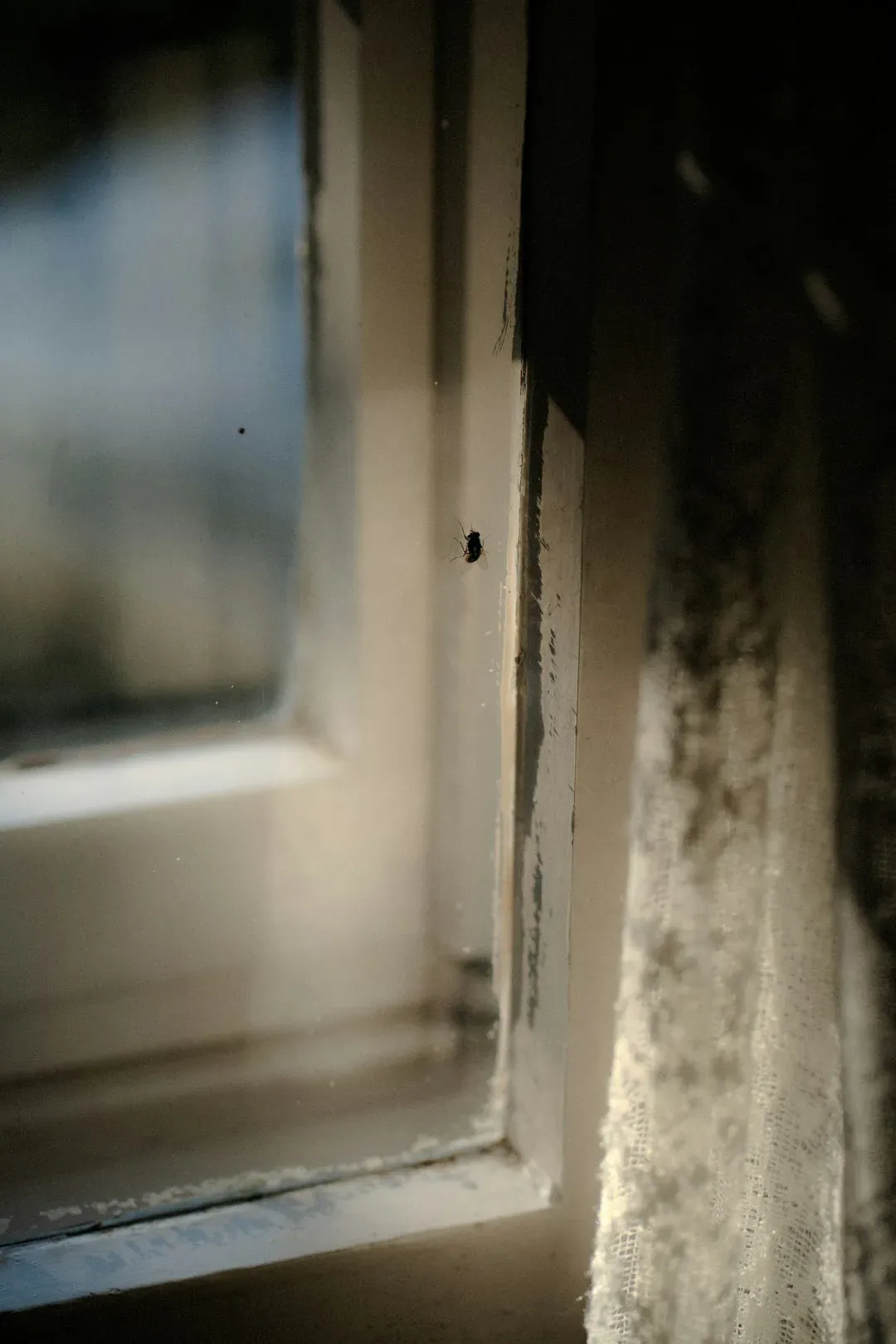
8. Window and door seal failures (Image Credits: Unsplash)
Window problems rank third on most national lists, right behind roofing and electrical, and they're often overlooked by buyers touring a home for the first time. Window defects appear in roughly 18.4 percent of inspections, according to Ruby Home data cited across industry analyses.
These defects range from cosmetic to costly. Blown thermal seals let condensation build up between double-pane glass, which is a clear sign the insulating gas barrier has failed. Improper installation can also let air and moisture slip past the frame entirely, quietly driving up energy bills long before anyone notices a visible problem.
9. Poor attic ventilation and insulation gaps
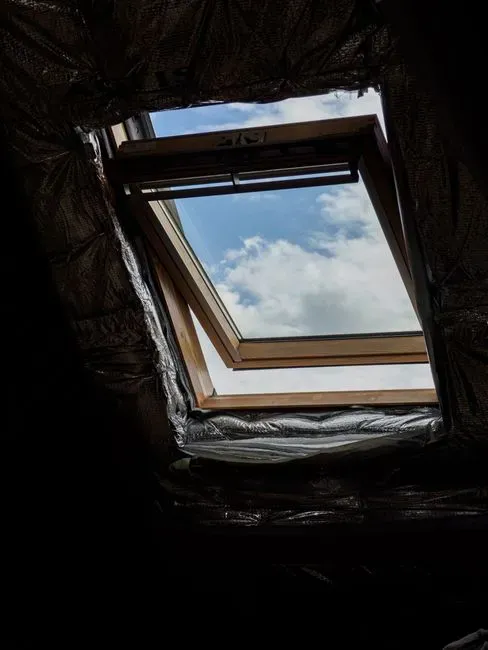
9. Poor attic ventilation and insulation gaps (Image Credits: Pexels)
Attics don't get much attention during a casual walkthrough, but inspectors spend real time up there because ventilation problems tend to cascade into bigger issues. Trapped moisture from poor airflow can warp roof decking from the inside out and feed mold growth long before it shows up anywhere visible from the ground.
In damp climates, moisture is a recurring concern, and inspectors often find poor ventilation in bathrooms, crawlspaces, and attics, which can lead to mold, mildew, and wood rot. Other common findings in this category include inadequate attic ventilation alongside moisture and drainage problems more broadly. Insulation gaps compound the issue, since uneven coverage lets heat escape unevenly and can accelerate ice dam formation in colder climates.
Research indicates that 86 percent of home inspections reveal something that needs a fix, and most of what turns up falls into the categories above. That statistic alone explains why a clean inspection report is closer to the exception than the rule. Even new construction isn't immune, with about 65 percent of newly built homes showing issues identified during inspection and roughly 24 percent failing their first inspection outright.
None of this is meant to scare anyone away from a purchase. It's simply a reminder that a home inspection exists to catch exactly these patterns before they become someone else's expensive surprise. A report full of findings isn't a red flag on its own. It's the inspection doing precisely what it was designed to do.