
Every trade has its quiet rules, the things you learn on the job that nobody writes down but everyone understands. Construction is no different. After enough years swinging a hammer or running a crew, you pick up on the unspoken code that keeps jobs moving and clients calm, even when the truth might serve them better.
What follows isn’t a takedown of the industry. Most contractors are honest, skilled people trying to make a living in a business with thin margins and tight schedules. Still, there are patterns worth knowing before your next renovation, patterns that a lot of tradespeople would rather not spell out loud.
1. That estimate was never really final

1. That estimate was never really final (Image Credits: Gallery Image)
Contractors know that the number on the initial quote is more of a conversation starter than a promise. Once walls open up and old wiring or rotted framing shows itself, the price tends to climb, and most in the trade have already mentally budgeted for it before the client signs anything. It’s not always deception. Sometimes it’s just easier to win the job with a lower number and let the change orders do the rest of the talking.
Material costs have also made this harder to predict than it used to be. Lumber, copper, and specialty finishes have swung wildly in price since the pandemic years, and many contractors quietly build in a cushion for volatility rather than eating the difference themselves. Homeowners rarely see that padding, but it’s often there, tucked into line items that look more precise than they actually are.
2. Subcontractors, not the main crew, do most of the actual work
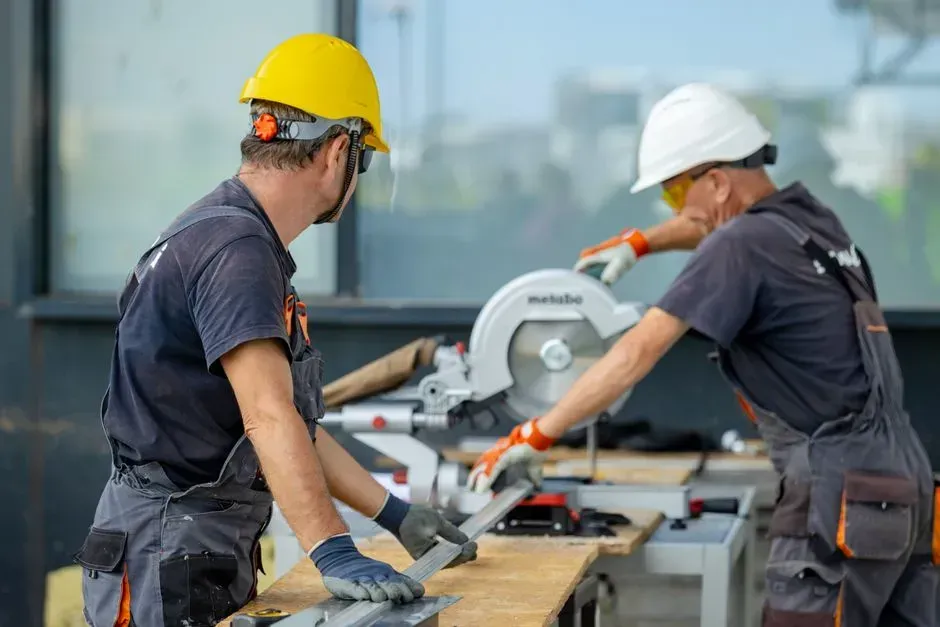
2. Subcontractors, not the main crew, do most of the actual work (Image Credits: Pexels)
The name on the truck and the person answering your calls is frequently not the person installing your flooring or running your electrical. General contractors coordinate, but a large share of specialized work gets handed off to subcontractors who move from job to job across town. This is standard practice and not inherently a problem, but it does mean quality can vary more than homeowners assume, since the general contractor isn’t always physically present for every task.
What rarely gets said out loud is that subs are often chosen based on availability and price, not necessarily because they’re the best fit for a particular job. A contractor juggling five projects at once will call whoever can show up Tuesday, not necessarily whoever did the cleanest tile work last month. Homeowners who ask directly who will be on site, and when, tend to get more honest answers than those who don’t ask at all.
3. Permits get skipped more often than anyone admits
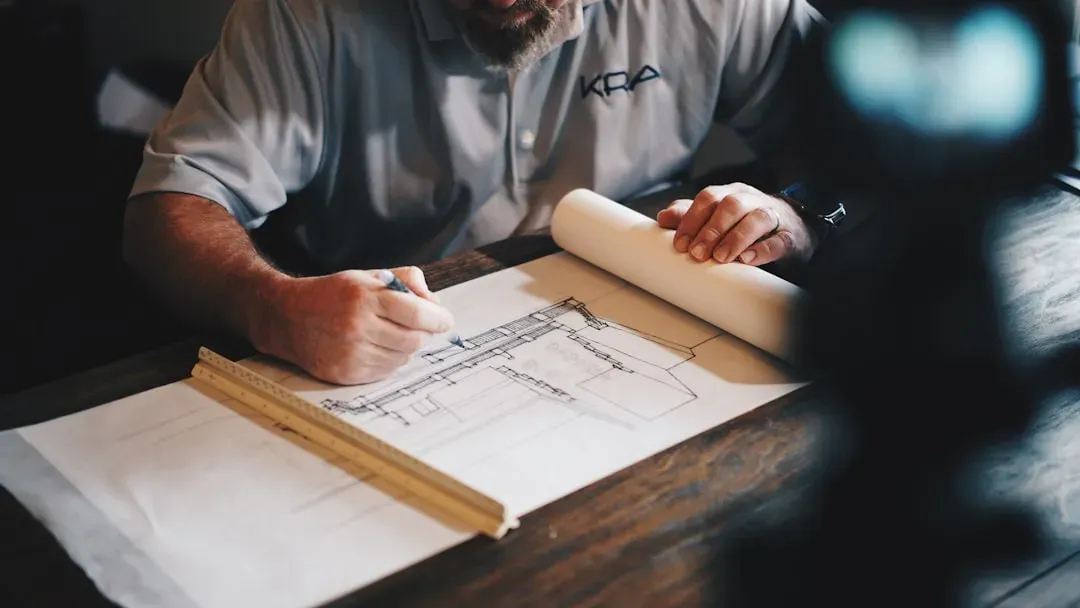
3. Permits get skipped more often than anyone admits (Image Credits: Unsplash)
Pulling permits takes time, costs money, and invites inspections that can slow a job down by weeks. Some contractors, especially on smaller residential jobs like deck rebuilds or basement finishes, will quietly suggest skipping the paperwork, framing it as a way to save the homeowner money and hassle. It’s a real risk, though, since unpermitted work can complicate a home sale later or create issues with insurance claims if something goes wrong.
Building departments across the country have tightened enforcement in recent years, partly driven by insurance companies scrutinizing claims more closely after storms and fires. Still, the incentive to cut corners on permitting hasn’t disappeared, because the immediate savings are obvious while the future consequences are someone else’s problem, at least in the moment. Homeowners who insist on permits, even when a contractor downplays their necessity, are generally protecting themselves more than they realize.
4. The "good" materials aren't always what gets installed
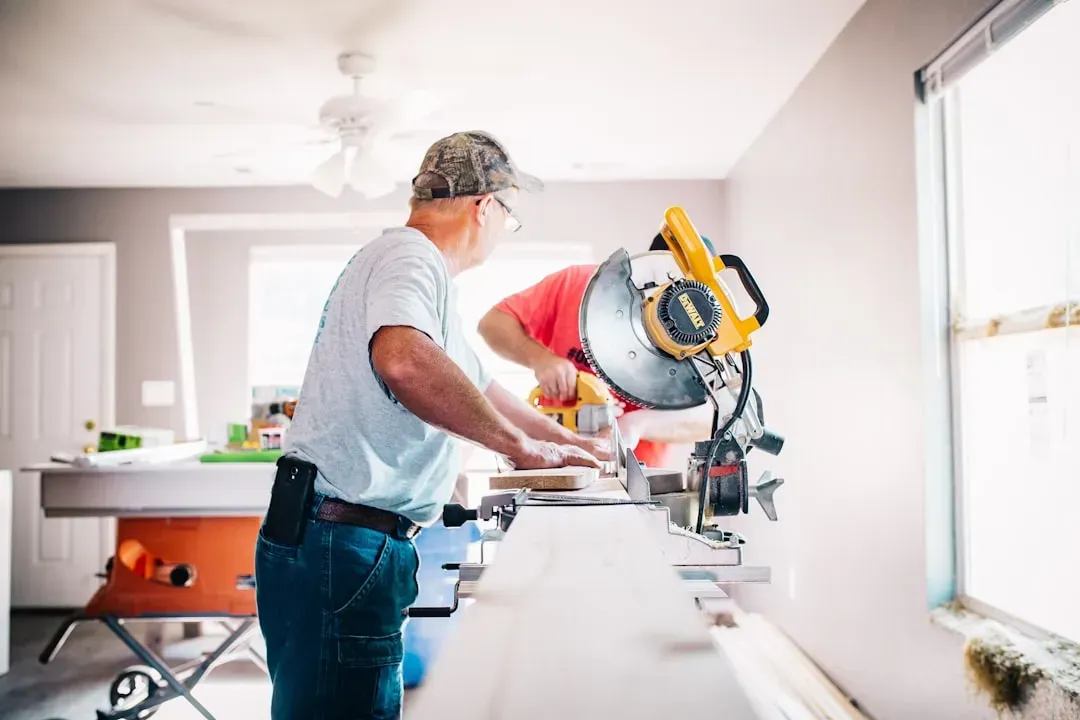
4. The "good" materials aren't always what gets installed (Image Credits: Unsplash)
Showroom samples and the actual materials that show up on delivery day don’t always match perfectly, and contractors know this gap exists more often than clients would like. Sometimes it’s a supply issue, a discontinued product swapped for something similar. Other times it’s simply cheaper to install a comparable grade and pocket the difference, especially on fixtures or finishes the homeowner won’t scrutinize closely once they’re installed.
This is particularly common with lower-cost items like door hardware, light fixtures, or paint grades, where the difference between a mid-range and premium product isn’t obvious to an untrained eye. A contractor betting the client won’t notice is playing a small percentage game, but it adds up across a project. Asking for product model numbers in writing, not just brand names, is one of the simpler ways homeowners can close that gap.
5. Timelines are guesses dressed up as promises
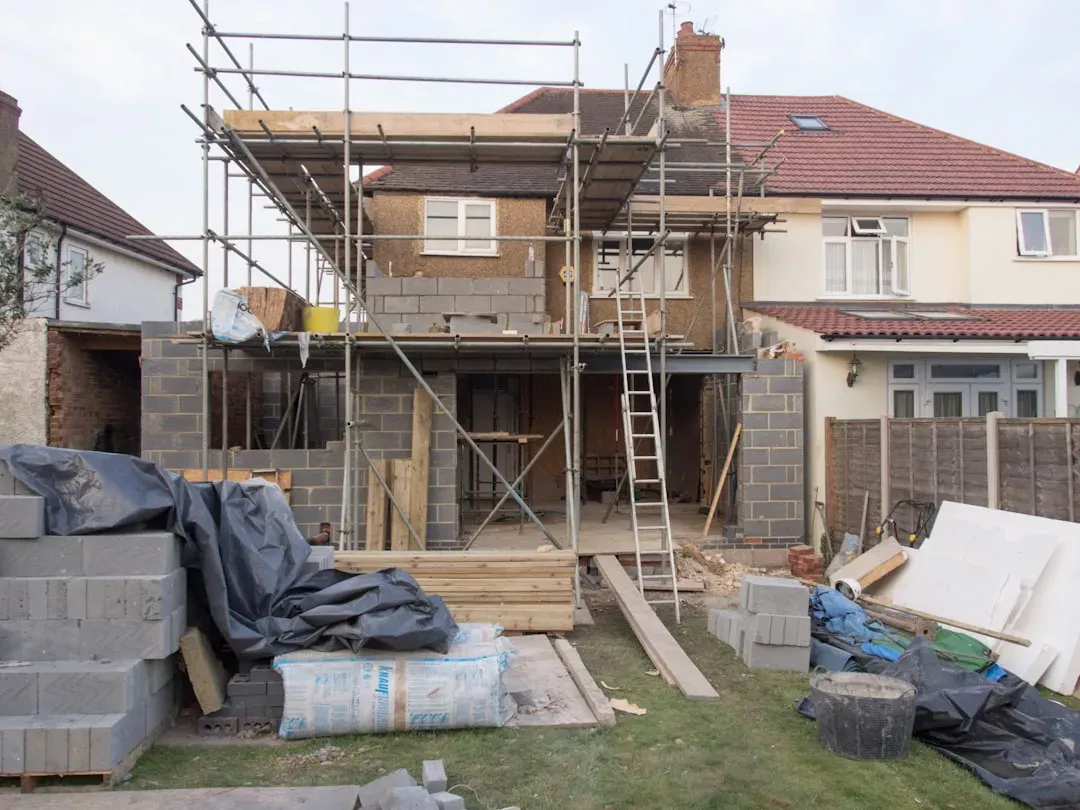
5. Timelines are guesses dressed up as promises (Image Credits: Unsplash)
When a contractor says a kitchen remodel will take six weeks, that number is often more aspirational than concrete. Weather delays, backordered materials, and scheduling conflicts with subcontractors routinely push projects past their original timeline, yet the initial estimate rarely reflects that uncertainty. Contractors tend to give the number they think the client wants to hear, not necessarily the number they privately expect.
Supply chain disruptions that became common starting in 2020 never fully resolved for certain categories, particularly custom cabinetry, specialty windows, and some appliances, which can still carry lead times stretching into months. A contractor who’s been burned by this before might build in a buffer, but many still quote optimistically to stay competitive against other bidders. Homeowners who ask for a range rather than a single date, and who ask what could cause delays specifically, tend to end up with more realistic expectations going in.
None of this means every contractor is cutting corners or hiding the ball. Most are simply operating inside a system where speed, competition, and thin margins reward optimism over full transparency. Knowing where the gaps tend to show up gives homeowners a better shot at asking the right questions before the work begins, not after the walls are already closed up again.