
Every restaurant has its unwritten code, but a handful of rules go beyond etiquette and start to feel like small traps. Some exist for good financial reasons behind the scenes, others just annoy people enough to become dinner-table complaints. Either way, they keep showing up on receipts and reservation confirmations, whether diners like it or not.
1. Mandatory gratuity for large parties
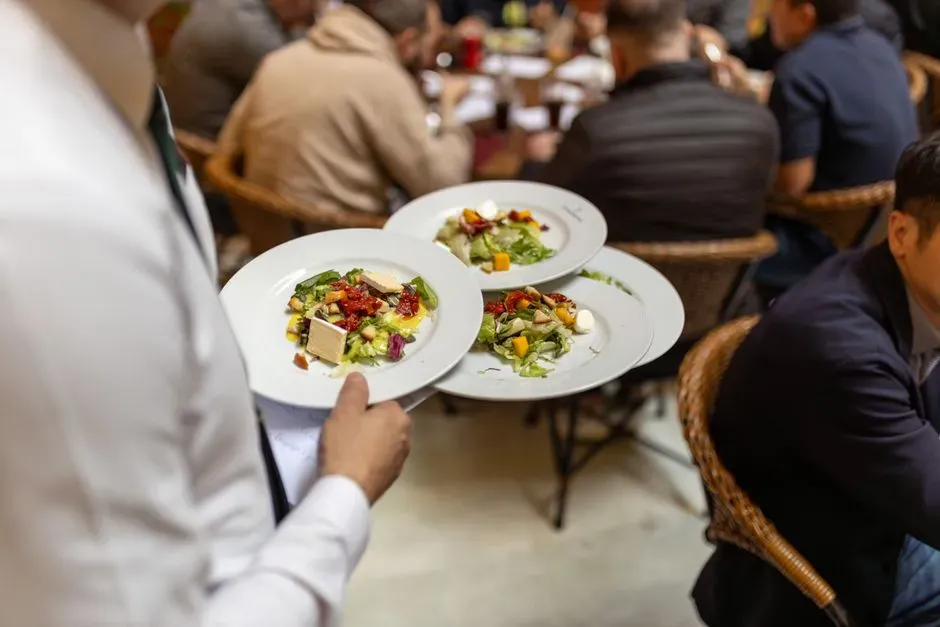
1. Mandatory gratuity for large parties (Image Credits: Pexels)
Walk in with a group of six or more and many restaurants will simply add a service charge before anyone touches a fork. This gratuity usually equals 18% of the check and is only applied to parties of six or more to ensure that servers receive ample compensation for their efforts. It is not a suggestion either. Customers cannot refuse to pay automatic gratuity since the payment is a service charge.
The rule has become more complicated lately for an unexpected reason. Mandatory gratuities, typically 15% to 20% that restaurants often impose on parties of six people or more, aren’t eligible for the tax deduction under President Trump’s new law, since the IRS has not indicated any flexibility in interpreting Congressional language that says the tips must be voluntary. Some states are pushing back too. Florida lawmakers moved to let guests avoid paying the charge if someone in the party complains to a manager about the quality of service.
2. Reservation deposits that hold your card hostage
2. Reservation deposits that hold your card hostage (Image Credits: Unsplash)
Booking a table used to mean nothing more than giving a name and a phone number. Now, plenty of popular spots want a card on file before they will even confirm the slot. Most restaurants charge between $20 and 40 per person for reservation deposits, and Washington, D.C.-based Thip Khao, a MICHELIN Guide Bib Gourmand pick, requires a $20 per person deposit to make a reservation.
The logic isn’t purely about squeezing customers. It only takes six no-shows to wipe the already super slim profits of a 40-seat restaurant. High-end tasting menus take the idea even further. At Kaiseki Yu-zen Hashimoto in Toronto, a Michelin-starred Japanese restaurant offering intricate multi-course meals, no-shows or late cancellations can incur a $300 per person fee, reflecting the exclusivity of the experience and the loss caused by an unused reservation.
3. No-show fees that punish forgetfulness
3. No-show fees that punish forgetfulness (Image Credits: Unsplash)
Separate from deposits, plain no-show fees have spread fast because the math behind them is brutal. Restaurant margins are famously thin, typically 3 to 9 percent net in the US, and when a table of four books for Saturday night and doesn’t show up, that’s not just an empty table. It’s food prepped and wasted, staff paid to stand by, and a slot that could have gone to a walk-in who tried the door and left.
The numbers explain why owners keep fighting for the right to charge something. One in twenty UK restaurant bookings between the start of the year and February 2023 resulted in no-shows, according to a report from restaurant booking system ResDiary. Quebec even changed its laws to address the problem directly. Under new rules, restaurants there can charge up to ten dollars for each no-show, after an association representing Quebec restaurant owners estimated no-shows cost the average eatery about 49,000 dollars per year.
4. Deposits disguised as friendly holds
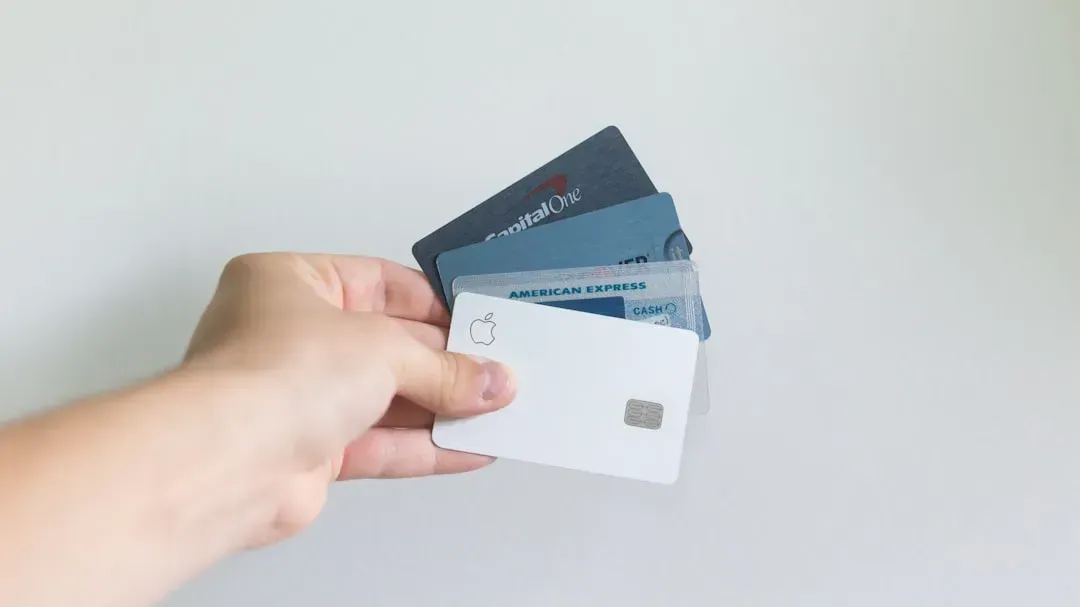
4. Deposits disguised as friendly holds (Image Credits: Unsplash)
Diners often hear the word deposit and assume they are being asked to pay something upfront just to eat dinner. That reaction is understandable but usually wrong these days. The word deposit can put people off, since guests imagine handing over money upfront, a commitment many aren’t comfortable with for a casual dinner out, but a modern restaurant deposit seldom works that way.
What actually happens is a temporary hold rather than a charge. A pre-authorisation hold is placed on the guest’s card, the amount is reserved but never charged unless the guest no-shows or cancels outside the policy window, and if they show up as planned, the hold is simply released and they pay nothing extra. It still feels strange the first time a confirmation email mentions a card hold for a burger and fries reservation, even if nothing ends up being charged.
5. Cancellation fees that shrink the grace period
5. Cancellation fees that shrink the grace period (Image Credits: Unsplash)
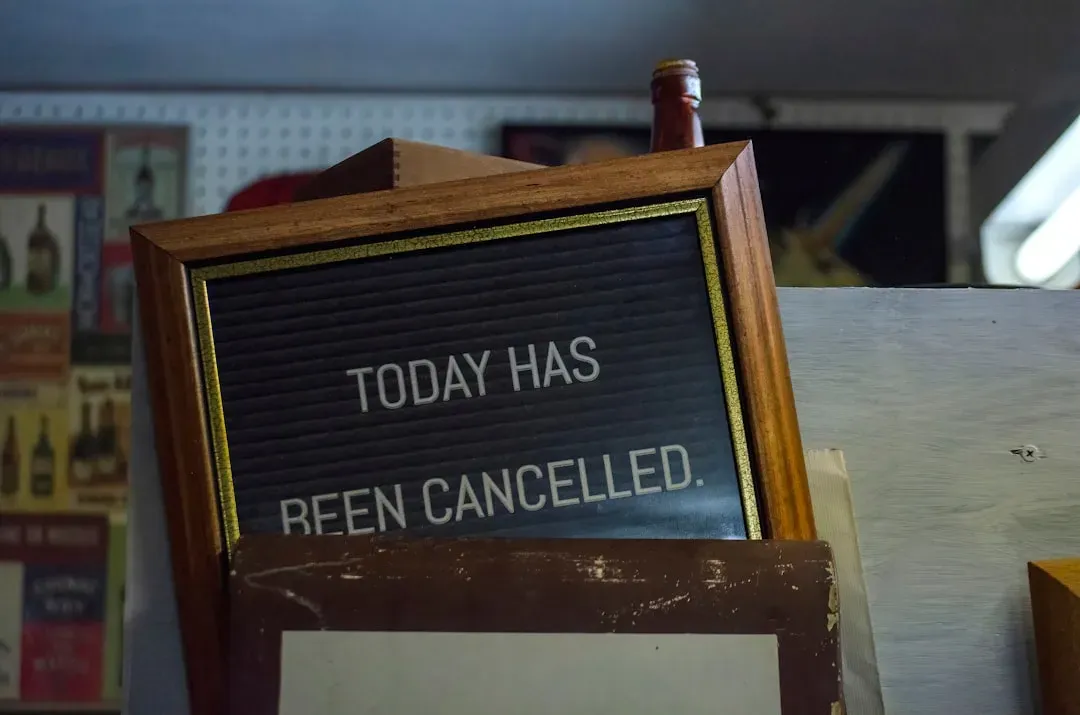
Cancelling a reservation used to be as simple as a quick phone call, sometimes even a same-day one. That window has been shrinking as restaurants tighten their policies around last-minute changes. Restaurant reservation cancellation fees have become a critical tool for operators fighting revenue losses, and guests cancelled reservations 19 percent less often in 2024 than in 2023 as the growing implementation of cancellation fees proved effective.
Some places now use sliding scales rather than flat fees. Some restaurants implement tiered systems where deposits may be fixed or variable, with variable fees fluctuating based on factors like party size or reservation time. It means the exact penalty for backing out at the last minute can differ wildly depending on the day, the table size, and how close it is to peak dinner hours.
6. Service charges for large tables that show up before you even order
6. Service charges for large tables that show up before you even order (Image Credits: Unsplash)
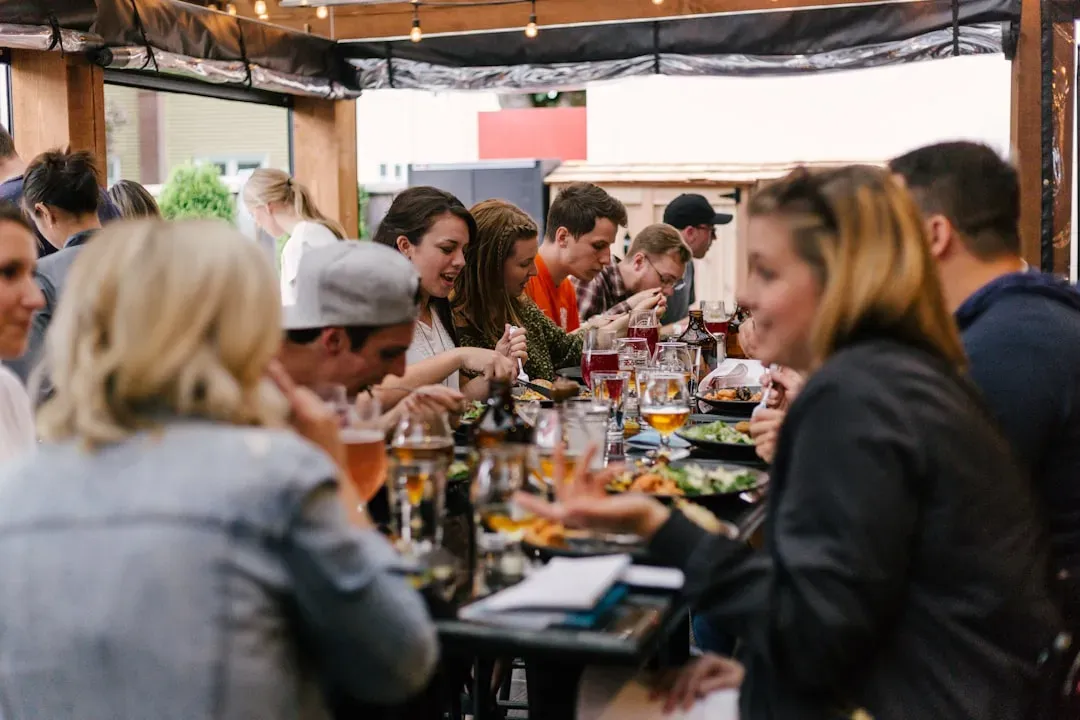
Beyond gratuity, some restaurants have started layering on separate service fees specifically for bigger groups, often disclosed only in fine print. Automatic gratuity can come in handy when a table wants separate checks for each person, for banquets and other functions, or when a party of typically six to eight or more is seated. The rules around how transparent restaurants must be about this are getting tighter in some cities.
New York regulators, for instance, have been debating exactly how these charges should be disclosed. Proposals suggest a mandatory fee in lieu of a gratuity for parties over a certain size may be charged, but it must be clearly stated on the menu, on online reservation sites, and at the entrance to the premises, since it’s too late once a guest has already sat down. Until rules like that are finalized everywhere, the fee still catches plenty of diners off guard when the bill finally lands on the table.
Taken together, these six rules say less about diners behaving badly and more about restaurants trying to survive on margins that barely leave room for error. None of them are likely to disappear soon, since the financial pressure driving them has only grown. Reading the fine print before booking a table has quietly become as useful a habit as checking a menu for prices.