
Every year, millions of travelers land at U.S. airports carrying a little piece of their trip in their carry-on: a wedge of cheese, a jar of homemade jam, maybe a sausage tucked into a suitcase corner. Most of them have no idea they're breaking a rule that exists for reasons far more serious than bureaucratic nitpicking.
Agricultural inspectors aren't hunting for contraband snacks out of spite. They're trying to keep pests and diseases that could devastate American farms and livestock from hitching a ride in someone's luggage. Still, despite warning signs, customs forms, and the occasional beagle sniffing bags at baggage claim, certain foods keep showing up anyway.
1. Fresh fruits and vegetables from most countries
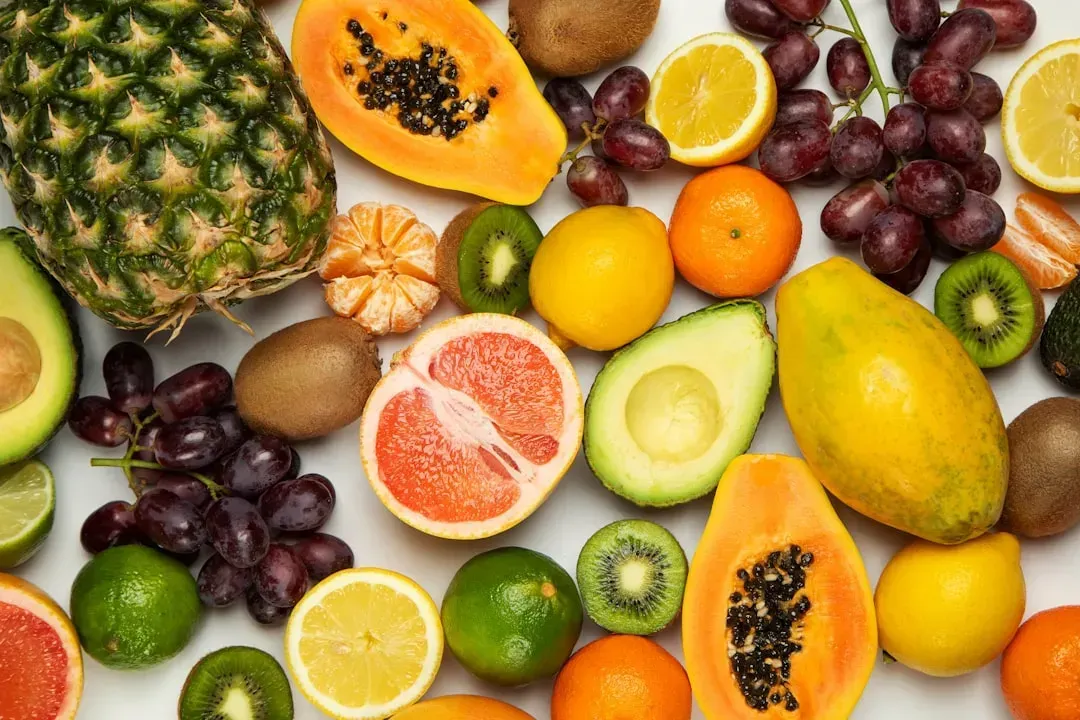
1. Fresh fruits and vegetables from most countries (Image Credits: Unsplash)
This is probably the most commonly broken rule at customs, and often the most innocent. Almost all fresh fruits and vegetables, whether whole or cut, are prohibited from entering the United States because of the potential pest and disease risks to American agriculture. That mango you grabbed at a market in Thailand or the apple left over from your flight meal both fall into this category.
Travelers are told plainly to leave them behind, and that applies even to fruit handed out on the plane itself. This includes fresh fruits or vegetables given to you on your airplane or cruise ship, and travelers are asked to plan to leave them behind. Certain countries have even tighter restrictions. Oranges, grapefruit, tangerines, sour oranges, sweet limes, guavas, mangoes, peaches, and pomegranates from Mexico are specifically prohibited.
2. Fresh and cured meats, including sausages and jerky
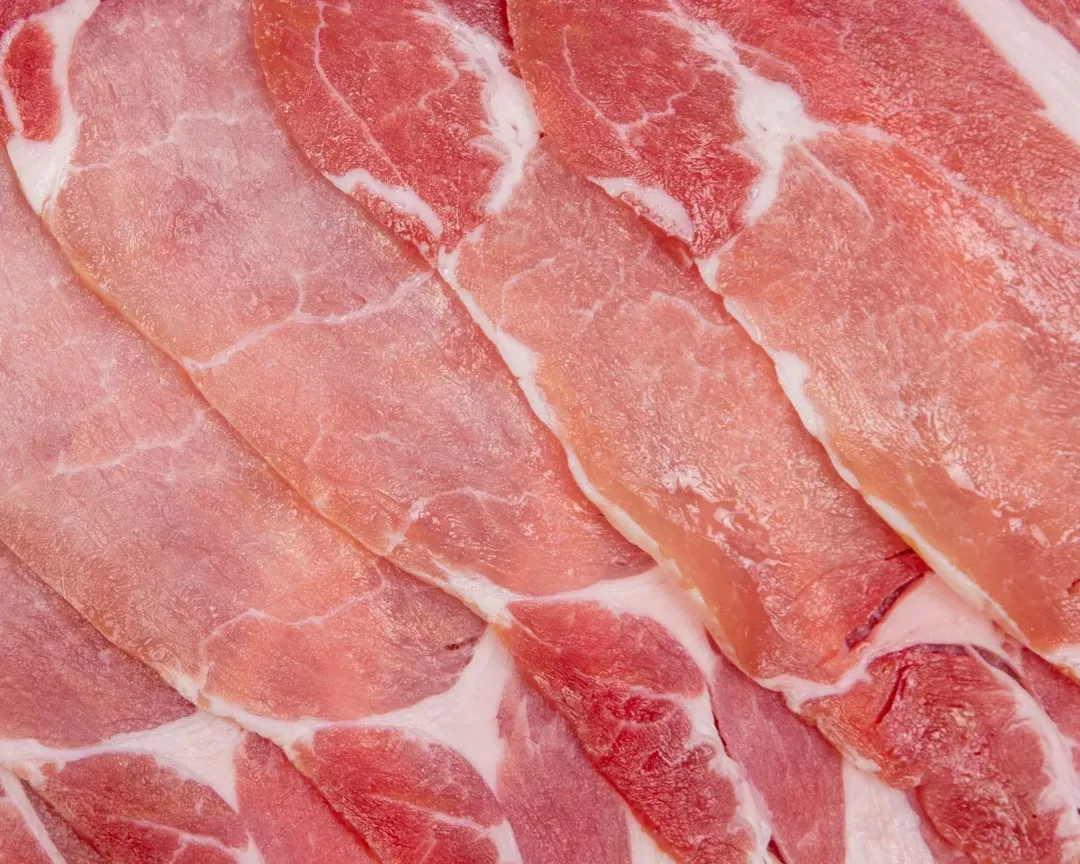
2. Fresh and cured meats, including sausages and jerky (Image Credits: Unsplash)
Meat is one of the strictest categories, and also one of the most tempting to smuggle home, especially cured meats from Europe that seem too flavorful to leave behind. The regulations governing meat and meat products are stringent, and travelers may not import fresh, dried, or canned meats or meat products from most foreign countries into the United States. That covers Italian prosciutto, Spanish chorizo, and homemade beef jerky picked up at a farmers market abroad.
It doesn’t stop at raw cuts either. Food products that have been prepared with meat are also barred from entry. The rules shift depending on global disease outbreaks, so a country that’s fine one year might be restricted the next. Regulations on importing meat and meat products change frequently because they are based on disease outbreaks in different areas of the world, and APHIS regulates meats and meat products as well as fruits and vegetables.
3. Home-canned goods of any kind
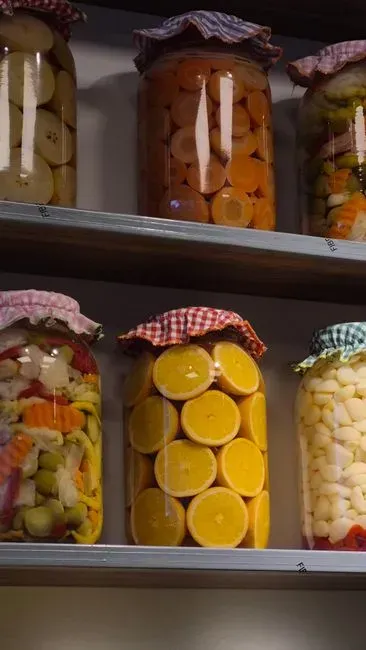
3. Home-canned goods of any kind (Image Credits: Pexels)
Grandma’s homemade pickles or a neighbor’s jar of preserved tomatoes might seem harmless, but they’re actually a gray area travelers get wrong constantly. Commercially canned goods are fine, but homemade versions are not. Travelers may bring commercially canned fruits and vegetables into the United States as long as they declare them, but home-canned products are not allowed entry because canning practices can vary and may not remove all pest and disease risks.
The distinction comes down to process control. A factory follows strict sterilization standards; a home kitchen doesn’t, no matter how careful the cook. That inconsistency is exactly what inspectors are trained to flag, even when the jar looks perfectly sealed and store-bought.
4. Soft and liquid dairy products, especially certain cheeses

4. Soft and liquid dairy products, especially certain cheeses (Image Credits: Pexels)
Cheese rules trip up more travelers than almost any other category because the line between allowed and prohibited depends on texture and origin. Solid cheese is generally allowed as long as it does not contain meat, and soft cheeses like Brie and mozzarella are permitted, while liquid options including cottage and ricotta are not allowed from certain countries. Even a favorite like feta can run into trouble. Greek feta, for instance, is restricted.
Milk products carry their own separate rule that surprises a lot of parents. Milk is generally not allowed unless it is for infants. A traveler bringing back a wheel of soft cheese wrapped in cloth from a European market might be fine, or might not, depending entirely on what country it came from and whether it was declared honestly.
5. Dried fruits, nuts, and spices without proper clearance
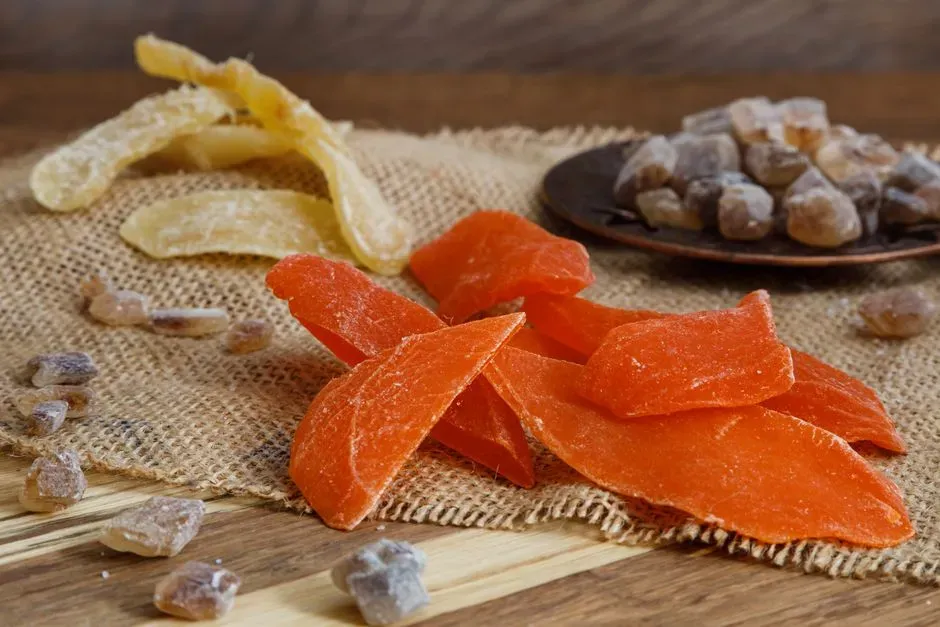
5. Dried fruits, nuts, and spices without proper clearance (Image Credits: Pexels)
Dried food feels shelf-stable and safe, which is probably why so many travelers assume it sails through customs without issue. That assumption is often wrong. Most dried fruits and vegetables are not allowed into the United States without meeting special requirements to prevent the introduction of pests and diseases.
There is a short list of exceptions that are generally fine to declare and bring. Dried beans, dates, figs, nuts other than chestnuts or acorns, okra, peas, raisins, and Szechwan peppercorns are generally allowed but must be declared and presented for inspection. Outside that narrow list, dried mango slices from a Southeast Asian market or bulk dried chilies from a spice stall can still get confiscated, even though they look completely dried out and inert.
6. Frozen fruits and vegetables carried in coolers
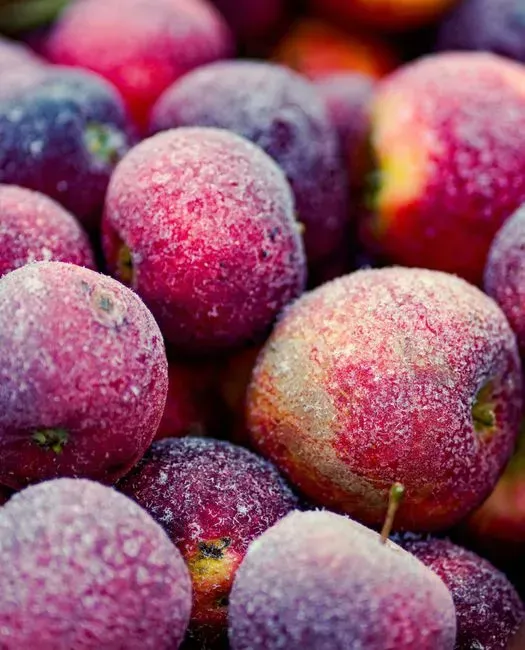
6. Frozen fruits and vegetables carried in coolers (Image Credits: Pexels)
Travelers sometimes assume freezing kills off any risk, packing frozen produce in insulated bags for the flight home. That assumption doesn’t hold up under USDA rules. As with fresh fruits and vegetables, almost all frozen fruits and vegetables are prohibited from entering the United States because some pests and diseases can survive very cold temperatures, so travelers are told to plan to leave them behind.
This one catches people off guard more than most, because freezing is generally treated as a preservation method that makes food safer. Agriculturally speaking, though, cold doesn’t equal sterile. A frozen bag of tropical fruit or vegetables from a home country’s grocery store still counts as a live pest risk in the eyes of inspectors.
7. Products from countries facing active livestock disease outbreaks
7. Products from countries facing active livestock disease outbreaks (Image Credits: Unsplash)
This category shifts constantly, which is part of why travelers get caught off guard even when they think they’ve done their research. Meat and animal product rules aren’t fixed; they respond to real-time disease conditions abroad. Most poultry, cattle, swine, sheep, or goat meat, or meat products from countries affected with certain serious livestock diseases, face restrictions.
A country that was perfectly fine to bring pork products from last year might suddenly be restricted this year because of an outbreak of a disease like African swine fever or avian influenza. Travelers relying on outdated blog posts or advice from a previous trip are especially at risk here, since the safe list can change with little public fanfare between visits.
8. Undeclared items travelers assume are "too small to matter"
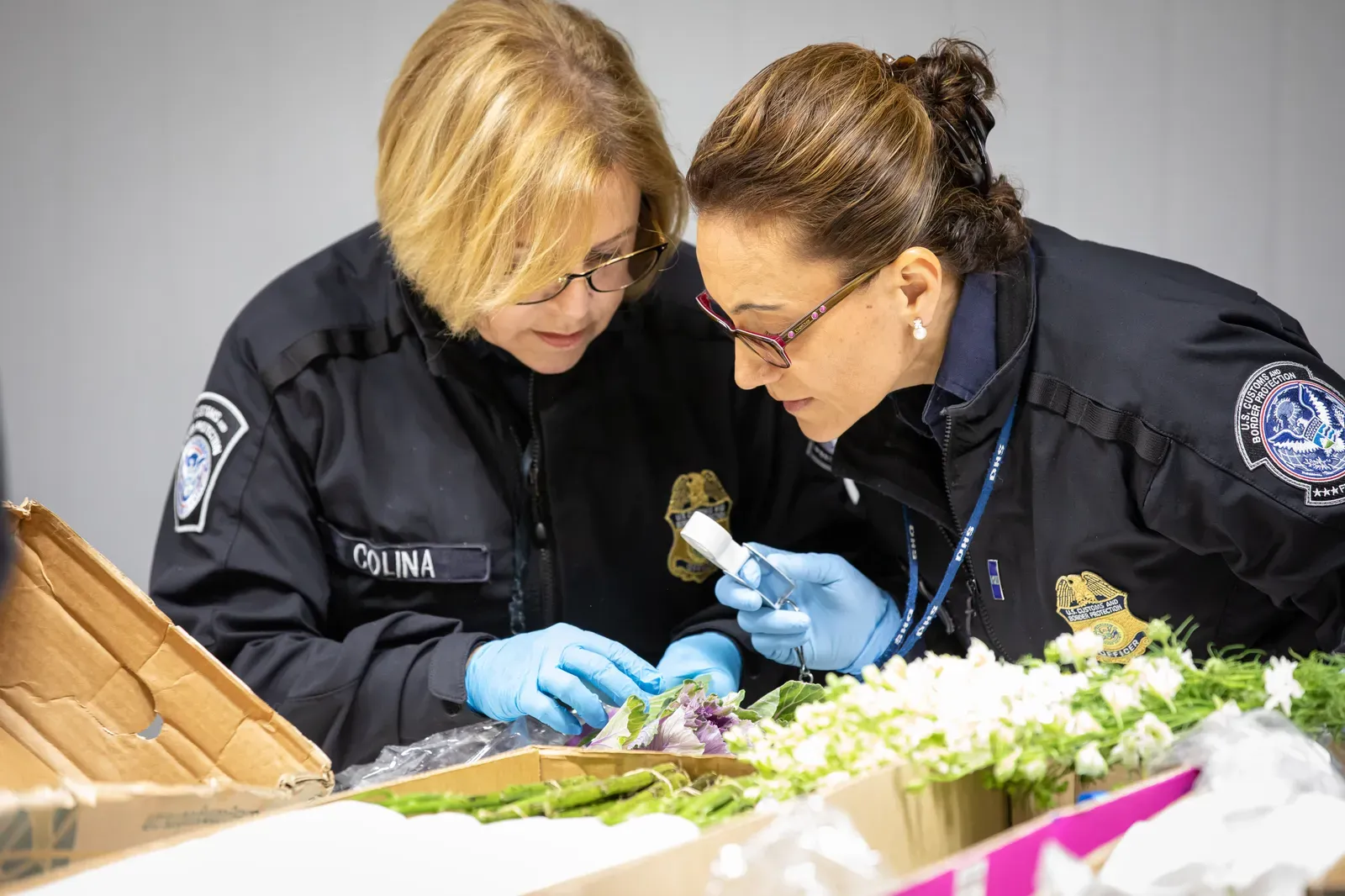
8. Undeclared items travelers assume are "too small to matter" (By Ozzy Trevino, U.S. Customs and Border Protection, <a href="https://commons.wikimedia.org/w/index.php?curid=76909883" target="_blank" rel="noopener">Public domain</a>)
The final category isn’t a specific food so much as a mindset, and it causes more problems than any single item on this list. Many travelers figure a small amount of cheese, one chocolate bar with a questionable filling, or a single sausage isn’t worth declaring. That instinct backfires. U.S. Customs restricts or prohibits fresh fruits, vegetables, meats, homemade food, herbs, seeds, and dairy products, and undeclared prohibited items can be confiscated, with travelers facing fines or delays.
Declaring honestly, even when unsure, tends to work out far better than guessing wrong. As long as travelers declare all of the agricultural products they are bringing with them, they will not face any penalties, even if an inspector determines the items cannot enter the country. The items might still get taken away, but the fine and the hassle usually disappear the moment someone tells the truth on the form.
None of these rules exist to ruin a vacation or punish someone for loving good food abroad. They’re there because a single overlooked pest or pathogen, riding quietly inside a suitcase, has the potential to cause agricultural damage that takes years to undo. The safest approach for any traveler remains the simplest one: when in doubt, declare it, and let the inspector make the call.