
Most of us keep things in the fridge far longer than we should, tucking jars and containers into the back of a shelf and forgetting about them for months. The trouble is that some ingredients turn from useful to risky quietly, without an obvious smell or visible mold to warn you. Knowing which items carry the highest risk of spoilage or contamination can save you from an unpleasant stomach bug, or worse.
1. Raw eggs past their sell-by window
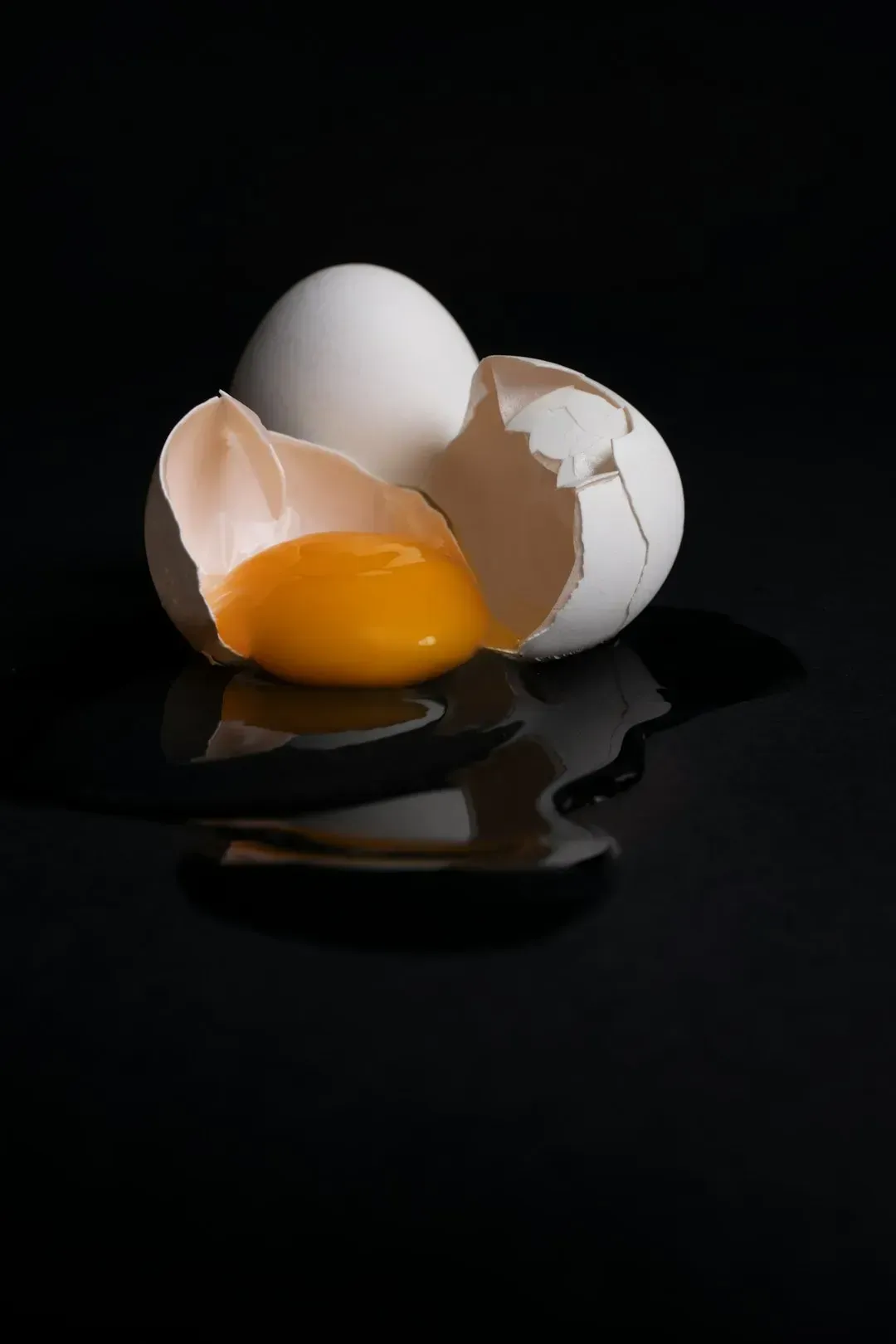
1. Raw eggs past their sell-by window (Image Credits: Unsplash)
Eggs are one of the more deceptive fridge items because they can look and smell perfectly normal while harboring salmonella risk well past their prime. The float test, where a fresh egg sinks and an old one floats due to air buildup inside the shell, is a quick way to check before cracking one into a pan. Once eggs are three to five weeks past the pack date, or if the shell has any cracks, they belong in the trash rather than the omelet.
Refrigeration slows bacterial growth but does not stop it entirely, and eggs stored above forty degrees Fahrenheit for even a short stretch during a power outage should not be trusted. If you notice a sulfur-like odor when cracking one open, that is your answer immediately. Better to lose an egg than a weekend to food poisoning.
2. Leftover rice sitting for more than a day

2. Leftover rice sitting for more than a day (Image Credits: Unsplash)
Cooked rice has a reputation problem for good reason. Bacillus cereus spores survive cooking and can multiply rapidly at room temperature, producing toxins that resist reheating entirely. This is why the common advice is to cool rice quickly and refrigerate it within an hour of cooking, then eat it within a day or two at most.
If a container of rice has been sitting in the fridge for three or four days, or if it was left out on the counter overnight before being stored, it is safer to discard it. The toxin produced by this bacteria does not break down with reheating, so a quick zap in the microwave will not save it. This is one of the more overlooked causes of home food poisoning cases.
3. Ground meat past two days in the fridge
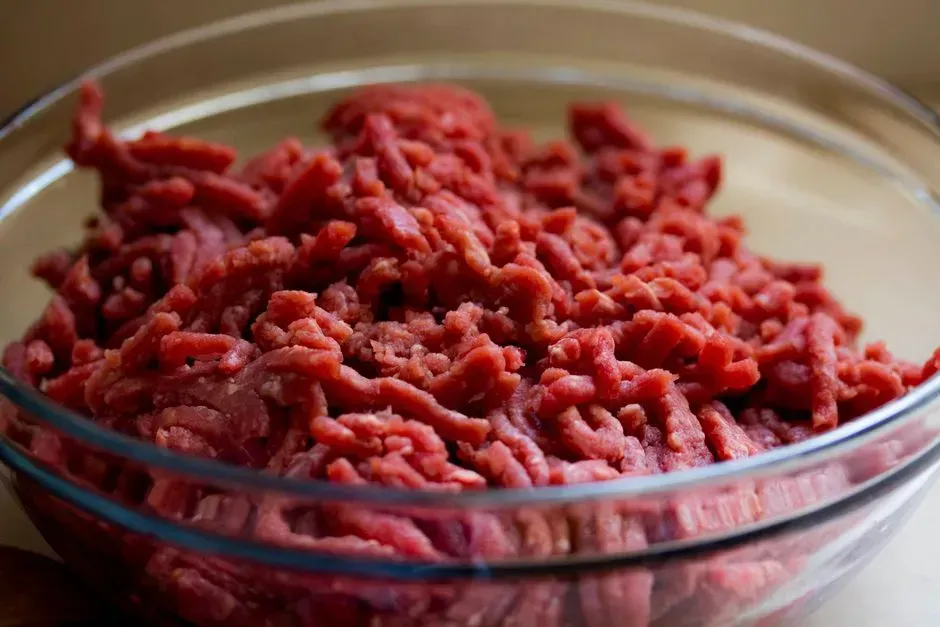
3. Ground meat past two days in the fridge (Image Credits: Pexels)
Ground beef, turkey, and pork spoil faster than whole cuts because grinding increases the surface area exposed to bacteria. The USDA recommends using or freezing ground meat within one to two days of purchase, and that window shrinks further once the package has been opened. A grayish-brown color alone is not a reliable spoilage indicator since it can happen from oxidation, but a sour or ammonia-like smell definitely is.
Sticky or slimy texture on the surface is another clear sign that bacteria have taken hold and multiplied beyond safe levels. If you are ever unsure whether ground meat is still good, the smell test combined with the purchase date is your best guide. When in doubt, it goes in the trash rather than the pan.
4. Soft cheeses with any mold growth

4. Soft cheeses with any mold growth (Image Credits: Unsplash)
Hard cheeses like cheddar or parmesan can often have small mold spots cut away safely because their dense structure limits how far mold can spread. Soft cheeses such as brie, ricotta, or cottage cheese are a different story entirely. Their higher moisture content lets mold roots travel much further than what is visible on the surface, according to USDA food safety guidance.
If you spot fuzzy spots, unusual colors, or a strong ammonia smell on a soft cheese, the whole container should be discarded rather than salvaged. This is especially true for anything with cream as a base, since bacteria thrive in that environment. It is a small loss compared to the risk of listeria exposure, which is particularly dangerous for pregnant women and older adults.
5. Opened deli meats past a week

5. Opened deli meats past a week (Image Credits: Pexels)
Sliced deli meat is one of the more common sources of listeria outbreaks in the United States, and the risk climbs the longer a package sits open in the fridge. Once opened, most deli meats should be consumed within three to five days, and even unopened vacuum-sealed packages have a shorter safe window than many people assume. Listeria can grow at refrigerator temperatures, which is part of what makes it so tricky compared to other foodborne bacteria.
A grayish tint, a slimy film, or a sour smell are all signs the meat has turned. Given that recent years have seen several multistate listeria recalls tied to deli products, it pays to be a little more cautious than you might have been in the past. If the package has been open longer than a week, it is not worth the gamble.
6. Mayonnaise or creamy dressings left out too long
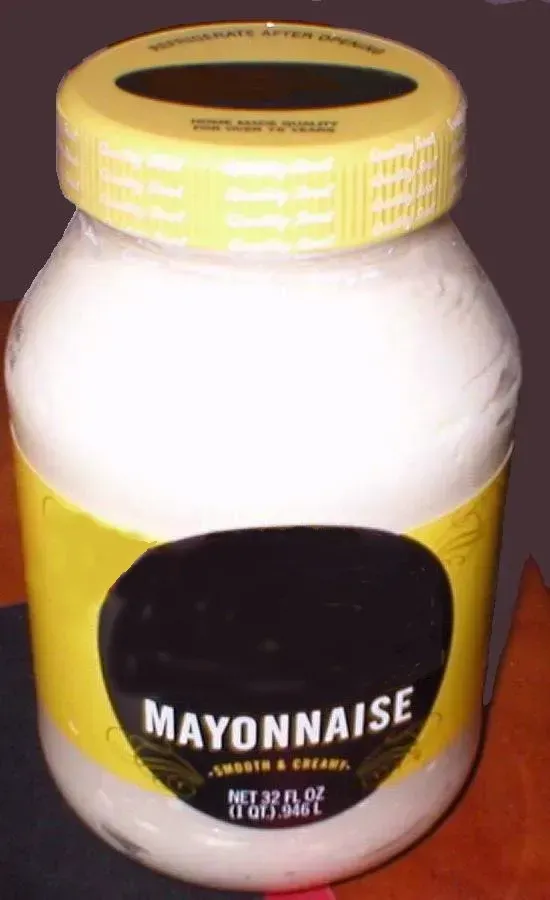
6. Mayonnaise or creamy dressings left out too long (<a href="https://commons.wikimedia.org/w/index.php?curid=253341" target="_blank" rel="noopener">Public domain</a>)
Store-bought mayonnaise is more shelf-stable than most people expect thanks to its vinegar and lemon juice content, which keeps the pH low enough to slow bacterial growth. Still, once opened, it should be refrigerated consistently and used within about two months for best quality and safety. The bigger danger comes from mayonnaise-based dishes like potato salad or chicken salad that sit out during a picnic or party.
Anything creamy left at room temperature for more than two hours, or one hour if it is a particularly hot day, should be tossed rather than returned to the fridge. Homemade mayonnaise made with raw eggs carries extra risk and should be treated more like a perishable dairy product. When the texture separates or turns watery and yellow, that is another clear signal it has gone bad.
7. Milk with a sour smell before the printed date
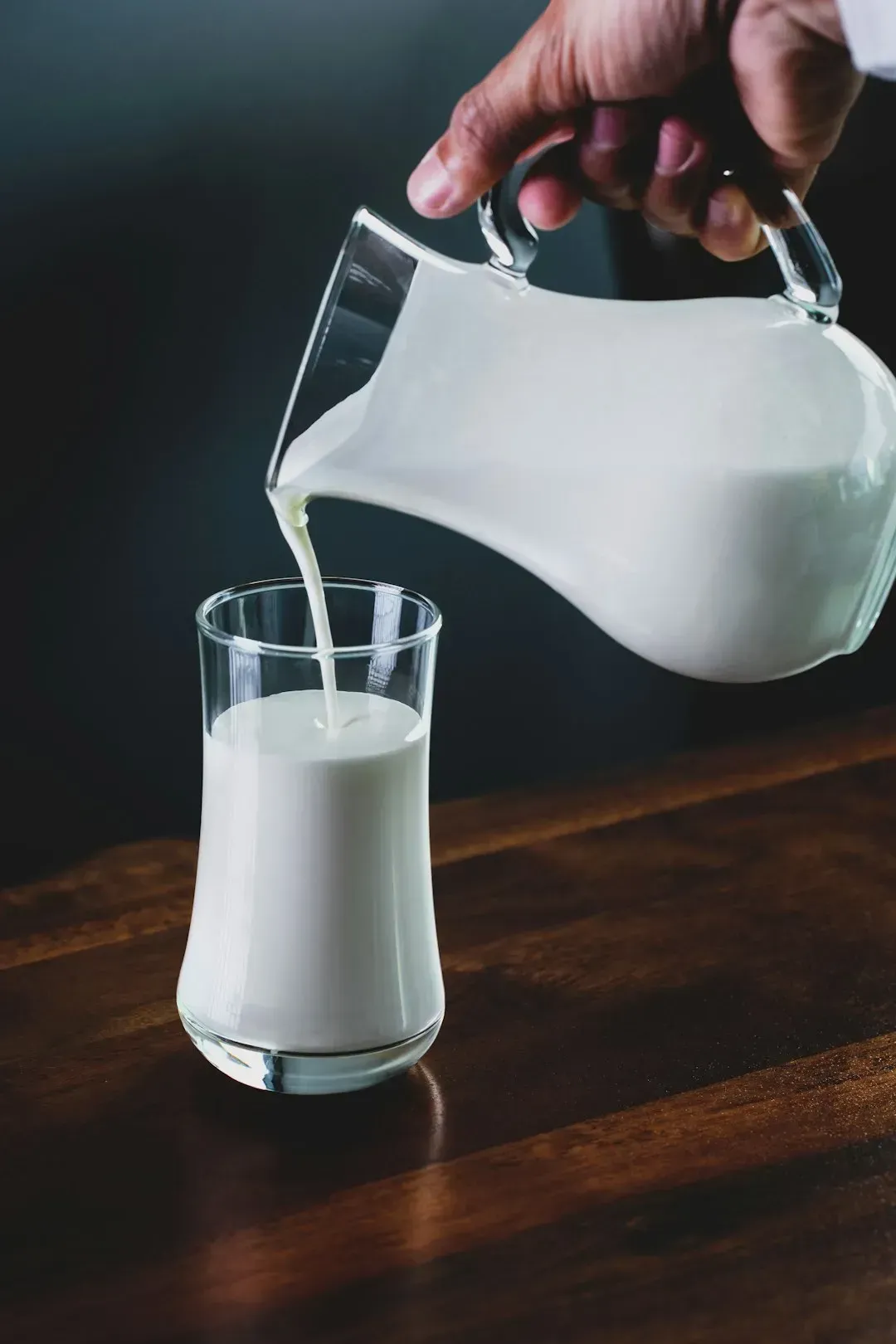
7. Milk with a sour smell before the printed date (Image Credits: Unsplash)
Milk can spoil earlier than its printed date if the fridge temperature runs warmer than the recommended forty degrees Fahrenheit or below. A sour smell, a slightly yellow tint, or clumping texture are the classic signs that bacteria like Lactobacillus have taken over. Giving it a small taste test after checking the smell is generally safe, since spoiled milk tastes distinctly unpleasant before it becomes harmful.
Curdling in coffee or tea is often the first real world sign people notice, and by that point the carton should go straight into the sink. Plant-based milk alternatives spoil differently and often show separation or a thicker texture rather than the classic sour smell. Either way, once the change is noticeable, it is not something reheating or shaking will fix.
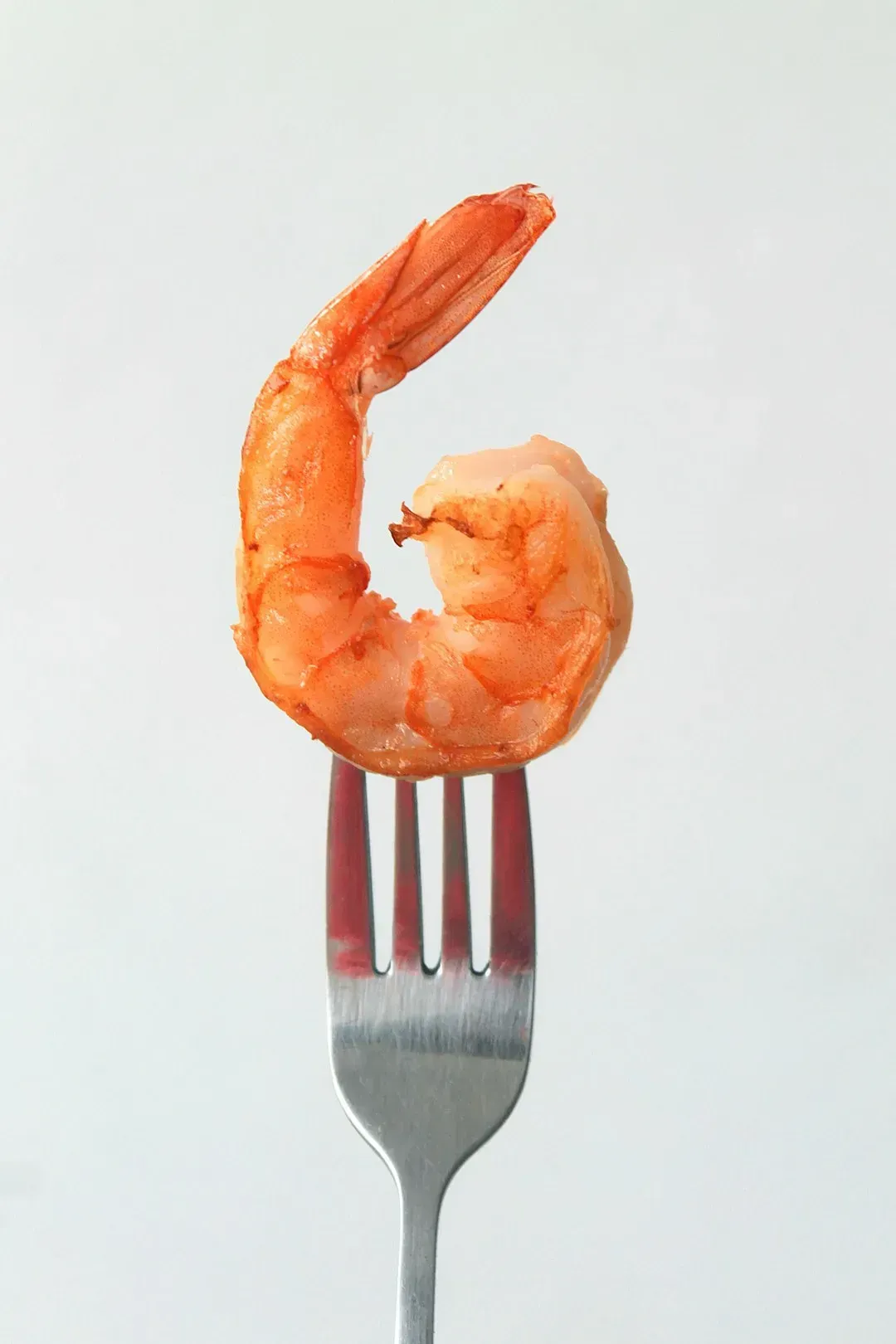
8. Leftover seafood after two days
8. Leftover seafood after two days (Image Credits: Unsplash)
Fish and shellfish carry a higher risk profile than most other proteins because of how quickly bacteria multiply in their tissue once cooked. The general guidance from food safety agencies is to eat cooked seafood within three to four days, though many chefs and nutritionists suggest sticking closer to two days for shellfish specifically. A strong ammonia smell, which is different from the normal mild ocean scent of fresh fish, is the clearest warning sign.
Shrimp, crab, and other shellfish spoil faster than firm fish like salmon or tuna due to their delicate protein structure. If leftover seafood has developed a dull, grayish appearance or a slippery texture, it has crossed the line from edible to risky. Reheating will not neutralize the histamines that can build up in spoiled fish, which are what actually cause the illness known as scombroid poisoning.
9. Opened jars of homemade sauces or salsas

9. Opened jars of homemade sauces or salsas (Image Credits: Pexels)
Store-bought jarred sauces often contain preservatives that extend their fridge life to a couple of weeks after opening, but homemade versions lack that protection entirely. A fresh tomato salsa or pesto made at home without added preservatives should generally be eaten within three to five days. Any bubbling, fizzing, or off smell is a sign that fermentation has started unintentionally, which means unwanted bacteria are at work.
Cloudiness in a sauce that was originally clear, or a layer of unusual liquid pooling on top, both point toward spoilage. Garlic-based sauces deserve particular caution since improperly stored garlic in oil can create conditions for botulism, a rare but serious risk. If a homemade sauce has been sitting for over a week, it is simply not worth testing your luck.
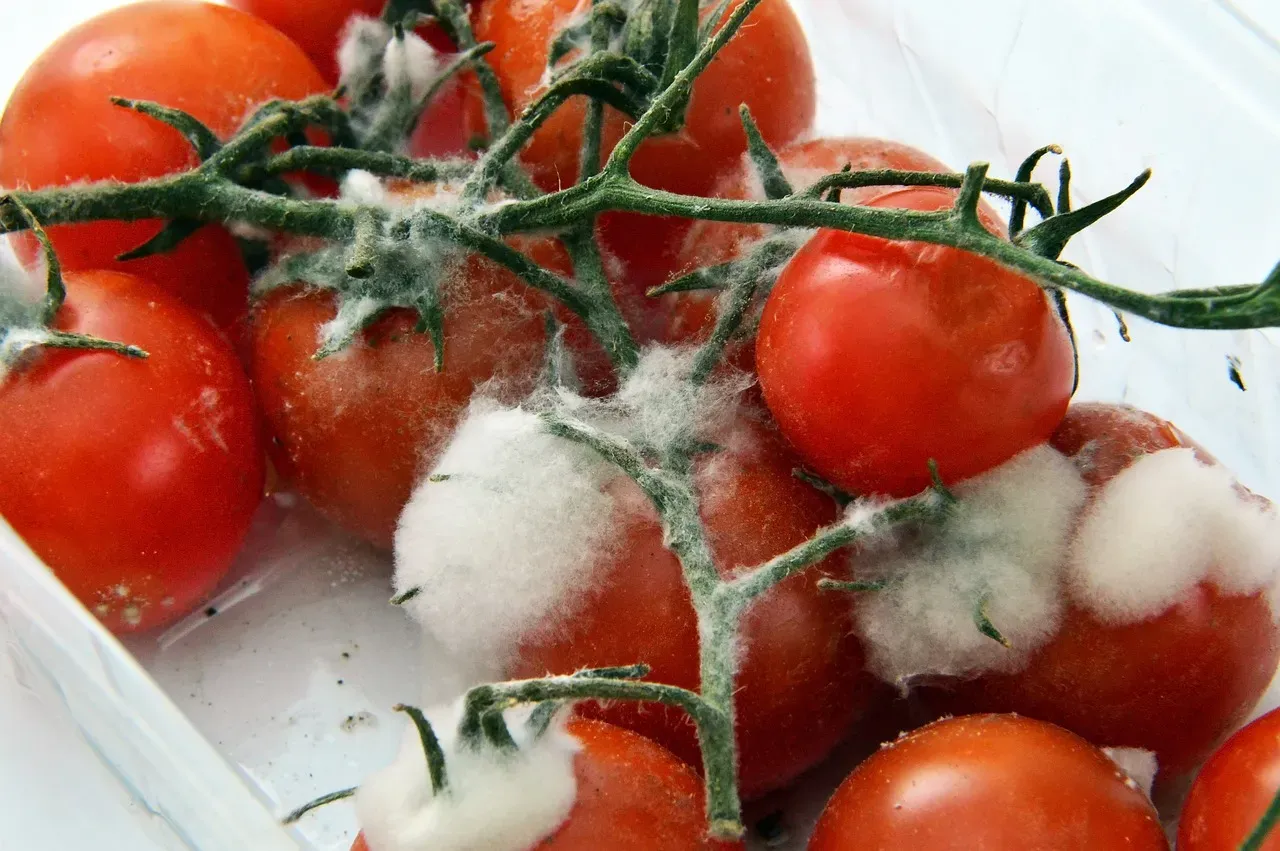
10. Soft fruits and vegetables with mushy spots
10. Soft fruits and vegetables with mushy spots (Image Credits: Pixabay)
Produce spoilage is often more visual than anything else, but the rules differ depending on water content. Soft fruits like berries, peaches, or tomatoes develop mold quickly once one spot turns mushy, and unlike hard cheese, cutting around the bad part rarely saves the rest. Mold spores spread invisibly through soft, moist tissue far faster than they do through firmer produce.
Leafy greens that have turned slimy or developed a strong odor should also be tossed rather than rinsed and reused, since bacteria like E. coli can survive a simple water rinse. A little softness on an apple or potato is usually fine, but any sign of dark liquid seeping out signals the item is past saving. When in doubt with produce, trust your nose and your eyes together rather than just one or the other.
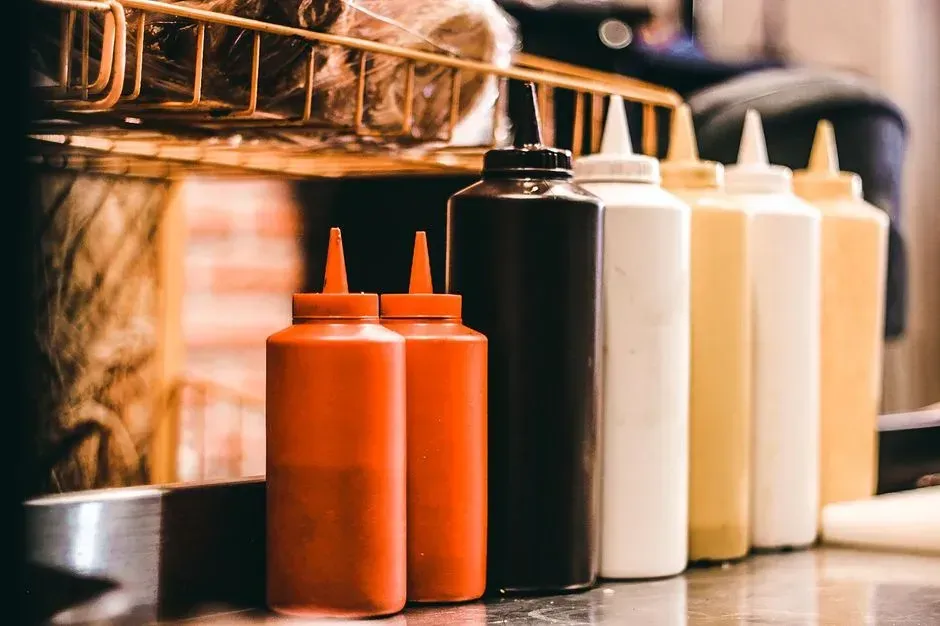
11. Old condiments with separated oil or changed color
11. Old condiments with separated oil or changed color (Image Credits: Pexels)
Condiments like ketchup, mustard, and barbecue sauce last a long time thanks to sugar, salt, and vinegar content, but they are not immortal. Once opened, most should be used within six months to a year, and any visible mold on the inside of the lid or around the rim is an automatic sign to discard. A change in color, such as ketchup turning noticeably darker or mustard developing a grayish tint, often signals oxidation that has gone too far.
Oil-based condiments like certain salad dressings can separate naturally, which is not always a spoilage sign, but a rancid smell definitely is. If a condiment has been sitting in the fridge door for over a year without being touched, it is probably time to let it go regardless of appearance. These are often the easiest items to overlook simply because they last so long that people forget to check them at all.
Keeping a mental checklist of these eleven categories makes fridge cleanouts faster and safer, especially since spoilage signs are not always obvious at first glance. A little attention to smell, texture, and how long something has actually been sitting there goes a long way toward avoiding an unnecessary trip to the doctor.