
Walk into almost any grocery store in 2026 and you’ll notice something strange happening at the register. The total keeps climbing, even when the cart looks the same as it did a year ago. Some of that comes down to broad inflation, but a good chunk of it comes from markups on specific items that have almost nothing to do with the actual cost of making them.
We looked at pricing data, industry reports, and shopper research to rank the grocery items where the gap between cost and price is the widest. Some of these will surprise you. Others you probably already suspected but kept buying anyway, because convenience has a way of winning out over math.
1. Bottled water
1. Bottled water (Image Credits: Pexels)
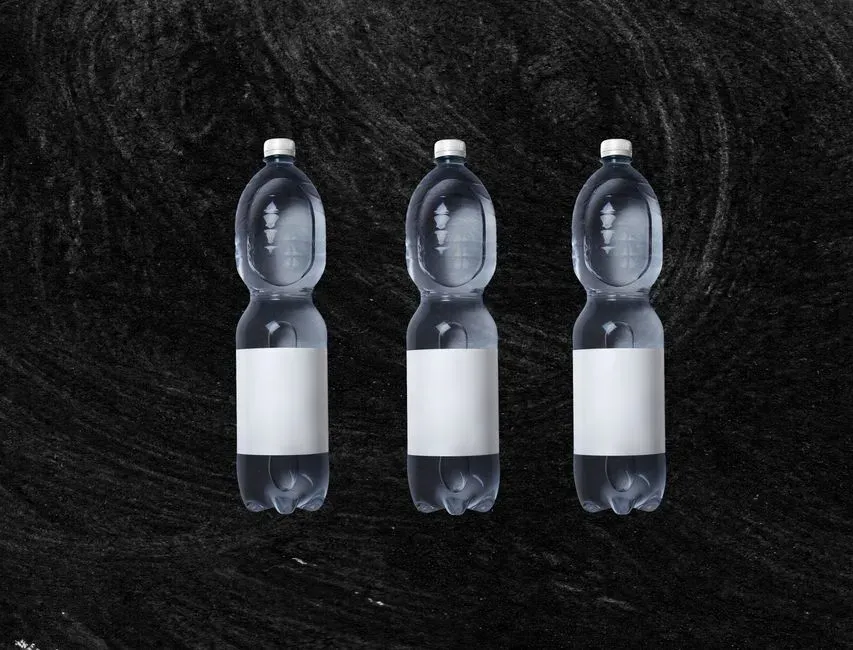
Bottled water tops nearly every list of grocery markups, and for good reason. Bottled water is by far the most overpriced item in a grocery store. One estimate puts the markup on some bottled water products as high as four thousand percent compared to what municipal tap water actually costs.
Despite the math, Americans aren't slowing down. Americans drank some 16.4 billion gallons of bottled water in 2024, enough to fill the Houston Astrodome 50 times, earning bottled water companies $28.2 billion in revenue. A reusable bottle and a basic tap filter erase almost the entire expense within a matter of weeks.
2. Bagged ice

2. Bagged ice (By Alicia Fagerving, <a href="https://commons.wikimedia.org/w/index.php?curid=139829189" target="_blank" rel="noopener">CC BY-SA 4.0</a>)
Ice feels like it should be nearly free, and in terms of production it basically is. Ice costs somewhere around $0.25 per bag to produce, but the stores usually sell it for a couple dollars or more and pocket the difference. That works out to a markup north of six hundred percent on something that is, quite literally, frozen water.
The reason people keep buying it isn't mysterious. For the sake of iced tea and coolers of cold beer, most people are willing to pay it, since bagged ice is an in-demand item sold in a quantity not easily reproduced at home. It's a convenience tax, and shoppers pay it willingly during summer cookouts and parties without much complaint.
3. Pre-cut fruit and vegetables
3. Pre-cut fruit and vegetables (Image Credits: Unsplash)
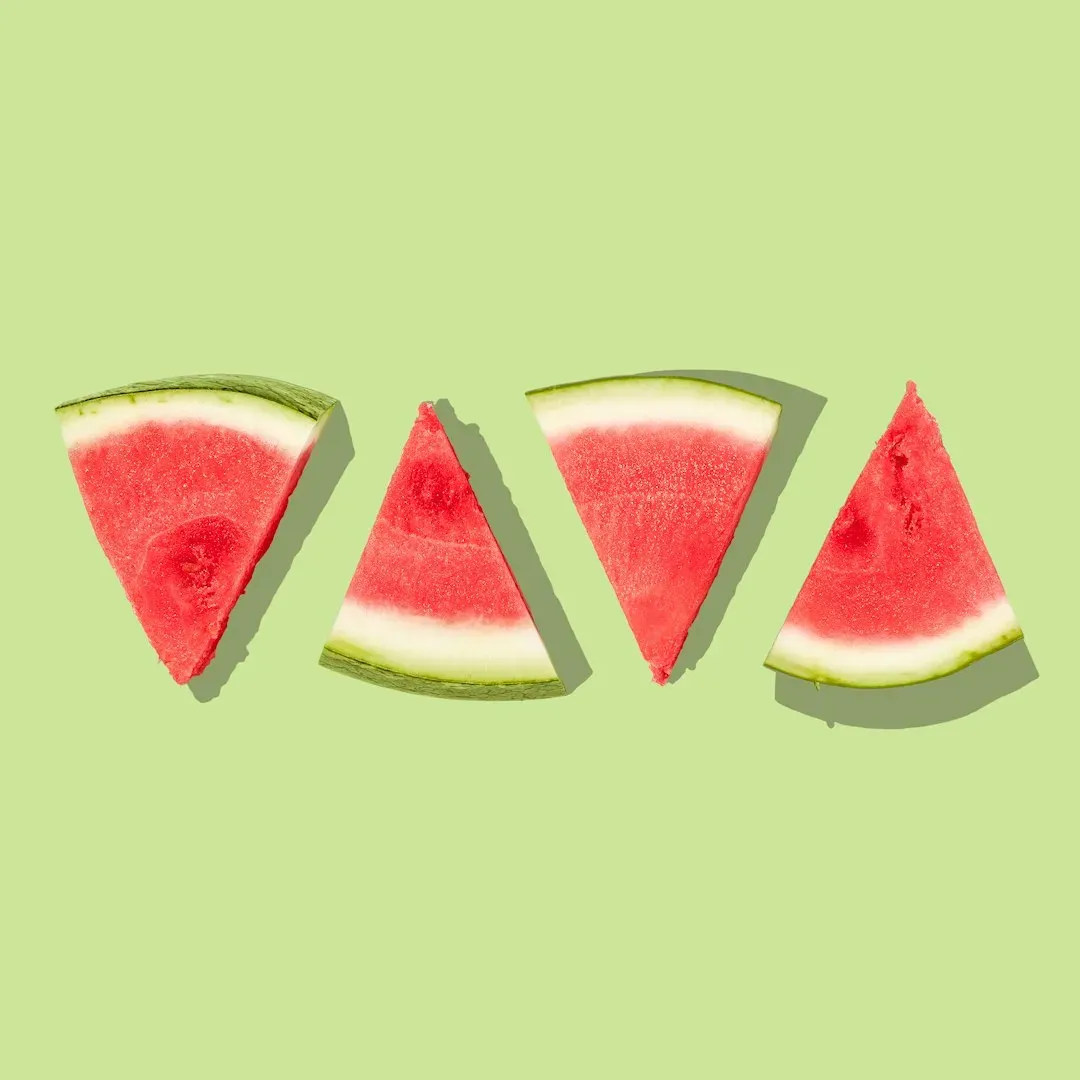
Pre-sliced melon, diced onions, and bagged veggie mixes look like a fair trade for saved time, but the pricing tells a different story. Pre-washed, pre-cut vegetables and fruits come with an average 40% markup, according to Finale Inventory. In some cases the difference is far more dramatic than a simple percentage suggests.
Watermelon is the clearest example of how steep this gets. A seeded watermelon typically costs 31 to 38 cents per pound, but one pound of fresh-cut watermelon chunks can set you back $6.16 at Wegmans. That's not a convenience fee anymore, it's a completely different price category for the exact same fruit.
4. Bagged salad kits
4. Bagged salad kits (Image Credits: Unsplash)
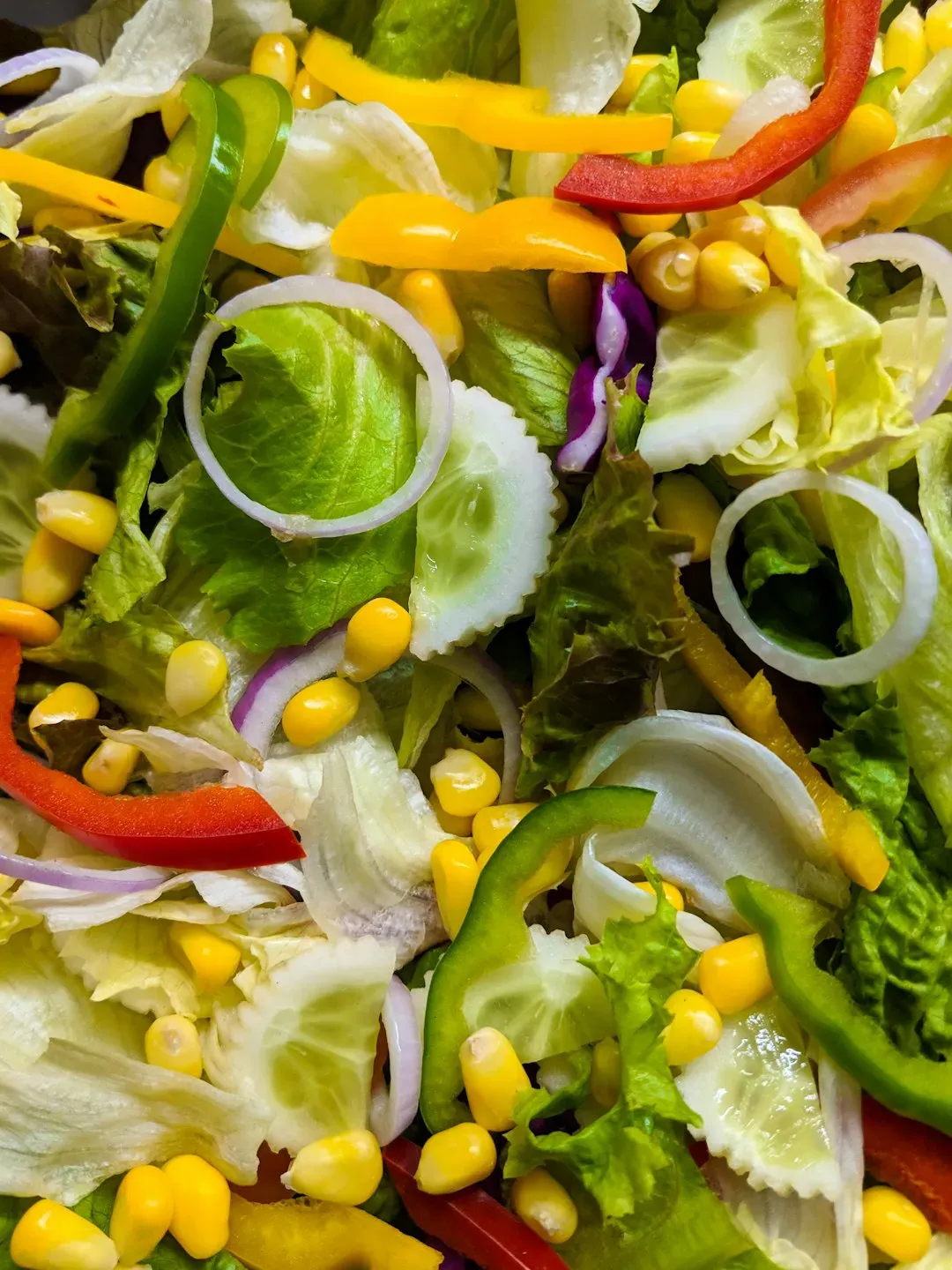
Salad kits promise dinner in under a minute, and they deliver on that promise, just not cheaply. Bagged salads can be more than four times as expensive as just buying a head of lettuce, pulling out a knife and cutting board, and doing all the prepping yourself. Once you factor in the plastic tray, the tiny dressing packet, and a small handful of croutons, the actual food inside starts to look pretty thin.
The convenience math rarely favors the shopper here. Assembling your own salad from whole lettuce, a big box of greens, and simple toppings often cuts the cost per serving noticeably compared with premium salad kits in the refrigerated case. Five extra minutes with a knife at home can meaningfully change your weekly grocery total if salad is a regular part of your routine.
5. Prepared meat and rotisserie-style products
5. Prepared meat and rotisserie-style products (Image Credits: Unsplash)
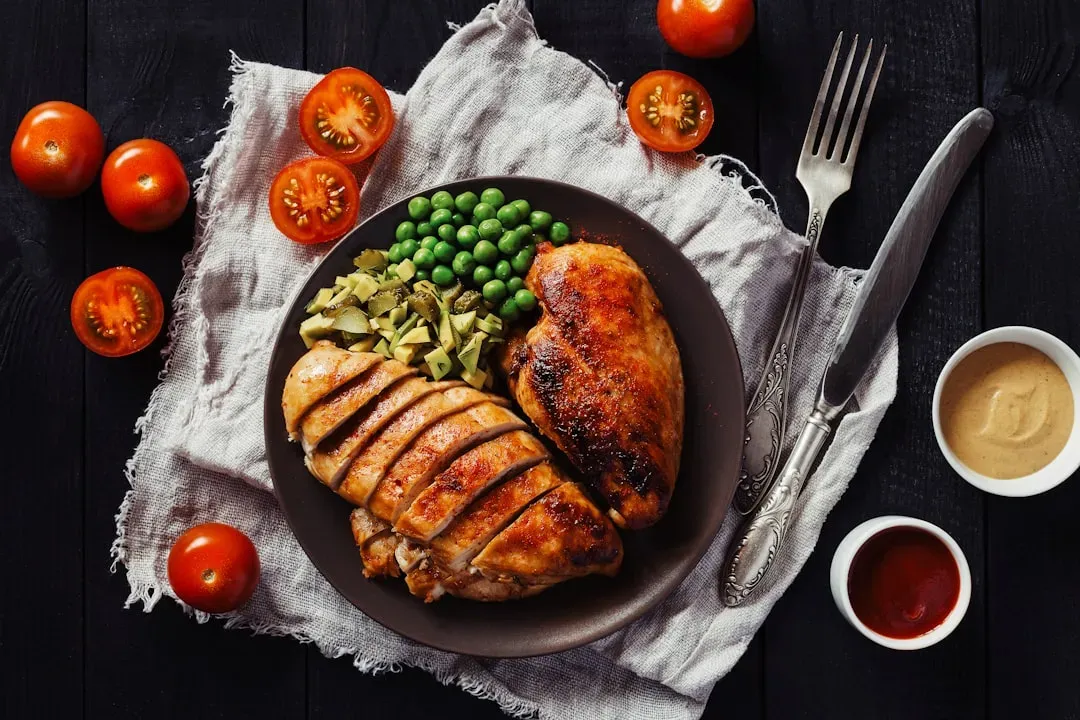
Marinated chicken breasts, pre-seasoned pork chops, and other ready-to-cook meat products carry some of the steepest markups in the meat case. Prepared meat that has already been chopped or marinated carries a 60% average markup, compared with a 40% markup on pre-cut fruits and vegetables. That's a meaningful jump for what usually amounts to some salt, oil, and a few spices added before packaging.
It isn't just about the added seasoning either. Prepared meats also tend to have shorter shelf lives once opened, meaning shoppers sometimes end up throwing away part of what they paid a premium for, which only widens the effective cost gap further.
6. Premade sandwiches and deli salads
6. Premade sandwiches and deli salads (Image Credits: Pexels)
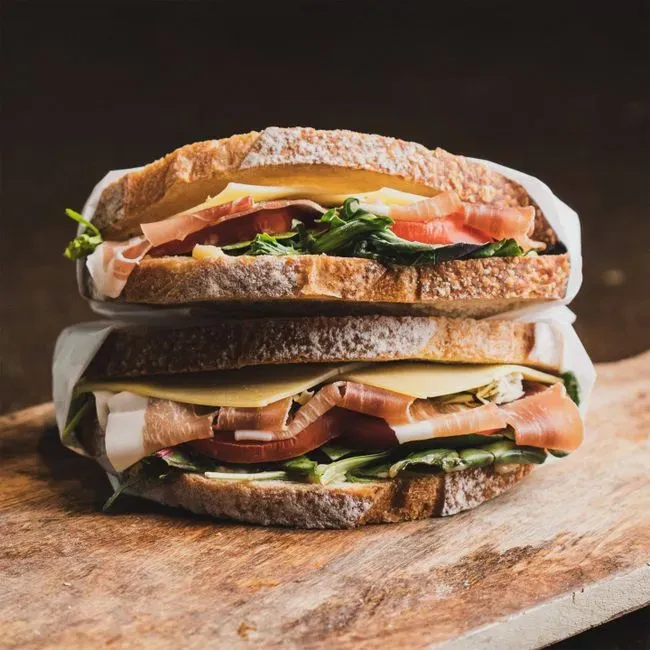
The deli case is another place where convenience quietly drains a grocery budget. Premade sandwiches and salads come with a high markup as well, at 44% for commissary or packaged sandwiches. A sandwich that costs seven or eight dollars often contains ingredients that would run half that price if bought separately and assembled at home.
Hot bar and ready-to-eat meal sections follow a similar pattern. Depending on the dish, you could save up to 90% on items like premade salads, hot-bar items and ready-to-eat meals. That's a wide enough gap that even a busy week probably justifies fifteen minutes of prep instead.
7. Name-brand spices
7. Name-brand spices (By Muhammad Mahdi Karim, <a href="https://commons.wikimedia.org/w/index.php?curid=36371459" target="_blank" rel="noopener">GFDL 1.2</a>)
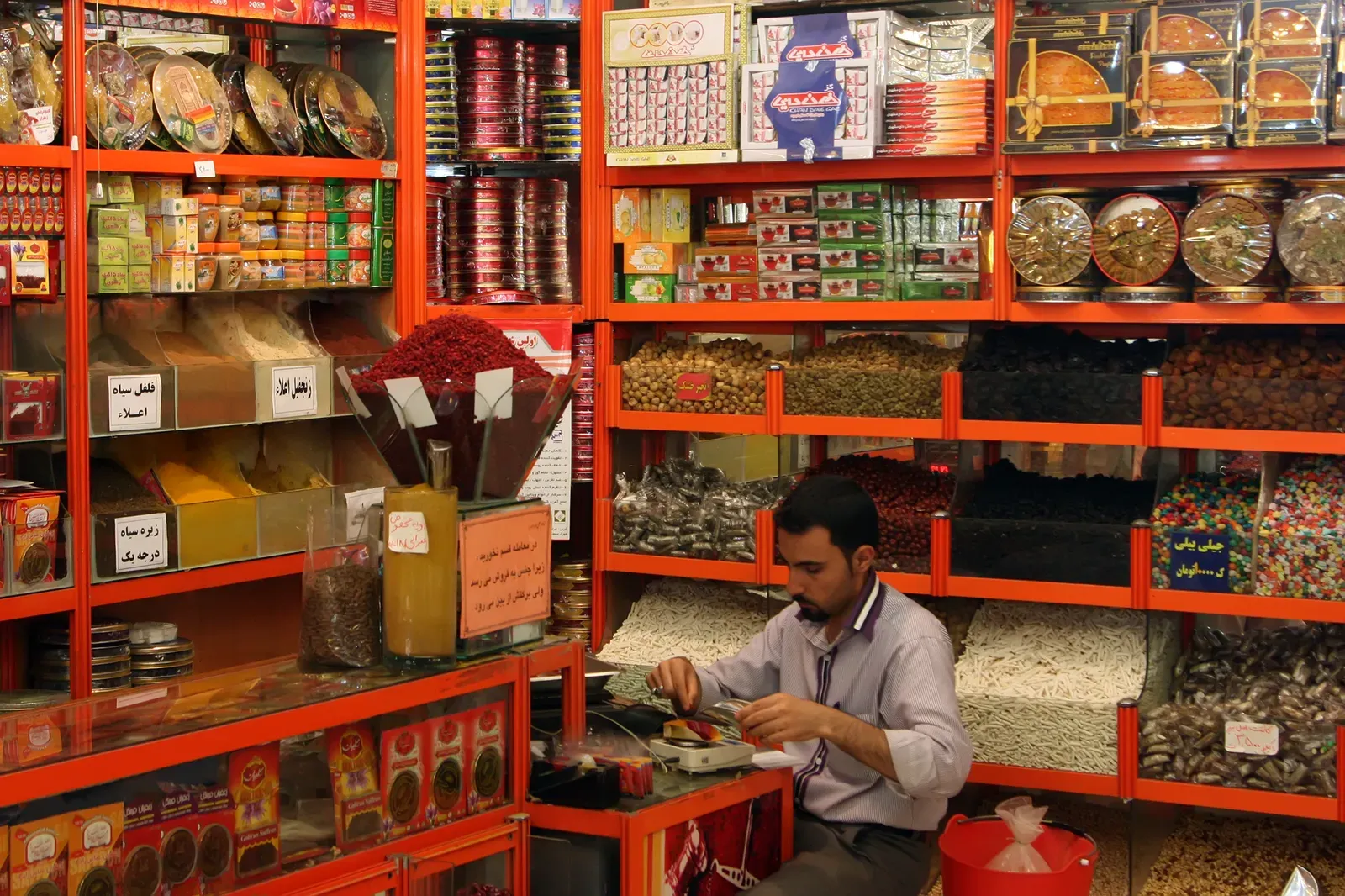
Spices are one of the sneakiest markups in the entire store because the price feels small in isolation. Look closer, though, and the numbers get striking. The markup for big name spices such as those from McCormick or Lawry's can get as high as 97%, according to savings expert Andrea Woroch. Packaging is a large part of why, since small glass jars and shaker bottles cost more to produce and fill than the plastic bags typically sold at ethnic or international grocery stores.
The difference in price for identical spices can be dramatic once you start comparing sources. Shoppers who buy cumin, paprika, or bay leaves from an international market or a bulk spice bin instead of the name-brand aisle routinely cut that portion of their grocery bill by more than half, simply by skipping the branded packaging.
8. Organic packaged foods
8. Organic packaged foods (Image Credits: Unsplash)
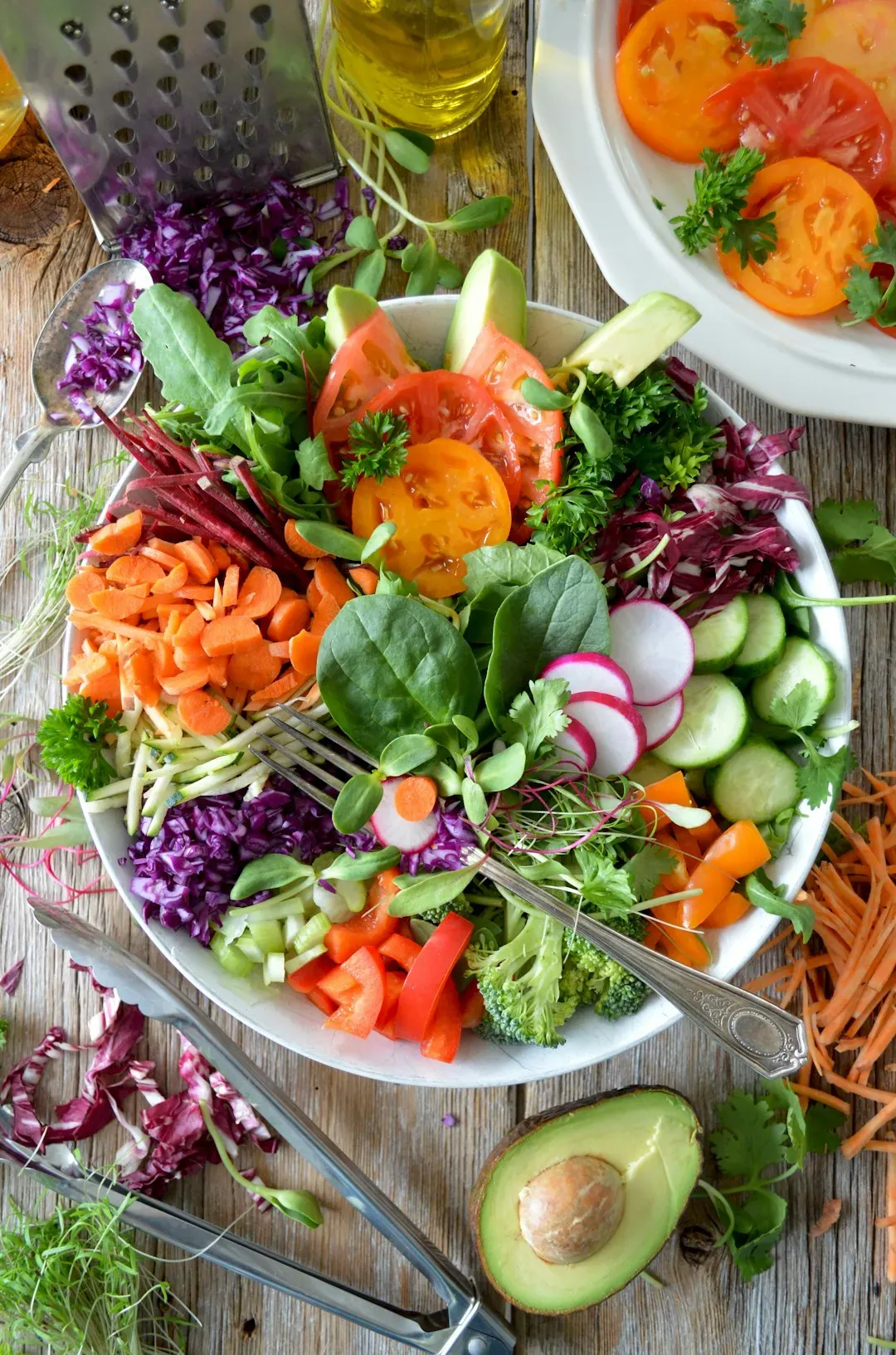
Organic products carry a certain trust factor that shoppers are willing to pay extra for, and grocery stores know it well. Organic foods are a multi-billion dollar industry garnering a nearly 20% markup across the board. The organic label has become a signal of quality that retailers can price against, regardless of whether the actual production cost difference matches that premium.
The category keeps growing despite the price gap. Researchers at the USDA's Economic Research Service report that organic retail sales were estimated to be more than $52 billion, and while business is booming in the organics sector, many consumers still struggle to understand what the differences are between foods labeled natural versus organic. That confusion works in the retailer's favor more often than not.
9. Legacy name-brand pantry staples
9. Legacy name-brand pantry staples (Image Credits: Pexels)
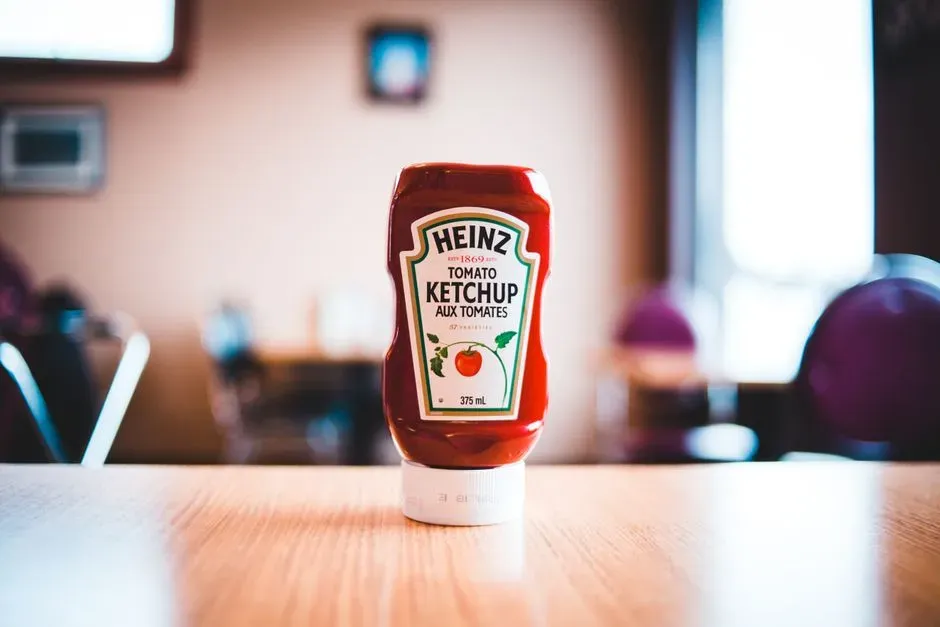
The last spot on this list belongs less to a single product and more to a category of habit. Familiar names like Heinz, Kerrygold, and other long-trusted brands have leaned on customer loyalty for decades, but that loyalty has been costing shoppers more each year. Among the pricey name-brand groceries that aren't worth buying in 2026 are Heinz ketchup, Froot Loops, Tostitos, Easy Cheese, and Kerrygold butter, as that bond has been eroding across recent times, especially in the grocery store.
Store brands have closed the quality gap enough that the price difference is getting harder to justify. Economic challenges for the average spender, along with the rise of less expensive generic and store-brand products, has seen consumers turn to alternatives in lieu of name-brands. For pantry basics especially, brand loyalty is turning out to be one of the more expensive habits a shopper can keep.