
Walk into a McDonald’s or a Taco Bell in 2026 and something feels off, even if you can’t quite name it. The prices sting more than they used to, the portions look smaller, and the sense of reliable, cheap convenience that defined the category for decades has quietly slipped away. That shift hasn’t happened in a vacuum. A whole ecosystem of alternatives, some familiar and some genuinely new, has moved in to fill the gap fast food left behind.
What follows is a look at where American eaters have actually been putting their money and attention instead, based on the industry data and consumer research that has piled up over the past year and a half.
Grocery store prepared foods have become a real competitor
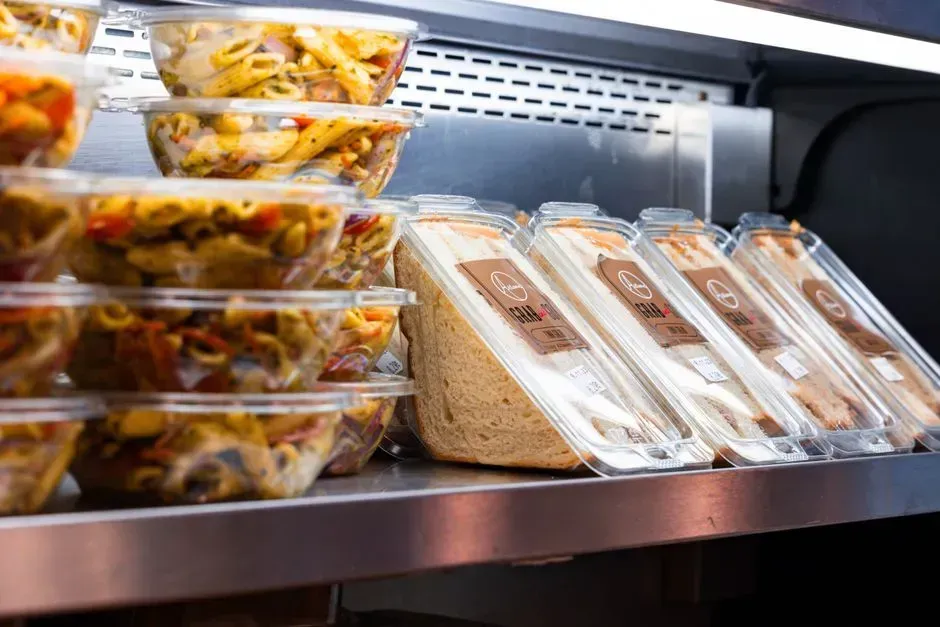
Grocery store prepared foods have become a real competitor (Image Credits: Pexels)
Supermarkets used to be where you bought ingredients for dinner, not dinner itself. That’s changed dramatically. Grocery stores and superstores are increasingly competing for the same dining occasions with ready-to-eat meals that offer a similar mix of convenience at a lower perceived cost.
The numbers back this up in a big way. The category generated 19.6 billion dollars in sales in 2025, prepared foods are projected to drive 8 percent sales growth in 2026, and 97 percent of grocery executives say scaling their perimeter businesses is extremely or very important over the next five years. Perhaps more telling, 43 percent of consumers cut restaurant trips before any other spending, and 53 percent of dinners are now mixing made-from-scratch with prepared elements.
Convenience stores are rebranding themselves as food destinations
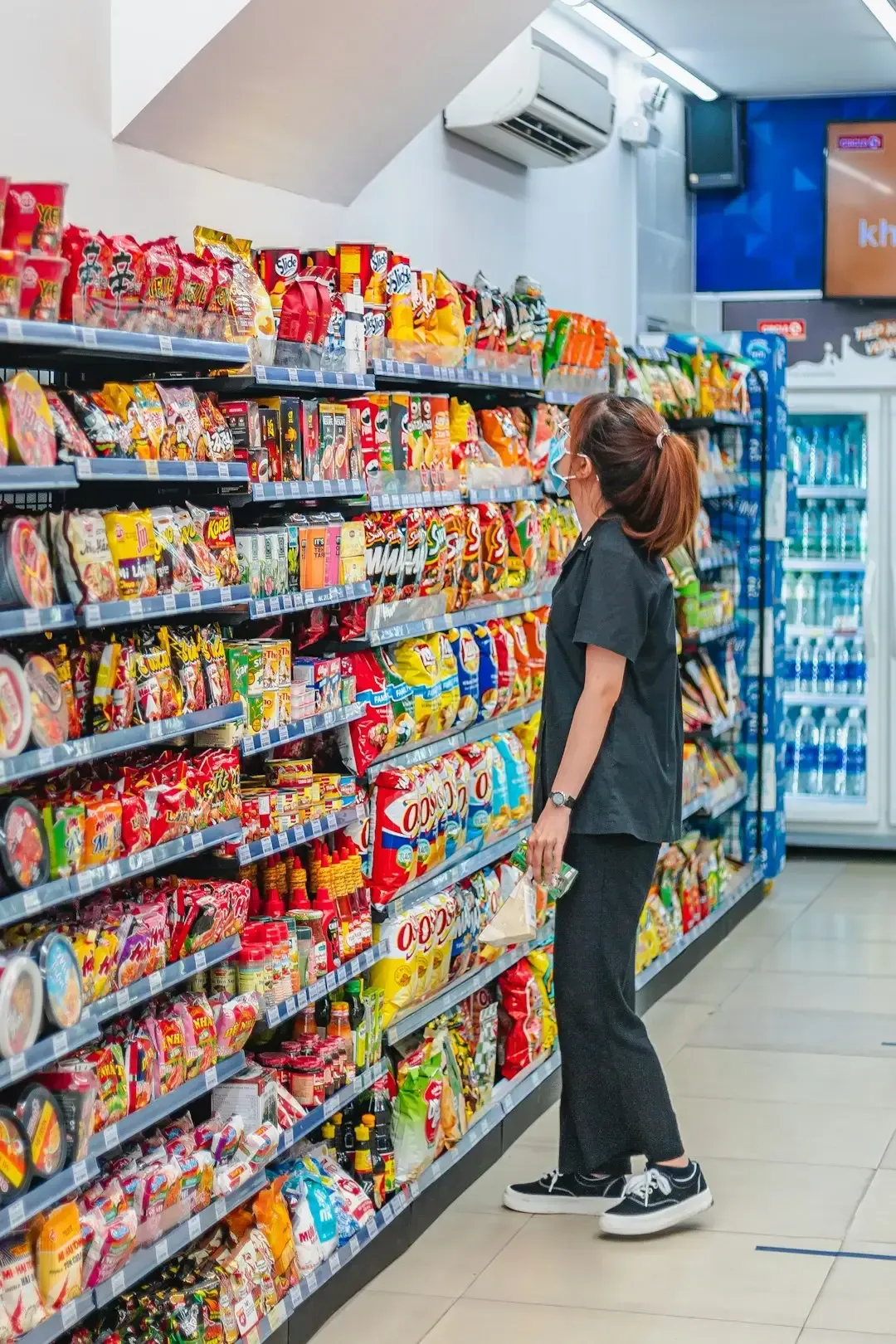
Convenience stores are rebranding themselves as food destinations (Image Credits: Unsplash)
The gas station food case used to mean sad hot dogs rotating under a heat lamp. That image is fading fast, replaced by something closer to a legitimate quick meal option. Just 56 percent of consumers saw convenience stores as a real alternative to fast food in 2024, but that figure has jumped to 72 percent today.
Operators have noticed the shift in demand and responded accordingly. Sixty percent of c-store operators report increased foodservice sales over the past year, up 13 percentage points from 2023, with growth concentrated in breakfast and lunch. Even the menus have changed shape, with breakfast sandwiches now nearly universal at 93 percent of operations, while legacy items like hot dogs have dropped 22 percentage points as chains pivot toward higher-margin, higher-quality offerings.
Fast casual chains are winning on quality, not just speed
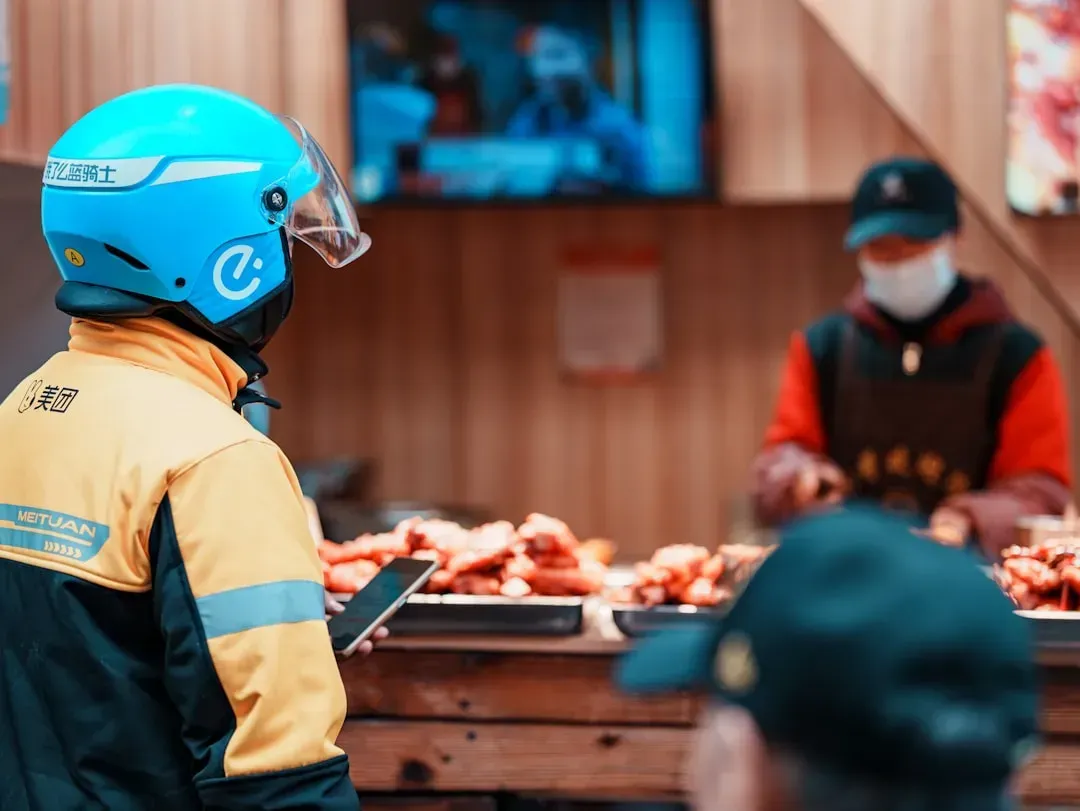
Fast casual chains are winning on quality, not just speed (Image Credits: Pexels)
Chains like Chipotle, Shake Shack, and Cava occupy a category that didn’t really exist a generation ago, one built specifically to sit between cheap and fast on one side and slow and expensive on the other. That positioning has paid off, at least for the segment as a whole. Quick-service restaurants still dominate by volume, yet the growth trajectory clearly favors the fast-casual tier, and off-premises service now accounts for more than half of total restaurant traffic.
The distinction between the two categories is more than marketing language. QSRs use counter ordering with no table service and average check sizes below 10 dollars, while fast-casual concepts occupy the 10 to 15 dollar tier and typically feature higher-quality ingredients with a more curated in-store environment. That gap in perceived value is exactly where a lot of former fast food customers have landed.
Value has replaced brand loyalty as the deciding factor
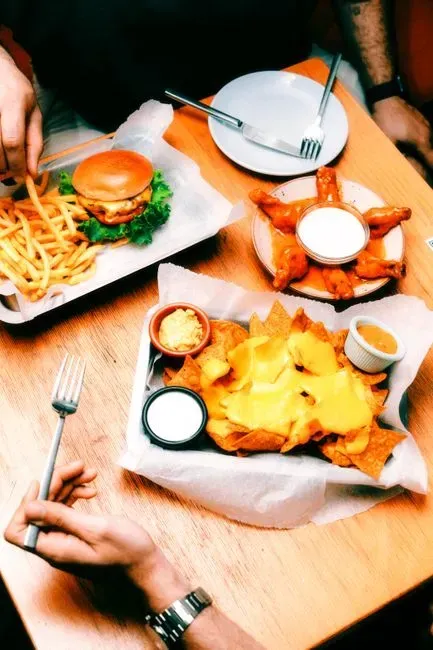
Value has replaced brand loyalty as the deciding factor (Image Credits: Unsplash)
People used to have a “usual” fast food spot. That habit is breaking down fast, and the data on loyalty is stark. Forty five percent of consumers say their favorite restaurant has changed in the last year, a sharp increase from 2025, when one third of diners said the same, indicating that restaurants can no longer rely on being the go-to to secure repeat visits.
Loyalty programs, which chains leaned on heavily to keep customers coming back, haven’t solved the problem either. Despite increased investments, loyalty program satisfaction dropped, with more than one in four diners dissatisfied with the loyalty programs to which they belong. When the app points don’t feel worth the trouble, people simply go somewhere else.
Lower income shoppers pulled back first, and hardest
Lower income shoppers pulled back first, and hardest (Image Credits: Unsplash)
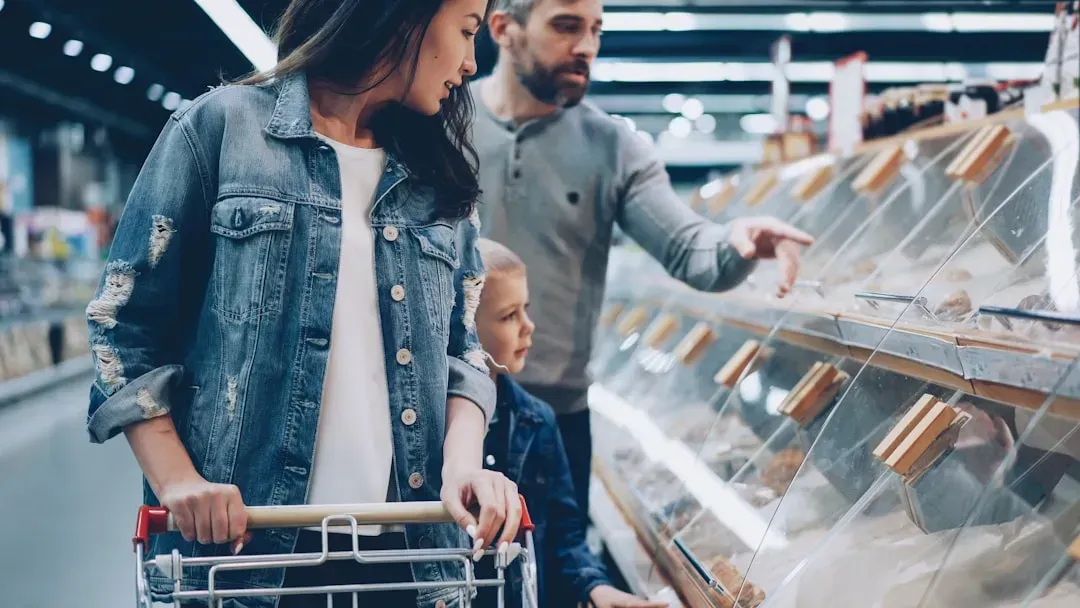
The retreat from fast food didn’t happen evenly across income groups. It started at the bottom of the price ladder and worked its way up. Research shows that lower and middle income consumers have been spreading their visits across a wide variety of food retailers as they hunt for value, after lower-income shoppers shifted their visits away from fast-food chains toward value-oriented grocery stores, dollar stores, convenience stores, and warehouse clubs.
Chains have tried to win these customers back with cheaper deals, with mixed results. While McDonald’s and other quick-service brands have recaptured some of those lost visits through targeted value offerings, these consumers remain highly driven by deals rather than loyalty to any one brand. That’s a fragile foundation to build a business on, and most chains know it.
Closures are reshaping the fast food map itself
Closures are reshaping the fast food map itself (Image Credits: Pexels)
It isn’t just customer sentiment that’s shifting. The physical footprint of fast food is shrinking in places that used to seem untouchable. Pizza Hut has lost more US locations than any other chain in a recent study, shedding 426 restaurants, a 6.4 percent contraction, with parent company Yum! Brands confirming plans to close 250 underperforming US locations in the first half of 2026.
Wendy’s tells a similar story. The chain is down 310 locations, a 5.2 percent decline, and confirmed it would close up to 350 locations in the first half of 2026 as part of a turnaround plan, after US same-restaurant sales fell 5.6 percent for the full year and 11.3 percent in the fourth quarter of 2025 alone. These aren’t struggling regional players either. They’re household names.
Casual dining is quietly picking up the slack
Casual dining is quietly picking up the slack (Image Credits: Unsplash)
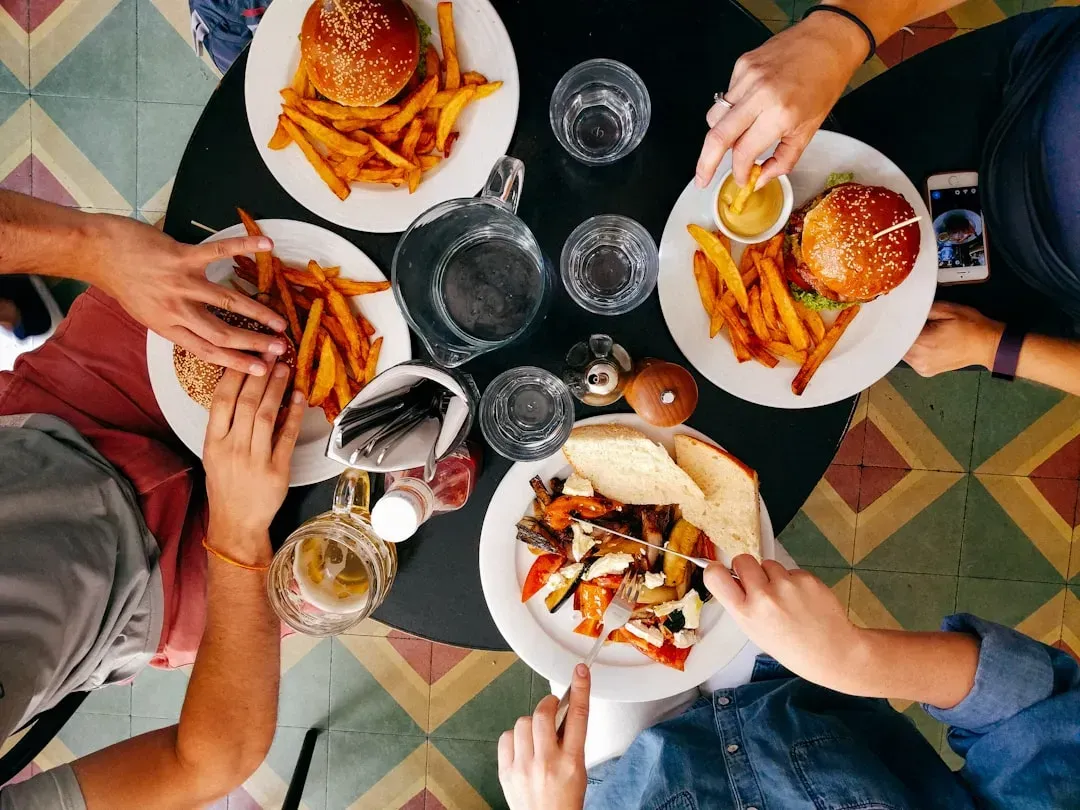
While fast casual gets most of the headlines, traditional sit-down casual dining has also benefited from the fast food slump, largely because it now looks like the better deal by comparison. Casual dining maintained momentum in a recent quarter, benefitting from a widening perceived value gap versus fast food and fast casual and from improvements in service quality and in-store experience.
That’s a notable reversal. For years, the entire pitch of fast food was that it beat casual dining on both speed and price. Now that the price gap has narrowed and the quality gap has widened, a sit-down meal with table service doesn’t feel like such an extravagance anymore for a lot of households.
Consumers are redefining what "value" even means
Consumers are redefining what "value" even means (Image Credits: Pexels)
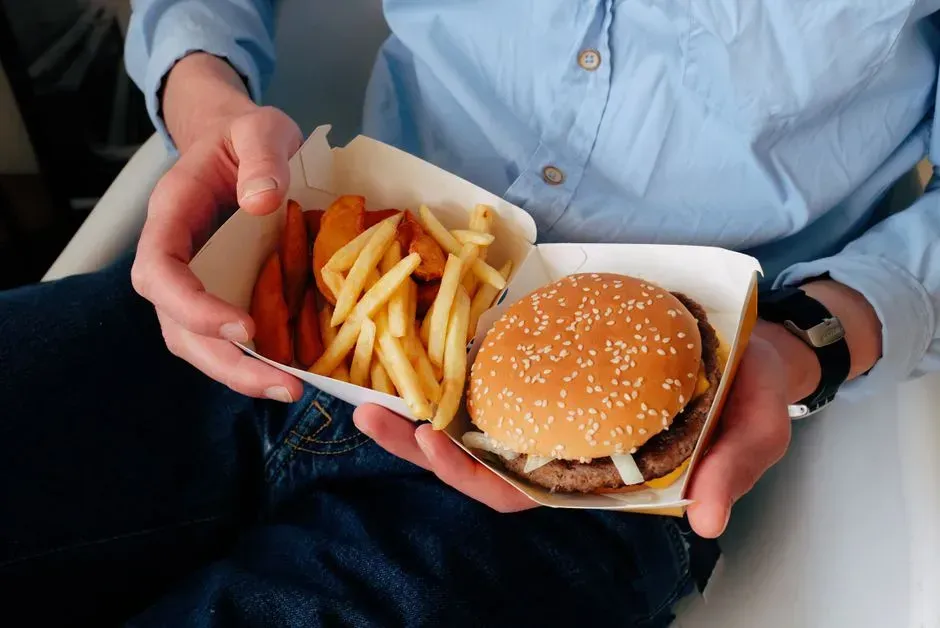
Cheap used to be enough. It isn’t anymore. Price and affordability continue to be top of mind, but value, not just the price alone but the amount of food you get for it, is a concept that fast-food chains and casual-dining restaurants are leaning into more than ever.
This recalibration cuts across the whole industry, not just one segment. The shift reflects how consumers define value, since rather than simply looking for the cheapest meal, diners are weighing convenience, quality, and experience alongside price. A twenty dollar burrito that leaves you hungry, as some customers have complained about lately, fails that test even if the number on the receipt used to be considered a bargain.
Complaints about shrinking portions and quality are piling up
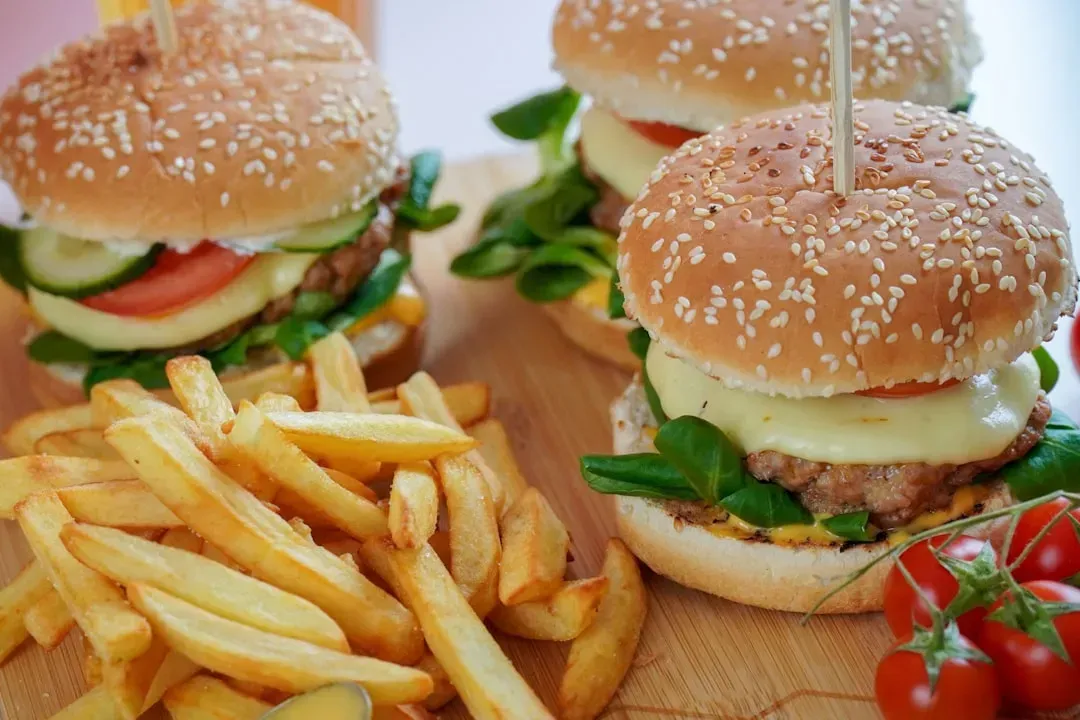
Complaints about shrinking portions and quality are piling up (Image Credits: Unsplash)
Social media has amplified a grievance that used to stay confined to individual bad experiences. Now it looks like a pattern. Rising food costs and inflation have led to significant price increases at fast food restaurants, with some chains raising prices by as much as 40 percent to offset inflation.
Customers have noticed the trade being made, and they aren’t quiet about it. Commenters agree that many once-favorite chains, specifically McDonald’s, Wendy’s, Arby’s, and KFC, have gone downhill, with some theorizing that corners are being cut to protect company bottom lines. Once that perception sets in, it’s hard to shake, no matter how many new menu items or marketing campaigns follow.
Grocery and c-store growth is being driven by a hunt for time, not just savings
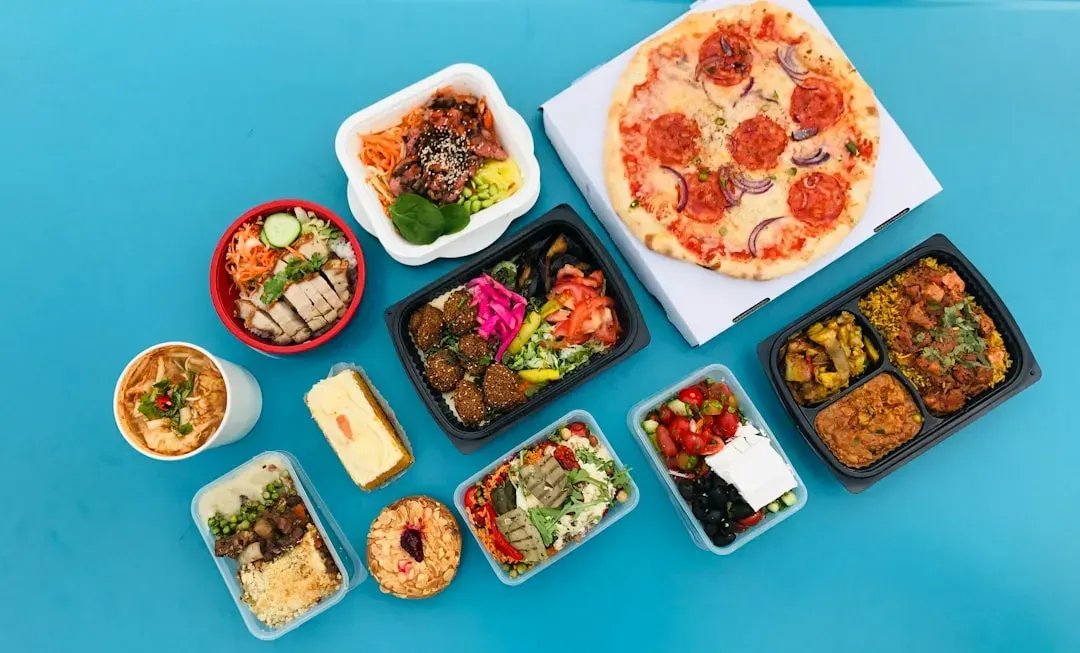
Grocery and c-store growth is being driven by a hunt for time, not just savings (Image Credits: Unsplash)
It would be easy to assume this whole shift is purely about price, but the research suggests something a bit more layered is going on. Convenience, in the literal sense of saving time and effort, matters just as much. Forty percent of customers choose grocery foodservice because they can shop for other groceries at the same time, and with nearly half of consumers deciding what’s for dinner the same day, retailers that combine prepared meals with seamless digital ordering can capture more of those occasions.
The convenience store sector is telling a parallel story about missed opportunity. Roughly one third of convenience store shoppers plan to stop at a quick service restaurant within 30 minutes of their visit, which suggests plenty of room remains for c-stores to capture meals that currently still go to fast food chains down the street.
The final thought
The final thought (Image Credits: Pexels)
None of this means fast food is disappearing. McDonald’s, Taco Bell, and the rest still serve tens of millions of meals a day, and the category remains enormous by any measure. What’s changed is the assumption that fast food automatically wins on price and convenience, an assumption that shaped American eating habits for half a century.
Grocery delis, convenience store counters, fast casual chains, and even old fashioned sit-down restaurants have each carved out a piece of that old fast food territory by offering something the drive-thru increasingly can’t: a meal that actually feels worth what you paid for it. Whether the big chains manage to close that gap again, or whether this new, more fragmented landscape becomes the new normal, is still an open question heading into the back half of 2026.