
Every homeowner who has sat through a renovation estimate knows the feeling. A contractor says something that sounds harmless enough, but it triggers a quiet alarm bell, and suddenly the whole project feels shaky. Sometimes that instinct saves money. Other times it costs a fortune, because the phrase that scared someone off was actually a sign of honesty, not a red flag.
The line between a legitimate business practice and a genuine warning sign can be thin, and plenty of homeowners walk away from good contractors or, worse, ignore real problems because of how something was worded. Here are eight phrases that tend to make people bristle, along with what is actually going on behind them.
1. "That's not in the original scope"
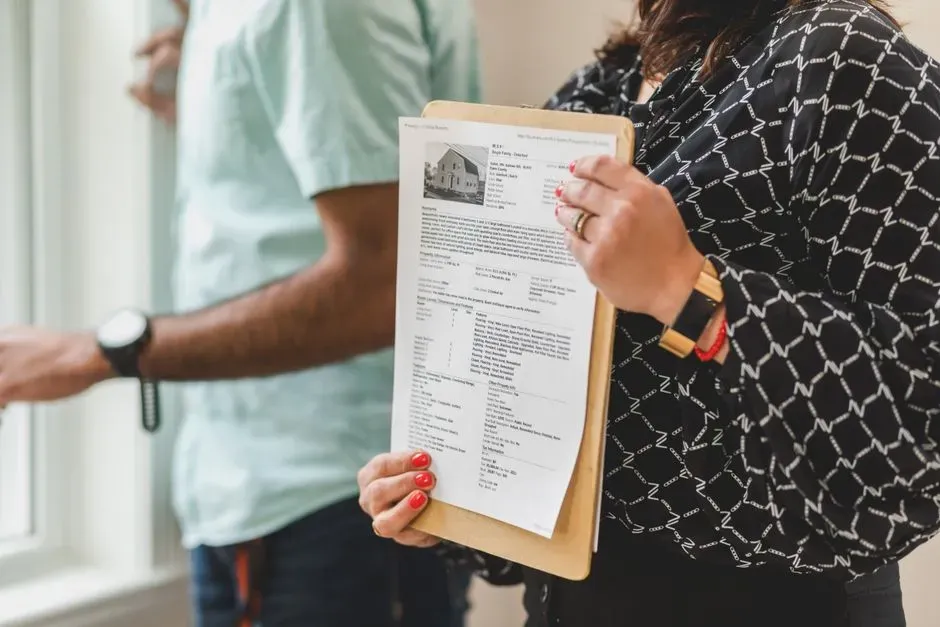
1. "That's not in the original scope" (Image Credits: Pexels)
This phrase lands hard because it sounds like a setup for a bigger bill. Homeowners hear it and immediately assume they are being nickel and dimed on a project they thought was already priced out. In reality, scope creep is one of the most common and well documented issues in construction, and a contractor who flags it clearly is often doing the responsible thing rather than the sneaky one.
The problem is rarely the phrase itself. It is the lack of a detailed written contract that would have made scope boundaries obvious from day one. When contracts spell out exactly what is included, this phrase becomes a simple clarification instead of a confrontation, which is why homeowners are better served pushing for detail upfront than reacting defensively later.
2. "We'll need a change order for that"
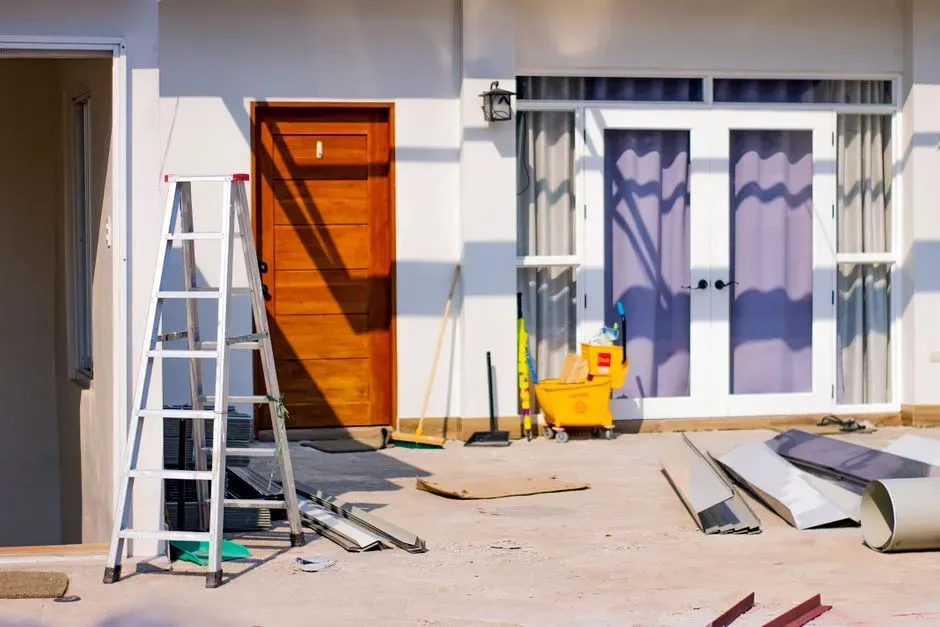
2. "We'll need a change order for that" (Image Credits: Pexels)
Change orders carry a bad reputation because they are often where budgets quietly balloon. Industry data on residential remodeling consistently shows that unplanned changes are a leading cause of projects running over budget, sometimes by a significant margin. So when a homeowner hears this phrase, the instinct to say no is understandable.
Yet a contractor who insists on formal change orders, rather than just verbally agreeing to extra work, is actually protecting both sides. Without paperwork, disputes over what was promised and what was paid for become nearly impossible to resolve. The phrase itself is not the danger. Skipping the paperwork that should come with it is.
3. "I don't need a permit for this"
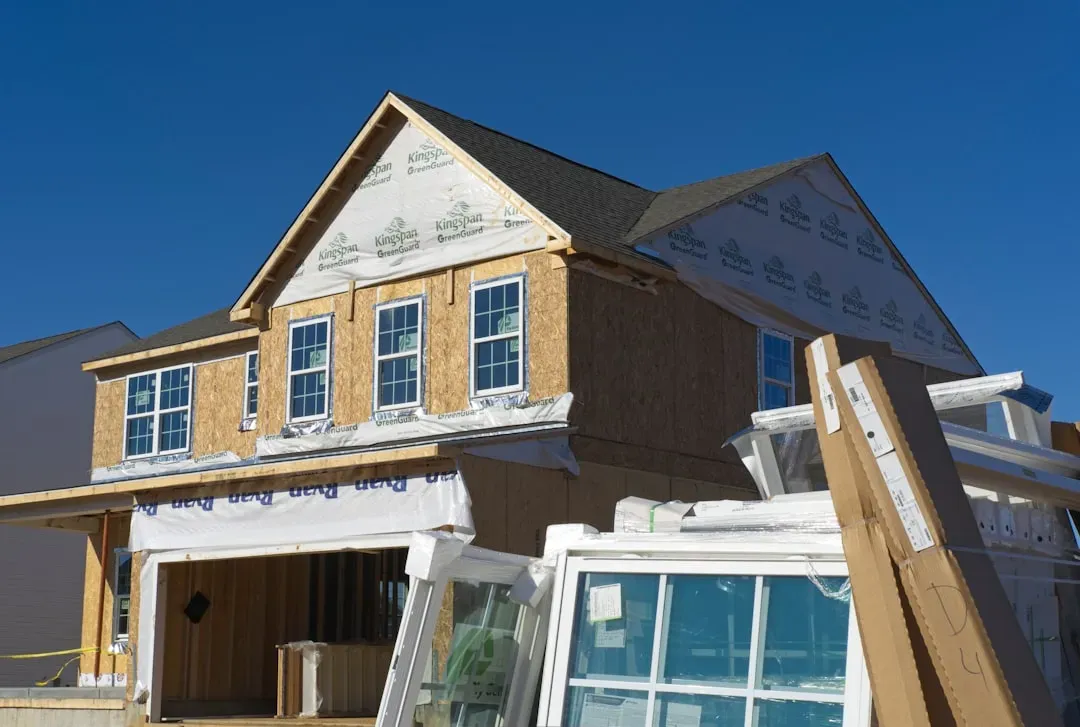
3. "I don't need a permit for this" (Image Credits: Unsplash)
This one deserves the skepticism it gets. Many municipalities require permits for electrical, plumbing, structural, and even some cosmetic work, and skipping that step can leave homeowners liable for fines, forced removal of completed work, or complications when selling the home later. Unpermitted work is also a common reason insurance claims get denied after damage occurs.
Contractors who avoid permits often do so to save time or dodge inspection costs, not because the work genuinely falls outside local code. Homeowners are right to push back here, and checking with the local building department directly is a smart way to verify whether a permit is actually needed before taking a contractor’s word for it.
4. "I'll need a large deposit upfront"

4. "I'll need a large deposit upfront" (Image Credits: Pexels)
Large upfront payments are one of the most common warning signs cited by consumer protection agencies and state licensing boards. Many states actually cap how much a contractor can legally request before work begins, often somewhere between ten and thirty percent of the total contract value depending on the jurisdiction. When a contractor asks for half or more before lifting a tool, that request often exceeds legal limits.
This is one phrase where the homeowner’s gut reaction is usually the correct one. Reputable contractors typically structure payments around project milestones, which protects the homeowner if work stalls or quality falls short. Anyone facing a demand for a large deposit should check their state’s specific rules before signing anything.
5. "I can get you a better price with cash"

5. "I can get you a better price with cash" (Image Credits: Unsplash)
This phrase often triggers hesitation because it sounds like an invitation to skip taxes or formal invoicing. Sometimes that suspicion is accurate, since cash-only arrangements can be a way to avoid reporting income or sidestep proper licensing paperwork. Without an invoice, homeowners also lose an important paper trail if something goes wrong later.
Cash discounts are not automatically dishonest, since some contractors genuinely pass along savings from avoided card processing fees. Still, homeowners should always insist on a written receipt or invoice regardless of payment method. Losing that documentation is what turns this phrase from a minor savings pitch into a real financial risk.
6. "This is a standard contract, you don't need a lawyer"

6. "This is a standard contract, you don't need a lawyer" (Image Credits: Pexels)
Telling a homeowner they do not need outside legal review of a contract is one of the more manipulative phrases on this list, even when it is said casually. Standardized contracts still contain clauses about liability, timelines, warranty coverage, and dispute resolution that vary enormously between companies. The American Bar Association and various state consumer protection offices routinely encourage homeowners to have contracts reviewed before signing, particularly for projects above a few thousand dollars.
A contractor discouraging that kind of review, rather than welcoming it, is often trying to prevent the homeowner from noticing unfavorable terms. Legitimate businesses generally have no issue with a buyer taking a day or two to have a professional look things over. Hesitancy or pressure around this request is a legitimate reason to pause.
7. "We're already working next door, so we can start tomorrow"
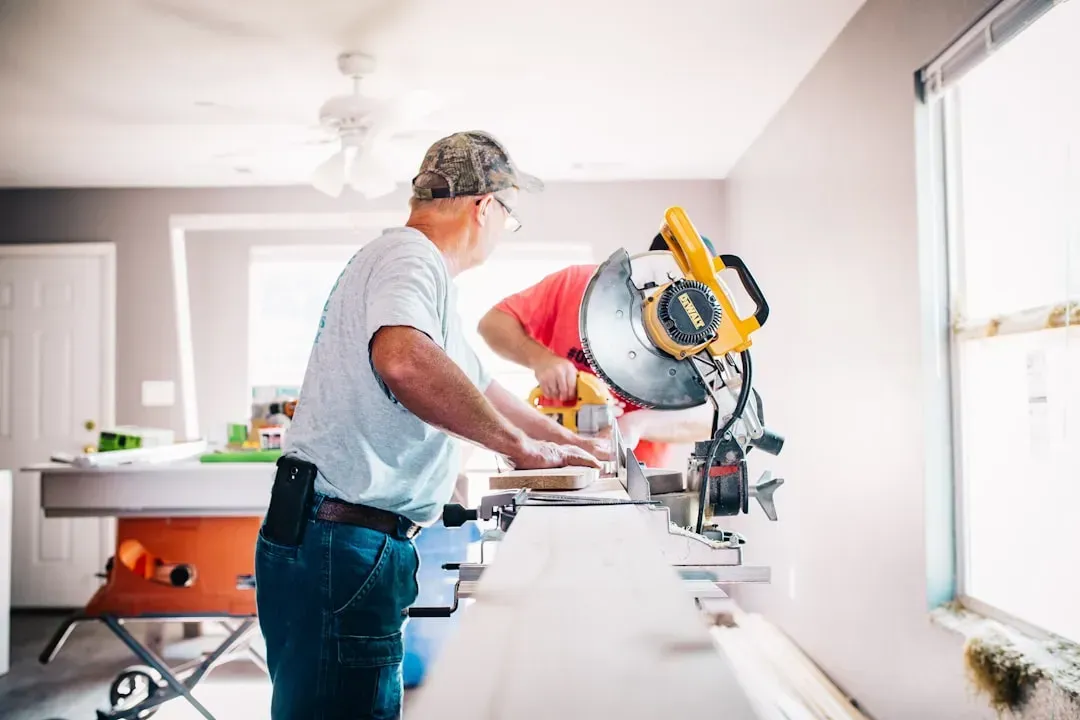
7. "We're already working next door, so we can start tomorrow" (Image Credits: Unsplash)
This phrase preys on urgency and convenience, and it works because it sounds efficient rather than suspicious. Reputable contractors are usually booked weeks or months in advance, especially during peak renovation seasons in spring and early fall. A contractor with sudden, immediate availability sometimes indicates a slow season for legitimate reasons, but it can also signal a lack of steady client base or licensing issues that keep away repeat customers.
The neighbor angle also adds false credibility, implying vetted trustworthiness that may not actually exist. Homeowners should still check licensing, insurance, and references independently rather than assuming proximity equals reliability. Speed should never replace due diligence, no matter how tempting a same week start date sounds.
8. "Trust me, I've done this a hundred times"

8. "Trust me, I've done this a hundred times" (Image Credits: Pexels)
Experience matters, but this phrase is often used to shut down questions rather than answer them. When homeowners ask about specific techniques, materials, or timelines and get reassurance instead of real explanations, it usually means the contractor is either uncomfortable being questioned or genuinely unsure of the details. Verifiable experience shows up in references, portfolio photos, and licensing records, not in confident phrasing alone.
This is one of the more subtle red flags because plenty of skilled, honest contractors say some version of this line without meaning any harm. The distinction lies in what happens next. If a request for documentation or past client contacts is met with more reassurance instead of actual proof, that is when the phrase moves from harmless confidence into a genuine warning sign.
Contractor language is rarely a perfect predictor of quality, but patterns matter. Phrases tied to legal shortcuts, payment structure, or discouraging outside review deserve real scrutiny, while phrases about paperwork and scope often just reflect a contractor trying to stay organized. The safest approach remains consistent across every renovation project: verify licensing, insist on written contracts, check payment terms against state limits, and treat any resistance to documentation as the clearest signal available.