
Every year, millions of travelers land in the United States with a suitcase full of good intentions and, occasionally, a bit of contraband tucked between socks and souvenirs. Most of it isn't smuggled electronics or anything dramatic. It's food, the kind that grandmothers pack because they worry their grandchildren won't eat well in America.
The problem is that federal agriculture rules don't care about sentiment. They care about pests, viruses, and diseases that could wipe out entire industries if they slip past the border. Some of the most commonly confiscated items are things people assume are harmless, which is exactly why they keep showing up in customs bins year after year.
1. Fresh fruits and vegetables from abroad
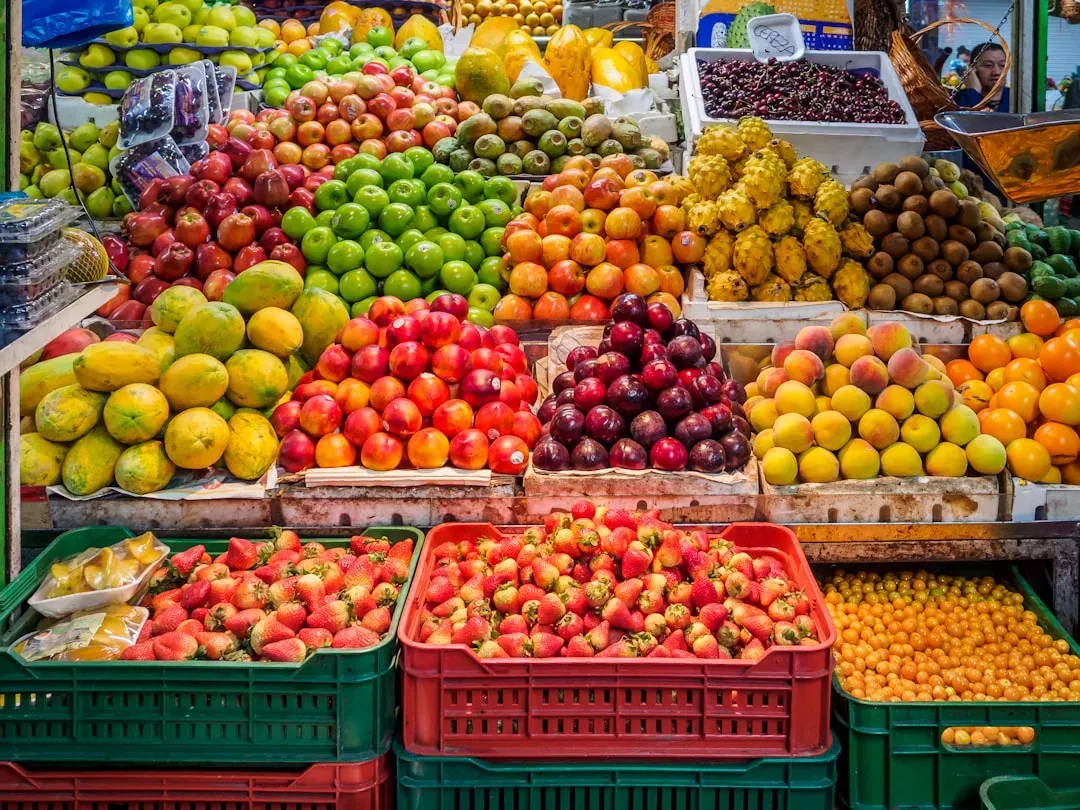
1. Fresh fruits and vegetables from abroad (Image Credits: Unsplash)
This is the one that trips up even seasoned travelers. Fresh fruits and vegetables are strictly banned from entering the U.S. via air, sea, or land borders, regardless of origin, due to risks like the Mediterranean fruit fly or khapra beetle, which could devastate U.S. agriculture. It doesn't matter if the mango was grown in a backyard or bought at a five star hotel breakfast buffet. If it's fresh produce from outside the country, it's almost always a no.
There's a bit of nuance here that trips people up further. Consider the apple you bought in the foreign airport just before boarding and then did not eat. Whether or not CBP will allow the apple into the United States depends on where you got it and where you are going after you arrive in the United States. Some countries and specific items are more restricted than others. For example, oranges, grapefruit, tangerines, sour oranges, sweet limes, guavas, mangoes, peaches, and pomegranates from Mexico are prohibited. Interestingly, not everything in this category is a lost cause anymore. As of mid 2024, travelers may bring tomatoes and peppers into the U.S. for personal use from most countries, effective June 17, 2024, after the USDA amended long standing restrictions. Seeds from those same plants remain off limits, since they carry a much higher risk of spreading plant viruses.
2. Raw or undercooked meat, especially pork
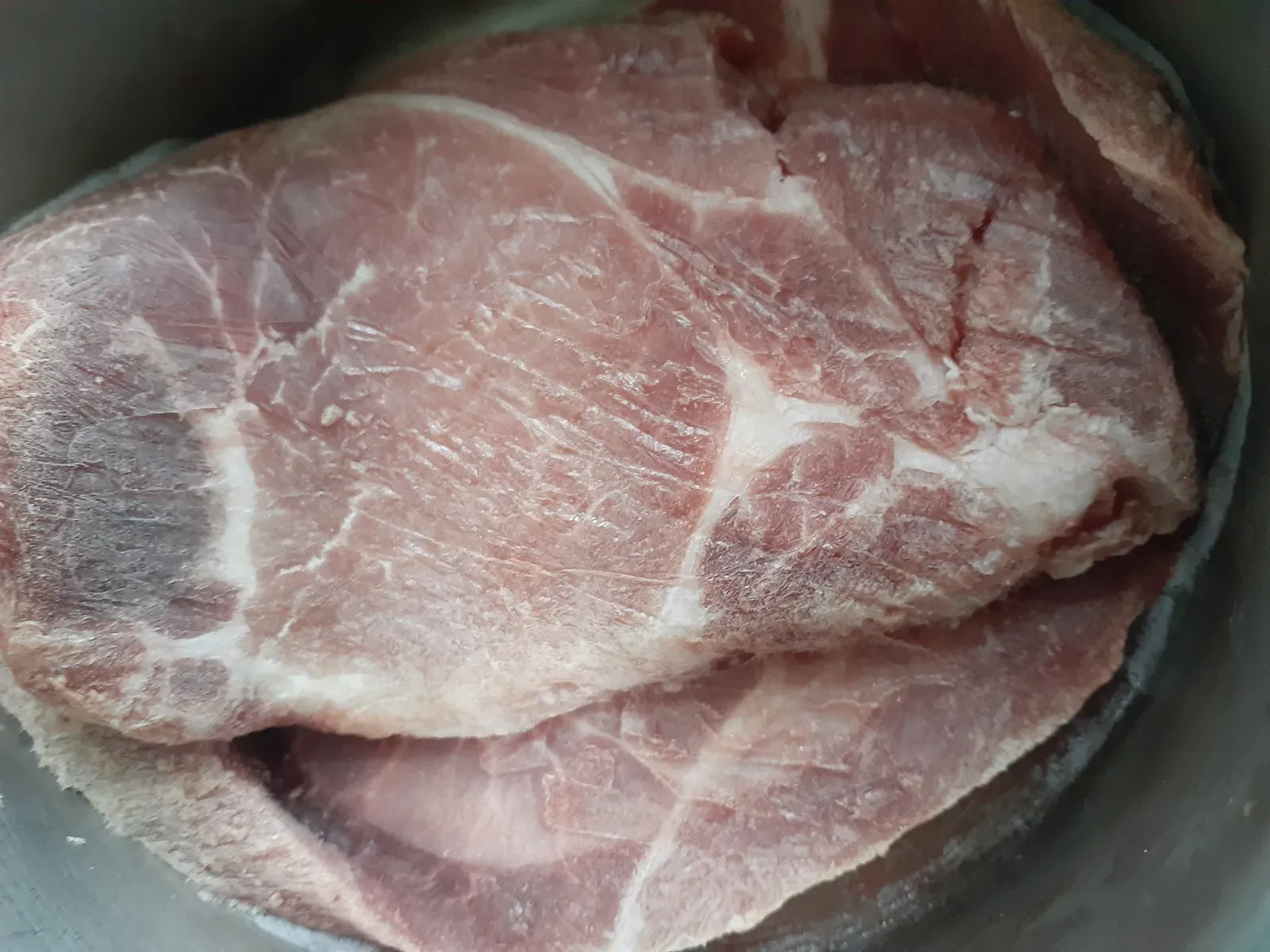
2. Raw or undercooked meat, especially pork (By Presixlla MOON, <a href="https://commons.wikimedia.org/w/index.php?curid=111267364" target="_blank" rel="noopener">CC BY-SA 4.0</a>)
If there's a repeat offender in customs seizure reports, it's pork. Land border crossings from Mexico see this constantly, and the penalties can be steep. In one case at the Juarez Lincoln Bridge in Laredo, agriculture specialists discovered packages containing a total of 117 pounds of fresh pork and nearly seven pounds of fresh poultry hidden within the vehicle after the driver gave a negative declaration.
These aren't isolated incidents either. A separate seizure at the same crossing turned up over 260 pounds of prohibited pork products in a single enforcement action, this time during a busy holiday travel period. Even smaller attempts get flagged, as seen when a driver was caught for a second time trying to bring in pork bologna, having already been assessed a $1,000 penalty after CBP agriculture specialists discovered 30 rolls of bologna in the vehicle he was driving during an earlier crossing. The concern isn't really about the meat itself tasting different or being unsafe to eat. It's about diseases like African swine fever and foot and mouth disease, which can travel in raw meat and, if introduced into U.S. livestock, could cause enormous economic damage.
3. Raw eggs and unpasteurized dairy products
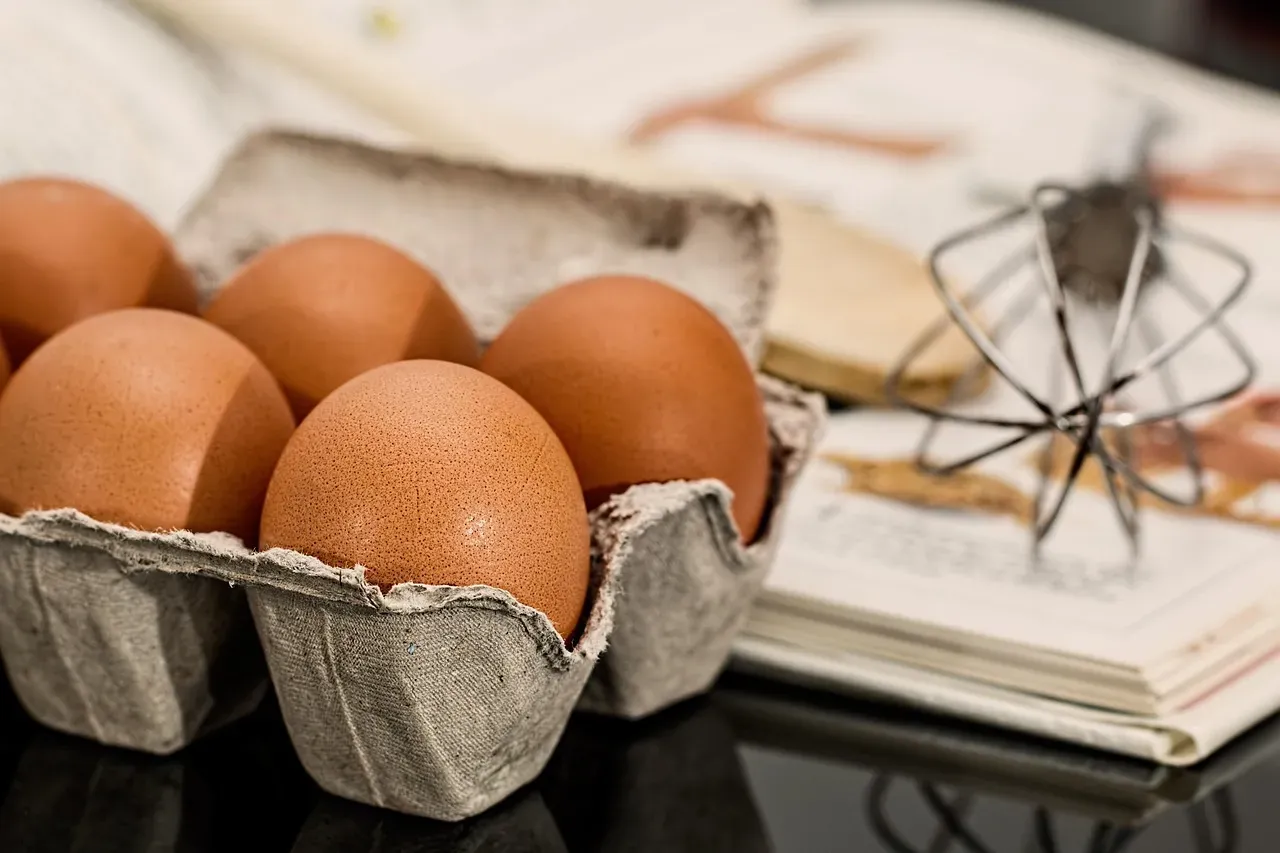
3. Raw eggs and unpasteurized dairy products (Image Credits: Pixabay)
This category surprises a lot of people, partly because eggs and cheese feel so ordinary. Yet the rules here are specific and tied directly to animal disease outbreaks abroad. Officials in San Diego have had to repeatedly remind travelers that raw eggs and poultry from Mexico are prohibited and will be confiscated at the port.
The timing of these warnings hasn't been random. Border officials noted a large increase in the volume of prohibited food items, such as raw eggs and raw poultry meat, brought by travelers from Mexico, coinciding with a period when avian flu was already straining domestic poultry supplies. Dairy faces a similar standard, though with some flexibility. Most milk and dairy items from countries with foot-and-mouth disease are not allowed, but there are a few exceptions built into the rule. Notably, solid hard or soft cheeses are allowed, as long as the cheese does not contain meat or pour like a liquid such as ricotta or cottage cheese. That distinction between a firm wheel of cheese and something runny enough to spill is not a minor technicality. It genuinely determines whether an item clears inspection or gets pulled aside.
The good news, if there is any, is that declaring these items honestly almost always beats the alternative. Travelers who admit to carrying prohibited food generally face nothing worse than having the item taken away and destroyed. Those who try to hide it, on the other hand, risk fines that can run into the hundreds or even thousands of dollars, plus the kind of secondary inspection delay that turns a quick arrival into a long afternoon.