
After spending years climbing ladders, tearing off old shingles, and patching leaks in every kind of weather, you start forming strong opinions about what actually belongs on a roof. Homeowners ask me all the time what I'd pick if it were my own house on the line, and the answer isn't always what they expect. Some materials that get marketed heavily just don't hold up the way the glossy brochures promise, while a few quieter options have earned my trust through sheer performance over time.
Standing seam metal, because it simply outlasts everything else
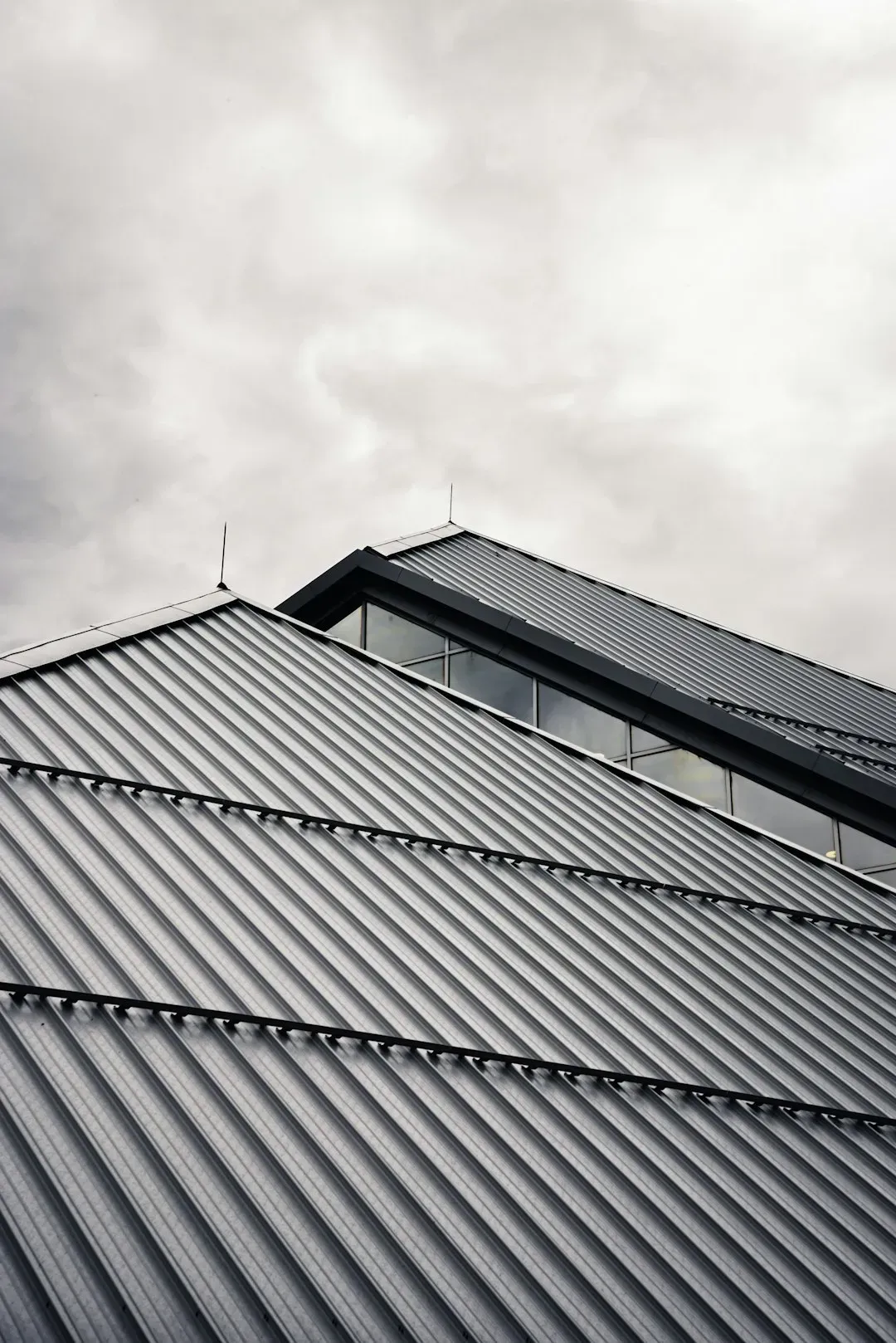
Standing seam metal, because it simply outlasts everything else (Image Credits: Unsplash)
If I were roofing my own home today, standing seam metal would be at the top of my list without much hesitation. A well-installed standing seam metal roof can last 50-60 years with minimal maintenance. That kind of lifespan changes the math entirely once you consider how many times a typical asphalt roof needs replacing over the same stretch.
The upfront cost stings a bit, sure. Metal roofs typically cost $5,400 to $24,000 for installation on a 2,000 square foot home, while asphalt shingles cost $4,000 to $7,000, but metal roofs last 40 to 70 years compared to shingles’ 15 to 30 years, making metal more cost-effective long-term. I’ve watched too many homeowners replace their shingle roof twice while their metal-roofed neighbor hasn’t touched theirs since installation.
Architectural asphalt shingles, for a budget-friendly middle ground
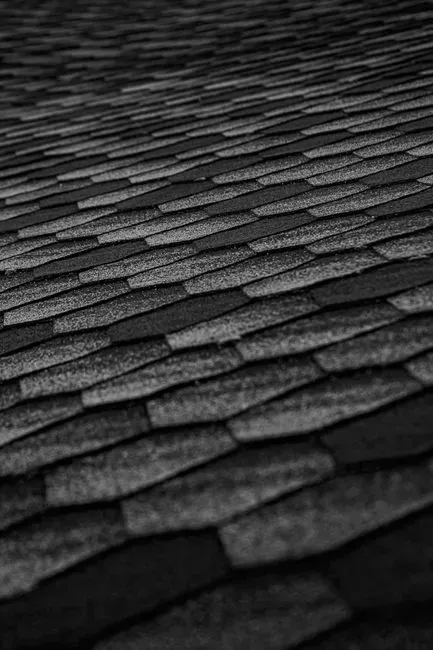
Architectural asphalt shingles, for a budget-friendly middle ground (Image Credits: Pexels)
I’ll be honest, if metal weren’t in the budget, architectural asphalt shingles would be my fallback without much guilt attached. Architectural shingles are a popular middle ground, providing a good balance of cost, durability, and protection, and they’re the most popular shingle in the United States, making up over 80% of roofs. There’s a reason so many roofers, myself included, still reach for them on a regular basis.
They’re not flawless. Asphalt shingles have a lifespan of 15 to 30 years and are more vulnerable to humidity, moisture, and temperature fluctuations. Still, for a starter home or a property you don’t plan to own forever, the value proposition is hard to argue with, especially compared to the pricier alternatives below.
Natural slate, if the budget and the bones of the house allow it
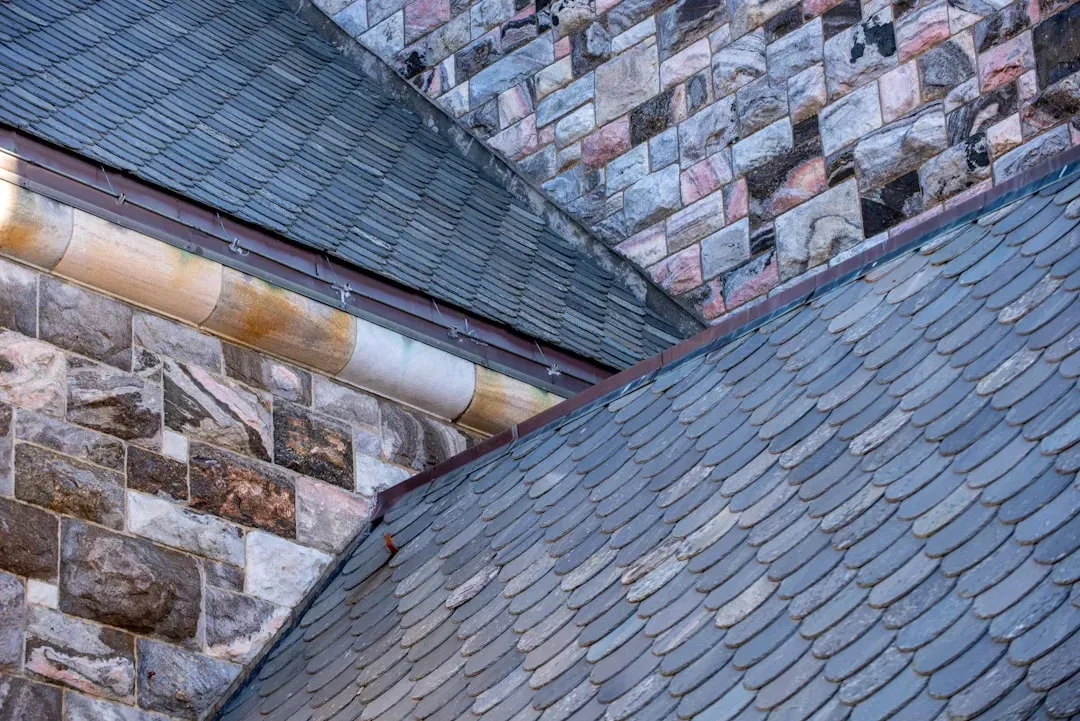
Natural slate, if the budget and the bones of the house allow it (Image Credits: Unsplash)
Slate is the material I daydream about installing on my own home, mostly because I know I’d never have to think about my roof again in my lifetime. Slate roofing lasts longest at 75-100+ years, followed by clay tile, copper, and metal roofing. That kind of longevity is almost unheard of in construction materials generally, let alone something exposed to the elements around the clock.
The catch is obvious the moment you get a quote. Though slate has the highest upfront cost at $15-30 per square foot, its century-plus lifespan makes it the most cost-effective option over time at under $300 per year. It’s a material for people who see their house as a decades-long investment rather than a five-year flip, and honestly, most homes need reinforced framing to even support the weight properly.
Clay or concrete tile, especially in hot and dry climates
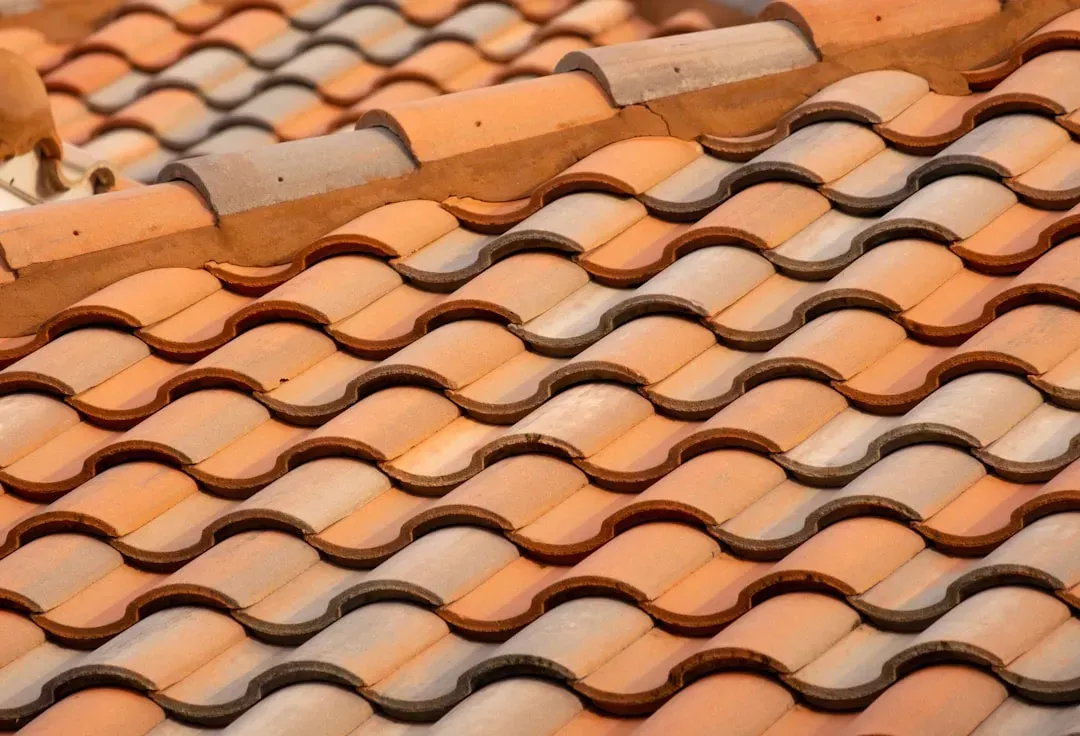
Clay or concrete tile, especially in hot and dry climates (Image Credits: Unsplash)
For homes in warmer regions, clay tile earns a spot on my shortlist too, particularly because of how well it handles heat and fire risk. Clay, ceramic, and terracotta roofing materials are eco-friendly and durable, as well as fire-resistant, though expect to pay a higher cost for these. Concrete tile follows a similar logic but tends to land in a slightly more moderate price bracket.
Concrete has a longevity comparable to metal and also has great thermal properties and a midrange cost. I’ve seen tile roofs in hot, sun-baked regions hold up beautifully for decades while asphalt down the street was already curling and losing granules. It’s not a universal fit for every climate, but where it works, it really works.
Wood shake, the material I'd steer clear of on my own roof
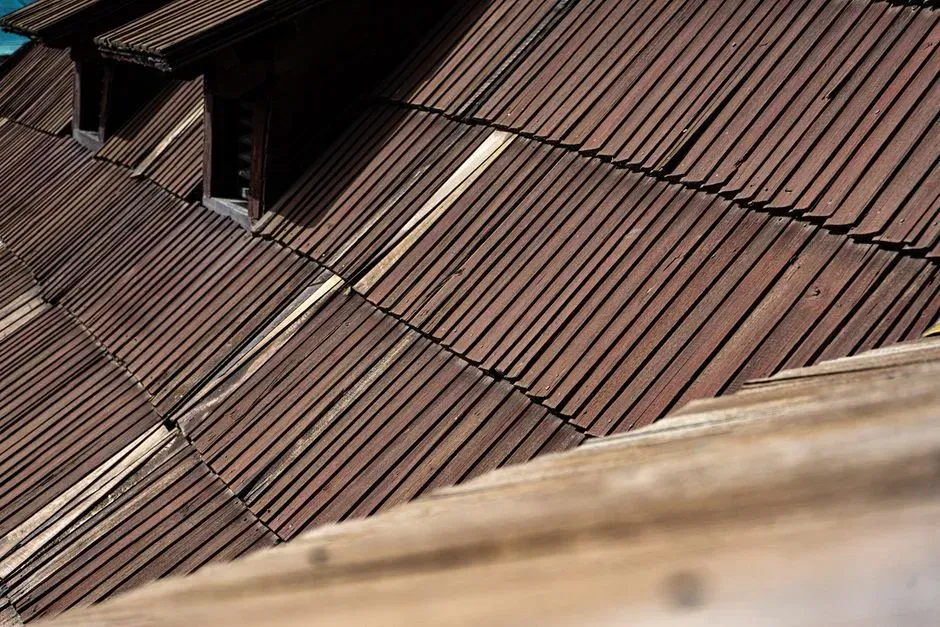
Wood shake, the material I'd steer clear of on my own roof (Image Credits: Pexels)
Wood shake has a certain charm, I won’t deny that. But charm doesn’t offset the practical headaches, and the fire risk alone gives me pause every time a client brings it up. Wood is flammable, which makes cedar shake roofing a fire hazard.
Beyond fire, there’s the moisture problem that never really goes away. Instead of repelling water, wood shake shingles soak up water from rain, hail, and snowstorms, making them more susceptible to rotting. Add in the fact that wood deteriorates over time, so your shingles will require regular maintenance every two to three years, and it becomes a material that demands constant attention. Several wildfire-prone regions have already restricted it outright, and that tells you something about where the industry is heading.
Three-tab asphalt shingles, the material I'd skip even to save money
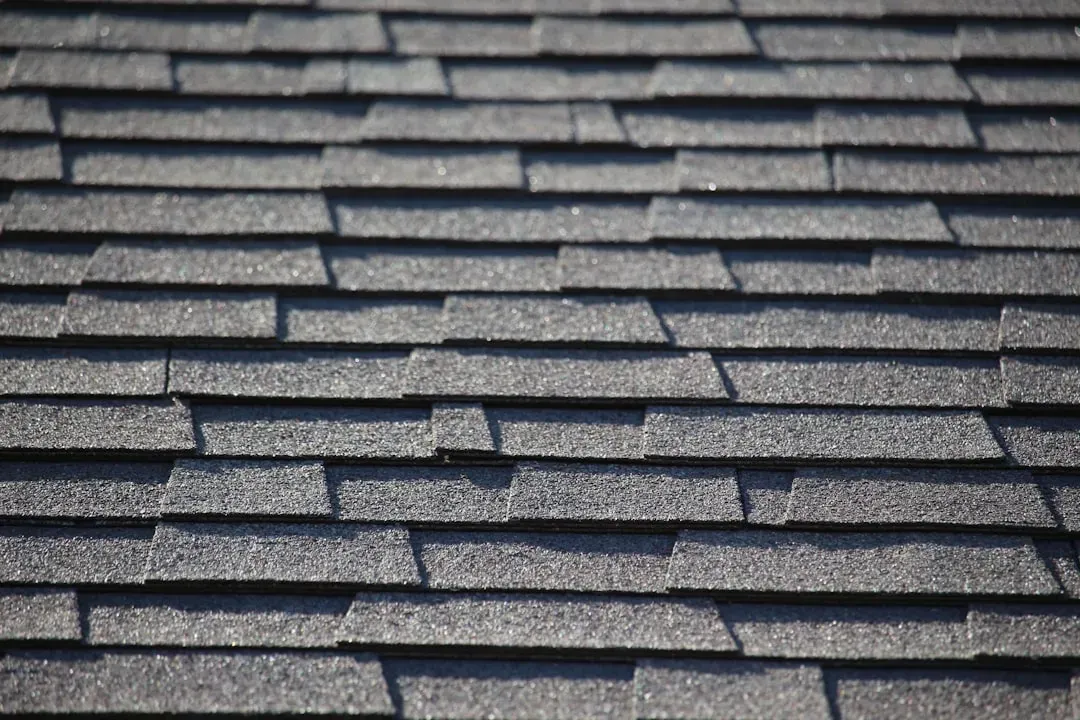
Three-tab asphalt shingles, the material I'd skip even to save money (Image Credits: Unsplash)
Three-tab shingles are the cheapest option on the shelf, and I understand the temptation when a budget is tight. But cheap upfront often means expensive later, and this is one of those cases where the math doesn’t favor the homeowner in the long run. The tradeoff is performance and appearance, since three-tab shingles are thinner and lighter than architectural shingles, so they typically do not offer the same dimensional look, wind resistance, or long-term durability.
I’ve replaced more three-tab roofs prematurely than I care to count, usually after a wind event that a slightly thicker shingle would have shrugged off. Three-tab shingles feature a single-layer design requiring less raw material than the multi-dimensional construction of architectural products, and while this makes them more affordable initially, they offer less wind resistance and shorter warranty periods. On my own home, I’d rather spend a bit more upfront on architectural shingles than gamble on the savings from three-tab.
Weighing durability against your own timeline
Weighing durability against your own timeline (Image Credits: Unsplash)
Every material on this list makes sense for someone, just not necessarily for the same someone. If you’re planning to stay in a home for decades, the case for metal, slate, or tile gets stronger every year you keep the roof over your head. If you’re more likely to move in five or ten years, the calculus shifts toward something like architectural asphalt that balances upfront cost against a shorter horizon.
Climate matters just as much as timeline, arguably more in some regions. A material that thrives in a dry, hot climate might struggle in a humid one, and vice versa, which is why local roofing experience tends to matter more than national averages when you’re actually choosing.
The bottom line for your own roof
The bottom line for your own roof (Image Credits: Stocksnap)
Picking a roofing material isn’t really about chasing trends or matching what the neighbors installed last summer. It comes down to how long you plan to stay, what your local climate throws at a roof year after year, and how much maintenance you’re honestly willing to keep up with. The materials that last longest tend to cost more upfront, but they also mean fewer surprises and fewer trips up the ladder later on.