
America has a habit of turning odd habits into cherished rituals, and food is where that tendency really shows off. Some of these customs sound like a joke someone made up at a diner, yet they are documented, celebrated, and in some cases protected by state law. Here are eleven that prove truth really is stranger than fiction.
1. Deep-fried butter at state fairs
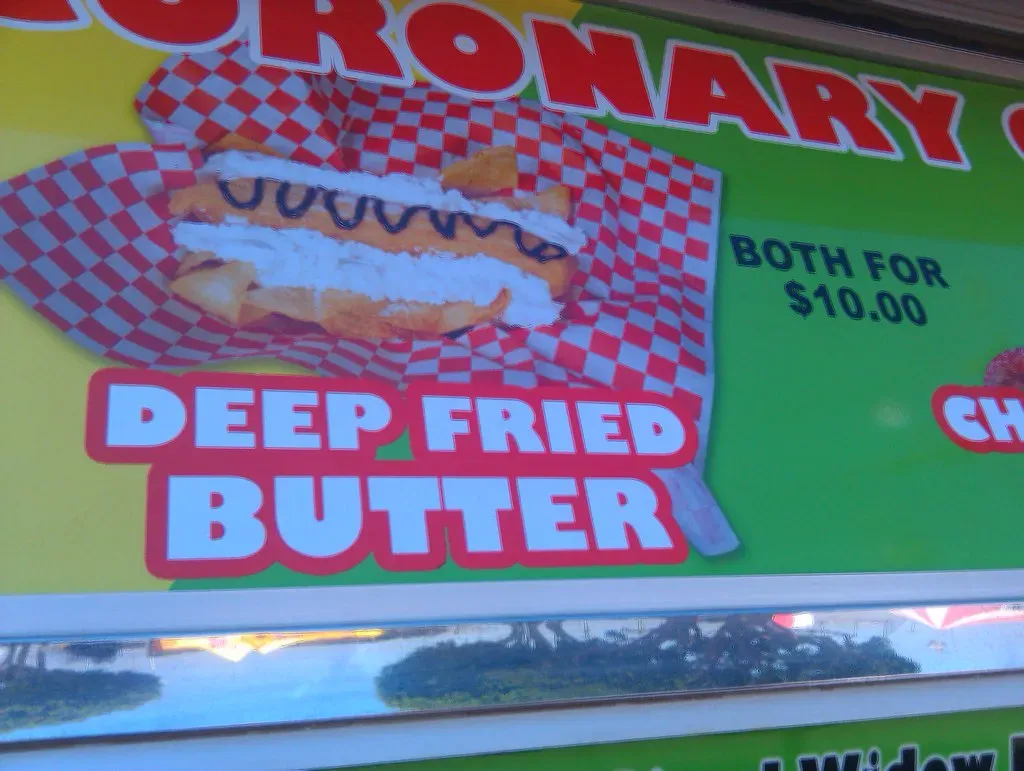
1. Deep-fried butter at state fairs (thenestor, Flickr, <a href="https://creativecommons.org/licenses/by-sa/2.0/" target="_blank" rel="noopener">CC BY-SA 2.0</a>)
At fairs across the South and Midwest, vendors genuinely sell butter that has been frozen, battered, and dropped into hot oil. The Texas State Fair popularized the item in the early 2010s, and it has since spread to other regional fairs as a novelty item people line up for specifically because it sounds absurd. The result is a warm, slightly crisp shell around a molten, buttery center, served on a stick like most other fair food.
Fairgoers do not eat it as a meal so much as a dare turned tradition, something to try once a year alongside fried Oreos and turkey legs. Vendors have since branched into deep-fried butter balls flavored like pecan pie or bacon, keeping the gimmick fresh. It remains a niche item, but it never fully disappears from fair menus, which says something about American appetite for spectacle.
2. Groundhog Day pancake breakfasts
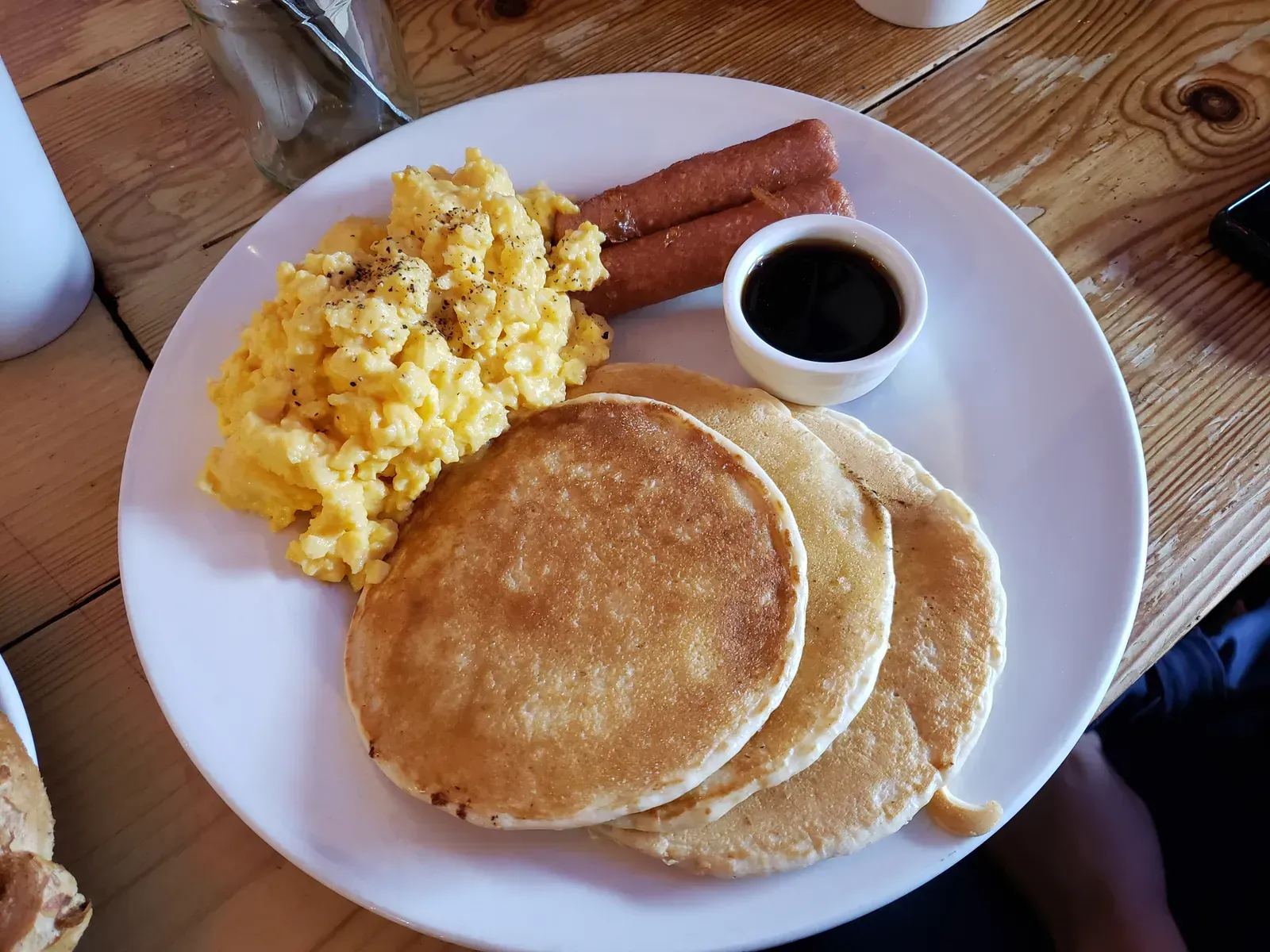
2. Groundhog Day pancake breakfasts (By Andy Li, <a href="https://commons.wikimedia.org/w/index.php?curid=131313583" target="_blank" rel="noopener">CC0</a>)
Long before Groundhog Day became a punchline about a movie, small towns in Pennsylvania and Ohio were hosting pancake breakfasts tied to the holiday, often organized by fire departments or civic clubs. Punxsutawney, Pennsylvania, the town most associated with the tradition, still holds community breakfasts around February second every year alongside the famous groundhog prediction ceremony. The pairing of pancakes with a weather-predicting rodent is not ironic to locals; it is simply how the day has always been marked.
These breakfasts function as fundraisers as much as festivities, with proceeds often going to volunteer fire companies or school groups. The food itself is unremarkable, standard diner-style pancakes and sausage, but the context makes it memorable. It is a good example of how mundane meals become tradition simply by repetition and local pride.
3. Kentucky Derby burgoo
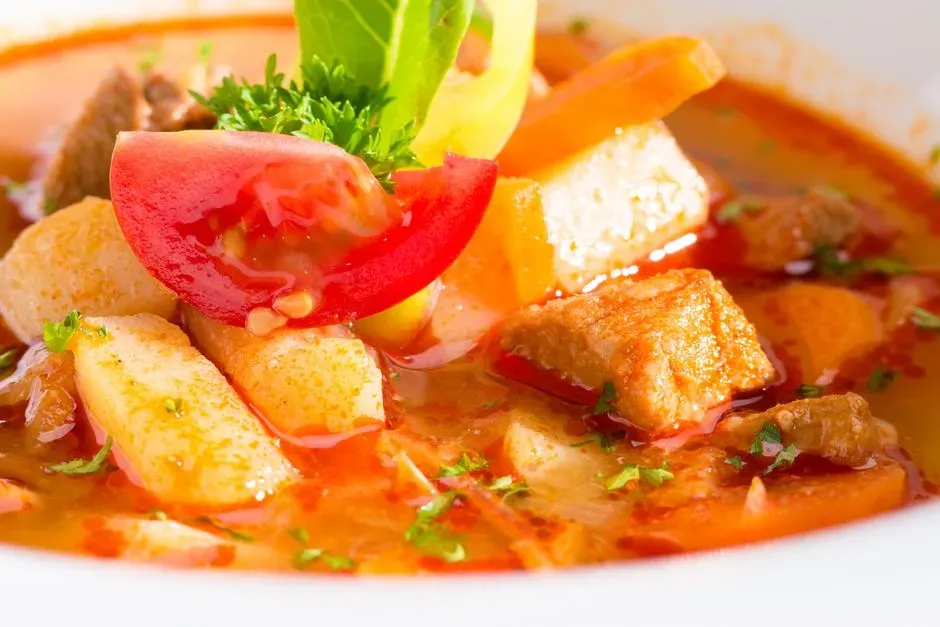
3. Kentucky Derby burgoo (Image Credits: Pexels)
Burgoo is a thick stew, traditionally made with a mix of meats like beef, pork, and sometimes squirrel or game in older recipes, along with corn, beans, and okra. It is served at Kentucky Derby parties and church gatherings across the state, cooked in massive batches in cast iron kettles that can hold gallons at a time. The dish traces back to the nineteenth century and remains tied specifically to Kentucky identity rather than general Southern cooking.
Recipes vary by family and by county, and cooks often argue about whether tomatoes belong in an authentic version. Burgoo festivals still happen in towns like Lexington, where the stew is served alongside bluegrass music and local vendors. It sounds like something invented for tourists, but the roots go back generations before Derby tourism existed.
4. Rocky Mountain oysters
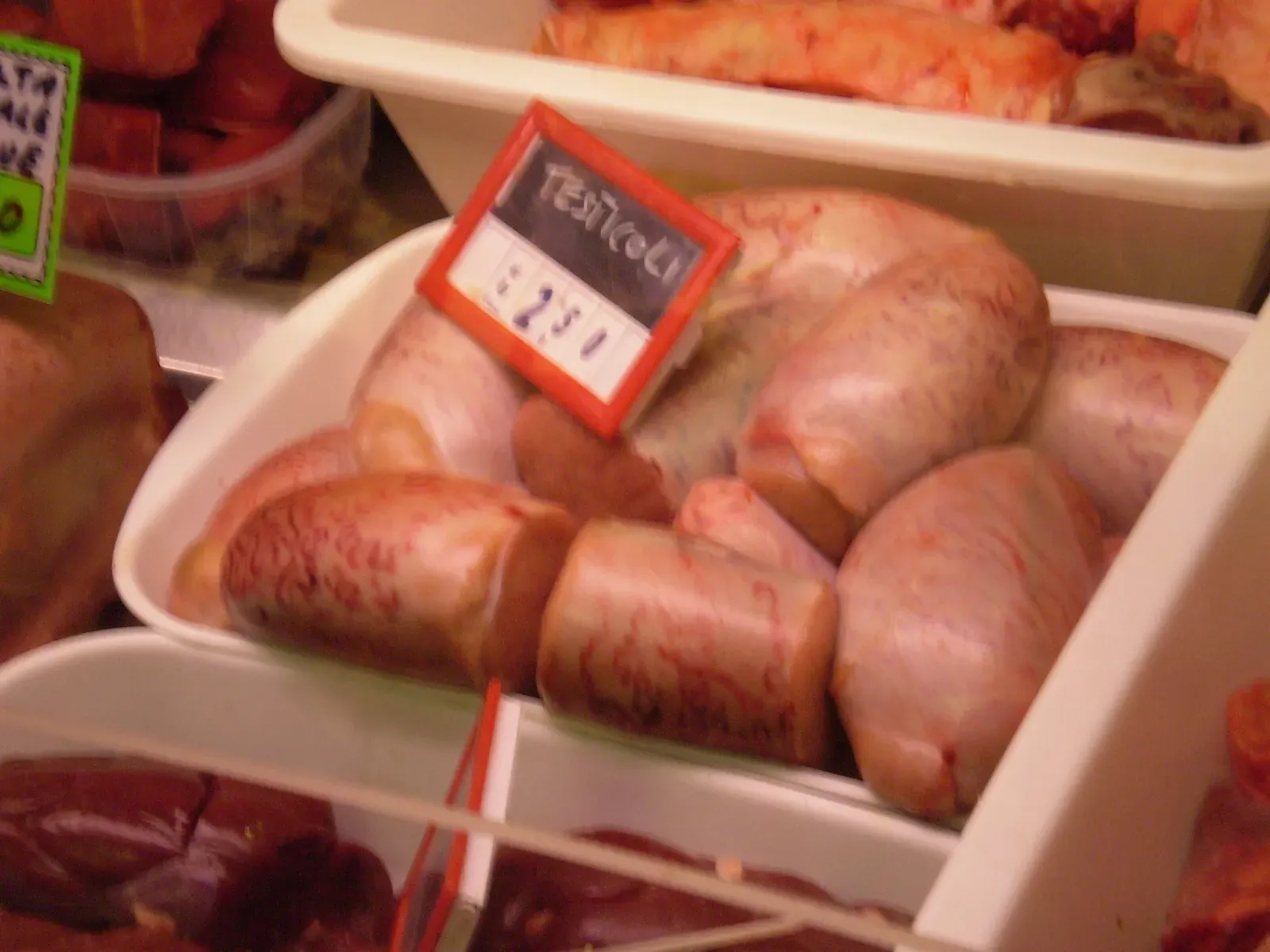
4. Rocky Mountain oysters (Image Credits: By Lucarelli, <a href="https://commons.wikimedia.org/w/index.php?curid=2358941" target="_blank" rel="noopener">Public domain</a>)
Despite the name, there is no seafood involved. Rocky Mountain oysters are breaded and fried bull or bison testicles, a dish tied to cattle ranching regions in Colorado, Montana, and Wyoming. The name is a wink at Eastern seafood dishes, meant to make an unusual cut of meat sound more appealing to outsiders passing through ranch country.
The dish emerged from a practical need to use every part of the animal during castration season on ranches, a practice still common in cattle operations today. Restaurants in the Rockies serve them as an appetizer, often with a dipping sauce similar to what accompanies chicken tenders. It remains a genuine regional specialty rather than a tourist stunt, even though it reads like one.
5. Spam musubi as a convenience store staple
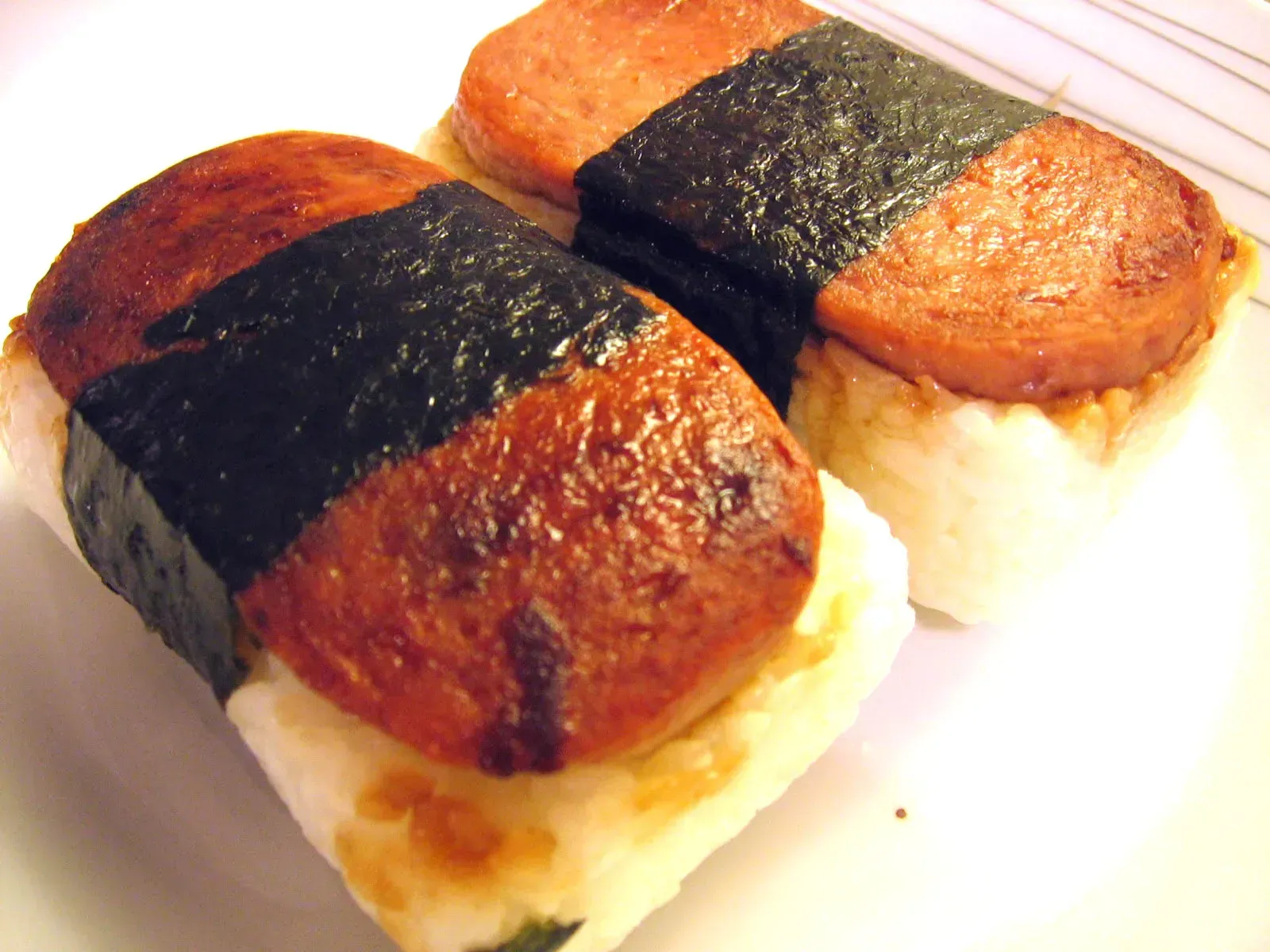
5. Spam musubi as a convenience store staple (By bandita, <a href="https://commons.wikimedia.org/w/index.php?curid=7570612" target="_blank" rel="noopener">CC BY-SA 2.0</a>)
In Hawaii, Spam musubi, a block of grilled Spam pressed onto rice and wrapped with a strip of nori, is sold at gas stations, 7-Elevens, and school cafeterias with the same casualness that mainland convenience stores sell hot dogs. Hawaii consumes more Spam per capita than any other state, a legacy of World War II supply shortages when canned meat was one of the few proteins reliably available. The dish blends Japanese onigiri tradition with American wartime rationing history into something now considered purely local comfort food.
Musubi stands are common enough that many islanders have a favorite spot the way mainlanders have a favorite pizza place. Hormel, the maker of Spam, even hosts an annual Waikiki Spam Jam festival celebrating the product’s outsized role in island cuisine. It is a food tradition built entirely on wartime necessity that outlived the war by decades.
6. Ambrosia salad at funerals and potlucks
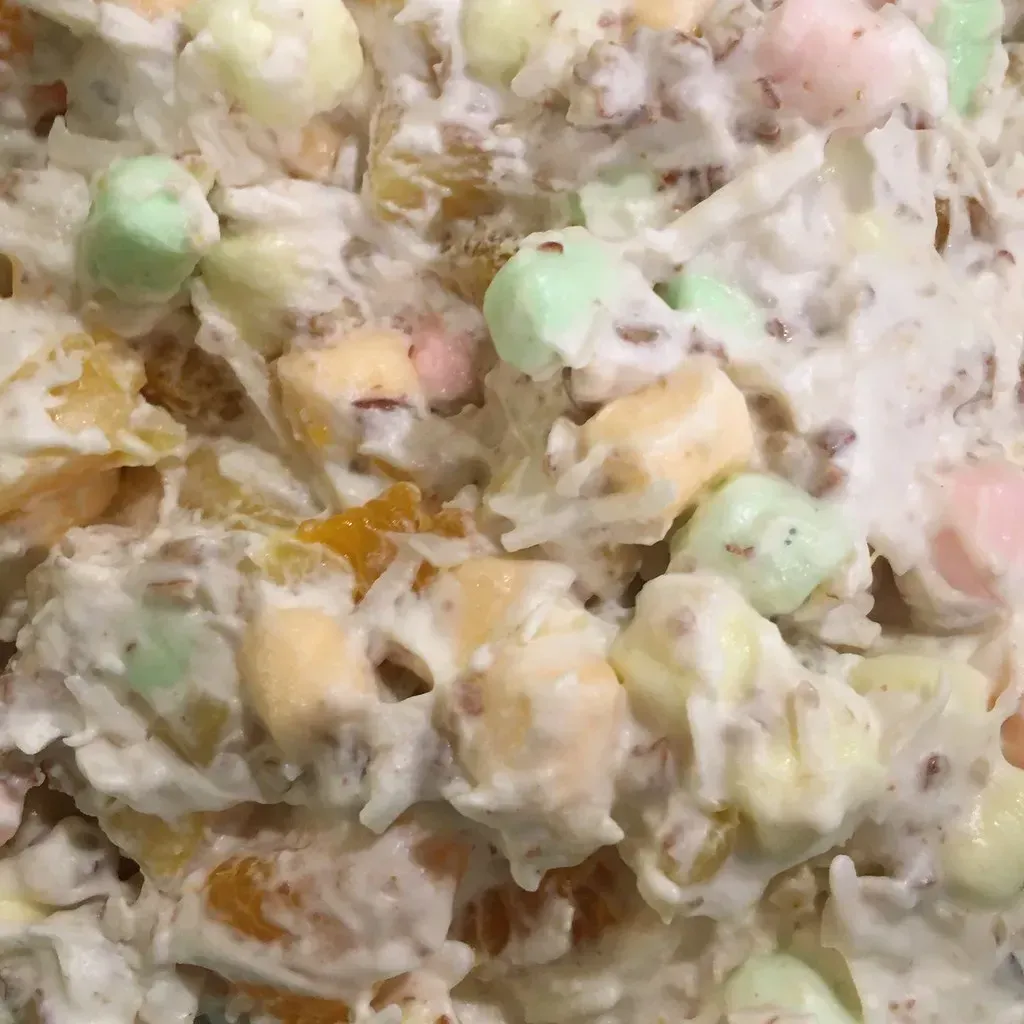
6. Ambrosia salad at funerals and potlucks (Image Credits: Flickr)
Ambrosia salad, a mix of canned fruit, marshmallows, coconut, and whipped cream or mayonnaise, remains a fixture at Southern funerals, church potlucks, and family reunions despite sounding like something nobody would willingly serve. The dish dates back to the late nineteenth century and became especially popular in the mid-twentieth century alongside other congealed and canned-fruit salads. It occupies an odd space on the table, treated as both a side dish and a dessert depending on the household.
Recipes are passed down almost ceremonially, with families arguing over whether pecans, cherries, or sour cream belong in the “correct” version. It shows up specifically at somber gatherings like funerals in parts of the rural South, where its sweetness is meant as a small comfort. The dish has faded from everyday cooking but refuses to disappear from these specific occasions.
7. Cincinnati chili on spaghetti
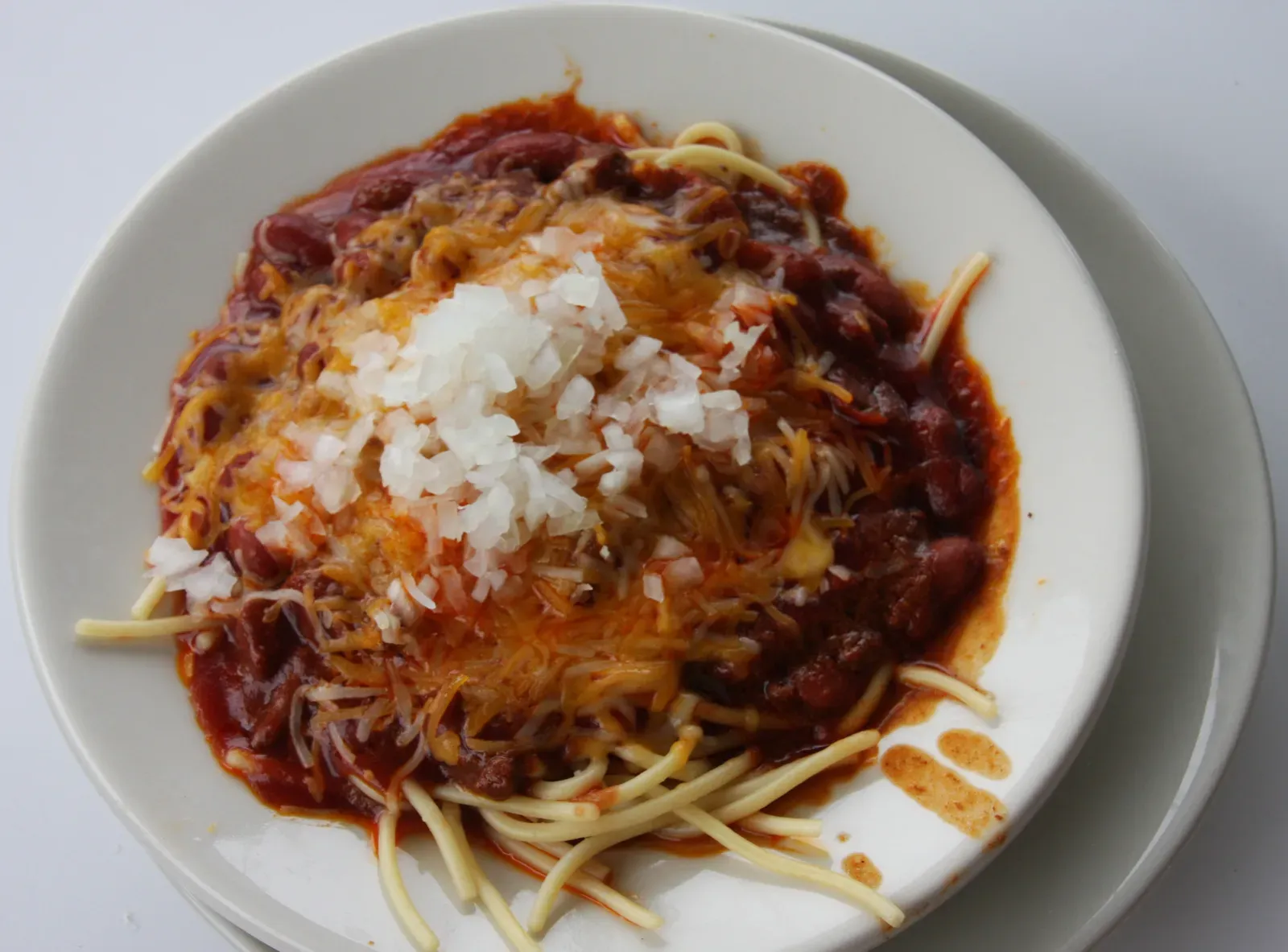
7. Cincinnati chili on spaghetti (By Jonathunder, <a href="https://commons.wikimedia.org/w/index.php?curid=50024809" target="_blank" rel="noopener">GFDL 1.2</a>)
Cincinnati-style chili is a thin, slightly sweet meat sauce spiced with cinnamon and sometimes chocolate or allspice, served over spaghetti noodles rather than in a bowl on its own. It was introduced in the 1920s by Macedonian immigrants who ran diners in the city, and it has since become a defining regional dish with dedicated chains like Skyline Chili and Gold Star Chili. Locals order it by number, with “three-way” meaning chili, spaghetti, and cheese, and “five-way” adding onions and beans.
Outsiders often find the combination and the spice profile jarring, expecting chili to taste more like a Tex-Mex version. Cincinnati residents defend it fiercely, and the city holds an annual chili festival celebrating the dish’s specific history. It remains one of the clearest examples of an immigrant recipe reshaping an entire city’s food identity.
8. Turducken at holiday tables
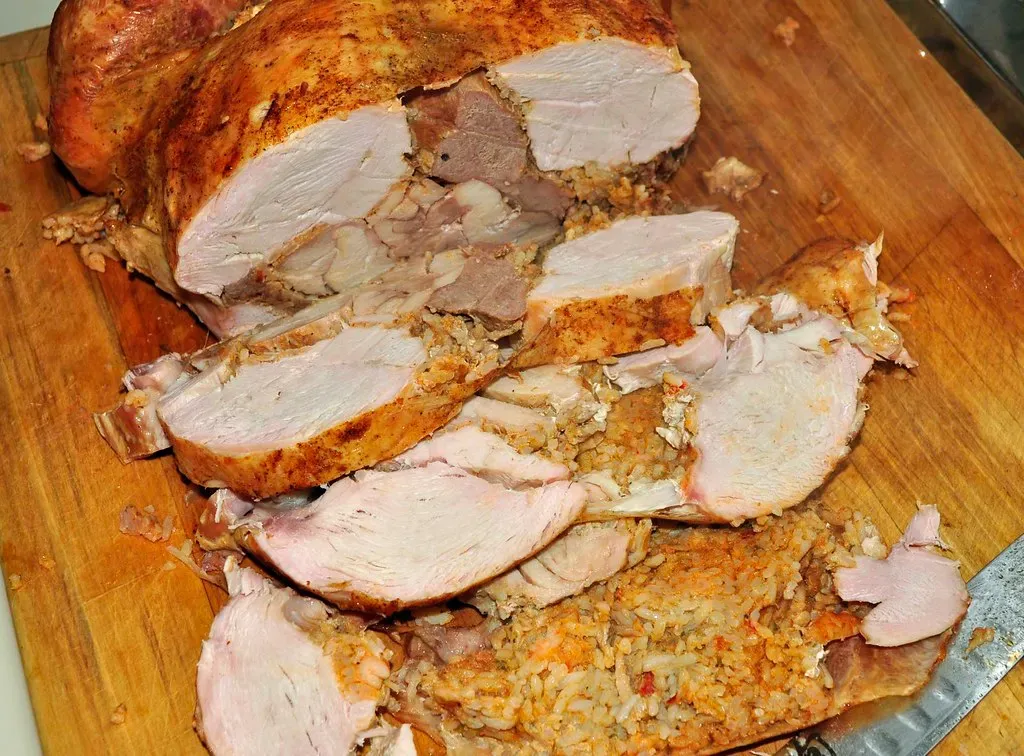
8. Turducken at holiday tables (jeffreyw, Flickr, <a href="https://creativecommons.org/licenses/by/2.0/" target="_blank" rel="noopener">CC BY 2.0</a>)
Turducken, a chicken stuffed inside a duck stuffed inside a turkey, sounds like a fever dream, but it is a real and purchasable holiday centerpiece, especially in Louisiana. Cajun chef Paul Prudhomme is widely credited with popularizing the dish in the 1980s, though layered poultry dishes existed earlier in French and Creole cooking traditions. Specialty butchers in Louisiana still prepare and ship turduckens nationwide every Thanksgiving and Christmas season.
Each layer is typically deboned and separated by stuffing, so slicing the finished roast reveals distinct rings of meat and filling. It requires hours of preparation and is considered a showpiece dish rather than something made casually. The novelty factor keeps it in headlines every holiday season, but for many Louisiana families it is simply what shows up on the table.
9. Booyah stew gatherings in Wisconsin
9. Booyah stew gatherings in Wisconsin (Image Credits: Pixabay)
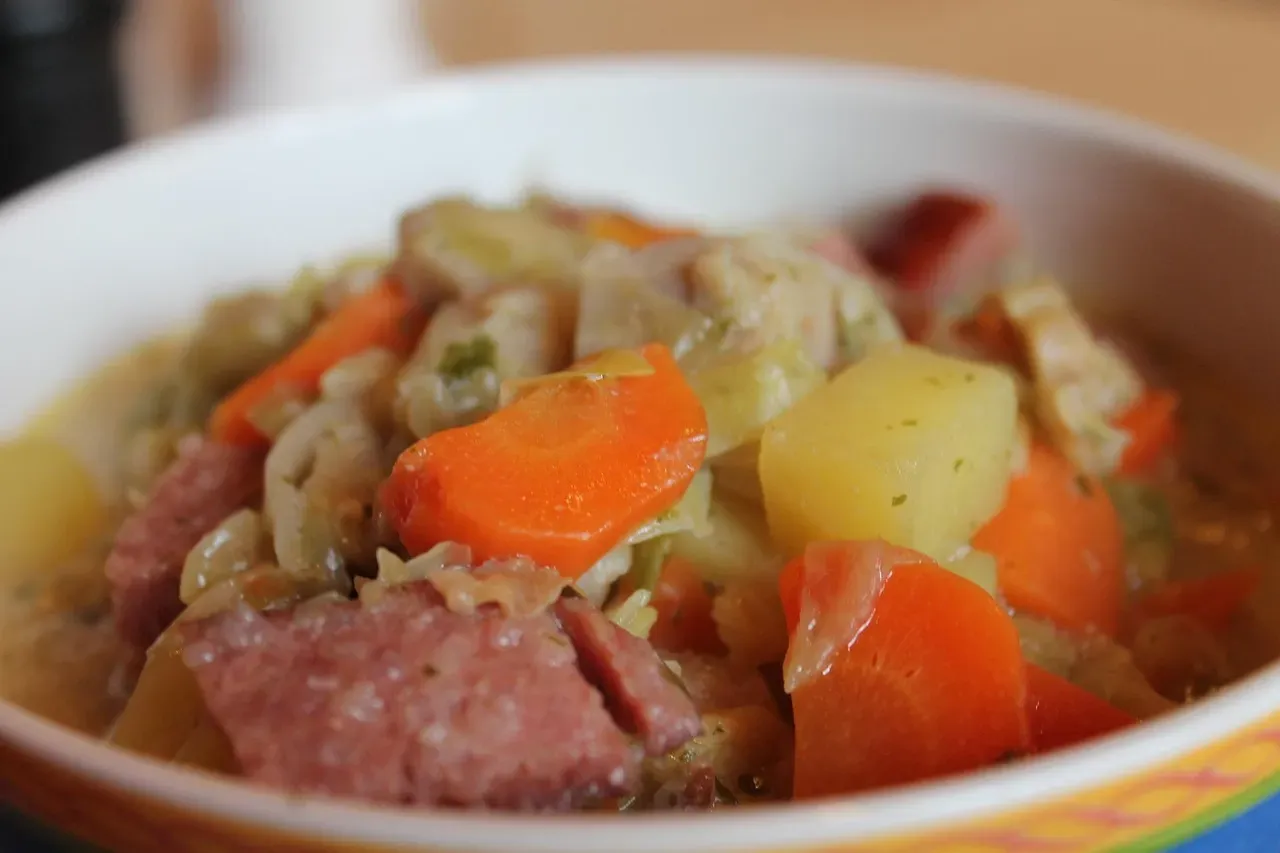
Booyah is a thick chicken or beef stew cooked outdoors in massive kettles, sometimes for over a day, at community fundraisers across Wisconsin and parts of Michigan. The tradition traces back to Belgian immigrant communities that settled in the Green Bay area in the nineteenth century. Church groups and fire departments still host booyah cook-offs and sales, sometimes producing hundreds of gallons in a single event.
The stew simmers so long that the meat falls apart entirely, blending into a broth thick with vegetables. Booyah kettles, often repurposed from other large-batch cooking equipment, are treated almost as community property, passed between organizations for different events. It is a tradition few outside the upper Midwest have heard of, yet inside the region it is taken completely seriously.
10. Fried peanut butter and banana sandwiches, Elvis-style
10. Fried peanut butter and banana sandwiches, Elvis-style (IhasAcellular, Flickr, <a href="https://creativecommons.org/licenses/by/2.0/" target="_blank" rel="noopener">CC BY 2.0</a>)
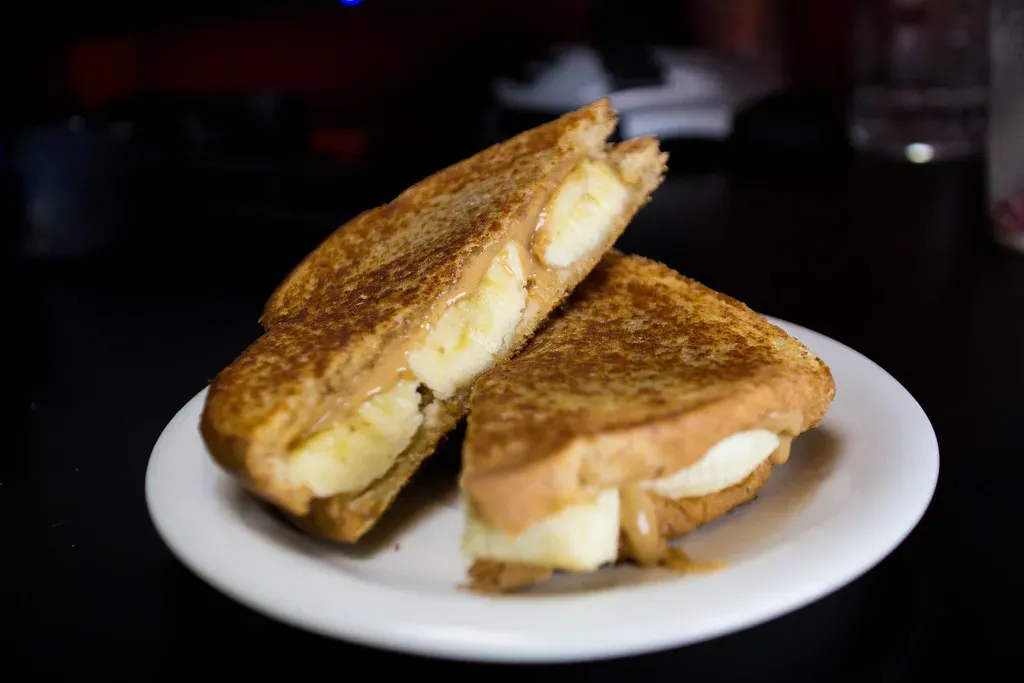
The fried peanut butter and banana sandwich, often credited to Elvis Presley’s personal tastes, remains a real and reproducible dish sold at diners and Southern restaurants, particularly in Memphis. Graceland’s own restaurant has served versions of the sandwich, and Memphis eateries market it specifically using Presley’s name as a draw. The sandwich is grilled in butter until crisp, with the banana softening inside the peanut butter filling.
Some versions add bacon or honey, expanding on what is already a rich, calorie-heavy combination. Food writers and travel guides covering Memphis routinely mention the sandwich as an essential regional food experience tied directly to Presley’s legacy. It sounds like a myth built around a celebrity quirk, but the sandwich predates and outlasts the specific claim about its origin.
11. Snake River rattlesnake meat dishes
11. Snake River rattlesnake meat dishes (Image Credits: Pexels)
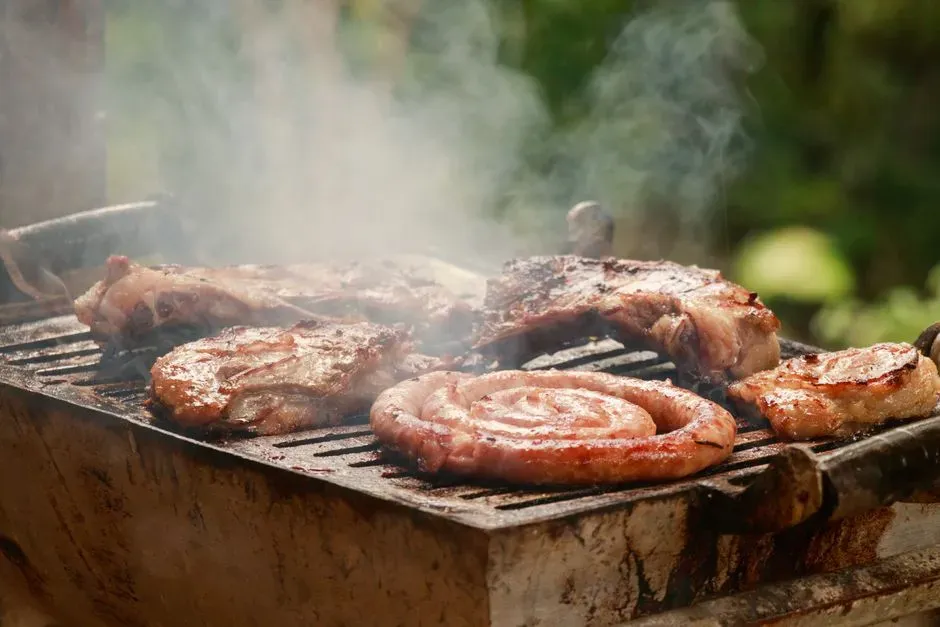
In parts of Texas and Oklahoma, rattlesnake meat is a real, legally sold ingredient, most famously featured at the Rattlesnake Round-Up in Sweetwater, Texas, one of the largest events of its kind in the country. Vendors fry rattlesnake meat into strips similar to chicken tenders, and the annual roundup includes cooking demonstrations alongside the snake-catching competitions the event is known for. The meat has a mild flavor often compared to a cross between chicken and fish, and it is typically breaded to offset its slightly rubbery texture.
The Sweetwater roundup has run since the 1950s and draws thousands of visitors annually, blending conservation debates, rural tradition, and genuine culinary curiosity into one event. Restaurants in the region sometimes offer rattlesnake as a seasonal specialty item beyond the festival itself. It remains one of the more literal examples of a food tradition sounding invented purely because it involves an animal most people never expect to see on a menu.