
Dinner in the 1980s had a rhythm to it. Between the rise of convenience foods and a generation of parents juggling work and after-school schedules, certain dishes just kept showing up, week after week. Casseroles, boxed helpers, and Sunday roasts all had their place in a decade that was equal parts nostalgic comfort food and early fast-cooking innovation.
Tuna Noodle Casserole
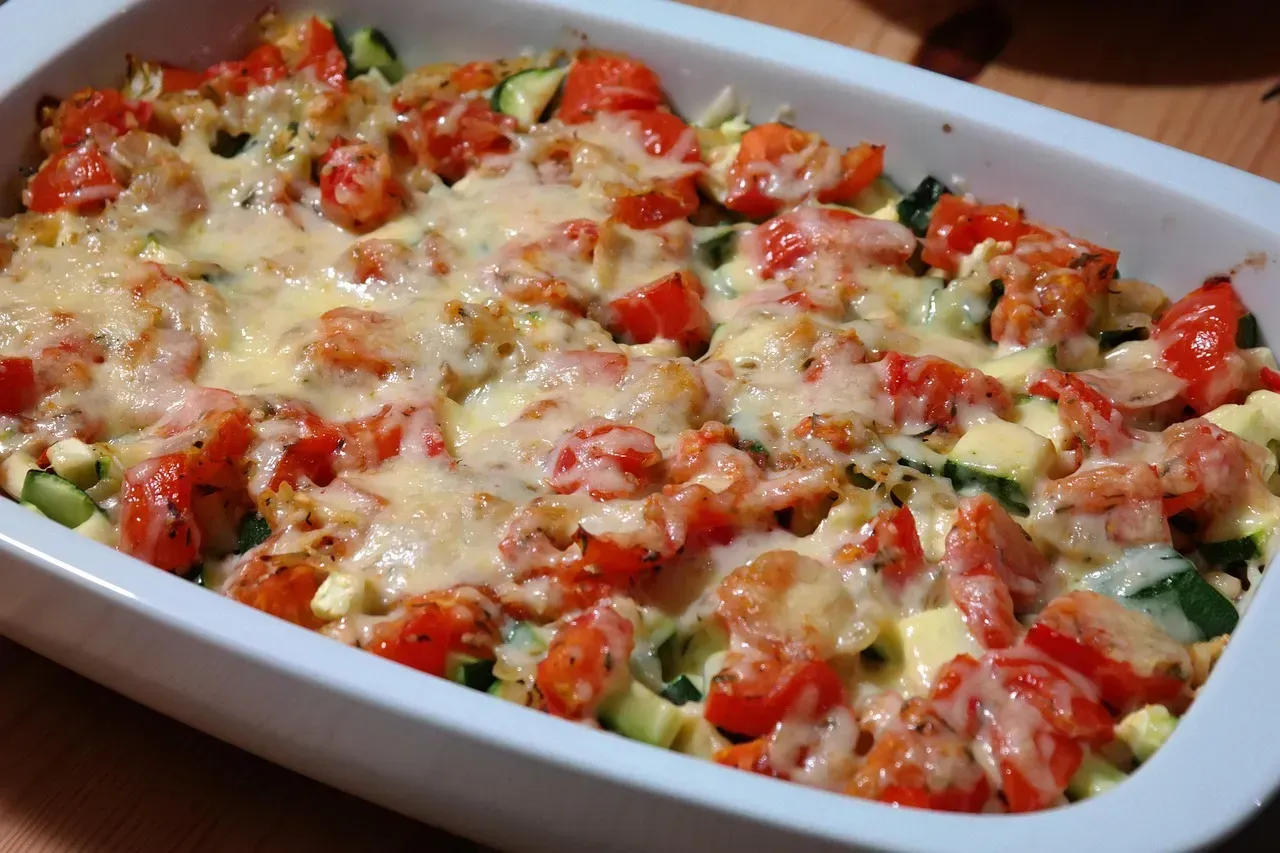
Tuna Noodle Casserole (Image Credits: Pixabay)
Few dishes defined budget-friendly ’80s cooking quite like tuna noodle casserole. It leaned on pantry staples: canned tuna, egg noodles, and a can of cream of mushroom soup, all baked together and often topped with crushed potato chips or breadcrumbs for crunch. The dish traces its popularity back to the postwar era, but it held steady through the ’80s as a reliable weeknight standby.
Cream of mushroom soup, produced by Campbell’s since the 1930s, became the backbone of countless casseroles during this period. Families liked it because it was cheap, filling, and forgiving if you didn’t have exact measurements. It also froze well, which made it a popular make-ahead option for busy households.
Hamburger Helper Skillet Dinners
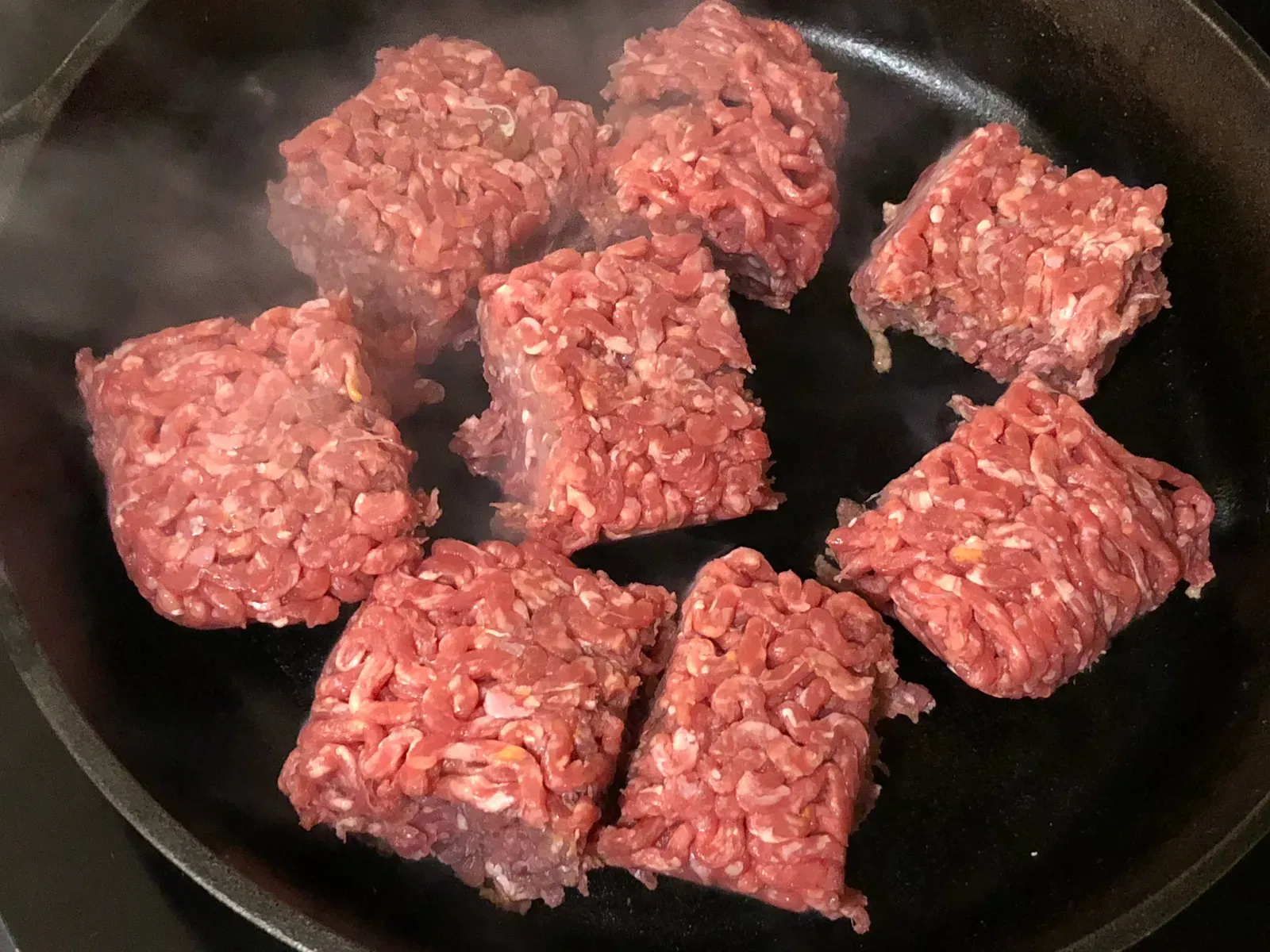
Hamburger Helper Skillet Dinners (By Famartin, <a href="https://commons.wikimedia.org/w/index.php?curid=93010943" target="_blank" rel="noopener">CC BY-SA 4.0</a>)
Introduced by General Mills in 1971, Hamburger Helper hit its stride in the 1980s as one-pan cooking became a necessity for working parents. The boxed pasta and seasoning mixes promised a full meal from a pound of ground beef, water, and milk, all cooked together in a single skillet. Flavors like Cheeseburger Macaroni and Beef Stroganoff became household names.
The appeal was speed and simplicity rather than gourmet flair. A box cost just a dollar or two, and the whole meal came together in under thirty minutes. It fit perfectly into an era when more households had two working parents and less time for elaborate cooking.
Sloppy Joes
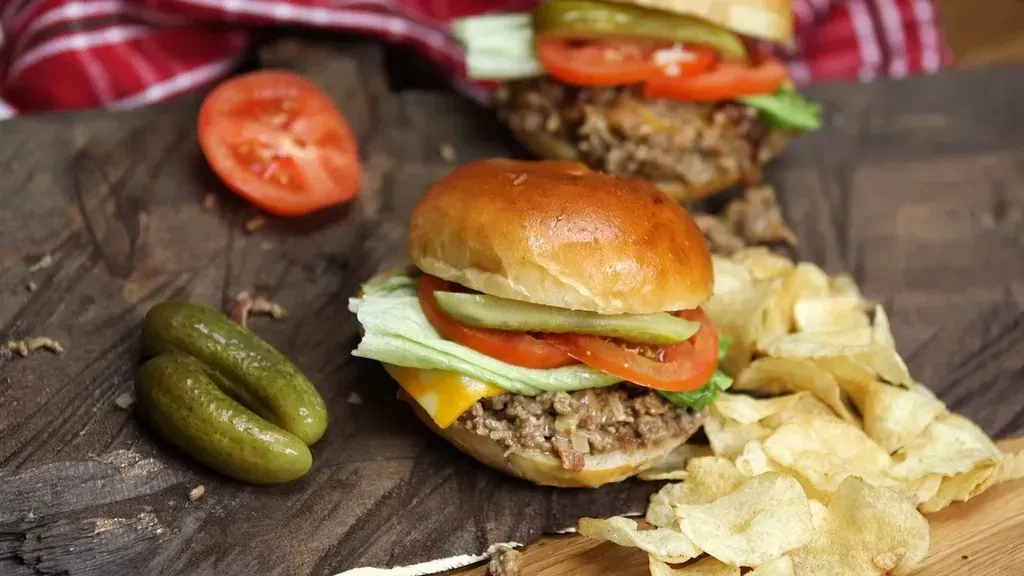
Sloppy Joes (Image Credits: Rawpixel)
Ground beef simmered in a tangy, slightly sweet tomato-based sauce and served on a soft hamburger bun made sloppy joes a weekday regular in many ’80s kitchens. Manwich, the canned sauce brand from Hunt’s, simplified the process even further and became synonymous with the dish for many families. Kids liked the messy, hands-on eating experience, and parents liked that it stretched a small amount of meat to feed several people.
The sandwich itself has roots going back decades earlier, with some food historians tracing versions of it to Iowa diners in the 1930s. By the 1980s, though, it had fully transitioned into a home-cooked staple rather than a diner specialty. It paired naturally with potato chips or a side of canned corn, rounding out a meal that took minimal effort.
Sunday Pot Roast
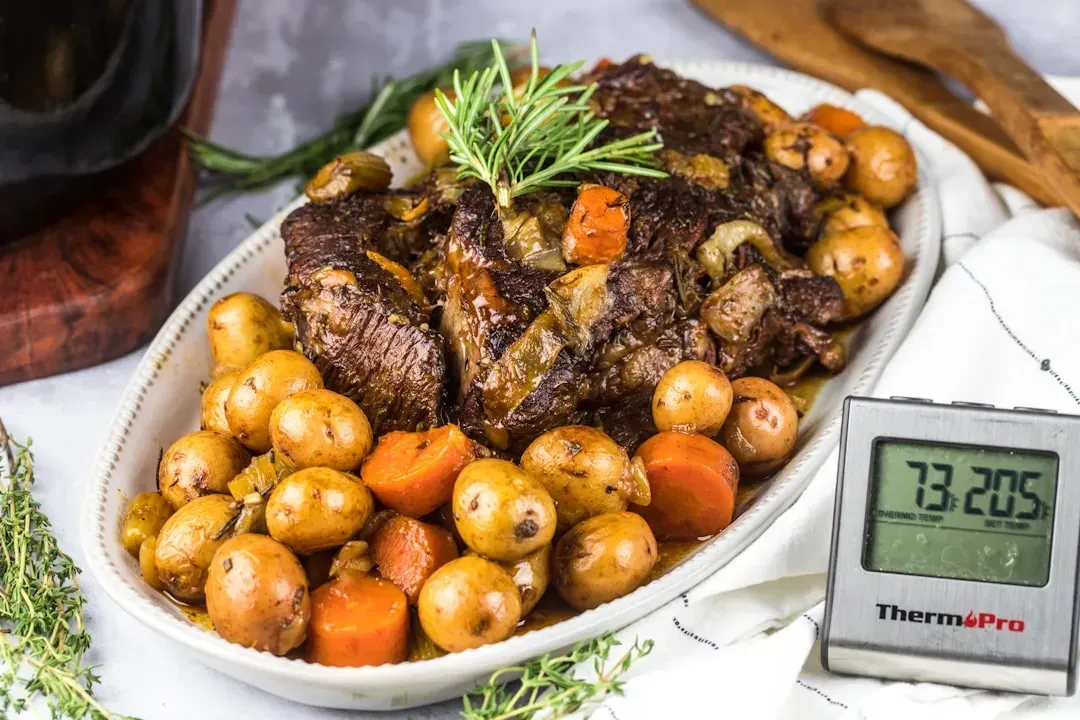
Sunday Pot Roast (Image Credits: Unsplash)
Pot roast held a different kind of place at the table, less about speed and more about tradition. A tougher cut of beef, often chuck roast, was slow-cooked with carrots, potatoes, and onions until it fell apart with a fork. This was the meal that filled the house with smell for hours and brought everyone to the table at the same time.
Crockpots, which had grown in popularity since their introduction in the 1970s under the Rival brand, made pot roast even more common in the following decade. Set it in the morning, and dinner was ready by evening without much hands-on attention. It became a fixture of Sunday dinners specifically, a slower ritual compared to the rushed meals during the workweek.
Fish Sticks and Tater Tots
Fish Sticks and Tater Tots (Image Credits: Unsplash)
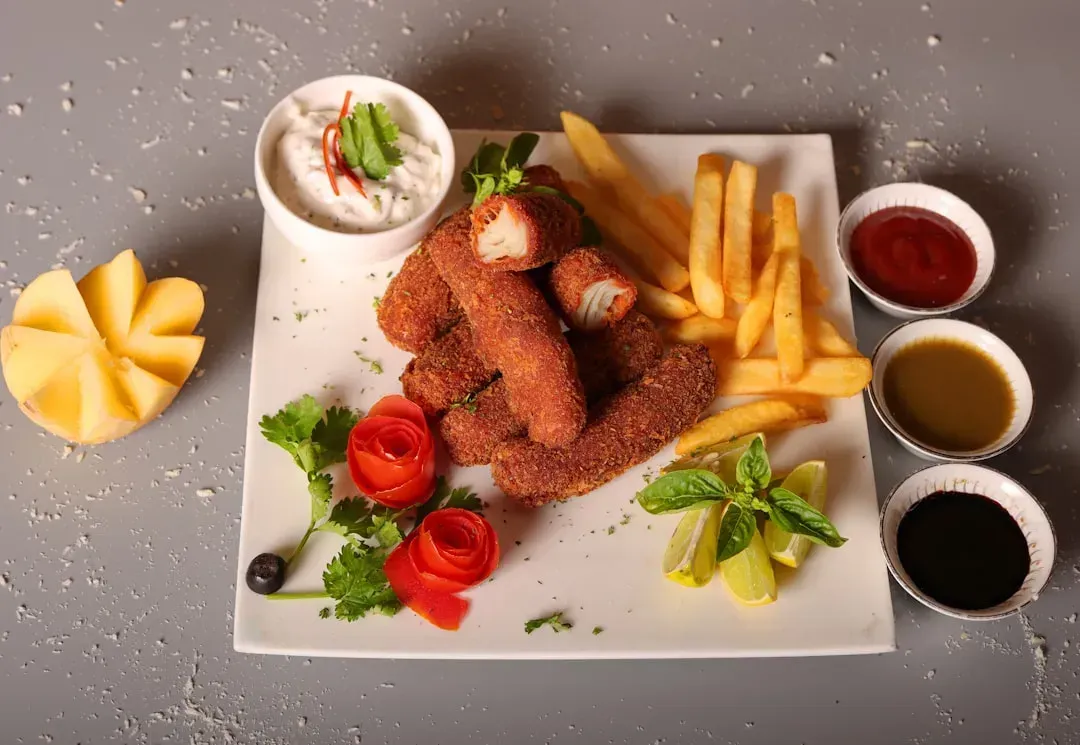
Frozen food technology matured significantly by the 1980s, and fish sticks paired with tater tots became a common Friday night or midweek dinner. Gorton’s and Mrs. Paul’s were among the major brands producing breaded, oven-ready fish sticks that only needed baking. Tater tots, invented by Ore-Ida in the 1950s, remained a favorite side because they were quick, crispy, and universally liked by kids.
This meal combination appealed to parents managing picky eaters, since both components were mild in flavor and easy to dress up with ketchup or tartar sauce. It also required almost no prep work beyond opening a freezer bag and turning on the oven. For many Catholic families, fish sticks specifically tied into the tradition of meatless Fridays.
Chicken Pot Pie
Chicken Pot Pie (Image Credits: Pexels)
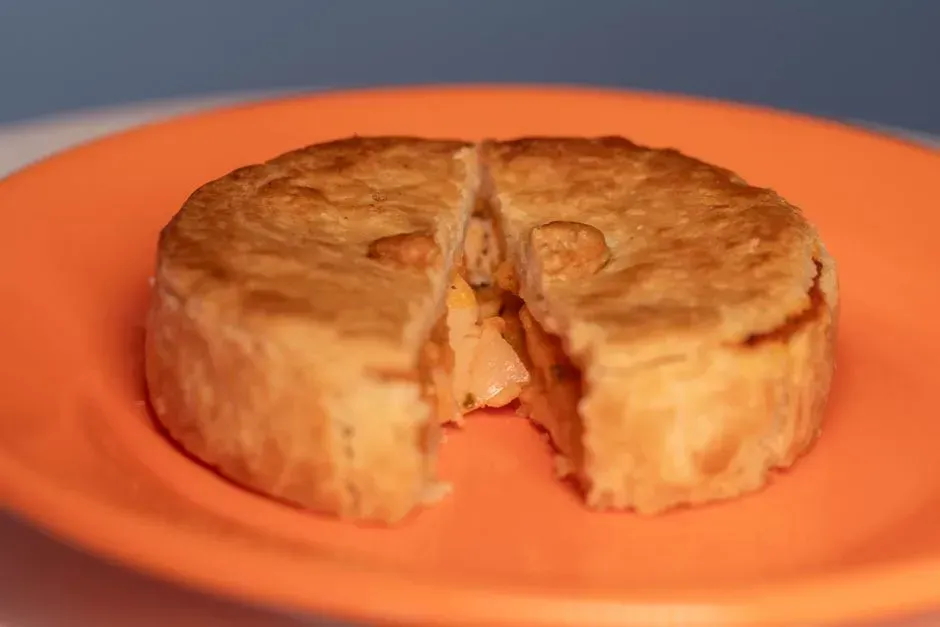
Frozen chicken pot pie, particularly the individual-sized version from Banquet, became a lunchbox and dinner staple throughout the decade. Inside a flaky crust sat a mix of chicken, peas, carrots, and a creamy gravy, all baked until bubbling. It offered the comfort of a home-cooked meal without the actual cooking, which mattered a lot to time-strapped households.
Banquet had been producing frozen pot pies since the 1950s, but sales climbed through the ’70s and ’80s as more households owned microwaves and ovens suited for quick reheating. The pies were inexpensive, often selling for under a dollar, making them accessible even for larger families feeding several kids at once. They remain a nostalgic touchstone for anyone who remembers waiting for that steam to escape when you cut into the crust.
Spaghetti with Jarred Sauce
Spaghetti with Jarred Sauce (Image Credits: Unsplash)
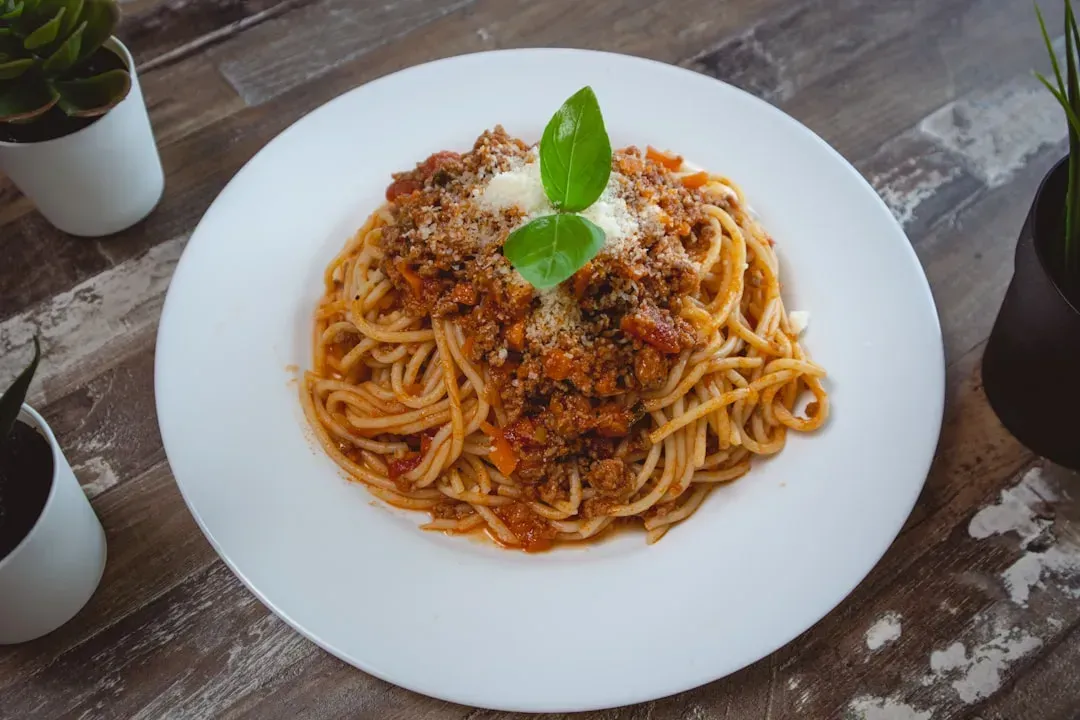
Spaghetti night was a near-universal experience in ’80s households, largely thanks to the growing availability of jarred tomato sauce. Ragu and Prego both expanded their product lines significantly during this decade, offering flavored varieties beyond the basic marinara. Combined with ground beef and a box of dried pasta, it became one of the easiest meals to stretch across a family of any size.
Prego, launched by Campbell’s in 1981, specifically marketed itself as thicker and more “homemade” tasting compared to Ragu, sparking a bit of brand rivalry in supermarket aisles. Garlic bread and a side salad often rounded out the meal, making it feel a little more complete without adding much extra cooking time. It’s a dish that has aged well, still appearing on dinner tables today in a form barely changed from decades ago.