
Walk down almost any grocery aisle and you’ll find ingredients lists packed with names most people can’t pronounce, let alone explain. Some of those substances used to be perfectly legal in the United States and, in a handful of cases, they no longer are. Regulatory changes over the past two years, driven by federal action and a wave of new state laws, have quietly reshuffled which additives can still legally end up in your shopping cart.
Understanding which ingredients have actually crossed the line from “allowed” to “banned” matters, especially since old inventory sometimes lingers on shelves well past a rule change. Here’s a closer look at seven additives that food safety experts and regulators have flagged as illegal, either nationwide or in a growing number of states, along with the reasoning behind each decision.
1. Red Dye No. 3
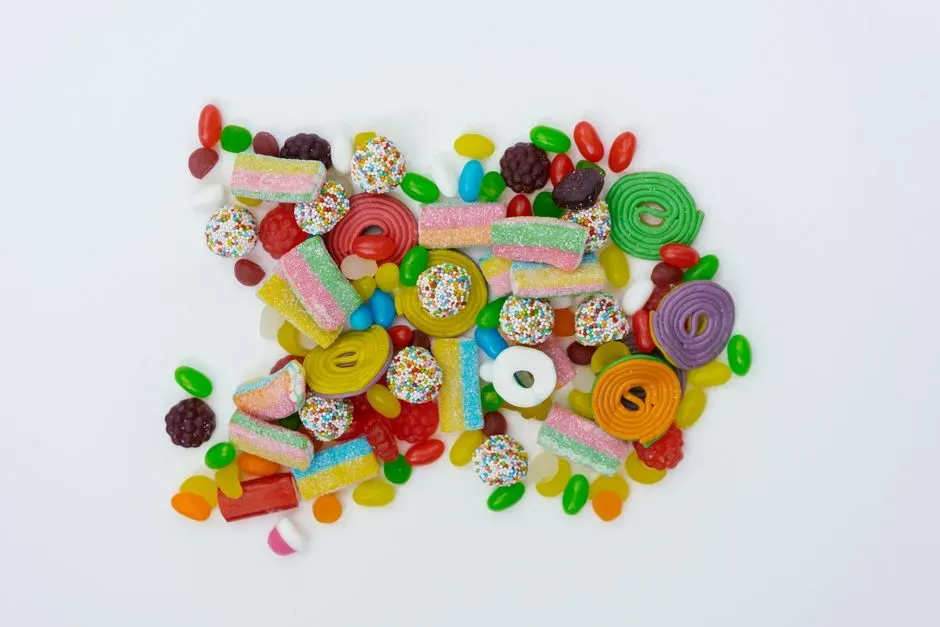
1. Red Dye No. 3 (Image Credits: Pexels)
A food dye called Red No. 3 was banned by the Food and Drug Administration on January 15, 2025. The decision came after decades of debate, since the FDA had already revoked its authorization for the use of red dye 3 in foods and ingested drugs in January 2025. The dye had long been used to give maraschino cherries, candy, and baked goods their bright red hue.
Assemblymember Kelles cited “established links to cancer, hormone disruption, and organ damage” when discussing the substance during related state-level debates. Food companies aren’t left scrambling overnight, though, since food companies have until 2027 to remove Red No. 3 from ingested drugs in some contexts, and manufacturers have been given phased timelines to reformulate products. Even so, its federal ban marks one of the clearest examples of an additive that was once legal and is now genuinely off-limits.
2. Brominated vegetable oil (BVO)
2. Brominated vegetable oil (BVO) (By dankeck, <a href="https://commons.wikimedia.org/w/index.php?curid=57355205" target="_blank" rel="noopener">CC0</a>)
For decades, BVO kept citrus flavoring evenly distributed in sodas and sports drinks rather than letting it float awkwardly to the top. That changed when on July 2, 2024, the Food and Drug Administration banned the use of brominated vegetable oil in food, with companies required to comply by August 2025. It’s a rare case of a long-standing, widely used additive getting a full federal shutdown rather than just a warning label.
Brominated vegetable oil had previously been found in Coca-Cola and Pepsi drinks, including Gatorade, as well as in Mountain Dew, though most major brands had already phased it out ahead of the ban. This federal ban followed preemptive action at the state level, where California had already included BVO in its 2023 ban on several additives. Shoppers picking up an off-brand citrus soda today should have little reason to worry, since the ingredient is no longer legal to use anywhere in the country.
3. Potassium bromate

3. Potassium bromate (Image Credits: Pexels)
Potassium bromate has a long history in commercial baking, valued for how it strengthens dough and helps bread rise higher. It is a slow-acting oxidizer that has long been used in flour to strengthen and increase the rising potential of dough, first used as a bread dough conditioner in 1916, and it is still used in certain packaged baked goods, such as in some hamburger buns and dinner rolls.
The concern isn’t new. In 1991, potassium bromate was listed as a potential carcinogen under California’s Proposition 65, which requires a warning label on any products containing more than certain levels of the additive. It’s not banned nationwide, but while not federally banned, it has been banned in California and is heavily regulated elsewhere due to its status as a possible human carcinogen, with many other countries, including the UK and Brazil, prohibiting its use. California’s ban takes full effect under the state’s timeline, meaning some products currently on shelves will become illegal to sell there soon.
4. Propylparaben
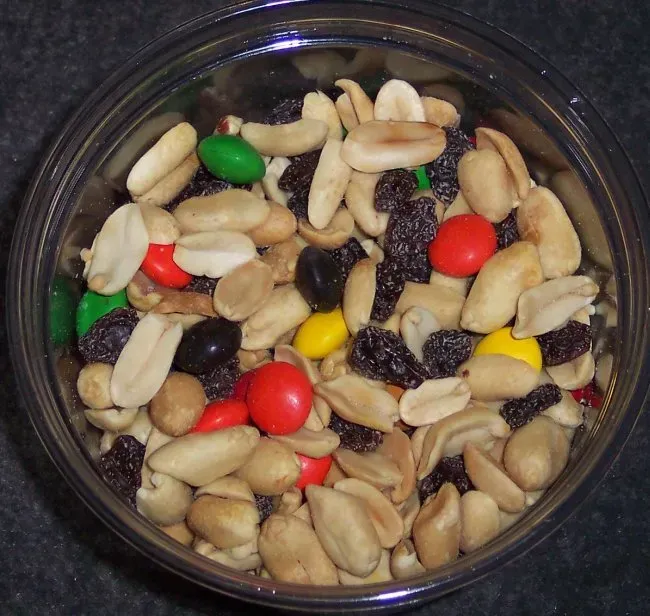
4. Propylparaben (By ImGz, <a href="https://commons.wikimedia.org/w/index.php?curid=4465771" target="_blank" rel="noopener">CC BY-SA 3.0</a>)
Propylparaben doesn’t get as much attention as artificial dyes, but it shows up in a surprising number of everyday foods as a preservative. It is most commonly used as a preservative in foods such as trail mix, baked goods, tortillas, and sausages.
Its regulatory history outside the U.S. goes back further than most shoppers realize. Although it was banned from foods in the E.U. back in 2006, the chemical is still allowed to be used in the U.S., and research has shown that exposure to the preservative could be linked to breast cancer. California has since acted domestically, since California officials say they’re banning propylparaben, along with red dye No. 3, brominated vegetable oil, and potassium bromate, from being manufactured, sold or distributed in the state because they can be harmful. Several other states, including Utah and Arizona, have since layered on their own school-specific restrictions for the same ingredient.
5. Partially hydrogenated oils
5. Partially hydrogenated oils (Image Credits: Pexels)
Partially hydrogenated oils, the main source of artificial trans fats, spent decades as a pantry staple before regulators caught up with the science on heart disease risk. These oils, like brominated vegetable oil, were banned in the U.S. prior to the second Trump administration, following an earlier FDA determination that they were no longer generally recognized as safe.
The shift away from trans fats predates most of the recent additive debates and is often cited as a model for how regulatory action can genuinely reshape a category. Food manufacturers largely reformulated snack foods, margarine, and baked goods years in advance of enforcement deadlines. Even so, small amounts of trans fats can still occur naturally or through limited exceptions, so the ban isn’t quite absolute in every corner of the food supply.
6. Citrus Red No. 2

6. Citrus Red No. 2 (Image Credits: Pexels)
Citrus Red No. 2 has a narrow but notable history, historically used to color the skins of some Florida oranges rather than the fruit’s flesh. Its regulatory fate recently shifted, since the FDA announced it would start the process to ban two other colorants in food, Citrus Red No. 2 and Orange B, and work with industry to remove several other dyes used in food.
Unlike Red Dye No. 3, this additive was never used widely in packaged snack foods, which limits its direct impact on most shoppers’ carts. Still, its inclusion in the FDA’s broader dye phase-out signals that regulators are taking a harder look at legacy color additives that had largely escaped scrutiny for years. Consumers buying citrus fruit with unusually vivid peels may want to check sourcing, since the additive’s days appear numbered.
7. Orange B
7. Orange B (Image Credits: Pexels)
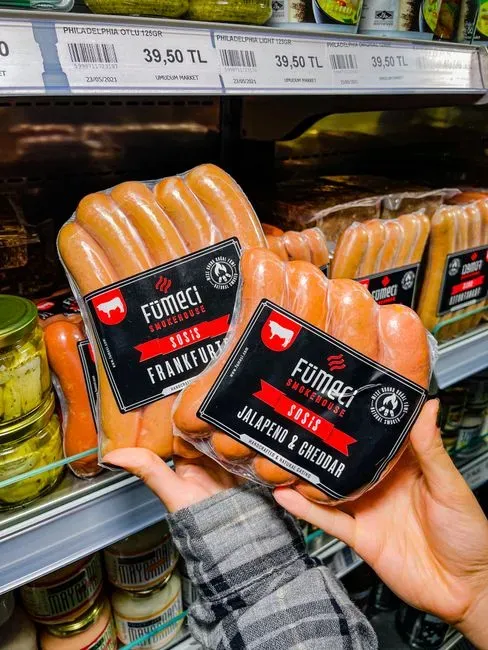
Orange B is one of the least familiar names on this list, largely because its legal use has always been narrow, limited mainly to the casings of hot dogs and sausages. Even with that limited scope, it landed in the same regulatory action as Citrus Red No. 2, since the FDA announced it would start the process to ban two other colorants in food, Citrus Red No. 2 and Orange B, and work with industry to remove several other dyes used in food.
Few consumers likely encountered Orange B directly, since most modern sausage casings rely on other coloring methods entirely. Its inclusion in the FDA’s dye review reflects a broader housekeeping effort rather than a response to widespread daily exposure. For shoppers, it’s a reminder that some additive bans are less about common snack foods and more about tidying up decades-old approvals that quietly stayed on the books.
Taken together, these seven cases show a regulatory landscape that’s shifting faster than it has in decades. Some additives, like Red Dye No. 3 and brominated vegetable oil, are now illegal nationwide. Others, including potassium bromate and propylparaben, remain legal under federal law but are already banned or restricted in California and a growing list of states.
There is a real risk that states will drive both a regulatory patchwork and public confusion regarding food ingredient safety and labeling over the coming years. For shoppers, the practical takeaway is straightforward: reading ingredient labels still matters, and what’s legal on a shelf in one state may not be legal in another within the next year or two.