
Most homeowners assume they know exactly where their yard ends and the neighbor’s begins. Then a new fence goes up, a tree drops branches over a shared line, or a survey crew shows up next door, and suddenly nobody is quite so sure. Boundary confusion is one of the most persistent sources of neighbor conflict in the United States, and much of it comes down to a handful of legal misunderstandings that repeat themselves from state to state.
Real estate attorneys and licensed surveyors tend to hear the same wrong assumptions over and over. Below are seven of the most common ones, along with what the law actually says.
1. A fence marks the true property line
1. A fence marks the true property line (Image Credits: Pexels)
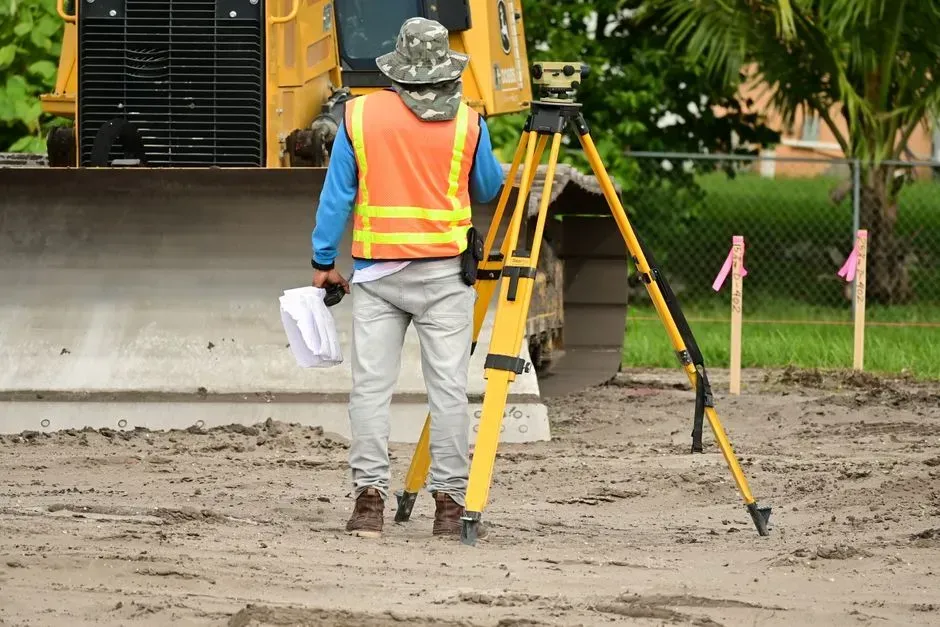
Homeowners routinely treat an existing fence as gospel, but a fence is often just where someone decided to put a fence decades ago. Most homeowners are surprised to learn that property lines aren’t always where they think they are, and a fence a neighbor put up years ago could be two feet into either yard. Even long-standing tree lines or hedges are not reliable stand-ins for a legal boundary.
Surveyors distinguish between the actual recorded line and what’s called a line of possession. Lines of possession refer to the legal boundaries of a property, often established through deeds, land surveys, and historical use, and while physical features like fences may coincide with these boundaries, they are not always accurate indicators. The only way to know for certain is a professional survey, not eyeballing where the posts happen to sit.
2. Survey stakes and pins can be moved if they're inconvenient
2. Survey stakes and pins can be moved if they're inconvenient (waferboard, Flickr, <a href="https://creativecommons.org/licenses/by/2.0/" target="_blank" rel="noopener">CC BY 2.0</a>)
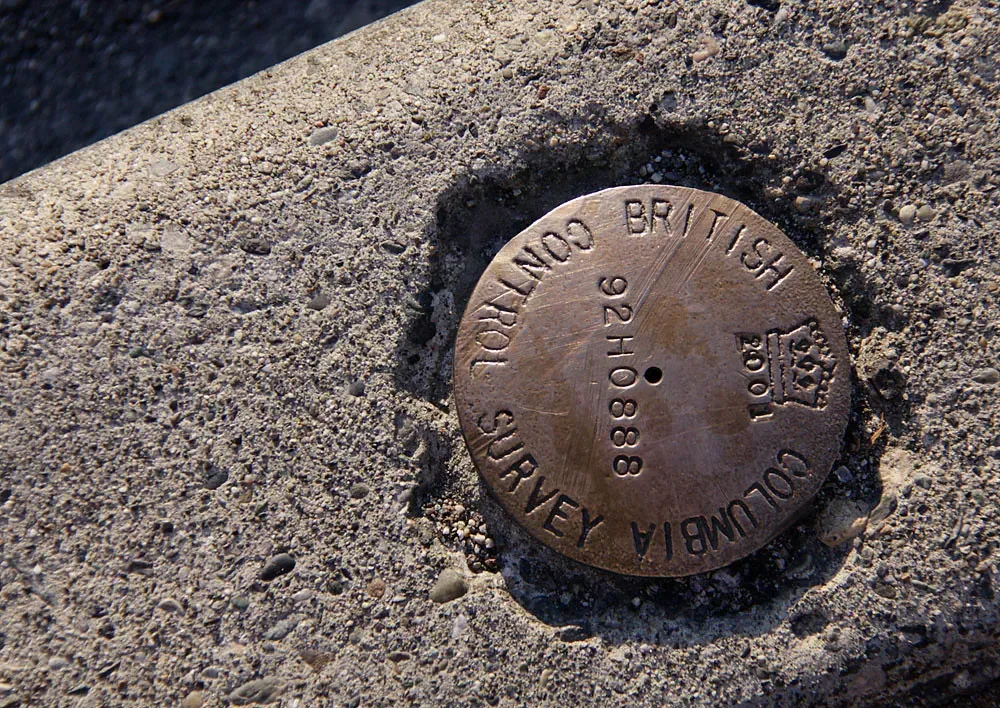
It’s tempting to yank out a metal pin that’s sitting in the middle of a planned flower bed or blocking a mower. That instinct can create real legal exposure. You might want to place or move markers yourself based on property records, but doing so could cause legal trouble, and changing existing boundary markers is illegal in many states, which usually classify the offense as a misdemeanor.
The rules get even sharper in some states. In most states, including Texas, it is illegal to knowingly move, alter, or remove property survey markers, since these boundary stakes are part of a legal survey and are protected by law. In Texas specifically, interfering with survey monuments is considered a criminal offense under Texas Penal Code § 42.08, which treats the removal of landmarks or official markers as criminal mischief. If a stake is genuinely in the way, the right move is to call the surveyor who placed it, not a shovel.
3. Long-term use of land automatically transfers ownership

3. Long-term use of land automatically transfers ownership (Image Credits: Pixabay)
Adverse possession gets talked about casually, as if using a strip of land for a while just makes it yours. That’s not how it actually works in practice. A common misconception is that adverse possession automatically transfers title after the statutory period, but it does not transfer title automatically; a court judgment or quiet title action is required to legally establish the adjusted boundary.
Simply having a fence in the wrong spot for years doesn’t rewrite the deed on its own. Fence position alone, without a court ruling, does not modify the recorded plat. A claimant still has to go through the courts, and requirements vary considerably by state, including how long the use must continue and whether it must be exclusive and hostile.
4. The statutory time period for adverse possession is the same everywhere

4. The statutory time period for adverse possession is the same everywhere (Image Credits: Pexels)
People often repeat a specific number of years as if it’s a national standard, but adverse possession timelines differ sharply across jurisdictions. In New Jersey, for example, adverse possession enables someone to gain title to another’s property through continuous, hostile and open possession without permission for a statutory period of 15 years. In Oregon, the common law period tracks differently, and the doctrine’s roots go back to a much older legal tradition.
Other states shorten the clock considerably under certain conditions. When a person adversely possesses real property for 10 years, such possession can ripen into an original title, but it can also be established in just seven years if the claim is made under claim and color of title, meaning the claimant held a deed or similar document and paid property taxes on the land during that time. Missouri courts, meanwhile, generally look at a different window entirely. Over time, a neighbor may claim ownership of land where a fence has stood if they’ve used it exclusively and openly for a statutory period, typically 10 years in Missouri. None of these numbers are universal, which is exactly why homeowners get tripped up assuming their neighbor’s story about “the seven-year rule” applies everywhere.
5. A shared boundary fence belongs entirely to whoever built it

5. A shared boundary fence belongs entirely to whoever built it (Image Credits: Unsplash)
When a fence sits directly on the line between two properties, many owners assume that whoever paid for it controls it outright, including the right to tear it down whenever they like. That assumption usually doesn’t hold up. Fences on a property line are joint property, requiring mutual consent for removal and equal division of maintenance costs.
This shared-responsibility framework shows up in agricultural contexts too, where boundary fence rules are often codified in state statute. Missouri law on boundary fences is governed by state statutes and county-specific rules, and in agricultural areas often requires neighbors to share responsibility for maintaining a boundary fence. Before removing or altering a line fence unilaterally, it’s worth checking local ordinances and talking with the neighbor, since a one-sided decision can turn into a legal dispute rather than a simple home improvement project.
6. Old surveys and vague physical markers are good enough to build from
6. Old surveys and vague physical markers are good enough to build from (Image Credits: Unsplash)
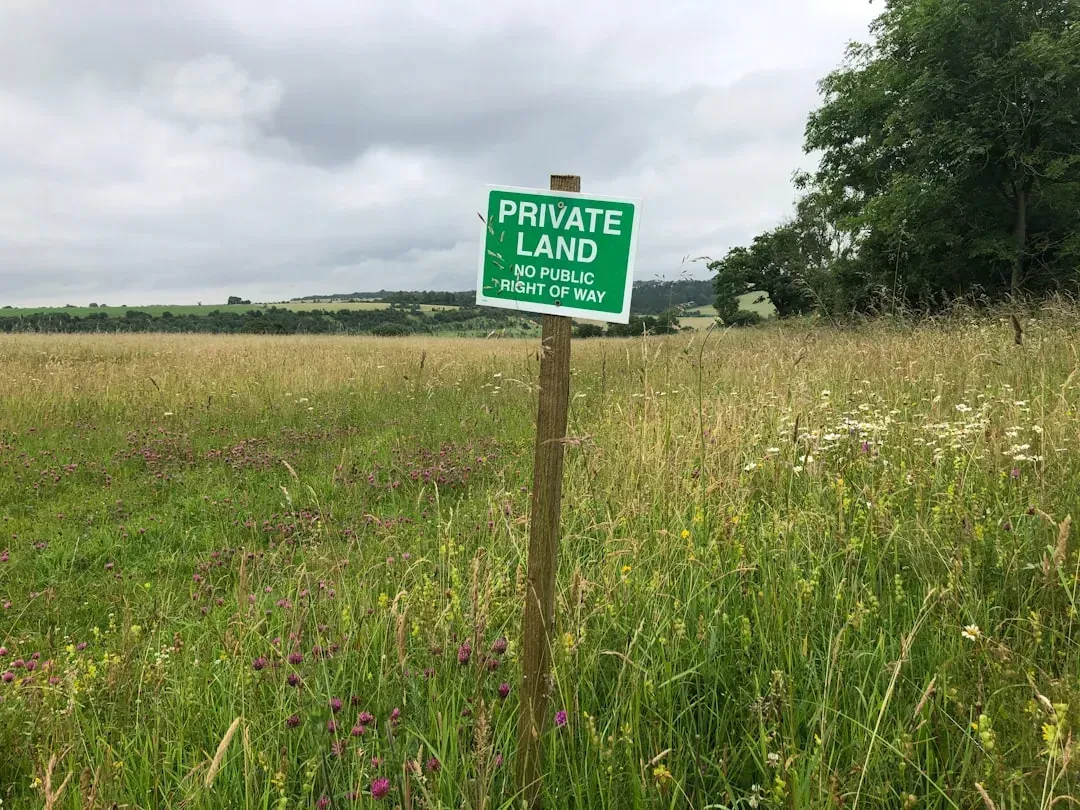
Relying on a decades-old survey, a rusted stake, or a vaguely remembered property corner is a common shortcut that ends up costing more than it saves. Courts have not been forgiving of loosely defined boundary evidence. If the use of another’s land is open, notorious, and adverse, the law presumes that the record owner has knowledge or notice, which means ambiguity about where a boundary actually sits can work against the very owner who assumed everything was fine.
Markers themselves also degrade or shift over time in ways that mislead homeowners. Boundary markers are typically metal pins or stakes buried six to ten inches below the surface at each corner, but very old markers may no longer be accurate. A current, professionally prepared survey remains the only dependable way to confirm a line before fencing, building, or landscaping near it, and the cost of a land survey typically starts at $500 and can end up costing thousands of dollars depending on the property’s history and complexity.
7. Boundary disputes are rare and always settle themselves
7. Boundary disputes are rare and always settle themselves (Image Credits: Pexels)
There’s a comfortable assumption that boundary problems are unusual and tend to fade away once neighbors talk things through. The reality is less reassuring. Boundary disputes are among the most common real estate issues investors have to deal with, and the same holds true for ordinary residential homeowners, not just commercial buyers.
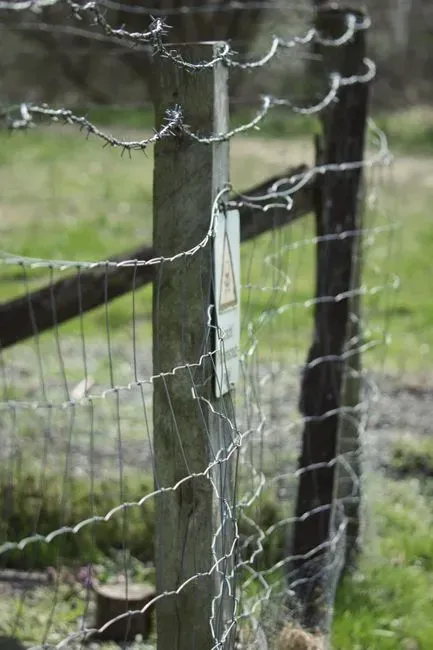
Fence-related boundary conflicts in particular show up constantly in legal practice. Boundary fence disputes are among the most litigated neighbor-related property matters in the United States, governed by an overlapping framework of state statutes, local ordinances, recorded plat documents, and common law precedent. When a dispute does arise and doesn’t resolve informally, owners generally have a few established legal paths forward. Owners can use a quiet title action to prove ownership, ejectment to remove an intruder, or an easement to grant limited usage rights. Knowing these options exist ahead of time tends to keep a disagreement from escalating into something far more expensive.
Boundary rules are rarely as simple as they first appear, and the gap between assumption and legal reality is where most disputes take root. A recent survey, a clear paper trail, and a willingness to ask a licensed professional before building, fencing, or arguing with a neighbor will settle far more questions than guesswork ever will.