
Some jokes land fine. Others quietly tell you everything about how safe a relationship actually feels. Couples who trust each other tend to avoid certain punchlines almost instinctively, not because they're humorless, but because they know exactly where laughter turns into a small crack in the foundation.
The topics below show up again and again in relationship research and counseling literature as areas where couples with strong bonds draw a line, even in jest. None of this means these couples never tease each other. It means they've learned which subjects don't belong in the comedy routine.
1. Cheating or infidelity

1. Cheating or infidelity (Image Credits: Unsplash)
Jokes about cheating, even ones meant as harmless exaggeration, tend to unsettle partners in ways that outlast the laugh. Therapists who specialize in trust repair often point out that infidelity jokes can act as a subtle test of insecurity, poking at a wound that doesn’t need poking. Couples with strong relationships generally treat fidelity as a settled, non-negotiable fact rather than material for banter.
This isn’t about being overly sensitive. It’s about recognizing that betrayal is one of the most common reasons relationships end, and joking about it, even sarcastically, can plant doubt where none existed. Secure couples tend to reserve this subject for real conversations, not punchlines.
2. Breaking up or divorce
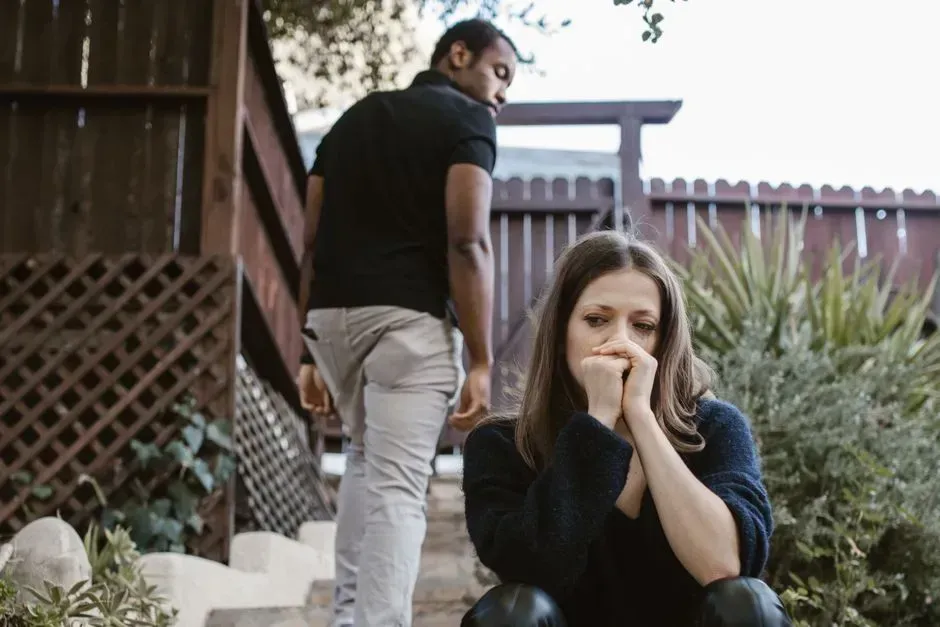
2. Breaking up or divorce (Image Credits: Pexels)
Threatening to leave, even as a throwaway line during an argument, is one of the clearest signals researchers associate with relationship instability. The work of psychologist John Gottman on marital stability has long identified contempt and threats of separation as patterns that erode a couple’s sense of security over time. Healthy couples tend to avoid using breakup or divorce as a rhetorical weapon, even lightly.
Instead, they treat the relationship’s permanence as something to protect, not something to dangle as leverage. Joking “maybe we should just call it quits” during a disagreement might seem like venting, but it often lingers longer than intended. Couples who feel secure tend to separate frustration from the actual commitment itself.
3. A partner's body or appearance

3. A partner's body or appearance (Image Credits: Unsplash)
Teasing about weight, aging, or physical appearance is a common source of resentment even when it’s framed as affectionate. Research on body image within relationships consistently shows that critical comments from a partner, even disguised as jokes, can affect self-esteem and intimacy more than criticism from almost anyone else. Couples with strong relationships tend to be careful here, opting for genuine compliments over backhanded humor.
The tricky part is that body-related jokes often start innocently and escalate without either person noticing. What feels like light ribbing to one partner can feel like quiet judgment to the other. Secure couples tend to notice this gap early and simply avoid the territory altogether.
4. Money problems or financial mistakes

4. Money problems or financial mistakes (Image Credits: Pexels)
Financial stress is consistently ranked among the top sources of conflict in long-term relationships, and joking about a partner’s spending habits, debt, or financial mistakes rarely lands as intended. Studies on financial infidelity and money-related arguments show that shame around finances runs deep, often tied to upbringing, security, and self-worth. Couples with strong relational trust tend to treat money as a serious planning topic, not comedic fodder.
This doesn’t mean finances can’t ever be discussed lightly. It means the specific mistakes, the overdraft, the impulsive purchase, the missed payment, tend to stay out of the joke rotation. Healthy couples generally address money issues directly and privately rather than turning them into recurring bits.
5. A partner's family

5. A partner's family (Image Credits: Unsplash)
In-law jokes are a comedy staple, but couples with genuinely healthy relationships tend to be selective about how far they take them, especially in front of others. Family loyalty runs deep, and even a partner who complains privately about their own relatives may bristle when someone else pokes fun at them. Relationship counselors frequently note that disrespecting a partner’s family, even jokingly, can feel like a loyalty test the other person didn’t sign up for.
The dynamic shifts depending on who’s doing the joking and where. A private eye-roll between partners is different from a joke made at a family dinner. Secure couples generally read that room correctly and keep family-related humor gentle, rare, and never public.
6. Intimacy or sexual performance

6. Intimacy or sexual performance (Image Credits: Pexels)
Few subjects carry as much emotional weight as sexual intimacy, and jokes here can cause disproportionate damage relative to how casually they’re often made. Sex therapists frequently describe performance-related humor as one of the fastest ways to create lasting insecurity, since it touches vulnerability that most people don’t easily separate from self-worth. Couples with healthy relationships tend to treat this area with unusual care, even when they’re otherwise playful about nearly everything else.
The reason is straightforward. Once a joke about performance or desire lands wrong, it tends to stay in someone’s memory far longer than the moment it was said. Secure partners generally understand this risk and choose reassurance over comedy when it comes to intimacy.
7. Comparisons to exes

7. Comparisons to exes (Image Credits: Unsplash)
Bringing up a previous partner, even in a joking or “just curious” tone, tends to trigger comparison anxiety that lingers well past the conversation. Psychological research on jealousy and relationship security notes that ex-related comments, however lighthearted, can activate the same insecurity as a genuine threat. Couples with strong relationships tend to treat the past as closed territory rather than a source of running jokes.
This is especially true when the joke involves physical appearance, achievements, or personality traits of an ex. What might be intended as harmless nostalgia often gets received as quiet criticism. Secure couples generally understand that some comparisons simply aren’t worth the risk.
8. Parenting decisions and abilities

8. Parenting decisions and abilities (Image Credits: Pexels)
For couples raising children together, jokes about the other parent’s competence or decisions can quickly cross from funny to hurtful. Parenting research consistently shows that criticism, even in jest, around discipline style, patience, or involvement tends to trigger defensiveness because parenting is closely tied to identity and self-image. Couples with strong relationships tend to save real parenting disagreements for private, respectful conversations rather than jokes made in front of others, including the kids.
This matters even more because children pick up on these dynamics. A joke that undermines one parent’s authority, even playfully, can shape how kids view that parent long after the moment passes. Secure couples generally present a united front and handle parenting critiques away from an audience.
9. Trust or honesty

9. Trust or honesty (Image Credits: Unsplash)
Jokes that question a partner’s honesty, even in offhand comments like accusing them jokingly of “lying” about small things, chip away at something foundational. Trust researchers note that repeated, even joking, accusations of dishonesty can create a self-fulfilling dynamic where partners become guarded rather than open. Couples with healthy relationships tend to avoid framing honesty as a punchline because trust, once questioned repeatedly, becomes harder to fully restore.
This is subtly different from playful teasing about forgetfulness or exaggeration. It’s specifically about implying a partner can’t be believed. Secure couples generally recognize that line and stay well clear of it.
10. Physical or emotional safety

10. Physical or emotional safety (Image Credits: Unsplash)
Jokes that reference violence, threats, or emotional harm, even in absurd or clearly exaggerated ways, are treated as off-limits by couples who prioritize genuine safety in their relationship. Domestic violence researchers and counselors have pointed out that normalizing violent language, even sarcastically, can desensitize both partners to genuinely concerning behavior over time. Healthy couples tend to avoid this territory entirely, understanding that humor should never blur the line around physical or emotional wellbeing.
This extends to jokes about controlling behavior, isolation, or emotional manipulation dressed up as comedy. What seems like an exaggerated bit to one person can feel uncomfortably real to someone with past experiences of harm. Secure couples generally keep this subject completely separate from their sense of humor, no exceptions.
Patterns like these rarely announce themselves outright. They show up quietly, in the topics couples instinctively avoid turning into jokes, and in the ease with which some subjects simply never come up in that context at all.