
Walk into almost any modern office and you'll find at least two very different operating systems running side by side. One was built for a world of fixed hours, in-person loyalty, and slow, earned trust. The other was shaped by phones, pandemics, and instant feedback loops, and it runs on entirely different assumptions about what respect and effort actually look like.
Neither system is wrong, exactly. They just don't always translate cleanly into the other's language, and the friction that results is rarely about laziness or disrespect on either side. It's usually a mismatch in expectations, one that becomes obvious the moment a younger employee does something perfectly normal to them and a Boomer manager reads it as a red flag.
1. Asking for feedback constantly instead of waiting for the annual review
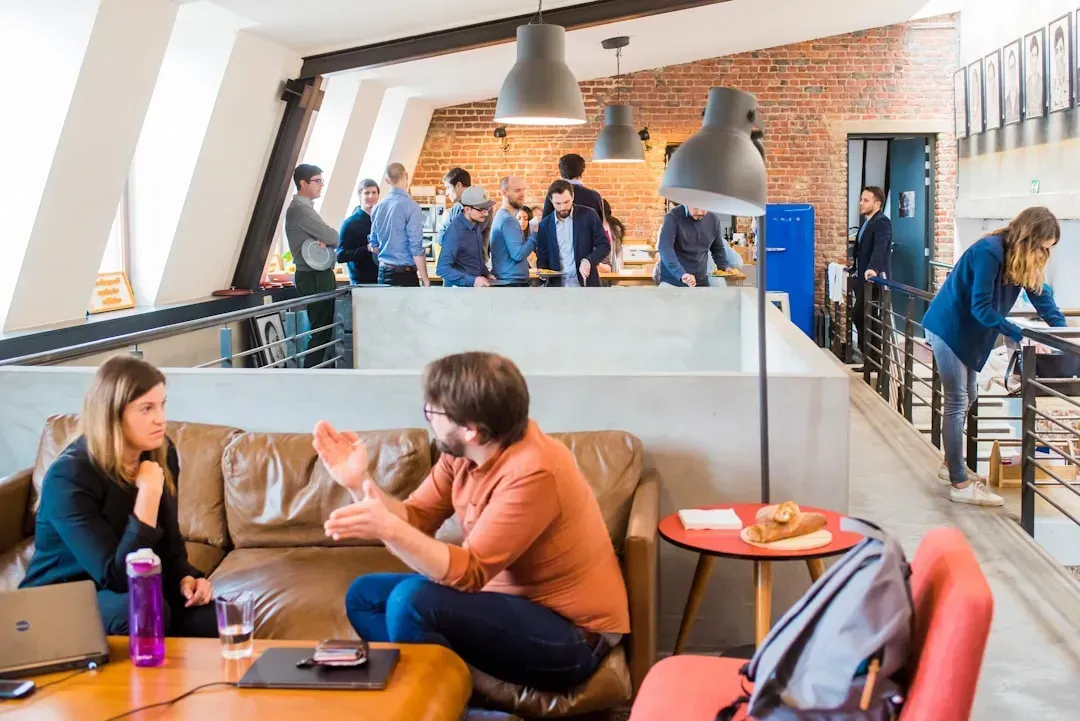
1. Asking for feedback constantly instead of waiting for the annual review (Image Credits: Unsplash)
Gen Z grew up with instant metrics on everything, from likes on a post to scores in a video game, so it makes sense that many expect the same rhythm at work. This is a generation that has grown up in an environment saturated with real-time data, where social media, online learning platforms and gaming all provide continuous loops of information about performance and progress, so being told to wait until December for an answer on how they’re doing can feel genuinely disorienting. A young employee who checks in weekly isn’t trying to be needy; they’re just applying the only feedback model they’ve ever known.
To a Boomer manager, though, that same behavior can read as insecurity or an inability to work independently. The young employee who stops a manager in the corridor to ask how they could improve is not being impatient or needy, it’s a Gen Z characteristic because they’re doing exactly what their educational experience trained them to do. The mismatch isn’t about competence at all. It’s a difference in how each generation was trained to measure progress.
2. Communicating in short, casual messages instead of formal emails
2. Communicating in short, casual messages instead of formal emails (Image Credits: Pexels)
A quick Slack message with no greeting and no signature might feel efficient to a Gen Z employee, but it can land very differently on the other side of the screen. Remote and hybrid setups actually amplify this issue, since the lack of casual, in-person interaction can magnify misunderstandings from digital communication styles, and a brief, casual Teams message can be read as rude by a manager expecting more formality. What feels like getting straight to the point for one generation can feel abrupt or dismissive to another.
This isn’t a small stylistic quirk either. Gen Z’s preference for instant messaging can clash with older generations’ formal email expectations, while their urgency for feedback and advancement may conflict with more measured approaches to career development. The words on the screen are the same in both cases, but the unwritten rules around tone and etiquette are not, and that gap is where the irritation tends to build.
3. Setting firm boundaries around after-hours work

3. Setting firm boundaries around after-hours work (Image Credits: Unsplash)
Few things trigger a generational eye-roll faster than a young employee logging off at five on the dot, or declining to answer a weekend email. To Gen Z, this isn’t laziness, it’s a deliberate boundary. Gen Zers are very protective of their personal time, and tend to work to live, whereas older generations traditionally place their career as the core of their life and live to work. That difference in worldview shows up constantly in small daily choices.
The tension is baked into how each side defines commitment. Whether it’s leaving work right at the end of the day or being unwilling to answer emails on the weekends, these basic boundaries for Gen Z tend to come off the wrong way to boomer bosses and colleagues who have done it all their whole careers. For a manager who spent decades proving dedication through long hours, a hard stop at quitting time can feel like a lack of investment, even when it’s simply a different definition of professionalism.
4. Talking openly about stress, anxiety, or mental health
4. Talking openly about stress, anxiety, or mental health (Image Credits: Unsplash)
Where older generations often learned to keep personal struggles out of the office entirely, many Gen Z workers will say the word “burnout” in a team meeting without a second thought. Gen Z talks about mental health in a way that can land as unfamiliar to some managers, since they’ll say anxiety, burnout, mental health day, or psychological safety out loud, and to a leader trained to leave personal struggles at the door, that openness can sound like fragility. It isn’t fragility though, it’s just a different vocabulary for something every generation has actually dealt with.
The difference is less about who suffers more and more about who was allowed to talk about it. Older generations had plenty of stress too, between divorces, layoffs, recessions, caregiving, and exhaustion, but a boomer might have heard to stop crying, a Gen Xer might have learned to white-knuckle everything alone, and a millennial might have learned to ask for support while still feeling pressure to keep producing, whereas Gen Z simply showed up with a more direct vocabulary for what work does to people. Naming stress out loud isn’t weakness. It’s just a habit that didn’t exist in most Boomer-era workplaces.
5. Questioning why a task or process exists before doing it

5. Questioning why a task or process exists before doing it (Image Credits: Pexels)
“Why do we do it this way?” can sound like insubordination to a manager who never had the standing to ask that question early in their own career. For Gen Z, it’s usually genuine curiosity rather than defiance. When a younger employee questions a process, asks for more feedback, values flexibility, or wants to understand why their work matters, many employers still interpret that as defiance or fragility, when in reality much of that behavior reflects a generation shaped by optimization and skepticism toward outdated systems that waste time.
Purpose plays a bigger role here than most managers expect. Deloitte found that 89% of Gen Z respondents consider purpose important to job satisfaction and well-being, and employers should begin by helping younger workers understand not just what they are doing but why it matters. A question about process is often an attempt to connect a task to a bigger picture, not an attempt to dodge the work itself.
6. Prioritizing flexibility over fixed office hours

6. Prioritizing flexibility over fixed office hours (Image Credits: Unsplash)
Requests for flexible scheduling, whether it’s shifting a shift by an hour or working from home occasionally, can read as a lack of discipline to a manager who built a career around fixed, visible hours. In reality, most of these requests are about better outcomes, not fewer hours worked. Many managers misread Gen Z’s workplace preferences as entitlement, when they’re often demands for clearer goals, healthier norms, honest leadership, and faster feedback, and the worker who wants flexibility may simply be nudging the organization toward an honest question about what actually counts as good work.
It’s also worth noting that flexibility doesn’t mean what many managers assume it means. Most Gen Zers actually don’t want to be fully remote, and remote work is in fact least popular among younger generations of workers, though they do want and expect flexibility, whether that’s taking sick time or leaving a little early, which to them is a basic right while older generations see it as something you work toward and earn. The gap isn’t about wanting to work less. It’s about disagreeing on whether flexibility has to be earned first or can be assumed from day one.
7. Speaking up in meetings regardless of seniority
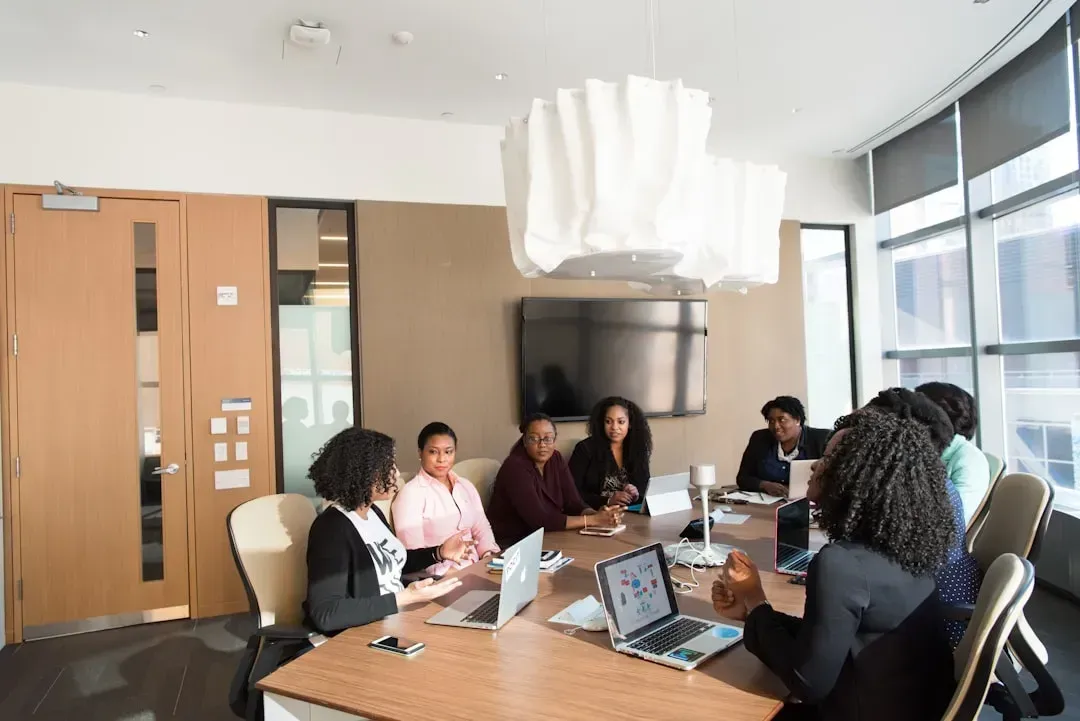
7. Speaking up in meetings regardless of seniority (Image Credits: Unsplash)
A junior employee offering an opinion in a room full of senior staff used to be unusual. Now it’s common, and not every manager has adjusted to that shift yet. Traditional workplaces emphasized hierarchy while modern workplaces lean toward equality, and Gen Z expects to be heard regardless of title, which can feel unfamiliar to those used to structured authority.
This particular habit tends to generate the most friction precisely because it touches on respect, a value both generations claim to hold, just expressed differently. What once signaled professionalism may now come across as overly rigid, and what once felt like respect may now feel outdated, which is part of why misunderstandings with younger generations are so common. A Boomer manager raised on “speak when spoken to” isn’t necessarily offended by the opinion itself, but by the absence of a hierarchy they were trained to expect.
None of these seven habits are really about defiance, laziness, or disrespect, even though they’re often read that way in the moment. Neither is wrong, they simply reflect different priorities shaped by different times. The workplaces that handle this best tend to be the ones willing to ask why a behavior exists before deciding what it means, rather than assuming the worst and moving straight to judgment.