
Most people can point to a handful of vivid childhood memories, but the moments that shape how we love, argue, and attach as adults are usually quieter than that. They live in routines, small exchanges, and patterns repeated so often they stopped feeling like anything at all. Psychologists who study attachment and relationship development keep circling back to the same idea: the emotional habits formed early in life tend to resurface, often unnoticed, in how we handle closeness decades later.
1. The way caregivers responded to distress
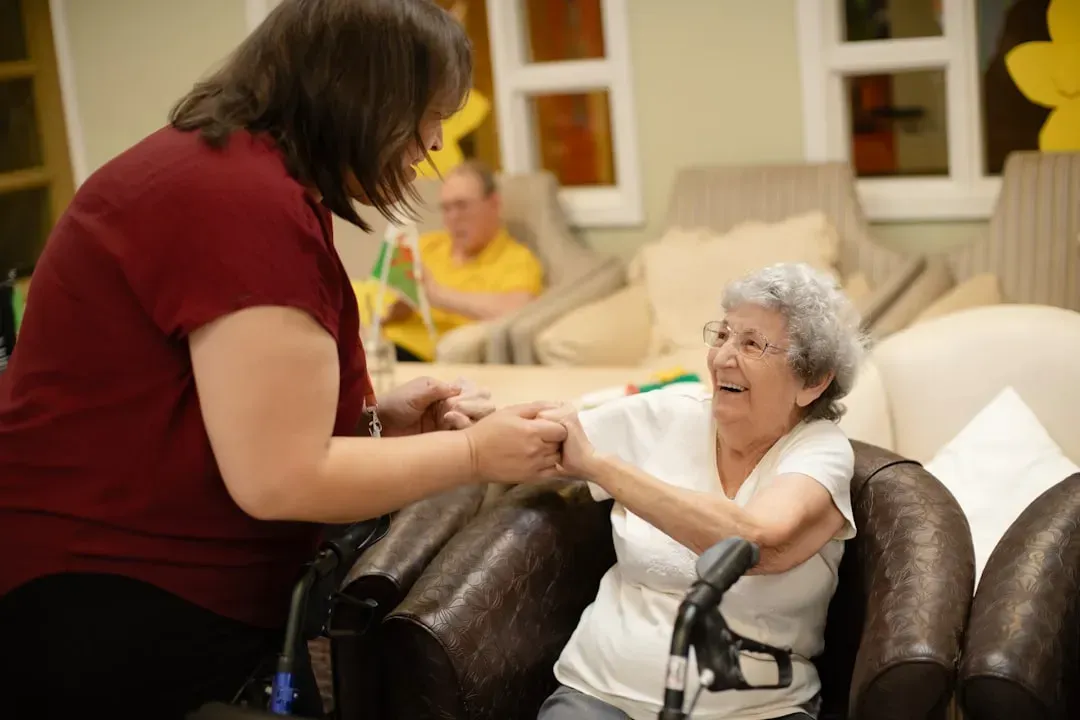
1. The way caregivers responded to distress (Image Credits: Unsplash)
How a parent or guardian reacted when a child cried, got hurt, or felt scared sets an early template for what to expect from others during vulnerable moments. Attachment researchers have long argued that consistent, warm responses tend to build a sense of security, while unpredictable or dismissive reactions can teach a child to downplay their own needs. This isn’t about occasional bad days, since no caregiver responds perfectly every time, but about the overall pattern a child absorbs.
Adults who grew up with steady emotional responses often find it easier to ask for support without shame. Those who didn’t may either over-rely on partners for reassurance or avoid asking for help altogether, having learned early that needs can go unmet. Either pattern can show up in adult relationships as a specific communication style around conflict or stress.
2. Watching how parents argued, or didn't

2. Watching how parents argued, or didn't (Image Credits: Pexels)
Children absorb far more from watching disagreements unfold than most adults realize. Whether parents raised their voices, went silent for days, or talked things through calmly, kids tend to internalize that style as the default way conflict is supposed to work. Even if nobody explains anything, the lesson lands anyway.
This is part of why adult couples sometimes clash over communication style itself before they even get to the actual disagreement. Someone raised around stonewalling might interpret a partner’s need to talk immediately as confrontational, while someone raised around loud arguments might read calm discussion as coldness. Neither reaction is wrong, exactly, just shaped by different early exposure.
3. Being praised for achievement over effort
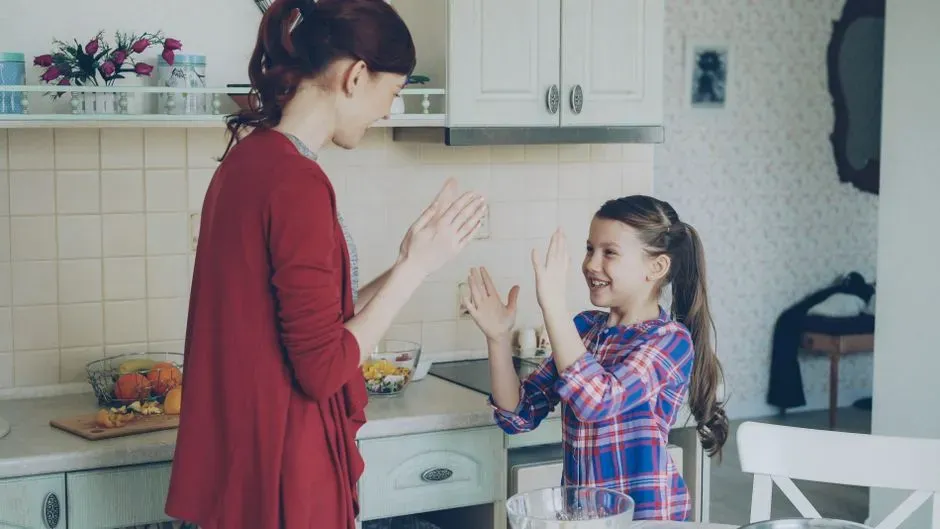
3. Being praised for achievement over effort (Image Credits: Pexels)
Decades of research on praise, including work associated with psychologist Carol Dweck’s studies on motivation, suggest that children praised mainly for results rather than effort can develop more fragile self-worth tied to performance. If love and approval seemed to hinge on getting good grades or winning games, that link doesn’t just disappear in adulthood.
In relationships, this can translate into anxiety around making mistakes in front of a partner, or difficulty accepting affection that isn’t earned through some kind of achievement. Some adults find themselves unconsciously testing whether they’re loved “just because,” a question that traces back further than the relationship itself.
4. Frequent moves or unstable living situations

4. Frequent moves or unstable living situations (Image Credits: Pexels)
Kids who moved often, whether due to a parent’s job, financial strain, or family instability, sometimes had to rebuild friendships and social footing repeatedly. That experience can foster adaptability, but it can also make forming deep, lasting bonds feel less automatic later in life. Some adults with this background describe relationships as something they build efficiently rather than something that unfolds slowly.
Others go the opposite direction, clinging tightly to relationships once formed because the instability of childhood made permanence feel especially valuable. Neither reaction is universal, since temperament and other factors matter too, but the throughline is that early instability tends to leave a mark on how adults approach commitment.
5. Being a peacekeeper or mediator at home

5. Being a peacekeeper or mediator at home (Image Credits: Pexels)
Children who grew up managing tension between arguing parents, or between siblings and adults, often took on an informal mediator role well before they were emotionally equipped for it. This kind of early responsibility can produce sharp emotional intelligence, but it can also wire someone to feel responsible for other people’s moods indefinitely.
In adult relationships, former childhood peacekeepers sometimes struggle to separate their own needs from the need to keep everyone else calm. They may avoid expressing frustration because, growing up, expressing frustration meant more conflict to manage rather than resolution.
6. Growing up with inconsistent affection

6. Growing up with inconsistent affection (Image Credits: Pexels)
Affection that arrives unpredictably, sometimes warm, sometimes distant, without a clear reason, tends to create more anxiety than affection that’s simply low but steady. Children can’t easily make sense of inconsistency, so they often end up hyper-focused on reading cues, trying to predict which version of a caregiver they’ll get.
This hyper-vigilance frequently follows people into adulthood as a tendency to overanalyze a partner’s tone, texting patterns, or mood shifts. It’s less about distrust of any one person and more a leftover survival skill from trying to decode an unpredictable environment early on.
7. Financial stress in the household

7. Financial stress in the household (Image Credits: Pexels)
Growing up in a household where money was a constant source of tension shapes more than budgeting habits later in life. Research on socioeconomic stress and family dynamics has repeatedly shown that financial strain increases household conflict, and children absorb that tension even when they don’t fully understand its source.
As adults, people from financially stressed childhoods sometimes bring heightened anxiety into conversations about money with a partner, even when their own finances are stable. Others develop the opposite response, avoiding financial discussions altogether because those conversations were historically loaded with dread.
8. Having a "favorite" sibling dynamic
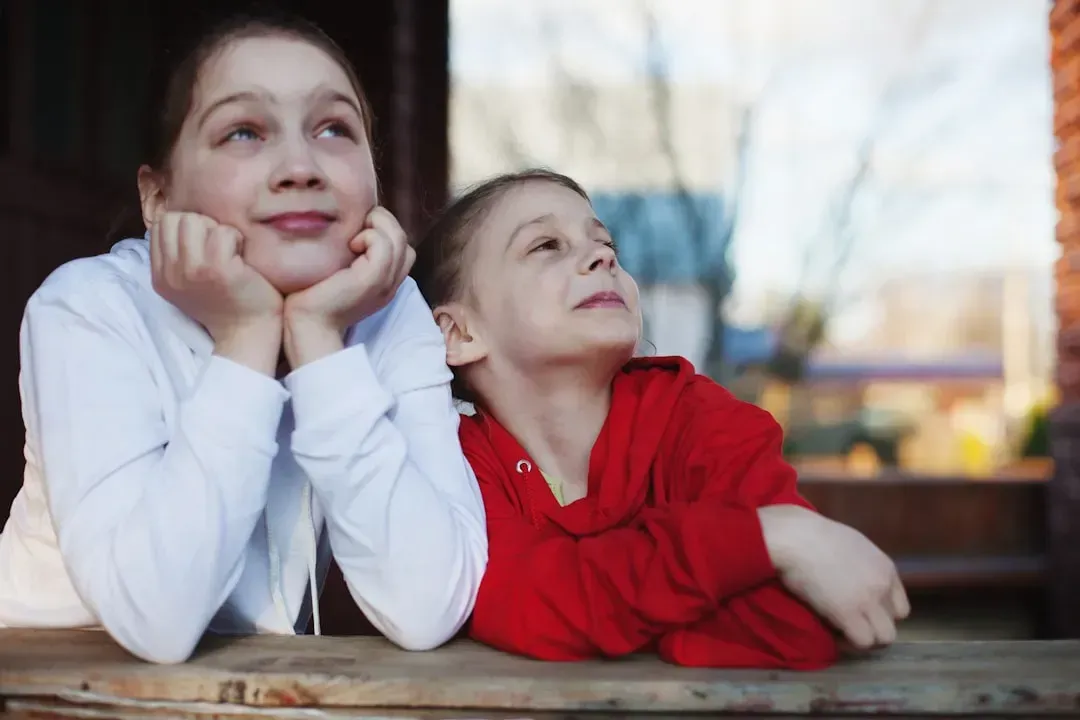
8. Having a "favorite" sibling dynamic (Image Credits: Unsplash)
Perceived favoritism, whether real or simply felt, has measurable effects on sibling relationships and self-esteem well into adulthood, according to family psychology research. A child who felt overlooked in favor of a sibling may carry a quiet sensitivity to comparison into romantic relationships, reacting strongly when a partner seems to favor someone else’s opinion or company.
Conversely, someone who was the favored child sometimes struggles with an unconscious expectation of being prioritized, which can create friction in adult partnerships built on mutual give and take. These dynamics rarely announce themselves directly, but they tend to surface in small, specific disagreements.
9. Early exposure to divorce or separation

9. Early exposure to divorce or separation (Image Credits: Pexels)
Studies on children of divorce show mixed but notable findings, with some adults reporting increased caution around commitment and others reporting no lasting effect at all, depending heavily on how the separation was handled. What seems to matter most isn’t the divorce itself but the level of conflict and stability surrounding it.
Adults who witnessed a relatively calm, cooperative separation often approach their own relationships with a practical, communicative style. Those who witnessed high-conflict divorces sometimes carry a heightened fear of instability, occasionally leading to either avoidance of commitment or, paradoxically, a strong pull toward it as a way to prove things can work.
10. Being taught to suppress certain emotions

10. Being taught to suppress certain emotions (Image Credits: Unsplash)
Many households, often without meaning to, discourage certain emotions more than others, telling boys not to cry or telling girls not to show anger. This selective suppression teaches children which feelings are acceptable to express and which need to be hidden or redirected.
In adult relationships, this can look like someone who shuts down during sadness but expresses frustration easily, or vice versa, simply because one emotional channel was open growing up and another wasn’t. Partners sometimes misread this as emotional unavailability, when it’s closer to an old habit of selective expression.
11. Witnessing healthy or unhealthy apologies

11. Witnessing healthy or unhealthy apologies (Image Credits: Pexels)
The way a household handled apologies, whether they happened at all, whether they felt genuine, or whether they were used to end arguments quickly rather than repair them, teaches children what repair after conflict is supposed to look like. Kids who rarely saw real apologies may not know how to offer or accept one convincingly as adults.
This shows up clearly in adult relationships during the aftermath of an argument. Some people apologize too quickly just to defuse tension, echoing a childhood pattern of rushing past conflict, while others resist apologizing altogether because they never saw it modeled as a genuine gesture rather than a surrender.
12. Feeling emotionally seen, or invisible, at home

12. Feeling emotionally seen, or invisible, at home (Image Credits: Pexels)
Perhaps the most fundamental experience on this list is simply whether a child felt noticed, whether their moods, opinions, and small daily experiences registered with the adults around them. Feeling consistently seen tends to build a baseline sense that one’s inner life matters to other people.
Feeling consistently overlooked, even in an otherwise stable household, can quietly shape adult relationships around a persistent, sometimes unspoken question of whether a partner truly notices them. This particular thread tends to be subtle, showing up less in big arguments and more in small moments, like whether someone remembers a detail that mattered.
Taken together, these patterns rarely operate in isolation. Most adults carry a blend of several, some reinforcing each other and some pulling in opposite directions, which is part of why relationship dynamics can feel so hard to trace back to a single cause. Recognizing these threads doesn’t rewrite the past, but it does offer a clearer map of where certain reactions and expectations originally came from.