
Every professional kitchen has its quiet grudges. Ask a handful of chefs what they'd banish from menus forever, and you'll notice patterns emerge fast, certain ingredients that show up again and again as culinary red flags. These aren't obscure items either. Many sit in home pantries right now, waiting to throw off a dish that would otherwise be excellent.
What follows is a rundown of the ingredients that chefs most often name as dish-wreckers, along with the reasoning behind each complaint. Some of it comes down to chemistry, some to timing, and some to plain overuse dulling what should be a special flavor.
1. Pre-shredded parmesan in a bag
1. Pre-shredded parmesan in a bag (Image Credits: Pexels)
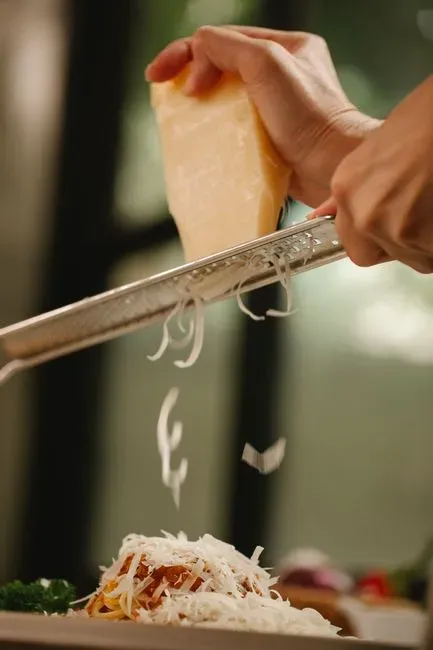
The pre-shredded, bagged version of parmesan is treated with anti-caking agents like cellulose to keep the shreds from clumping together, and that coating changes how the cheese melts and tastes. Chefs argue it never fully integrates into sauces the way freshly grated cheese does, leaving a slightly gritty or chalky texture behind. It also tends to have a flatter, less nutty flavor compared to a wedge grated to order.
The fix is almost embarrassingly simple: buy a block and grate it yourself right before serving. It takes an extra minute but the difference in a carbonara or a risotto is immediate. Once you taste the contrast side by side, it's hard to go back to the bag.
2. Bottled lemon or lime juice
2. Bottled lemon or lime juice (Image Credits: Pexels)
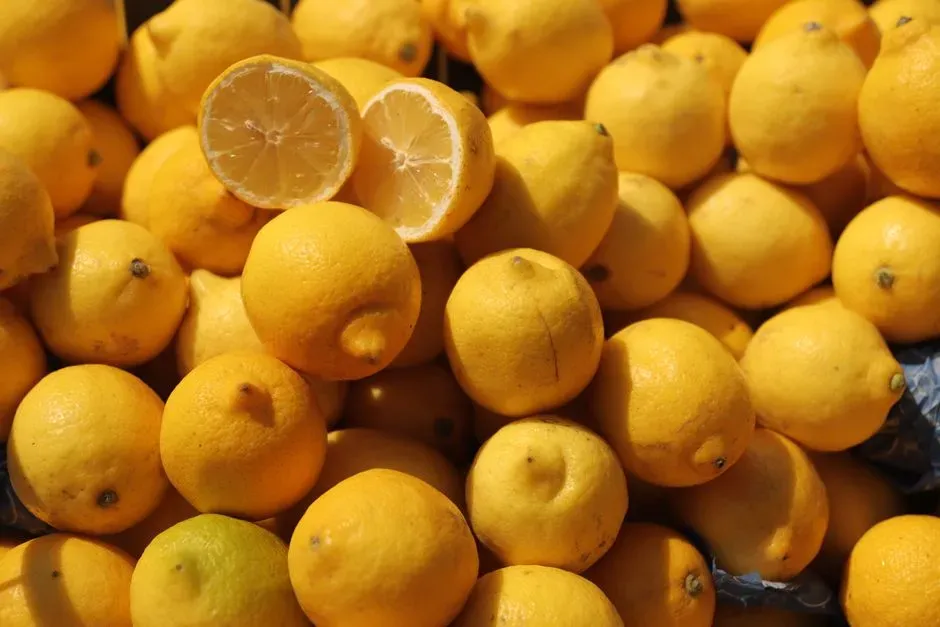
Bottled citrus juice is pasteurized and often sits on a shelf for months, which strips away the bright, volatile aromatics that make fresh citrus so useful in cooking. What's left behind tends to taste flat, sometimes with a slightly metallic or preservative edge that fresh juice never has. Chefs rely on citrus for acidity that lifts a dish, and bottled versions rarely deliver that same lift.
A squeeze of real lemon or lime, zest included, adds fragrance that bottled juice simply cannot replicate. The oils in the peel carry most of the aroma, so even the juice alone is only telling half the story. Keeping a bowl of fresh citrus on the counter is a small habit that pays off in nearly every savory dish.
3. Iceberg lettuce as a flavor base
3. Iceberg lettuce as a flavor base (Image Credits: Pexels)
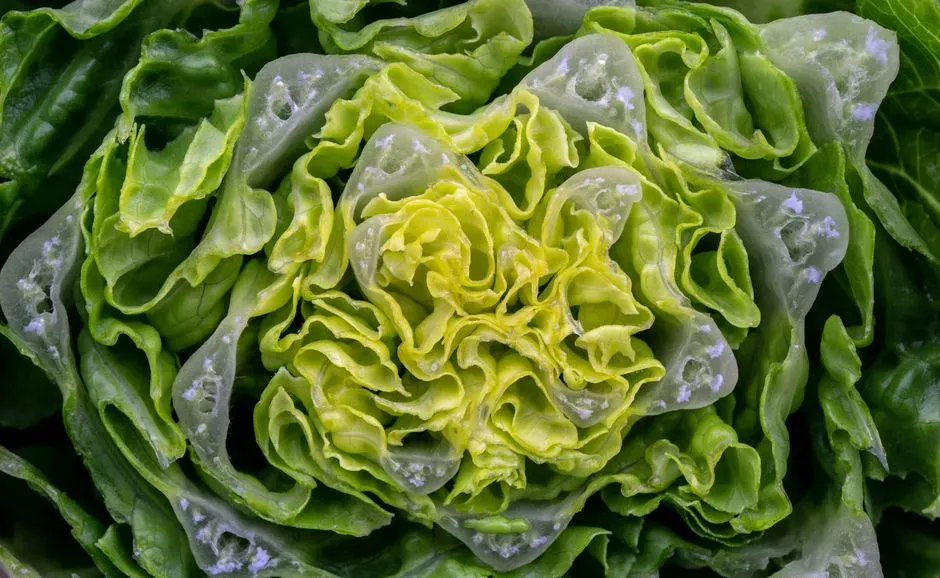
Iceberg isn't inherently bad, it has crunch and works fine as filler, but chefs often flag it when it's used as the star of a salad meant to carry real flavor. Its high water content and low nutrient density mean it contributes almost nothing beyond texture, so any dressing or topping has to do all the work. Compare that to something like arugula or radicchio, which bring their own bitterness or peppery notes to balance a dish.
The complaint isn't really about iceberg itself, it's about relying on it when a dish calls for something with more character. A blend of greens, or a more assertive lettuce like romaine or frisée, tends to make a more interesting plate. Iceberg has its place, just not as the centerpiece of a dish that's supposed to impress.
4. Table salt in place of kosher or sea salt
4. Table salt in place of kosher or sea salt (Image Credits: Unsplash)
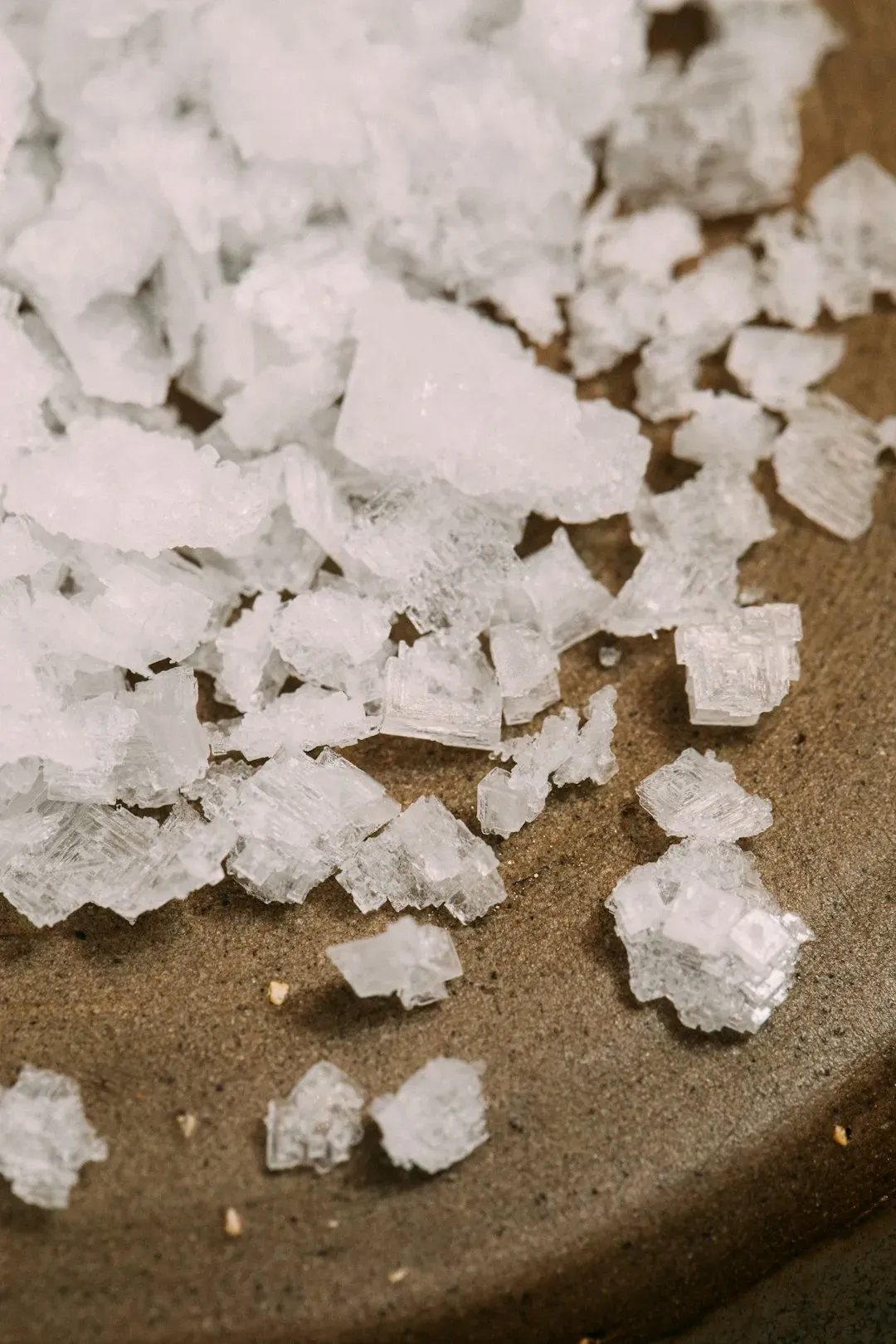
Table salt is milled finer and often includes iodine and anti-clumping additives, both of which can leave a slightly bitter or metallic aftertaste when used heavily. Chefs generally prefer kosher salt for cooking because its larger, flakier crystals are easier to control by feel, and it dissolves more evenly without that chemical tang. Sea salt gets used for finishing because of its texture and mineral complexity, something fine table salt simply doesn't offer.
This isn't about snobbery, it's about precision and taste. Since salt crystal size varies so much between brands, a measurement that works with kosher salt can wildly oversalt a dish if swapped one-to-one with table salt. Most professional recipes are written with kosher salt in mind for exactly this reason.
5. Powdered garlic instead of fresh
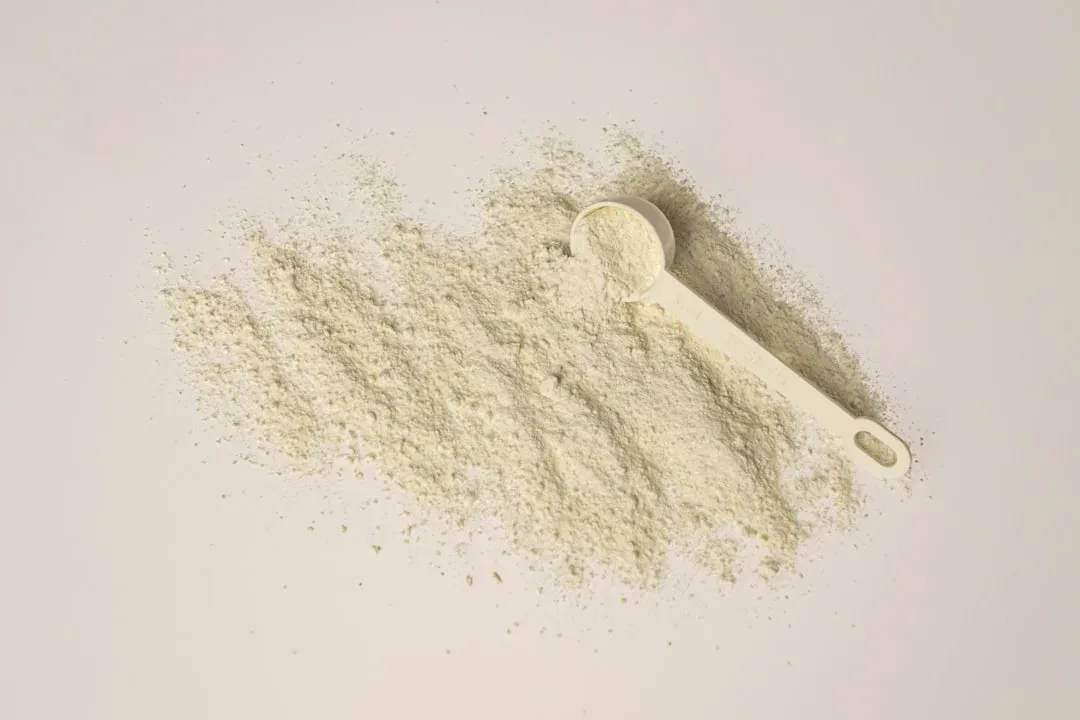
5. Powdered garlic instead of fresh (Image Credits: Unsplash)
Garlic powder loses much of the sharp, sulfurous punch that fresh garlic delivers, and heat only dulls it further, leaving a muted, sometimes musty background note instead of real depth. Chefs tend to reach for it only in dry rubs or spice blends where fresh garlic isn't practical, never as a direct swap in a sauce or sauté. The allicin compounds responsible for garlic's signature bite break down quickly once garlic is dried and powdered, which is part of why the flavor difference is so noticeable.
Fresh garlic, minced or sliced and added at the right point in cooking, brings a complexity that powder just can't match. Even garlic that's been sitting pre-minced in a jar of oil for weeks loses a lot of that punch. When a dish leans on garlic as a core flavor, freshness really does matter.
6. Balsamic vinegar labeled "glaze" from the supermarket

6. Balsamic vinegar labeled "glaze" from the supermarket (jules:stonesoup, Flickr, <a href="https://creativecommons.org/licenses/by/2.0/" target="_blank" rel="noopener">CC BY 2.0</a>)
True balsamic vinegar is aged for years and has a natural sweetness and depth that develops slowly in wooden barrels. Many supermarket "balsamic glaze" products are really just regular vinegar thickened with sugar or corn syrup, which gives a syrupy sweetness without the layered acidity that makes real balsamic interesting. Chefs often find these glazes cloying, turning a dish overly sweet instead of adding the bright tang balsamic is known for.
Reading the ingredient label helps here, since authentic aged balsamic will list grape must as essentially the only ingredient, sometimes with a small amount of wine vinegar. A cheaper bottle with added sugar, caramel color, or thickeners is a different product entirely, even if it sits on the same grocery shelf. For drizzling over cheese or roasted vegetables, the real thing makes a noticeable difference.
7. Dried herbs added at the start of cooking instead of the end

7. Dried herbs added at the start of cooking instead of the end (Image Credits: Pexels)
This one is less about the ingredient itself and more about timing, but chefs flag it constantly because it's such a common mistake. Dried herbs like basil, oregano, or thyme lose their aromatic oils when exposed to prolonged heat, so tossing them in at the very beginning of a long simmer can leave a dish tasting more bitter than herbaceous by the time it's done. Fresh herbs, by contrast, are usually best added near the end to preserve their brightness.
The general rule many cooks follow is to add dried herbs earlier since they need time to rehydrate and release flavor, but even then, restraint matters. Too much dried herb, or herbs that have been sitting in the pantry for over a year, tend to taste dusty rather than vibrant. Freshness and timing together make a bigger difference than most home cooks expect.
8. Flavored or infused olive oils
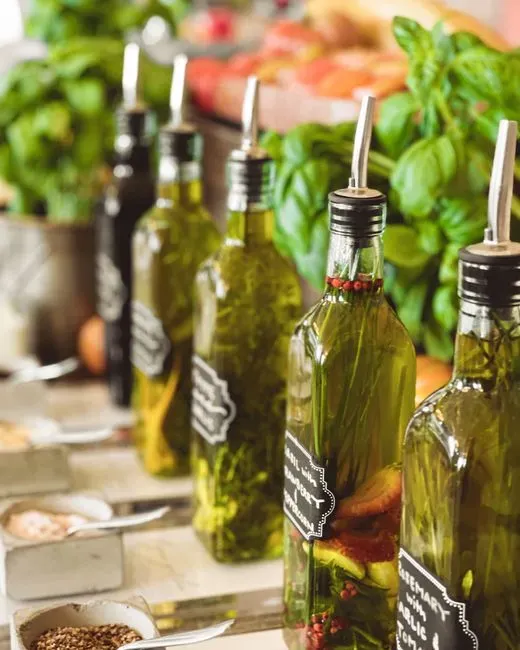
8. Flavored or infused olive oils (Image Credits: Pexels)
Many chefs are skeptical of bottled garlic-infused or herb-infused olive oils, partly because of flavor and partly because of food safety. Infused oils made improperly, without proper acidification or refrigeration, can create conditions for botulism, since garlic and herbs in a low-oxygen oil environment are a known risk factor. Flavor-wise, these oils also tend to taste artificial compared to simply adding fresh garlic or herbs directly to a dish during cooking.
The safer and tastier route, according to most professional kitchens, is to infuse oil fresh and use it quickly, or better yet, add the aromatic ingredient directly rather than relying on a pre-made infused product. Store-bought infused oils often use synthetic flavoring compounds to fake the taste anyway, which sophisticated palates can usually detect. It's one of those shortcuts that ends up costing more in flavor than it saves in time.
9. Canned mushrooms
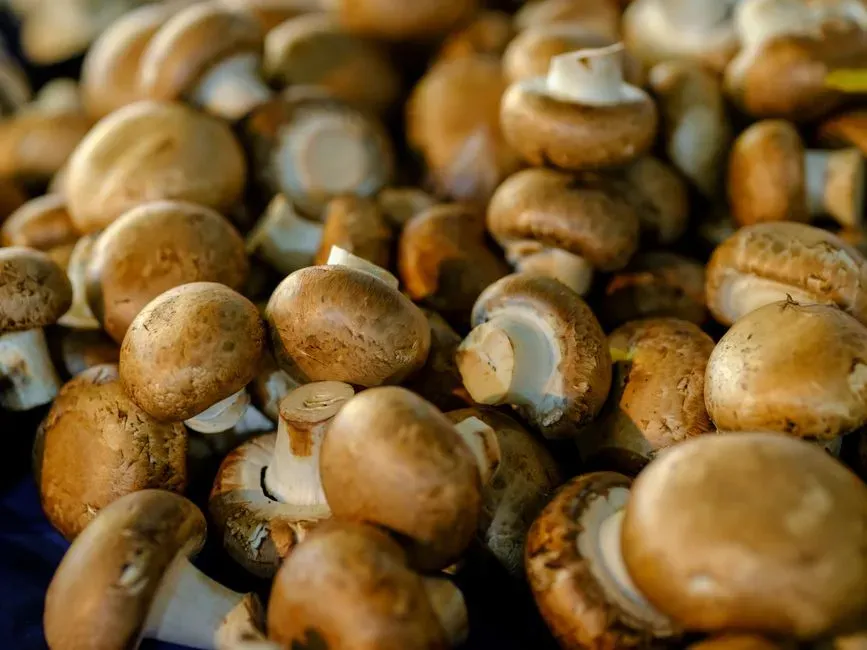
9. Canned mushrooms (Image Credits: Pexels)
Canned mushrooms go through a cooking and preservation process that leaves them rubbery in texture and mutes almost all of their earthy flavor. Fresh mushrooms, even the humble white button variety, develop a much deeper umami character when sautéed properly, releasing moisture and then browning to concentrate flavor. Chefs often point to mushrooms as one of the clearest examples of fresh versus canned making a night-and-day difference.
Part of the issue is texture. Canned mushrooms arrive already soft and slightly slimy, which means they can't pick up the caramelized edges that come from cooking fresh mushrooms in a hot pan. For dishes where mushrooms play a starring role, like a mushroom risotto or a stroganoff, fresh is almost universally the better call.
10. Pre-made, bottled salad dressing
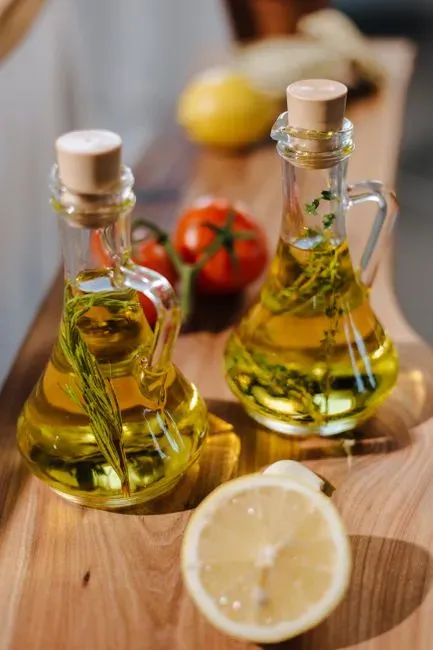
10. Pre-made, bottled salad dressing (Image Credits: Pexels)
Bottled dressings often rely on stabilizers, added sugars, and preservatives to survive months on a shelf, which tends to flatten the balance of acid, fat, and seasoning that a good vinaigrette needs. Chefs frequently note that homemade dressings, built from oil, vinegar or citrus, and a few fresh seasonings, can be whisked together in under five minutes and taste noticeably brighter. The convenience of a bottle rarely offsets how much flavor gets lost in mass production.
There's also a cost angle worth mentioning. A bottle of quality olive oil and a bottle of vinegar can make dozens of servings of dressing for less than the price of several bottled dressings, while offering more control over saltiness and sweetness. Once a home cook gets comfortable with basic vinaigrette ratios, going back to bottled versions rarely feels worth it.