
Every family has its rituals, the small repeated moments that make up a childhood. Some become treasured memories. Others, according to kids themselves once they're old enough to say so, just make everyone a little more tired than they need to be. Here's a look at nine of the most common ones, and why so many children quietly hope this year will be different.
1. Posting the first day of school photo everywhere
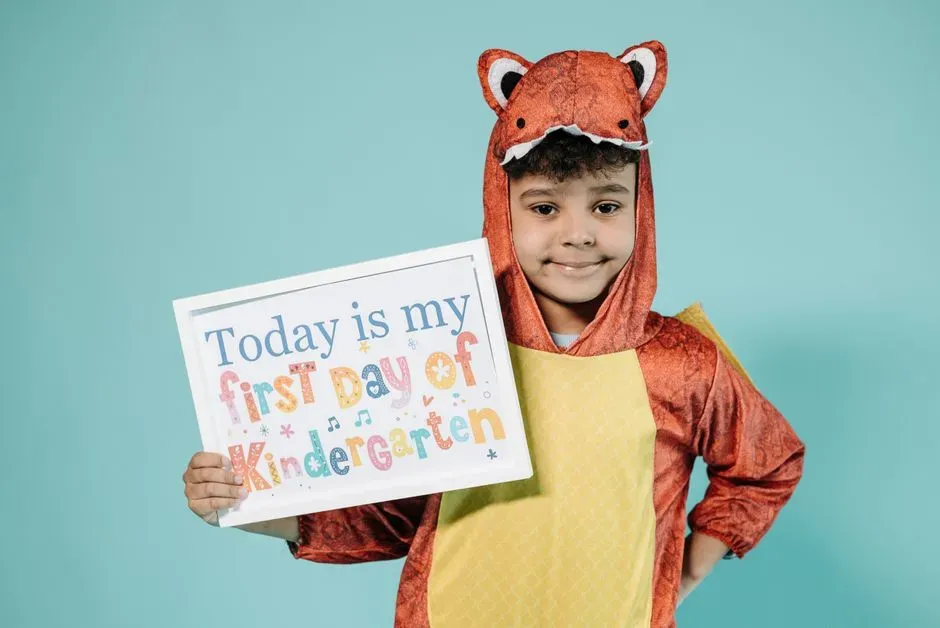
1. Posting the first day of school photo everywhere (Image Credits: Pexels)
The tradition feels harmless to parents: a quick photo by the front door, backpack on, maybe a chalkboard sign with the grade and year written on it. But by the time kids reach middle school, many find the ritual embarrassing, especially when it lands on social media where classmates can see it.
Surveys on parental sharing habits, often called “sharenting,” have found that a significant portion of teens feel uncomfortable with how much of their childhood ends up online without much say in the matter. The photo itself isn’t usually the problem. It’s the public posting that turns a private moment into something searchable for years.
2. Over explaining the same safety rules
2. Over explaining the same safety rules (Image Credits: Unsplash)
Look both ways, don’t talk to strangers, text me when you get there. Parents repeat these lines out of love, but kids often hear them as a sign they’re not trusted to have absorbed the lesson the first fifty times. Child development researchers note that repeated warnings without new context can lose meaning and start to feel like background noise rather than guidance.
Older kids and teens especially want a shift from constant reminders to occasional check-ins. The rules aren’t the issue. It’s the yearly re-explaining as if nothing was learned the year before.
3. Comparing them to siblings or classmates
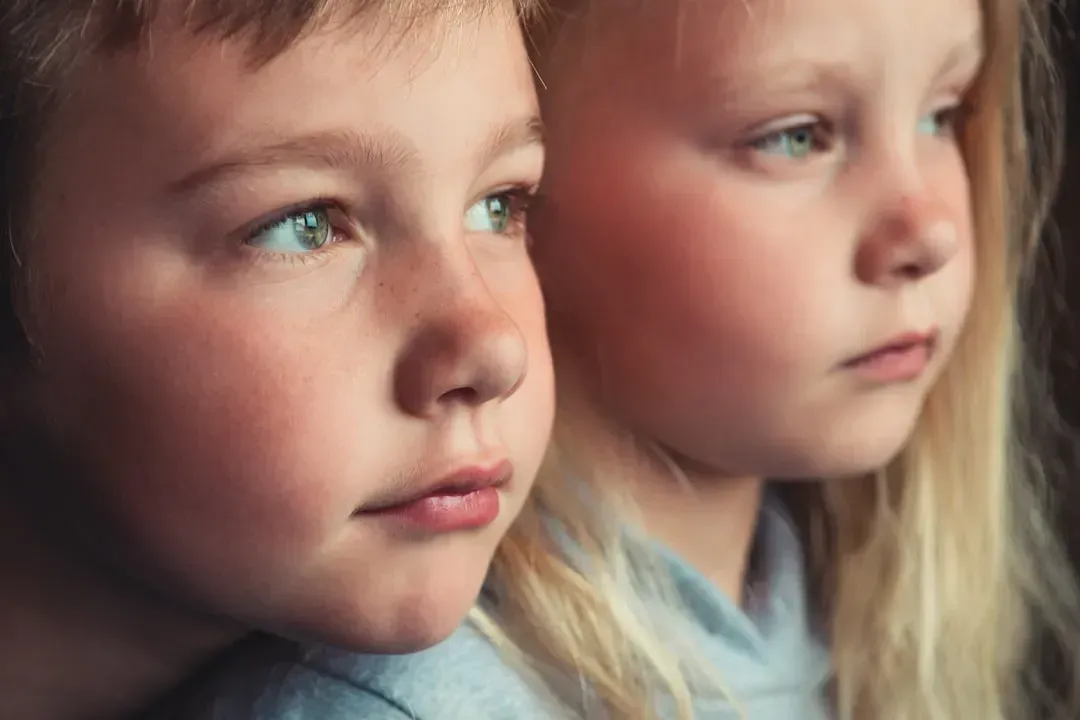
3. Comparing them to siblings or classmates (Image Credits: Unsplash)
“Your sister never had trouble with math” or “your cousin already knows how to ride a bike” are the kinds of comments that slip out during stressful moments, often without any bad intention. Psychologists who study sibling dynamics have long pointed out that comparison, even when meant as motivation, tends to breed resentment rather than improvement.
Kids tend to remember these comments far longer than parents realize. What feels like a passing remark in the moment can shape how a child measures their own worth for years afterward.
4. Insisting on the same holiday traditions every single year

4. Insisting on the same holiday traditions every single year (Image Credits: Pexels)
Matching pajamas, the same drive to see lights, the identical seating chart at dinner. Traditions carry weight, but as kids grow into teenagers, rigid repetition can start to feel less like comfort and more like obligation. Family therapists often describe adolescence as a natural period where kids seek more input into shared activities rather than simply going along with what’s always been done.
Many teens don’t want to cancel the traditions entirely. They just want a say in updating them, even in small ways, so the rituals still feel like theirs.
5. Asking "how was school" in the exact same flat way

5. Asking "how was school" in the exact same flat way (Image Credits: Gallery Image)
It’s a daily or yearly habit that rarely changes phrasing, and kids often respond with the equally flat “fine” that parents complain about. Communication specialists who study parent-child conversation patterns suggest that open-ended, specific questions tend to get more honest and detailed responses than broad ones.
The frustration isn’t about caring less. It’s that the same question, asked the same way for years, starts to feel like a formality rather than genuine curiosity.
6. Bringing up embarrassing baby stories in front of friends

6. Bringing up embarrassing baby stories in front of friends (Image Credits: Pexels)
The bathtub photos, the tantrum at the grocery store, the mispronounced word that became a family legend. These stories are often shared with affection, but in front of friends or at family gatherings, they can leave kids wishing the floor would open up. Adolescent psychologists note that the teenage years bring heightened self-consciousness, making public embarrassment sting more sharply than it might have a few years earlier.
Most kids don’t mind the stories in private. It’s the audience that turns nostalgia into mortification.
7. Pushing the same extracurricular activity year after year
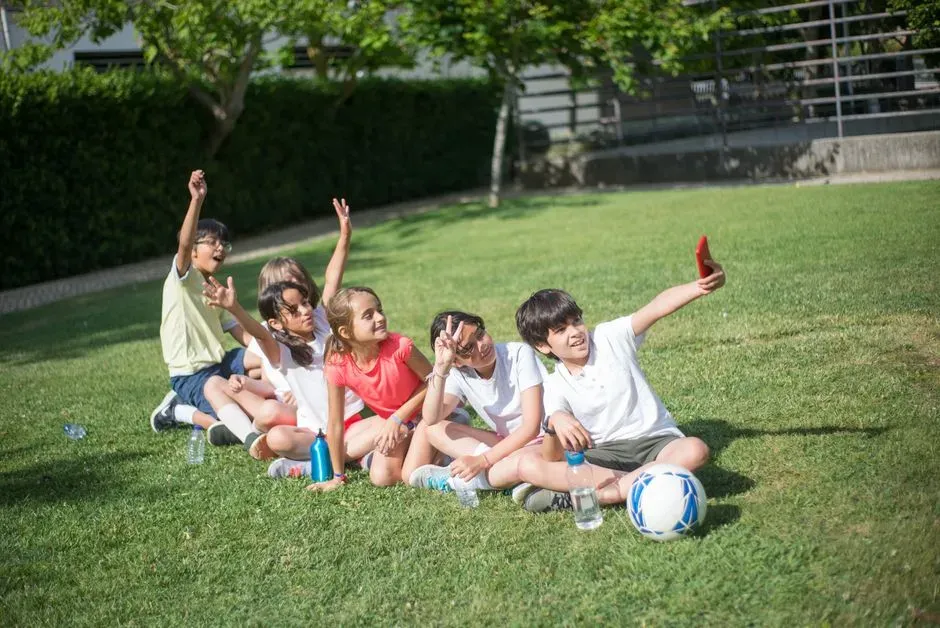
7. Pushing the same extracurricular activity year after year (Image Credits: Pexels)
Whether it’s a sport, an instrument, or a specific summer camp, some parents keep signing kids up for the same activity long after enthusiasm has faded. Research on youth motivation consistently shows that intrinsic interest, not parental insistence, is the strongest predictor of a child sticking with something long term. When kids feel like an activity is chosen for them rather than by them, engagement tends to drop even if attendance doesn’t.
Many children eventually voice a wish to try something new, only to find the conversation harder than expected because the old activity has become a family expectation rather than a personal choice.
8. Making a big production out of report cards

8. Making a big production out of report cards (Image Credits: Unsplash)
Grade celebrations or grade lectures, repeated with the same intensity every term, can turn report card day into a source of dread rather than pride. Education researchers have found that when academic performance becomes tightly linked to parental approval or disappointment, kids report higher anxiety around grades regardless of how they actually perform.
Some kids do well and still brace for the reaction rather than feeling free to share the news casually. The predictability of the response, not the grades themselves, is often what wears on them.
9. Reusing the same disciplinary threats without follow-through
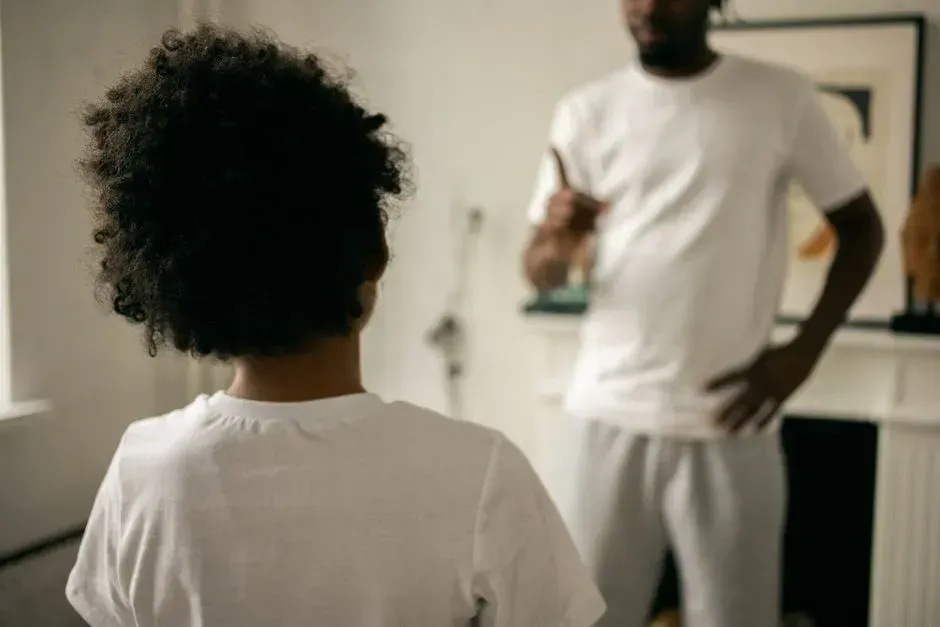
9. Reusing the same disciplinary threats without follow-through (Image Credits: Pexels)
“If you do that one more time, no phone for a month” is a phrase many kids have heard so often it barely registers anymore, especially when the threat rarely materializes. Behavioral researchers who study parenting consistency note that follow-through, not the severity of the threat, is what actually shapes behavior over time.
Kids often admit, once they’re older, that they tuned out the warnings entirely because the pattern repeated every year without real consequence. The frustration isn’t about wanting fewer rules. It’s about wanting rules that mean something.
Most of these habits come from a place of care, not carelessness. Parents repeat what worked once, hold onto traditions that once felt meaningful, and default to phrases that are easy to say on a tired weeknight. Kids notice the repetition long before they have the words to explain why it bothers them, and most aren’t asking for an overhaul. A little variation, a bit more input, and slightly less predictability often go a long way toward keeping old habits feeling like love instead of routine.