
Something has shifted in the aisles over the past year. Shoppers who once chased the newest packaged convenience item or trendy protein bar are now pausing, flipping the package over, and reading every line on the ingredient list before it goes in the cart. It's not a loud rebellion, no boycotts or viral callouts, just a quiet recalibration of trust that's changing what actually gets bought at checkout.
1. Ultra-processed convenience meals
1. Ultra-processed convenience meals (Image Credits: Pixabay)
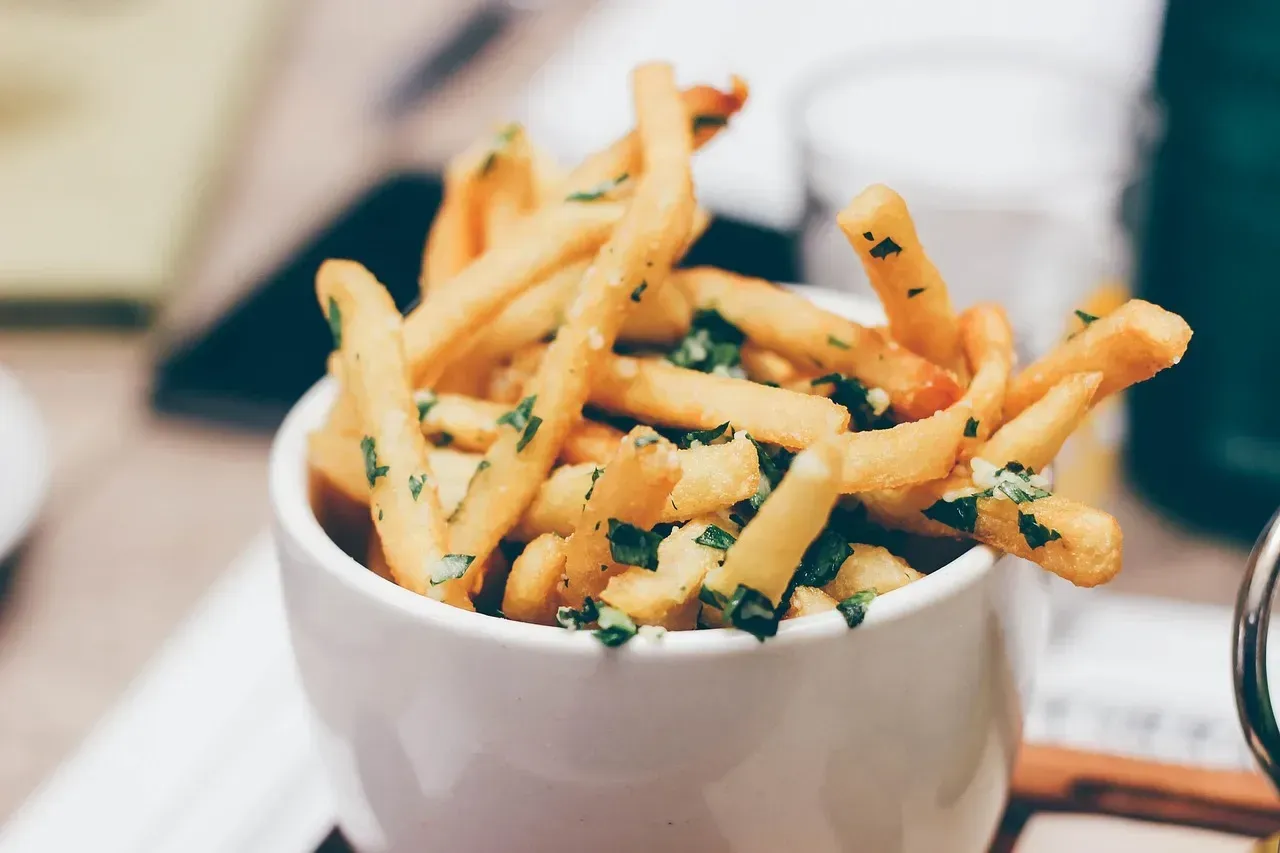
Packaged meals promising restaurant flavor in three minutes used to be a grocery cart staple. That’s changing as scrutiny of ultra-processed foods intensifies, with researchers finding links between the consumption of highly processed foods and a range of negative health outcomes, including cardiovascular disease, obesity and certain cancers. The category is enormous too, since it is estimated that 70% of the U.S. food supply is comprised of foods commonly considered ultra-processed.
Awareness of the term itself has climbed sharply. In the International Food Information Council’s 2025 Food & Health Survey, 44 percent of respondents were familiar with the term “ultra-processed food,” a 12 percent jump from 2024. That growing familiarity is translating into hesitation at the shelf, especially for products that offer no clear nutritional upside.
2. Snack products with vague or unpronounceable ingredients
2. Snack products with vague or unpronounceable ingredients (Image Credits: Pexels)
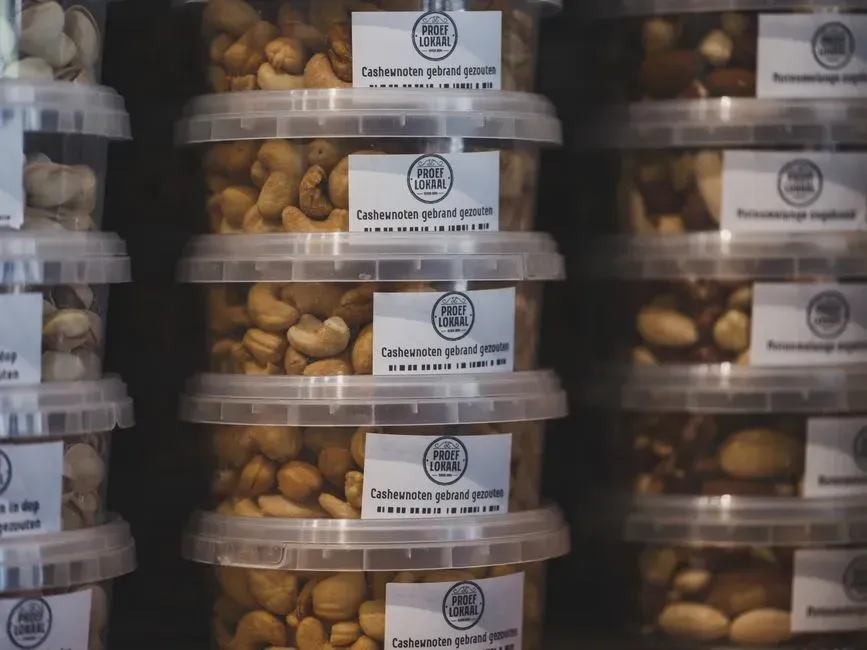
Shoppers aren’t just avoiding whole categories anymore, they’re scrutinizing individual products line by line. Label reading has become a habit, not an afterthought, with shoppers scanning for fewer additives, fewer preservatives and ingredients they recognize without a chemistry degree. That habit is reshaping which snack brands survive on the shelf and which quietly get replaced.
Brands that lean into transparency are benefiting from the shift. That shift is changing how brands position themselves, with transparency emerging as one of the most powerful tools for winning back skeptical buyers. Products with long, unfamiliar ingredient lists are increasingly treated as a red flag rather than a technical detail.
3. Shrunken packages sold at the same price
3. Shrunken packages sold at the same price (Image Credits: Pexels)
Shrinkflation, the practice of quietly reducing package sizes without lowering the price, has moved from a minor annoyance to a genuine trust problem. Evidence suggests that consumer awareness is growing: a 2024 survey found that 75% of Americans have noticed shrinkflation at grocery stores, and that recognition rarely stays neutral. A study on Generation Z consumers indicated that 41% report a decrease in trust toward brands engaged in shrinkflation, and 48% of shoppers in another U.S. survey stated they had abandoned a brand due to practices associated with shrinkflation.
The reaction isn’t passive grumbling either. One-fifth of consumers opted to buy a generic version, while others chose a different type of product or purchased a bulk size instead after noticing a shrunken package. Globally the pattern is consistent, since a Capgemini Research Institute survey across 32 countries found 59% notice size decreases, and 64% call it “unfair”.
4. Products quietly downgraded instead of downsized
4. Products quietly downgraded instead of downsized (By en:User:Rlsheehan, <a href="https://commons.wikimedia.org/w/index.php?curid=6758261" target="_blank" rel="noopener">Public domain</a>)
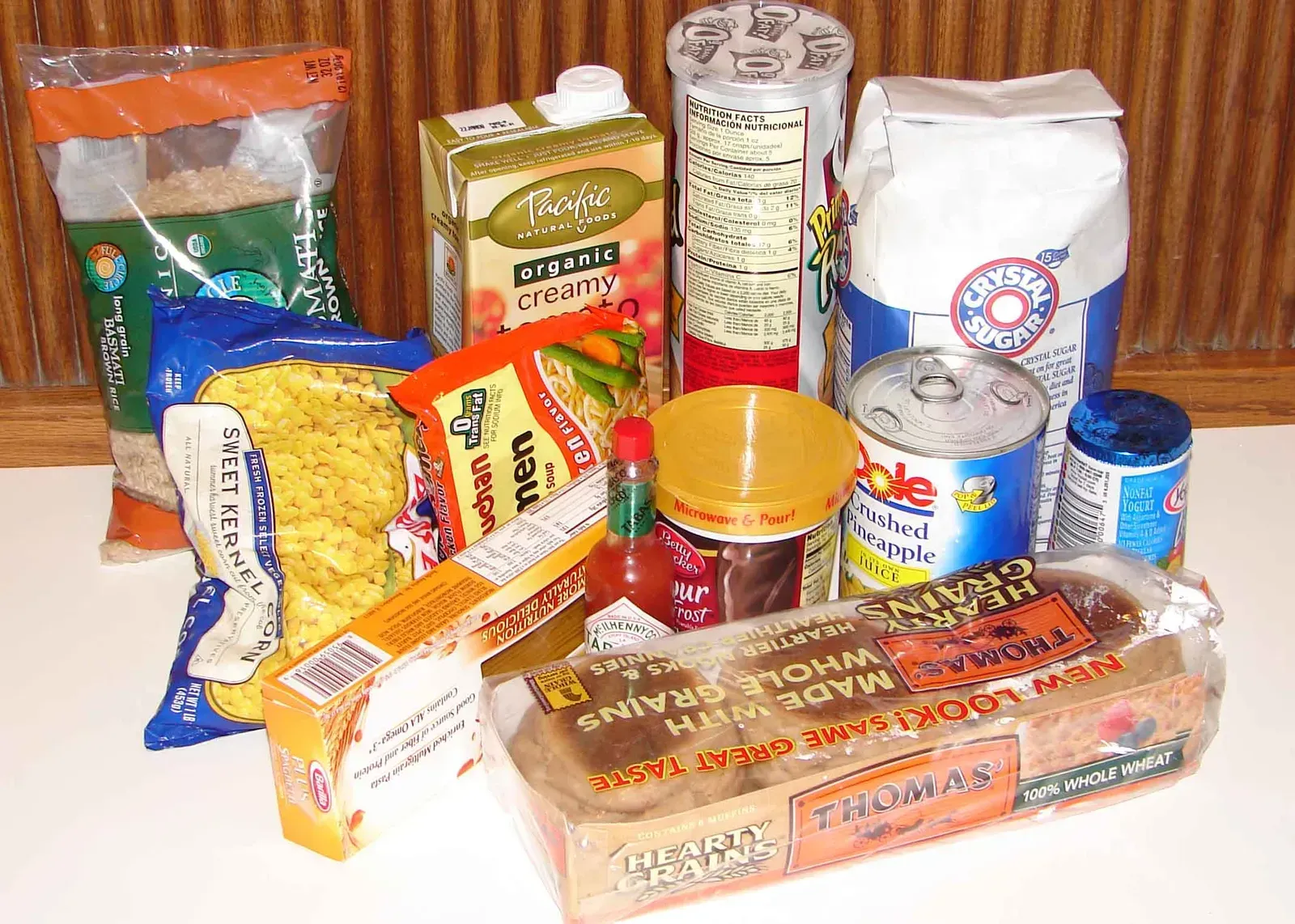
A newer and arguably sneakier cousin of shrinkflation has emerged, one where the package stays the same size but the recipe inside changes. Skimpflation is replacing shrinkflation as a growing consumer complaint, with companies reducing product quality or service instead of package size, delivering an inferior product or experience while charging the same price. Because nothing looks different on the outside, it’s harder to catch until the taste or texture gives it away.
Once shoppers do notice, the backlash tends to be stronger than with simple downsizing. The vast majority of consumers report worsened brand perceptions after noticing skimpflation while shopping, with about forty percent describing the shift as significantly worse. Reformulated sauces, thinner deli meats, and watered-down juices are among the categories drawing the most complaints.
5. Store-brand "dupes" with unclear sourcing
5. Store-brand "dupes" with unclear sourcing (Image Credits: Pexels)
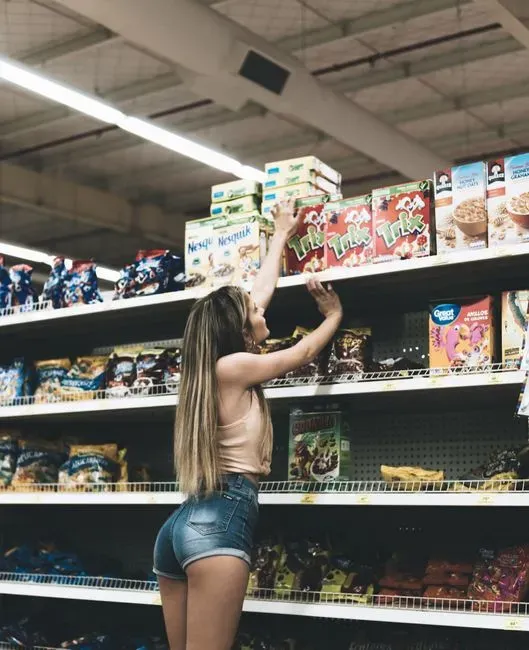
Private label used to mean an obvious compromise on quality. That reputation has flipped, with many shoppers now treating store brands as equal to or better than national names, but the trust only extends so far. More shoppers also say they no longer associate quality exclusively with branded CPG products, a trend that’s reflected in the continued growth of private-label products.
Even so, not every private-label rollout earns automatic confidence. Retailers have been investing heavily in upgrading the quality, packaging, and positioning of their private label portfolios, with many supermarket chains now operating multi-tier private label strategies spanning budget to premium tiers. Shoppers tend to gravitate toward the tiers with clearer sourcing information and steer away from vague budget dupes that don’t disclose where the product actually comes from.
6. Grocery delivery produce picked sight unseen
6. Grocery delivery produce picked sight unseen (Image Credits: Pexels)
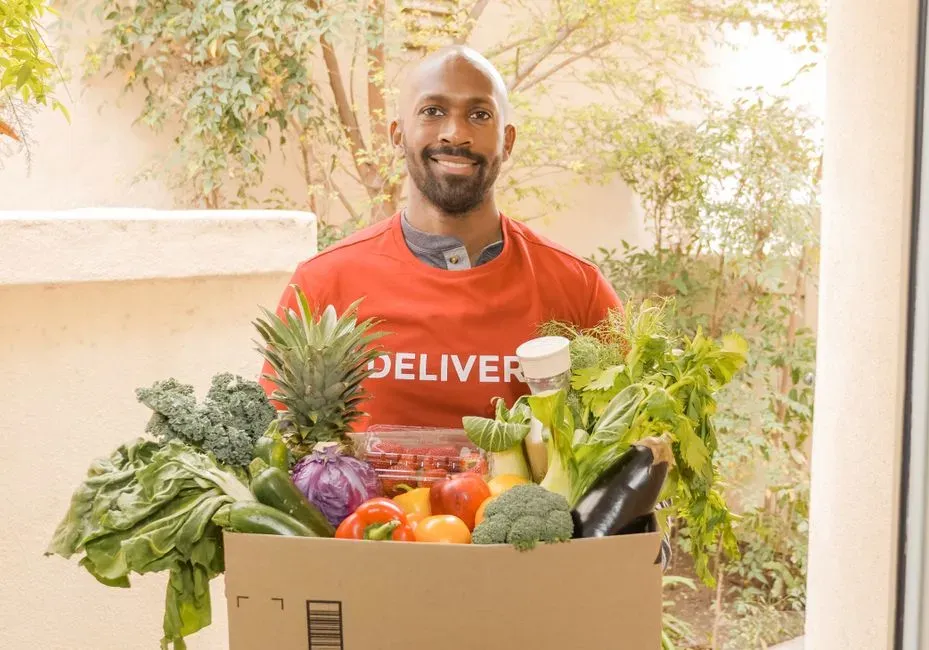
Online grocery has become mainstream, but the produce aisle remains a sticking point for a lot of households. Shoppers consistently say they value being able to inspect items themselves, and that instinct hasn’t gone away just because delivery apps have gotten faster. If grocery shoppers could not shop in person, they would miss being able to select products, which nearly half named as the thing they’d miss most.
That preference shows up directly in produce behavior, where sixty-nine percent of shoppers say examining produce up close matters to them when it comes to feeling confident about quality. Delivery services that substitute produce without warning, or send bruised items with no recourse, tend to lose repeat orders in that category specifically, even among people who are otherwise loyal to online shopping.
7. Meal kits and prepared foods with hidden processing
7. Meal kits and prepared foods with hidden processing (Image Credits: Unsplash)
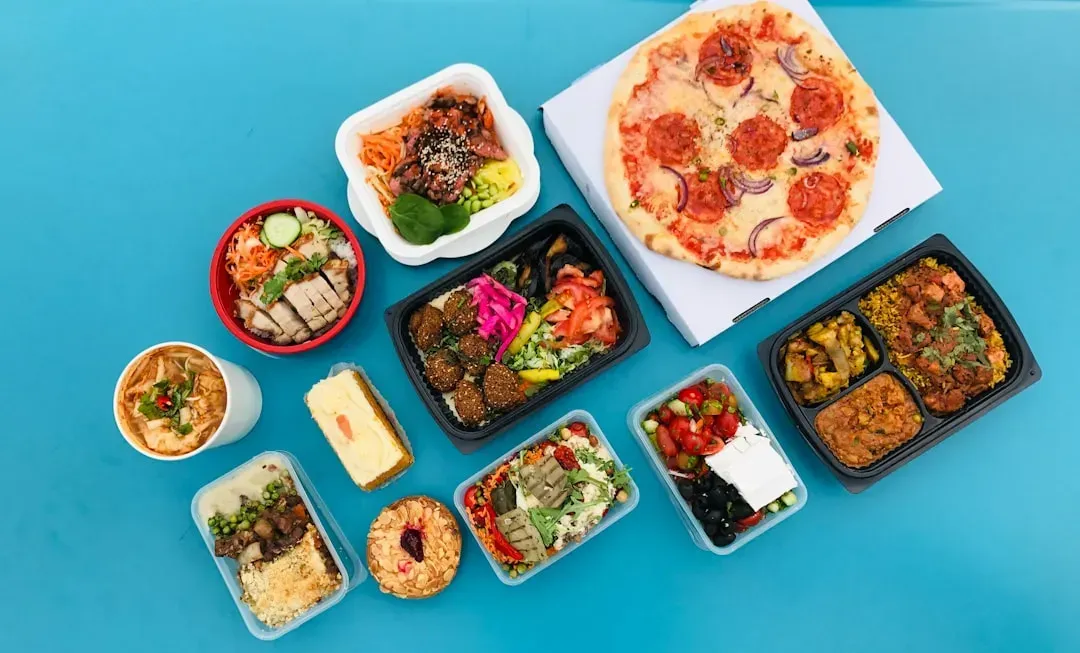
Meal kits and grab-and-go prepared meals were marketed as a fresher alternative to frozen dinners, but that halo has started to fade. Many of these products still rely on the same preservatives, stabilizers, and flavor additives found in traditional packaged food, just presented in nicer packaging. Shoppers who’ve caught on are treating “fresh-casual” labeling with more suspicion than they did even a year or two ago.
The broader confusion around what actually counts as processed is part of the problem. IFIC found 60% of consumers said “packaged foods” can be part of a healthy diet, but this dipped to 41% when they were described as “processed foods,” and even fewer, 29%, said foods described as “ultra-processed” could be part of a healthy diet. Meal kit brands that lean on vague marketing language rather than clear ingredient disclosure are running into that skepticism directly.
8. Bulk and warehouse-club sizes that go stale before use
8. Bulk and warehouse-club sizes that go stale before use (Image Credits: Pexels)
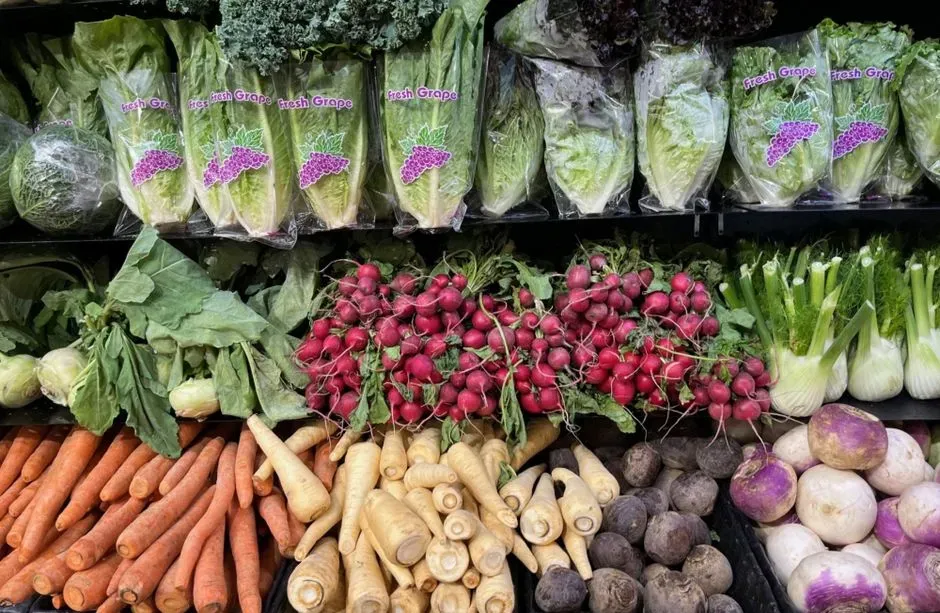
Buying in bulk has been a popular inflation-era strategy, but it comes with its own quality tradeoff that more shoppers are starting to notice. Oversized bags of greens, giant tubs of dips, and family-size proteins often sit in the fridge long enough to lose freshness before they’re finished, especially in smaller households. The savings on paper don’t always translate into savings in practice once spoilage is factored in.
This tension is part of a broader defensive shift in how people shop. Consumers have cemented defensive strategies such as store switching and deal-seeking, signaling a strong preference for flexibility and price-first decision-making rather than committing to large formats that might not get used in time. Shoppers increasingly weigh unit price against realistic consumption speed instead of assuming bigger is automatically better value.
9. Imported specialty items with limited traceability
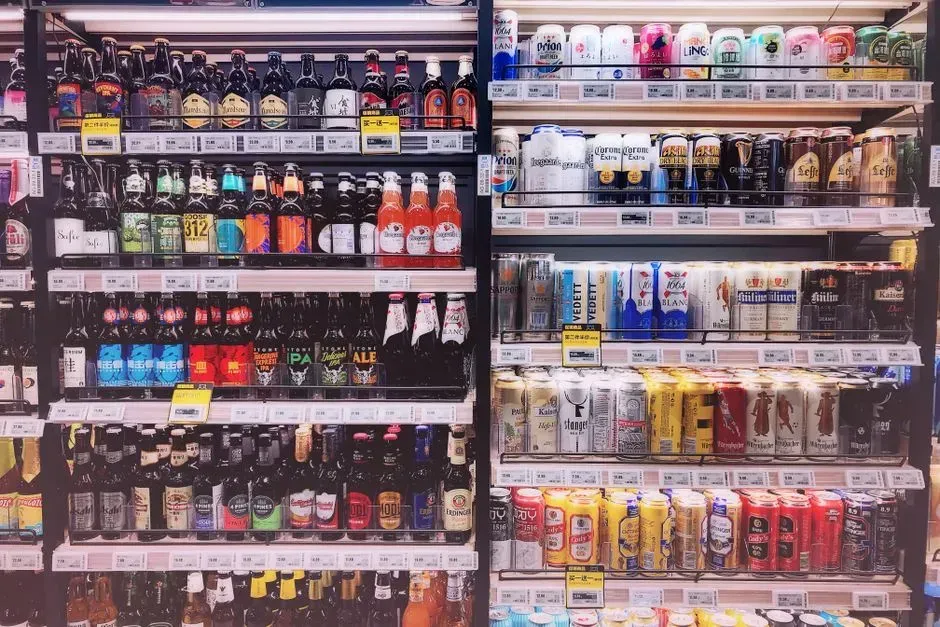
9. Imported specialty items with limited traceability (Image Credits: Pexels)
Specialty and imported grocery items, from oils to snack imports to novelty ingredients, have become harder for shoppers to evaluate with confidence. Supply chains for these products are often longer and less transparent than domestic staples, and that opacity is starting to matter more to buyers than it used to. When something goes wrong with an imported product, shoppers have fewer ways to trace exactly where the issue originated.
This caution lines up with the broader mood around food safety oversight. The FDA’s Human Foods Program has prioritized expanding the inspection of food processing facilities by leveraging state inspection resources to complement its own inspections for 2026, a sign that regulators themselves see gaps worth closing. Shoppers reading about that kind of oversight tend to apply extra scrutiny to items that fall outside standard domestic supply chains.
10. Reformulated "healthier" products with murkier labels
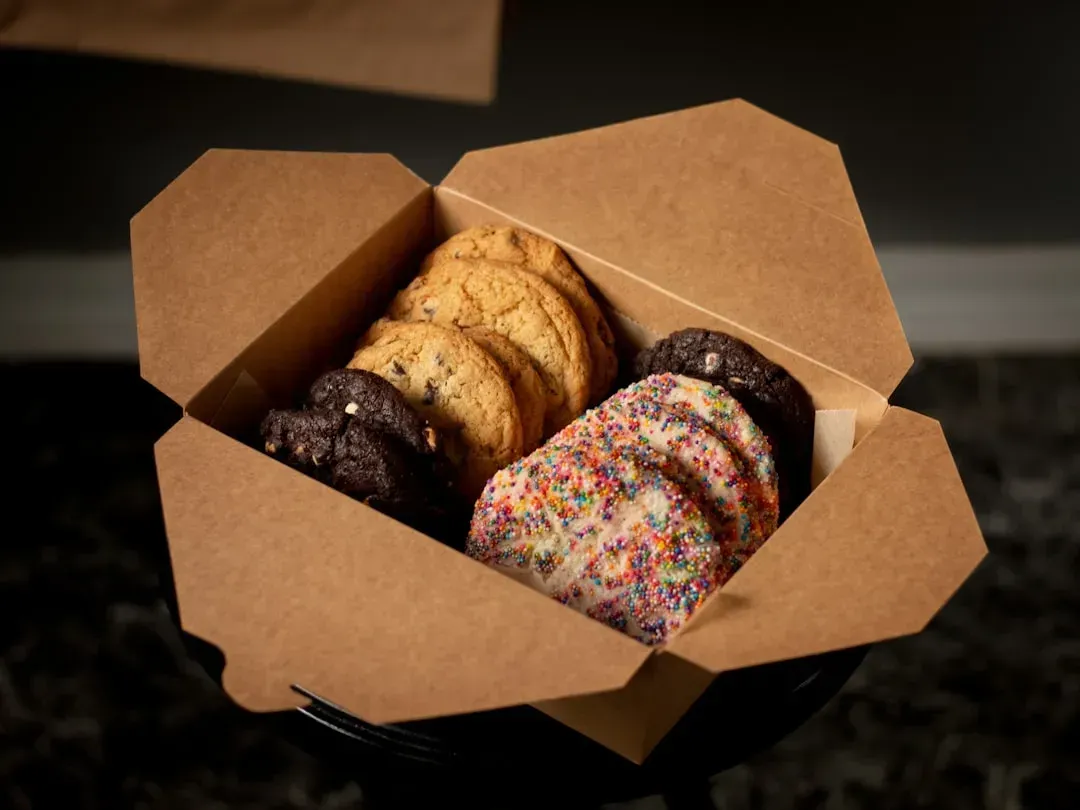
10. Reformulated "healthier" products with murkier labels (Image Credits: Unsplash)
Food companies have raced to reformulate products in response to ultra-processed food concerns, swapping ingredients and slapping new claims on packaging. The problem is that the reformulation trend has arrived faster than any agreed-upon definition of what actually makes a food less processed. The lack of consensus around what constitutes an “ultra-processed” food has created a high level of consumer confusion, since there is currently no agreed-upon scientific definition of ultra-processed foods.
That confusion cuts both ways for shoppers trying to make better choices. Processed food is also associated with negative aspects, including impact on health, quality of ingredients and nutrition, even when a product carries a reformulated “cleaner” label. Rather than trusting a redesigned package at face value, more buyers are cross-checking the actual ingredient panel before deciding whether the update is real or cosmetic.
Final Thoughts

Final Thoughts (Image Credits: Pexels)
None of these ten trends are disappearing from shelves entirely, and grocery chains aren’t about to stop stocking convenience meals or bulk packs anytime soon. What’s changed is the level of scrutiny shoppers now bring to the decision, checking labels, comparing unit prices, and questioning marketing claims that would have gone unnoticed a few years ago. That quieter, more deliberate style of shopping looks less like a passing phase and more like the new baseline for how people navigate a grocery store in 2026.