
The box itself is nothing special, just a tin container with a faded floral pattern and a hinge that squeaks every time you open it. Inside, though, are index cards stained with butter and vanilla, some typed on an old machine, most scrawled in handwriting that gets shakier toward the bottom of the stack. My grandmother wasn’t a professional cook. She was a woman who fed a family of seven on a tight budget and somehow made every meal feel like an event.
Going through the cards after she passed felt less like cooking and more like archaeology. Each recipe carried a story, a smudge, a note in the margin that said something like “double for Sunday” or “Tommy hates raisins, leave out.” These are the eight dishes that showed up again and again, the ones that defined holidays, sick days, and ordinary Tuesdays in equal measure.
1. Sunday Pot Roast With Root Vegetables
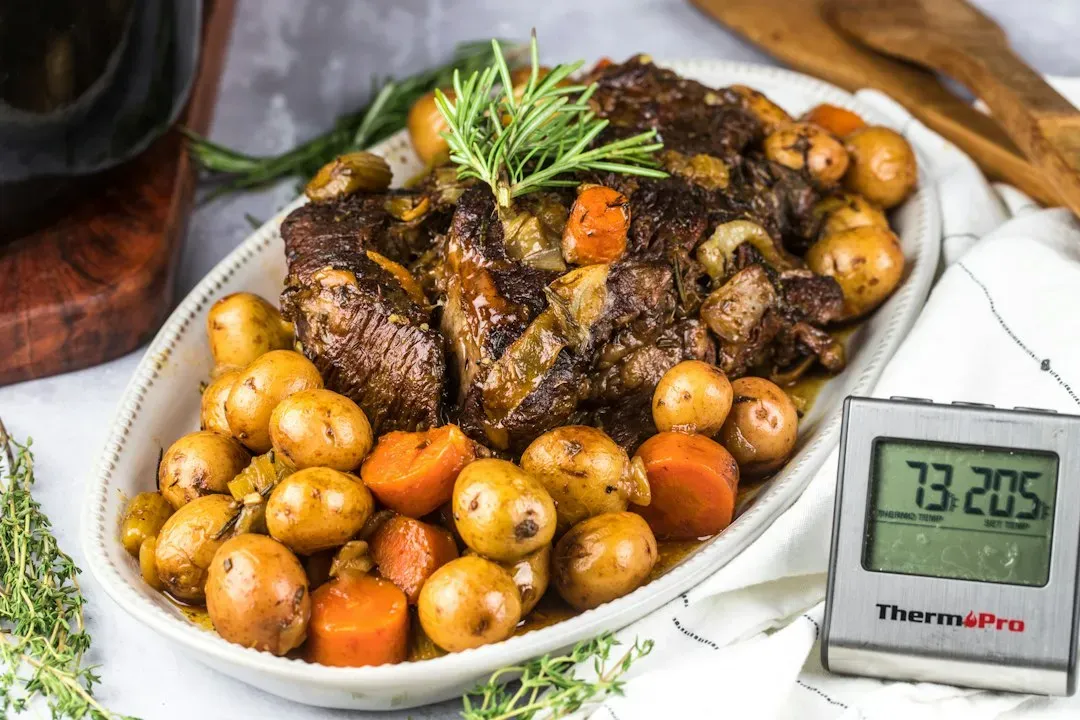
1. Sunday Pot Roast With Root Vegetables (Image Credits: Unsplash)
Every Sunday without fail, the smell of this roast filled the house before anyone was even awake. My grandmother used a chuck roast, seared it hard in a cast iron pan, then let it braise low and slow with carrots, potatoes, and onions for nearly four hours. The card itself just says "cook until it falls apart," which turned out to be the most accurate instruction in the whole box.
What made it memorable wasn't complexity, it was patience. Chuck roast is a tough cut loaded with connective tissue, and that tissue breaks down into gelatin only through long, moist cooking, which is exactly why braising works so well for cheaper cuts of beef. She never rushed it, and the reward was meat that separated with a fork rather than a knife.
2. Buttermilk Biscuits
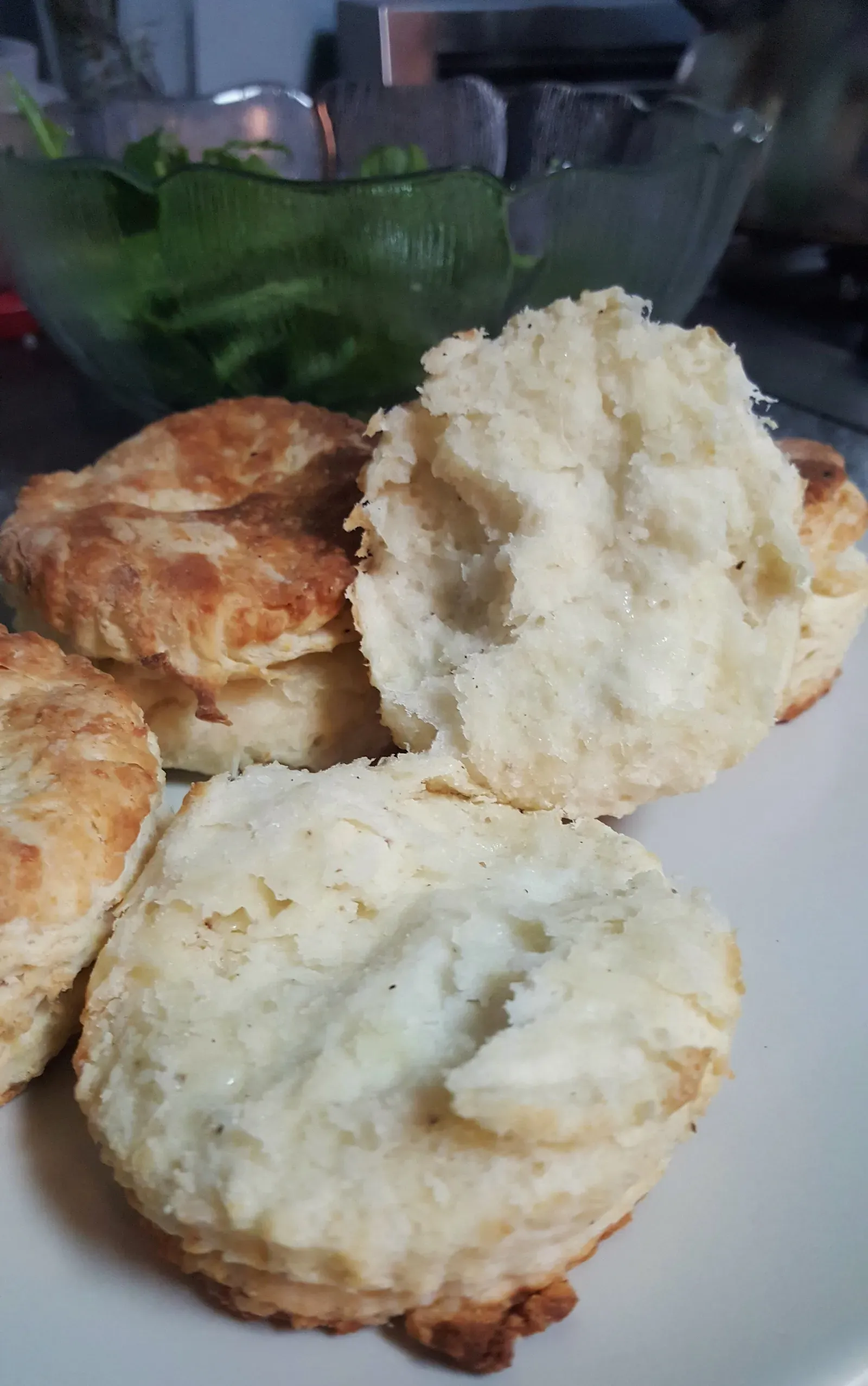
2. Buttermilk Biscuits (By terri_bateman, <a href="https://commons.wikimedia.org/w/index.php?curid=57946527" target="_blank" rel="noopener">CC BY 2.0</a>)
These biscuits appeared at breakfast, at dinner, and honestly at almost any meal that felt like it needed rescuing. The recipe card lists just five ingredients, flour, buttermilk, butter, baking powder, and a pinch of salt, but the technique notes in the margin are where the real secret lives. She insisted on cold butter cut into the flour by hand, never a food processor, because warm butter melts too fast and keeps biscuits from getting flaky layers.
Buttermilk's acidity reacts with baking powder to create extra lift, which is part of why Southern-style biscuits rely on it so heavily instead of regular milk. My grandmother also never rolled the dough twice, claiming it made the biscuits tough, and food science generally backs her up since overworking gluten in a dough does firm up the final texture. They were never fancy, just reliably good, which might be the highest compliment a biscuit can earn.
3. Chicken and Dumplings
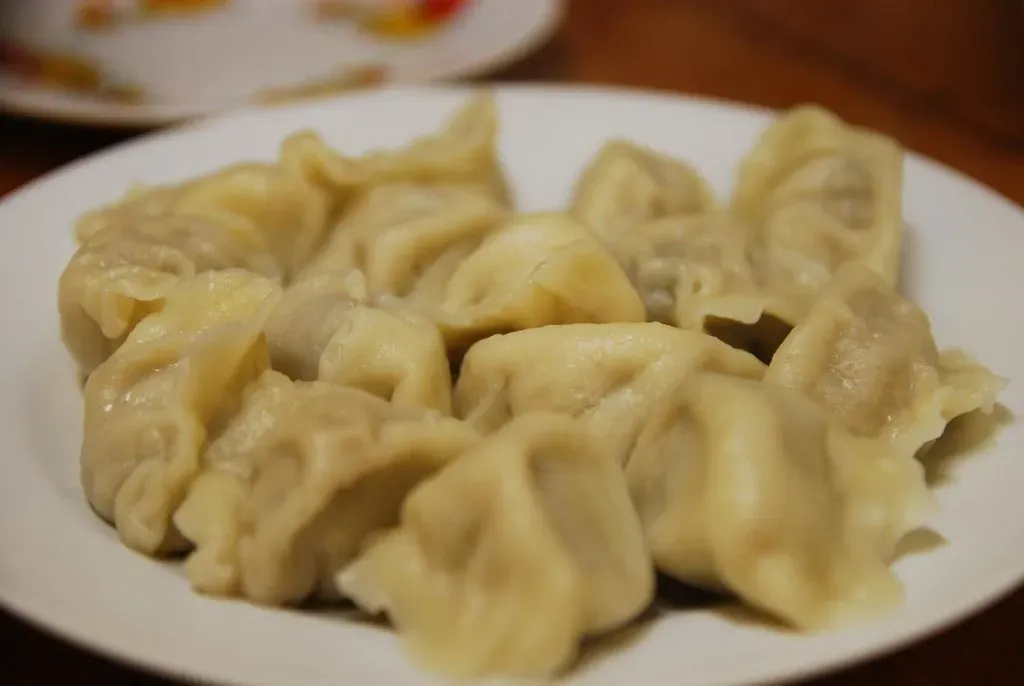
3. Chicken and Dumplings (avlxyz, Flickr, <a href="https://creativecommons.org/licenses/by-sa/2.0/" target="_blank" rel="noopener">CC BY-SA 2.0</a>)
This was the dish that appeared whenever someone in the family was sick or the weather turned cold enough to need something heavier than soup. She'd simmer a whole chicken with celery, onion, and a few peppercorns for hours, then drop soft dumplings made from flour, baking powder, and buttermilk right into the simmering broth. The card includes a warning in all capital letters not to lift the lid while the dumplings cook, since letting steam escape keeps them from setting properly.
Chicken and dumplings has roots stretching back through Appalachian and Southern cooking traditions, where stretching a single chicken into a filling meal for a large family was often a practical necessity rather than a choice. My grandmother's version leaned thick, almost stew-like, with dumplings that stayed soft rather than the drop-biscuit style some families prefer. It's the kind of meal that tastes like comfort even before you take the first bite.
4. Deviled Eggs for Every Holiday
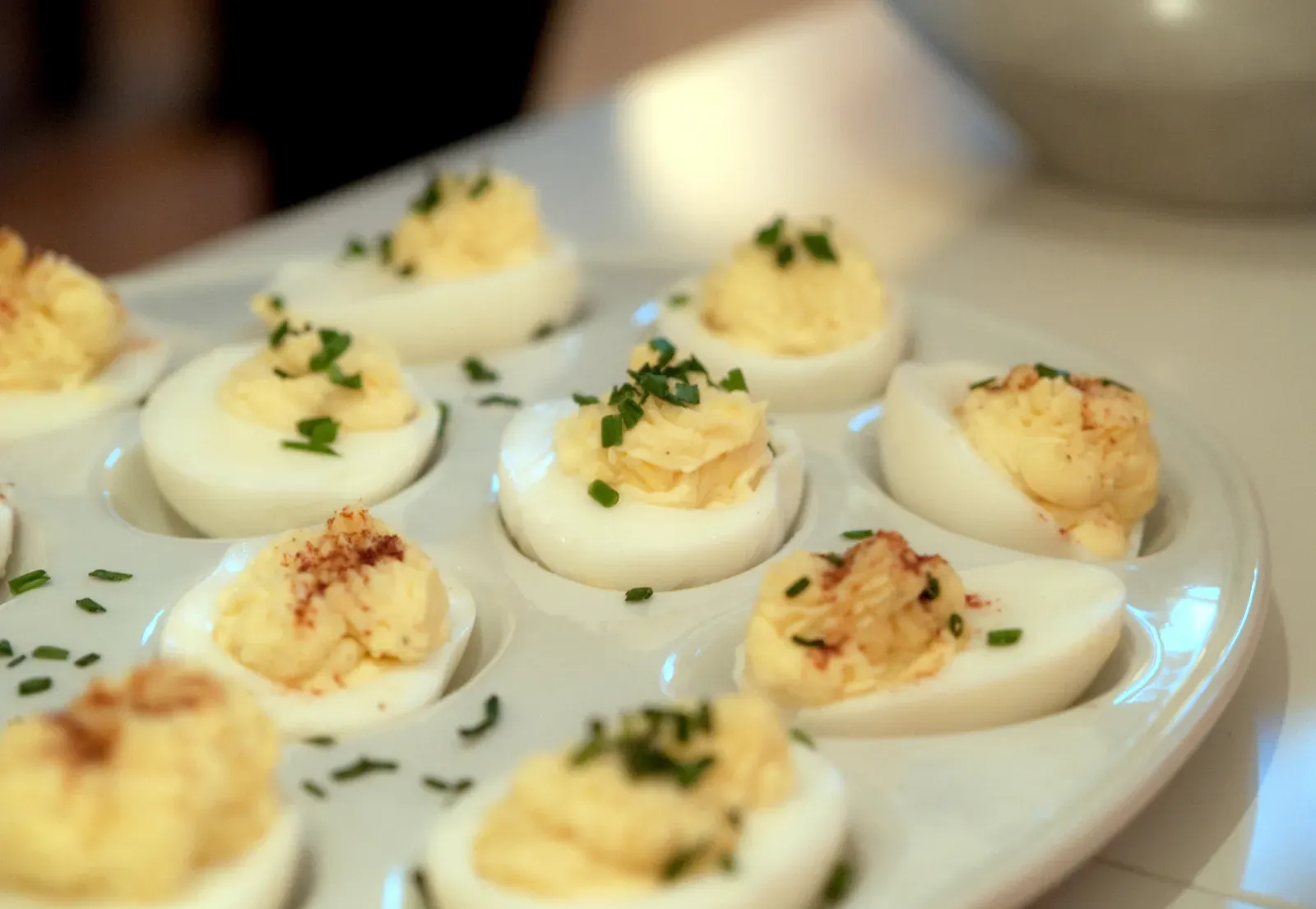
4. Deviled Eggs for Every Holiday (Thanksgiving 2009 (4 of 32), <a href="https://commons.wikimedia.org/w/index.php?curid=11021936" target="_blank" rel="noopener">CC BY-SA 2.0</a>)
No holiday table in our family was complete without a plate of deviled eggs, and my grandmother's recipe card is genuinely falling apart from decades of use. Her version used mayonnaise, a spoonful of sweet pickle relish, a dab of mustard, and just enough paprika on top to make the plate look finished. She always boiled the eggs the day before, insisting fresher eggs are actually harder to peel because the whites cling more tightly to the shell membrane.
That detail happens to hold up, since eggs lose a small amount of carbon dioxide over time, which raises the pH of the white and loosens its bond to the shell, making older eggs easier to peel cleanly. The relish gave her eggs a slightly sweet edge that distinguished them from the mustard-heavy versions other relatives brought to potlucks. They disappeared from the table faster than almost anything else she made.
5. Peach Cobbler From Summer Fruit
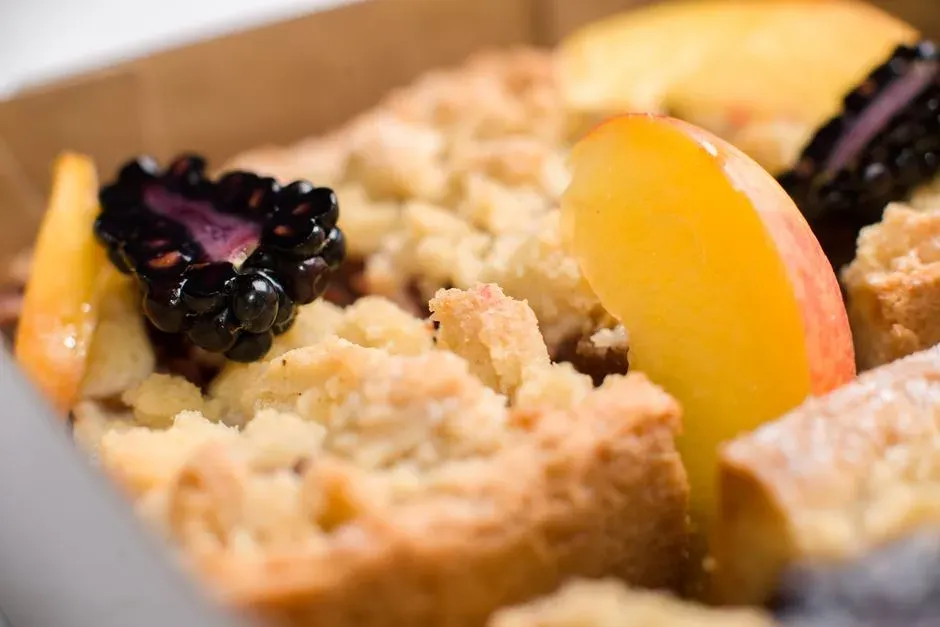
5. Peach Cobbler From Summer Fruit (Image Credits: Pexels)
Peach cobbler only made an appearance in late summer, timed to whenever the local farm stand had ripe peaches piled high and cheap. She used a simple batter poured into a hot buttered dish, then topped it with sliced peaches and a sprinkle of sugar, letting the batter rise up around the fruit as it baked. The card notes to use peaches that are "almost too soft," meaning fully ripe fruit with maximum natural sugar and juice.
This style of cobbler, sometimes called a self-rising or batter cobbler, is common throughout the American South and differs from cobblers with a biscuit topping placed over the fruit. The batter method creates a texture somewhere between cake and pudding, with a slightly crisp top and a soft, syrupy interior underneath. It was the dessert that meant summer was in full swing, and its appearance on the counter was basically an unofficial holiday.
6. Meatloaf With a Ketchup Glaze
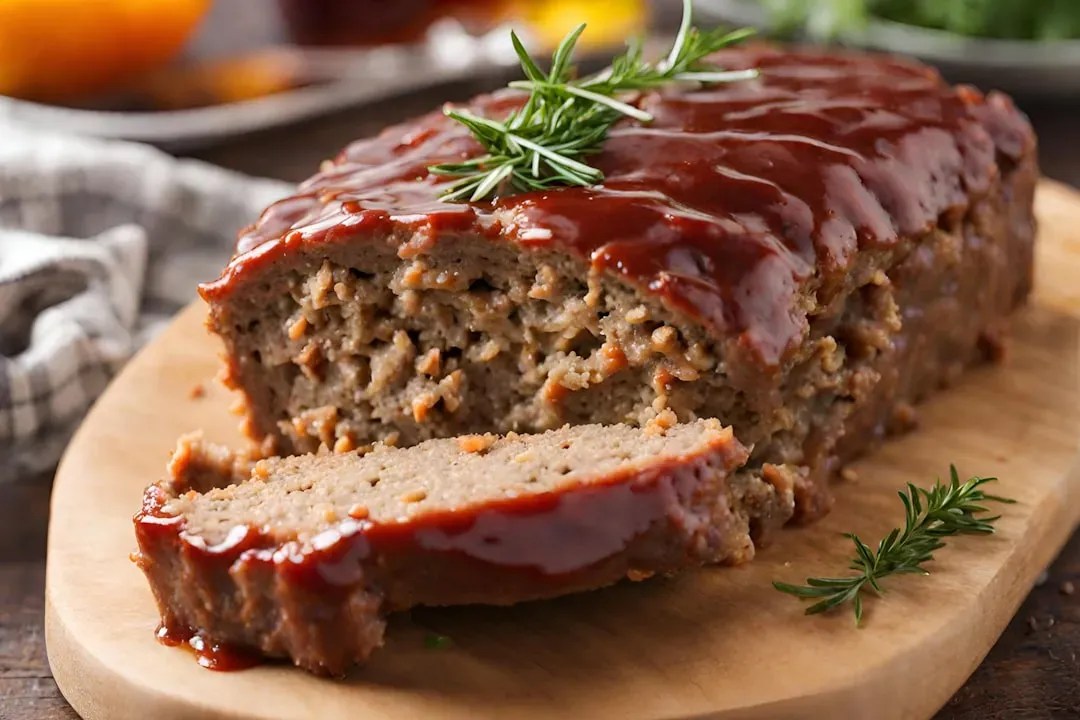
6. Meatloaf With a Ketchup Glaze (Image Credits: Unsplash)
Meatloaf doesn't get much respect these days, but in our family it was a weeknight staple that never got old, largely because of the glaze baked onto the top. Her recipe combined ground beef, breadcrumbs soaked in milk, egg, onion, and a mix of seasonings, then finished with a layer of ketchup mixed with brown sugar and a touch of mustard spread across the top before baking. That glaze caramelized in the oven, creating a slightly sticky, tangy crust that contrasted with the soft interior.
Soaking breadcrumbs in milk before mixing them into ground meat is a classic technique for keeping meatloaf moist, since the bread absorbs liquid and helps retain moisture during cooking rather than letting the meat dry out. My grandmother swore by resting the loaf for ten minutes after baking, which allows the juices to redistribute instead of running out the moment you slice into it. It's a humble dish, but one that showed up on the table more often than almost anything else in the box.
7. Homemade Apple Pie
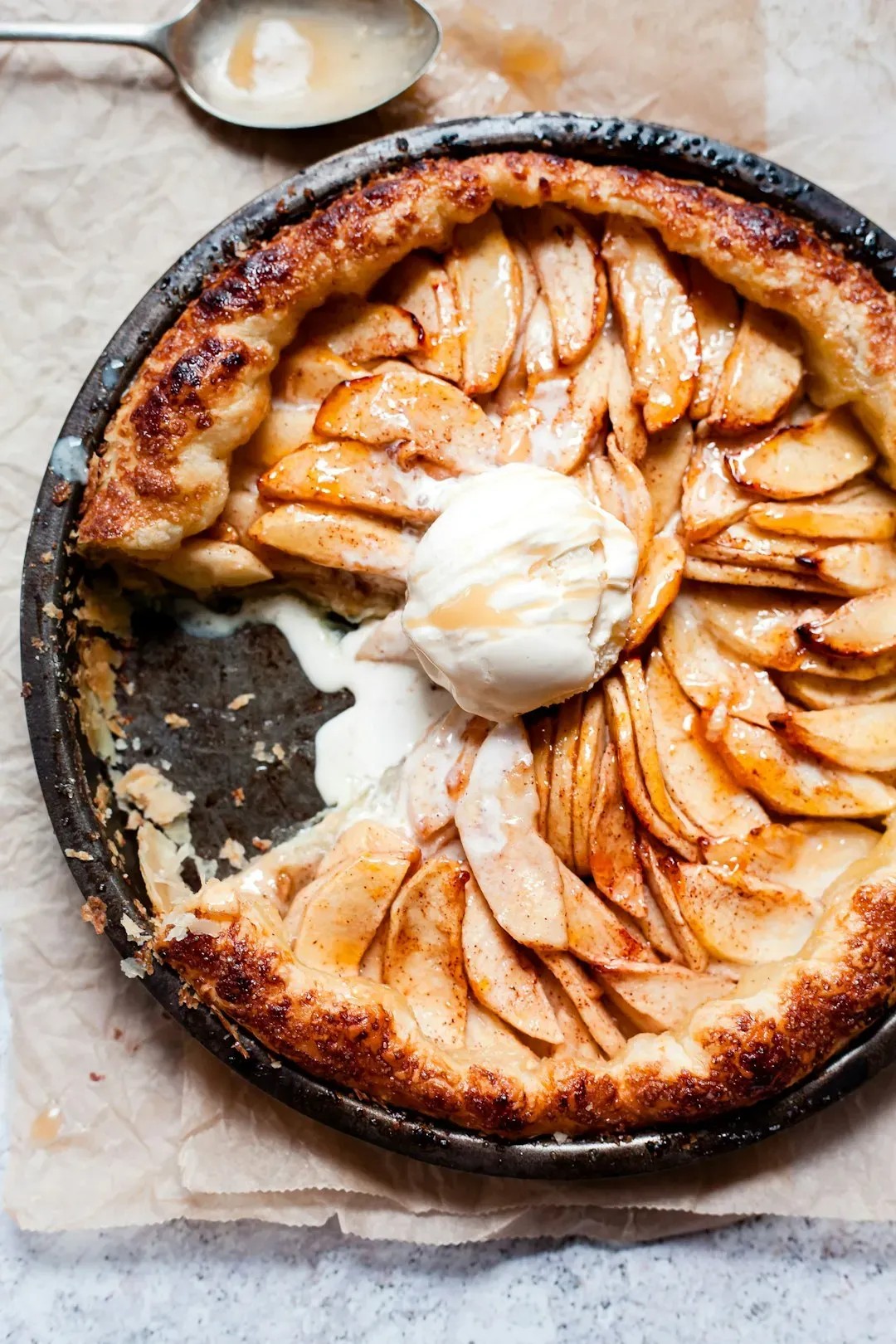
7. Homemade Apple Pie (Image Credits: Unsplash)
Apple pie appeared at Thanksgiving, at Christmas, and honestly at any gathering large enough to justify making a full crust from scratch. Her pastry recipe called for lard rather than butter, which she insisted gave a flakier texture, and food science does support the idea that lard's lower water content and different fat structure can produce a more tender crust than an all butter version. For the filling, she mixed tart and sweet apple varieties together, usually Granny Smith with something softer like a Golden Delicious, to balance texture and flavor.
The card includes a note about tossing the sliced apples in flour and a bit of lemon juice before filling the crust, which prevents the filling from turning watery and helps the apples hold their shape during baking. She also cut small slits in the top crust in a specific pattern, more for venting steam than decoration, though it did give the pie a distinctive look. It remains the dessert most requested by name whenever a family gathering gets planned.
8. Cornbread Made in a Skillet
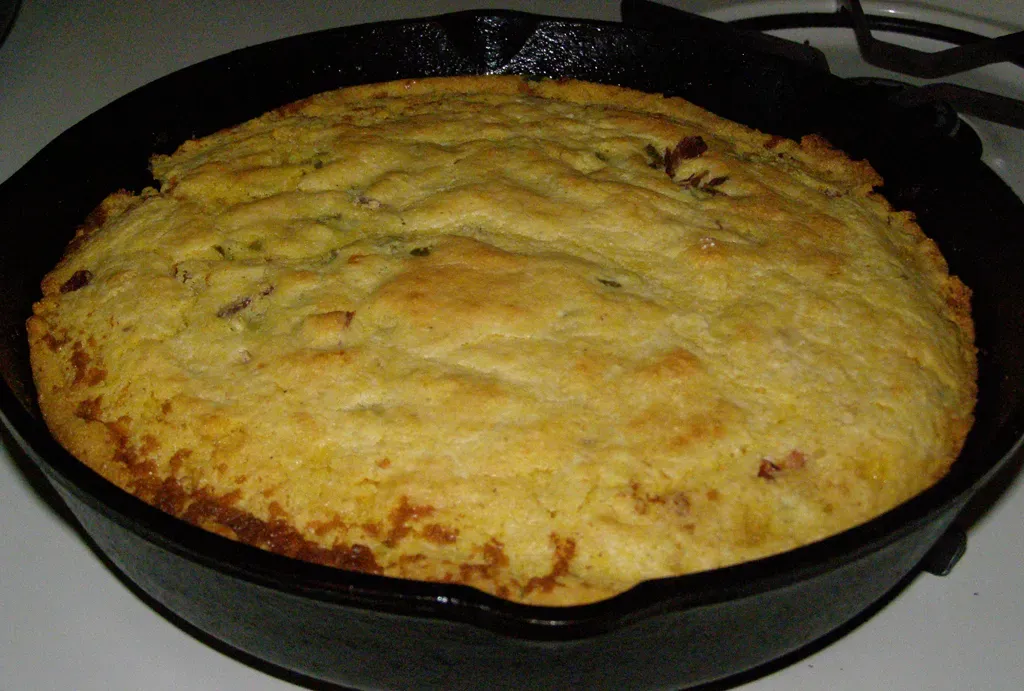
8. Cornbread Made in a Skillet (By Zankopedia, <a href="https://commons.wikimedia.org/w/index.php?curid=15797335" target="_blank" rel="noopener">CC BY-SA 3.0</a>)
The final recipe that shows up constantly in the box is a simple, slightly sweet cornbread baked in a cast iron skillet that had clearly been used for this single purpose for decades. She always preheated the skillet in the oven with a pat of butter inside before pouring in the batter, which creates a sizzling crust the moment the batter hits the hot surface. That step is a well known technique for getting a crisp, golden edge on skillet cornbread rather than a soft, pale one.
Her recipe used both cornmeal and a small amount of flour, along with buttermilk and a touch of sugar, landing somewhere between the sweeter Northern style and the more savory Southern style of cornbread. It came out of the oven with a crackling crust and a tender, slightly moist center that held together well enough to slice into wedges. Whether served alongside chili, greens, or just butter and honey, it was the dish that rounded out almost every dinner she made.