
Staying debt-free for a quarter century sounds almost old-fashioned in a world of buy-now-pay-later apps and easy credit lines. Yet plenty of people have quietly done it, not through some dramatic financial windfall, but through small, repeated choices that stack up over decades. Talk to enough of them and certain patterns start showing up again and again.
None of these habits are flashy or complicated. They’re the kind of practical, slightly boring decisions that don’t make headlines but seem to hold up remarkably well over twenty, thirty, even forty years.
1. They treat savings like a bill, not a leftover

1. They treat savings like a bill, not a leftover (Image Credits: Unsplash)
People who avoid debt long-term almost always mention paying themselves first. Instead of saving whatever happens to be left at the end of the month, which is often nothing, they set aside money the moment income arrives. This gets automated through direct deposit splits or scheduled transfers so the decision never has to be remade every single payday.
Over 25 years, this habit compounds in a quiet way. A consistent five or ten percent set aside monthly, even during lean years, builds a cushion that prevents the kind of emergency borrowing that traps so many households. It also removes willpower from the equation, which matters because willpower tends to fade long before habits do.
2. They keep an emergency fund that actually gets used
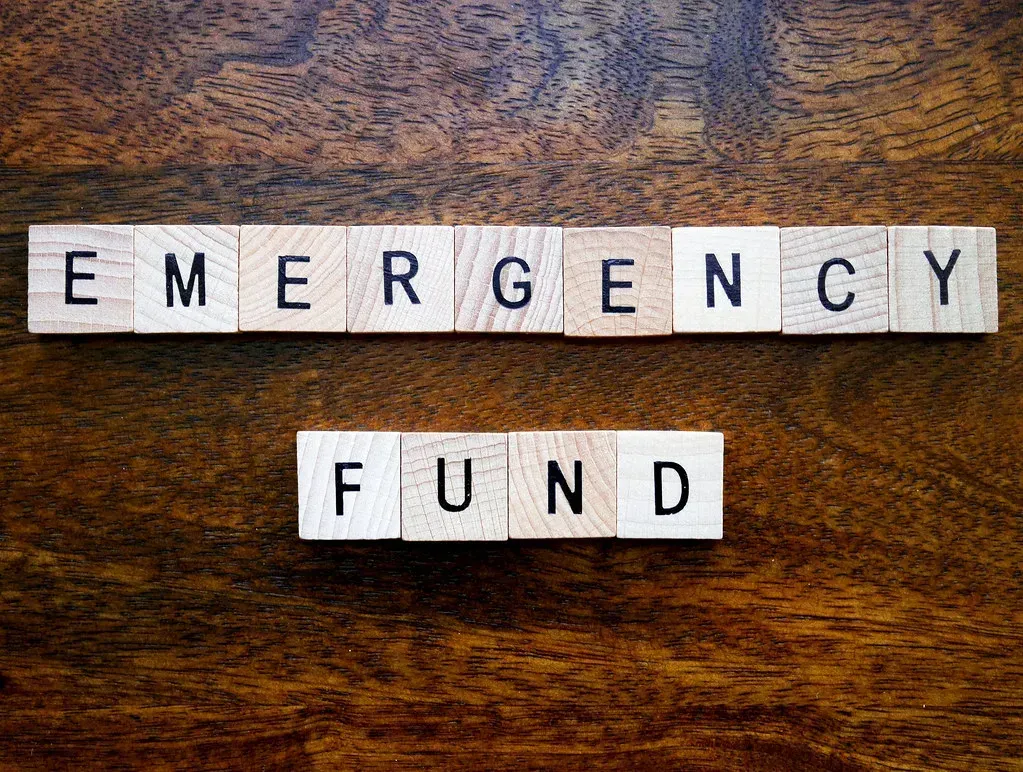
2. They keep an emergency fund that actually gets used (lendingmemo_com, Flickr, <a href="https://creativecommons.org/licenses/by/2.0/" target="_blank" rel="noopener">CC BY 2.0</a>)
Financial educators have pushed the idea of an emergency fund for decades, and the long-term debt-free crowd tends to take it seriously rather than treating it as a nice idea they never get around to. Many aim for three to six months of essential expenses, kept somewhere accessible but separate from everyday checking. The point isn’t just having the money, it’s actually using it when the car breaks down or the roof leaks instead of reaching for a credit card.
What sets these people apart is refilling the fund immediately after using it. A washing machine dies, they pay cash, then the next few paychecks go toward rebuilding the buffer before anything else gets extra attention. That discipline of restocking is arguably more important than the initial saving.
3. They avoid lifestyle inflation as income grows

3. They avoid lifestyle inflation as income grows (Image Credits: Pexels)
A raise or promotion tempts almost everyone to upgrade something, a car, a home, a vacation habit. People who’ve stayed debt-free for decades tend to resist that pull, at least partially, letting income rise faster than spending. This isn’t about living like a student forever; it’s about keeping a gap between what comes in and what goes out.
Some describe deliberately keeping their housing and vehicle choices modest even as their earnings climbed over the years. That gap becomes the fuel for savings, investing, and the ability to handle surprises without borrowing. Without it, more income just means more obligations, which defeats the purpose entirely.
4. They use credit cards as a tool, not a bridge

4. They use credit cards as a tool, not a bridge (Image Credits: Pexels)
Interestingly, many long-term debt-free individuals still use credit cards regularly. The difference is they pay the full balance every single month, treating the card as a convenience and rewards vehicle rather than a way to stretch a budget. According to Federal Reserve data on household debt, credit card balances carried month to month accrue interest that, over years, can dwarf the original purchase price many times over.
Because the balance never lingers, interest charges essentially disappear from their financial picture. This single habit, paying in full and on time, is one of the clearest lines separating those who avoid debt from those who slowly accumulate it. It also protects credit scores, which matters when larger purchases like a home eventually come into play.
5. They plan large purchases well before making them

5. They plan large purchases well before making them (By Øyvind Holmstad, <a href="https://commons.wikimedia.org/w/index.php?curid=129568246" target="_blank" rel="noopener">CC BY-SA 4.0</a>)
Impulse buying is one of the fastest routes into debt, and people who’ve avoided it for decades tend to build in deliberate delay. Big-ticket items, furniture, electronics, vacations, get planned and saved for months or sometimes years in advance rather than financed on the spot. This turns a want into a goal with a timeline, which changes the emotional relationship to the purchase entirely.
Some describe maintaining separate sinking funds for predictable future expenses like car replacement or home repairs. By the time the purchase actually happens, the cash is already sitting there waiting, so no financing conversation is even necessary. It removes the temptation and the interest cost in one move.
6. They track spending without obsessing over it

6. They track spending without obsessing over it (Image Credits: Pexels)
Nearly every long-term debt-free person interviewed by financial writers over the years mentions some form of budgeting, though rarely the rigid, spreadsheet-every-penny kind. Many use simple systems, a rough monthly budget, periodic bank statement reviews, or basic apps, just enough to catch problems before they grow. The goal is awareness, not perfection.
This light-touch tracking lets them spot creeping subscription costs or unusual spending patterns early. A survey by Consumer Reports and similar organizations has repeatedly found that people who review their spending regularly report higher financial confidence and fewer surprises. It’s less about restriction and more about staying informed enough to make good decisions.
7. They separate wants from needs before every purchase

7. They separate wants from needs before every purchase (Image Credits: Pexels)
This sounds almost too simple, yet it comes up constantly in interviews and personal finance forums with people who’ve avoided debt for decades. Before buying something non-essential, they pause and ask whether it’s actually needed now or just wanted in the moment. That brief pause, sometimes just overnight, often changes the outcome entirely.
Behavioral economists have long noted that delaying a purchase decision reduces impulsive spending significantly, since the initial emotional pull fades with time. People who’ve internalized this distinction for 25 years or more describe it less as deprivation and more as clarity. They still buy things they want, they just do it more intentionally and less reactively.
Taken together, these habits share a common thread: consistency over intensity. None of them require dramatic sacrifice or financial expertise, just repeated small decisions made the same way, month after month, for years. That steady approach, more than any single clever trick, appears to be what actually keeps people out of debt for the long haul.