
Ask someone who has been saving steadily for years how they do it, and you rarely get a dramatic answer. It's usually something small and repeatable, a habit they barely think about anymore. That quiet consistency turns out to be the common thread running through most of the recent research on how people actually stick with a budget instead of abandoning it after a rough month.
What follows is a look at the specific habits and mindsets that surveys and financial data from the past couple of years keep pointing to. None of it is flashy, but that seems to be the point.
They automate transfers before they can spend the money

They automate transfers before they can spend the money (Image Credits: Unsplash)
One of the most consistent patterns among people who save successfully is removing themselves from the decision entirely. Instead of deciding each month whether to save, they set up the transfer once and let it run in the background. According to Forbright Bank's 2025 savings survey, common practices across generations include automation, such as autopay and recurring transfers, with 43% setting up recurring transfers into their accounts.
This approach works partly because it sidesteps willpower altogether. There's no moment of temptation because the money is already gone before it ever hits a checking account balance that feels spendable. Savers who use this method often describe it as the single change that made saving feel automatic rather than like a monthly negotiation with themselves.
They avoid late fees with autopay, and it adds up

They avoid late fees with autopay, and it adds up (Image Credits: Unsplash)
Beyond building savings, a lot of long-term savers focus just as much on plugging small leaks. Late fees and missed payments quietly drain budgets in ways that feel minor individually but compound over a year. Forbright's data found that almost seven in ten respondents report that they autopay bills to avoid late fees.
It's a low-effort habit that pays off precisely because it removes the chance of human error. Nobody forgets a due date if the payment already happened automatically. For many savers, this is less about saving money directly and more about protecting the money they've already committed to setting aside.
They cook at home more often than they eat out

They cook at home more often than they eat out (Image Credits: Unsplash)
Food spending is one of the easiest categories to control, and it shows up again and again in savings research. Among Growth Savings customers surveyed by Forbright Bank, 66% said they save on weekly food costs by avoiding eating out and cooking at home, making it the most popular money-saving strategy in the survey.
This tracks with broader spending trends too. Convenience spending remains a major discretionary category nationally, with food delivery still a dominant spending bucket in the discretionary category for many households in 2025. Savers who've kept their budgets manageable over the long run tend to treat takeout as an occasional choice rather than a default one.
They trim subscriptions on a regular basis

They trim subscriptions on a regular basis (Image Credits: Pixabay)
Streaming services, apps, and membership programs have a way of piling up quietly. Long-term savers seem to catch this before it becomes a real problem. Forbright's survey found that cutting back on subscriptions is a common practice, with 56% of respondents saying they've done it.
This isn't necessarily about cutting every subscription out of principle. It's more about periodically checking which ones are actually being used and letting the rest go. A five-minute review every few months tends to be enough to keep this category from creeping upward unnoticed.
They treat an emergency fund as the real starting point
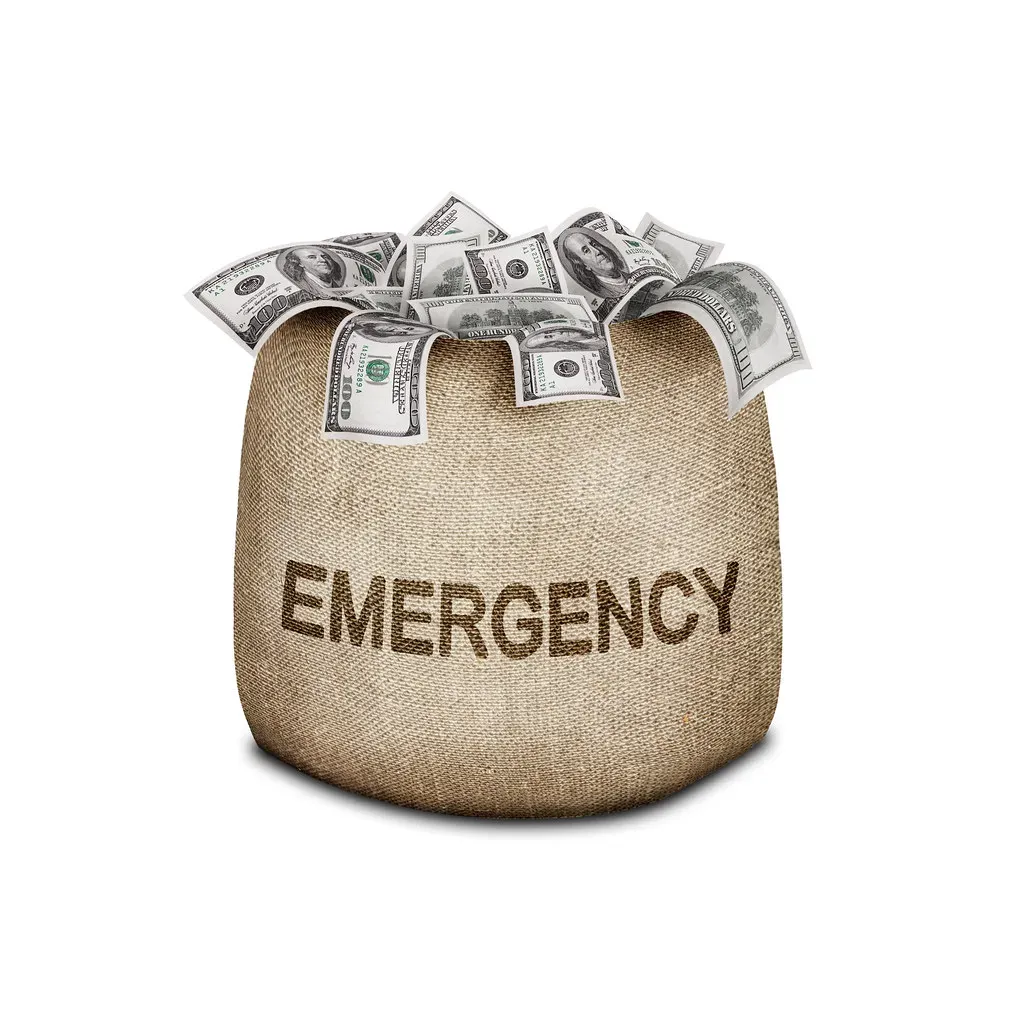
They treat an emergency fund as the real starting point (401(K) 2013, Flickr, <a href="https://creativecommons.org/licenses/by-sa/2.0/" target="_blank" rel="noopener">CC BY-SA 2.0</a>)
Before chasing bigger financial goals, consistent savers tend to prioritize a cushion for the unexpected. This matters more than it might sound, given how many people currently don't have one. Credible's 2025 survey found that 1 in 5 Americans report they couldn't cover a $500 emergency expense today.
That gap is even sharper among younger adults, with 29% of Generation Z saying they couldn't afford an unexpected expense. Savers who've built a habit of setting money aside consistently often point to this fund as the thing that keeps a single bad month from turning into months of financial stress or new debt.
They use high-yield savings accounts to stay motivated

They use high-yield savings accounts to stay motivated (Image Credits: Unsplash)
Watching a balance grow, even slowly, seems to reinforce the habit rather than undermine it. According to Forbright Bank's research, about nine in 10 respondents said opening a high yield savings account made them feel proud of their money management. That emotional payoff appears to matter as much as the actual interest earned.
It also seems to build confidence more broadly. The same survey found that 61% of Growth Savings customers say they manage their money very or extremely well, compared to just 13% of Americans who feel very good about their finances in nationwide data. The account itself becomes a kind of feedback loop, making the whole budget feel less abstract.
They rely on budgeting apps to catch problems early
They rely on budgeting apps to catch problems early (Image Credits: Pexels)
Digital tools have changed how people notice trouble before it grows into a real setback. Rather than reviewing finances once a month or once a year, many savers now check in more often through apps that flag unusual spending. As one analysis of American saving habits put it, digital tools have transformed the way Americans manage their finances, with budgeting apps, automated savings systems, and online investment platforms making it easier to track spending and set financial goals.
The real value isn't the tracking itself but the speed of the feedback. Real-time insights let individuals make adjustments quickly, helping them stay on track with their savings plans. A budget that gets reviewed weekly is much easier to correct than one that only gets examined after the damage is already done.
They set specific goals rather than vague ones

They set specific goals rather than vague ones (investmentzen, Flickr, <a href="https://creativecommons.org/licenses/by/2.0/" target="_blank" rel="noopener">CC BY 2.0</a>)
"Save more" tends to fizzle out as a plan. What seems to actually stick is naming a specific reason for the money. Forbright's survey found that the most common reasons for saving included retirement (91%), home improvement projects (76%), vacations (74%), a new home (71%), and college education (62%).
Having a concrete target changes how a budget feels day to day. It's easier to skip a purchase when there's a specific vacation or down payment attached to that decision, rather than an abstract idea of financial responsibility. Savers with clear goals also tend to report feeling calmer about setbacks, since a missed week doesn't threaten the entire plan.
They accept that discipline matters more than income

They accept that discipline matters more than income (Image Credits: Pexels)
A common assumption is that budgeting gets easier once someone earns more. Long-term savers tend to push back on that idea, at least based on what they report about their own habits. Empower's 2025 research found that people say discipline and consistency (32%) are the most important factors for building wealth, followed by living within your means (28%) and sticking to a financial plan (26%).
Interestingly, younger generations have been showing this in practice, not just in survey answers. Empower found that Gen Z grew their wealth in percentage terms more than any other generation in 2025 across both 401(k) savings (+14%) and overall net worth (+3%), with Millennials following closely behind. Income helps, certainly, but the habits driving these gains seem to be about behavior more than paycheck size.
They adjust the budget instead of abandoning it

They adjust the budget instead of abandoning it (Image Credits: Unsplash)
Perhaps the most understated skill among long-term savers is flexibility. Rather than treating a budget as a fixed rulebook, they treat it as something that shifts with rising costs or changing priorities. This matters given how uneven the financial picture looks nationally right now, since three in four adults reported being more careful with their money than they used to be, but only 43% said they feel financially secure.
Location and living costs play a real role here too. Savings habits are not uniform across the country, since geographic location plays a major role in determining how much individuals can realistically save, with urban areas facing greater challenges than lower-cost regions. Savers who've stuck with the process long-term tend to revisit their numbers every few months rather than setting a budget once and hoping it holds forever.
The takeaway

The takeaway (Image Credits: Pixabay)
None of these habits are secrets, and that's really the point worth sitting with. The people who keep their budgets feeling manageable aren't relying on a single trick or a windfall. They're layering small, repeatable choices, automated transfers, home-cooked meals, a trimmed subscription list, a clear goal, and letting those choices do the quiet work over months and years. It's less about discipline in the dramatic sense and more about designing a system that doesn't require willpower every single day.