
Bankruptcy has a reputation for being a financial dead end, but the people who have actually gone through it tend to describe something different: a hard reset that, with the right moves, becomes a starting point rather than a life sentence. Talk to enough people who filed Chapter 7 or Chapter 13 in the past few years, and a pattern shows up. The first year is rough, the second year feels like progress, and by year three or four, many are back to borrowing on reasonable terms.
What follows draws on how credit actually recovers after a filing, based on current bureau data, consumer finance research, and the tools people commonly use to climb back. There’s no single script everyone follows, but there are consistent strategies that show up again and again in how real recoveries happen.
Understanding what actually happens to a credit score at filing

Understanding what actually happens to a credit score at filing (Image Credits: Unsplash)
The initial hit is often the most shocking part of the entire process. A good credit score of 700 or higher likely will drop 200-240 points, while a score below 700 will drop between 130 and 150 points. That means almost anyone who files for bankruptcy will wind up with a credit score below 600, regardless of where they started.
It sounds brutal, and in the moment, it is. But there’s a detail people who’ve been through it often point to: the size of the drop is somewhat tied to how much better their credit was before filing, which means the pain is proportional to what they had, not a flat punishment. Understanding that helps explain why someone with excellent credit before bankruptcy can still land in a similar post-filing range as someone who was already struggling.
Knowing exactly how long the record sticks around

Knowing exactly how long the record sticks around (Image Credits: Unsplash)
Chapter 7, 11 and 12 bankruptcies can stay on your credit report for up to 10 years from the date the bankruptcy was filed, while a Chapter 13 bankruptcy will fall off your report seven years after the filing date. That distinction matters because Chapter 13 involves a repayment plan, while Chapter 7 involves a more complete liquidation and discharge of debt.
One detail trips a lot of filers up: the clock starts from the date you file, not the date your bankruptcy is discharged or completed, which is a common point of confusion since credit reporting timelines are always based on when the case was first filed with the court. People who track this closely say it changes their whole approach, because they can calculate an actual removal date early on rather than guessing.
Recognizing that the impact fades well before the record disappears

Recognizing that the impact fades well before the record disappears (Image Credits: Unsplash)
This is probably the single most reassuring fact for anyone newly discharged. The bankruptcy itself has the heaviest impact in the first 2 years, and after that, its influence on your score gradually decreases even while it remains on your report. In other words, the bankruptcy doesn’t have to fall off the report entirely before someone starts qualifying for better rates and products.
People who’ve rebuilt successfully describe a rough timeline that lines up with the data: most people see their score start recovering within 1 to 2 years after the discharge, especially if they’re actively rebuilding, and by years 3 to 5, many people have scores back in the “fair” or even “good” range. That’s a meaningfully faster recovery than the full seven-to-ten-year reporting window suggests.
Starting over with a secured credit card

Starting over with a secured credit card (Image Credits: Pixabay)
Almost every account of post-bankruptcy recovery mentions this step first. One way to rebuild your credit is to get a secured credit card, which many credit card issuers offer, and which requires you to put down a security deposit as collateral that establishes your credit limit, typically equal to the deposit amount. It’s a low-risk product for the lender, which is exactly why it’s accessible to people with damaged credit.
The mechanics matter here too. Applying for secured credit cards can help you make a quicker comeback from bankruptcy as they are more accessible to those with a low or no credit score and have requirements that encourage positive credit habits. People who’ve used them successfully tend to repeat the same advice: keep the balance low, pay it off in full, and don’t treat the deposit as spare spending money.
Choosing a card that reports and doesn't punish with fees

Choosing a card that reports and doesn't punish with fees (Image Credits: Unsplash)
Not every secured or subprime card is worth the trouble, and people who’ve navigated this stage carefully tend to be picky. Good options generally have low or no fees, low interest rates, no cash advances, report to all three credit bureaus, and often include free credit score access so users can track progress. Skipping the bureau-reporting check is a common early mistake, because a card that doesn’t report to at least one major bureau does nothing for a credit file no matter how responsibly it’s used.
Some cards specifically aimed at this stage skip the credit check altogether. Certain secured cards don’t require a credit check, so a person’s credit score doesn’t matter for approval, though a refundable deposit of at least 200 dollars is required to open the account and there’s typically an annual fee. That tradeoff, a modest fee in exchange for guaranteed approval, is one many post-bankruptcy filers accept without much hesitation.
Adding a credit-builder loan into the mix
Adding a credit-builder loan into the mix (This image was released by the United States Navy with the ID 080918-N-0659H-001 (next).
This tag does not indicate the copyright status of the attached work. A normal copyright tag is still required. See Commons:Licensing.
العربية ∙ বাংলা ∙
Bahasa Indonesia ∙
Bahaso Jambi ∙
Deutsch ∙ Deutsch (Sie-Form) ∙ English ∙ español ∙ euskara ∙ فارسی ∙ français ∙ italiano ∙ 日本語 ∙ 한국어 ∙ македонски ∙ മലയാളം ∙ Plattdüütsch ∙ Nederlands ∙ polski ∙ پښتو ∙ português ∙ русский ∙ slovenščina ∙ svenska ∙ Türkçe ∙ українська ∙ 简体中文 ∙ 繁體中文 ∙ +/−, <a href="https://commons.wikimedia.org/w/index.php?curid=8221502" target="_blank" rel="noopener">Public domain</a>)
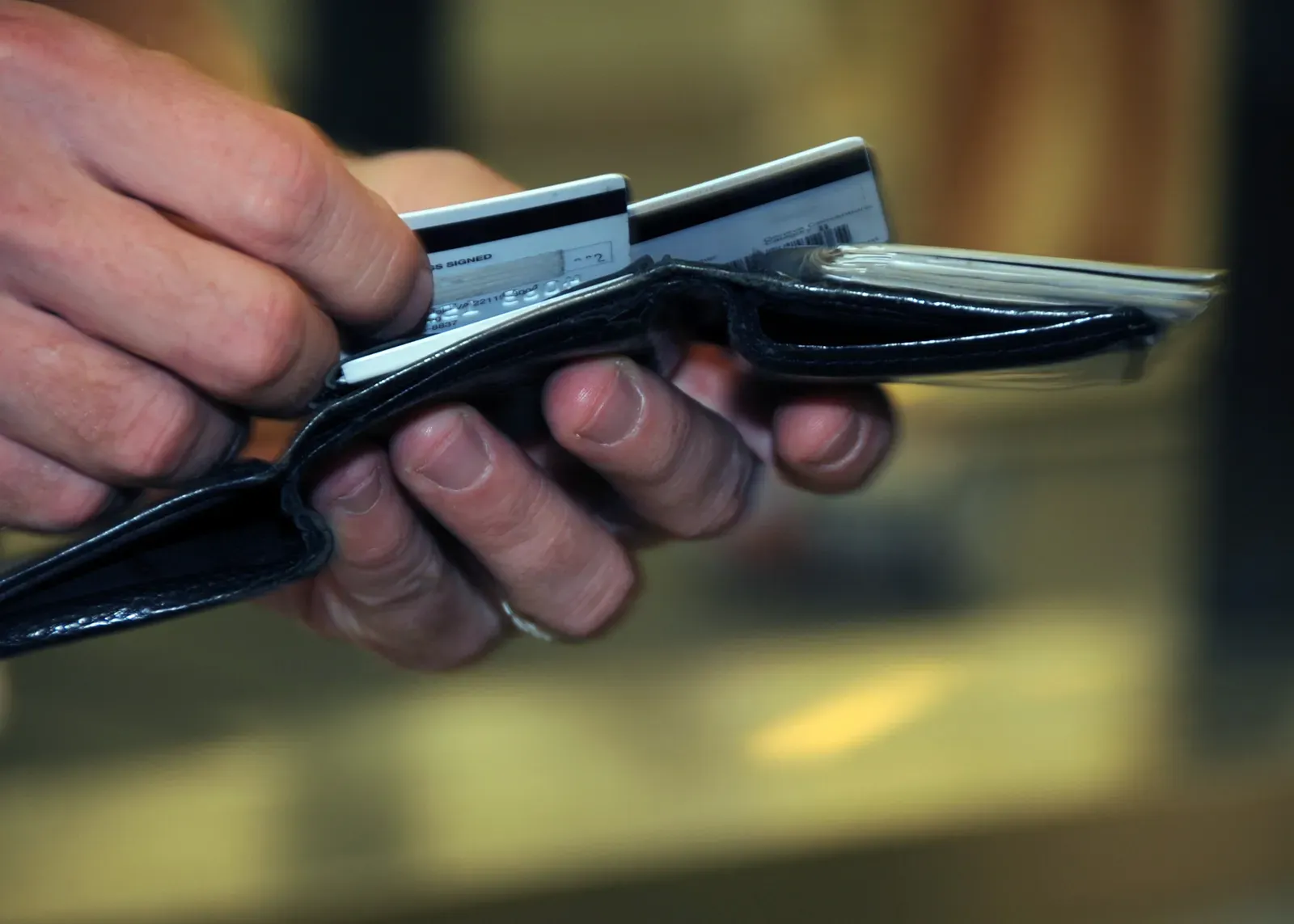
Credit cards aren’t the only tool people lean on. A credit-builder loan works differently: the funds are set aside in a locked savings account, monthly payments get reported to the bureaus, and the balance is turned over once the loan is paid off. It’s a slower burn than a credit card, but it adds a different type of account to the file, which credit scoring models generally reward.
People who’ve combined both tools, a secured card and a credit-builder loan, often describe faster movement than those relying on just one. Credit unions offer credit builder loans that can rebuild credit rating over the course of a year or two, and after 12 to 18 months after bankruptcy, many people see their credit score start to improve. The combination diversifies the credit mix, which is one of the categories credit scoring formulas actually weigh.
Leaning on someone else's good credit as an authorized user

Leaning on someone else's good credit as an authorized user (Image Credits: Pexels)
This strategy shows up constantly in personal accounts of recovery, mostly because it’s free and doesn’t require approval on its own merits. Another way to rebuild credit after a personal bankruptcy is to become an authorized user on someone else’s credit card, where the primary cardholder adds the person to their account. The authorized user typically inherits the account’s positive payment history on their own credit report, sometimes immediately.
It only works, though, if the primary cardholder actually pays on time and keeps balances low, since a struggling account can just as easily drag someone down. People who’ve used this route successfully usually pick a family member with a long, clean credit history rather than someone newer to credit themselves. It’s a shortcut, not a substitute for building independent credit, but it can buy time while other accounts season.
Checking credit reports regularly for errors
Checking credit reports regularly for errors (cafecredit, Flickr, <a href="https://creativecommons.org/licenses/by/2.0/" target="_blank" rel="noopener">CC BY 2.0</a>)
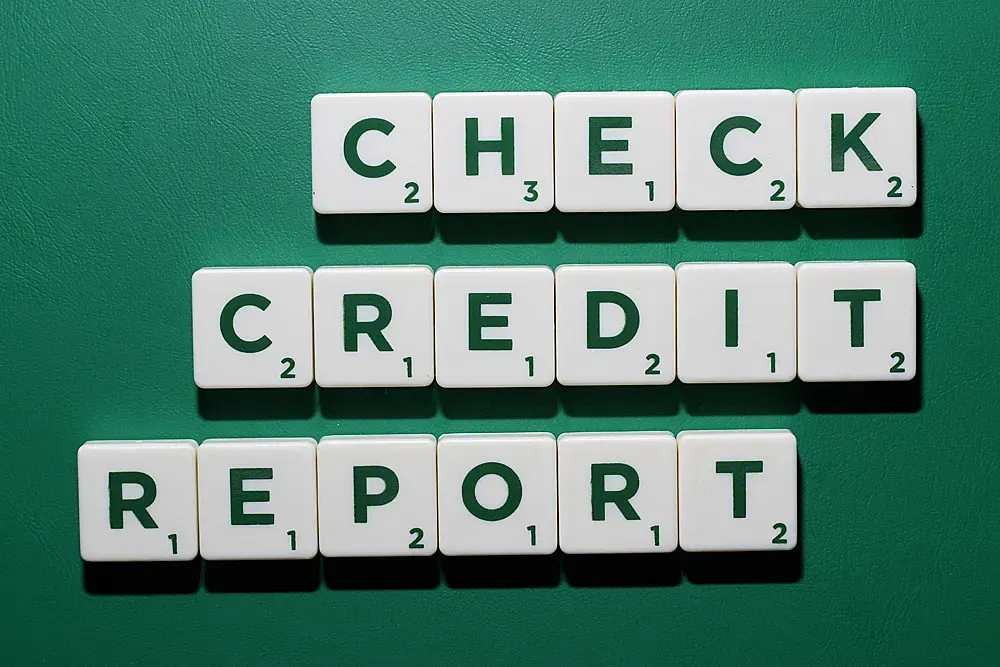
A surprising number of people who recover quickly mention catching a mistake on their report early on. Regularly checking credit reports and scores helps track progress and spot errors, and free credit reports are available from each major credit bureau through AnnualCreditReport.com. Bankruptcy filings sometimes get reported inconsistently across accounts, especially when multiple creditors were included in the same case.
If something looks wrong, there’s a formal path to fix it. Filing a dispute with the three major credit reporting bureaus is possible if incorrect information related to bankruptcy shows up on a credit report. People who’ve gone through this describe it as tedious but worthwhile, since an error left uncorrected can drag down a score for years without the person ever realizing why.
Paying every bill on time, without exception

Paying every bill on time, without exception (Image Credits: Pexels)
This is the least glamorous piece of advice and also the most repeated one. There is no set timeline for how quickly credit rebuilds after filing for bankruptcy, but maintaining healthy credit habits is the best way to see improvement, with on-time and full payments being one of the most important factors, along with keeping credit utilization low. Payment history carries more weight in most scoring models than almost anything else, which is why people who recover fastest tend to obsess over due dates in the first year or two.
It sounds almost too simple to matter, yet it’s the detail that separates people who bounce back in two or three years from those still stuck at five. Setting up autopay for even the smallest secured card bill removes the risk of a single missed payment undoing months of progress. Consistency, more than any clever product or hack, is what actually rebuilds trust with lenders.
Being patient with the timeline instead of chasing shortcuts

Being patient with the timeline instead of chasing shortcuts (Image Credits: Pexels)
People who’ve been through bankruptcy and come out the other side tend to warn against expecting a quick fix. A credit score after bankruptcy is not fixed and can improve as a stronger credit history builds, though rebuilding takes time and follows a general pattern most people go through. That pattern rarely moves in a straight line, and setbacks like a late payment or a rejected application are common along the way.
Recovery speed also varies more than people expect going in. Not everyone rebuilds credit at the same pace after filing bankruptcy, and two people can file around the same time and still see very different results over the next year or two. Job stability, how quickly someone opens new accounts, and simple luck with which lenders approve them all play a role that’s hard to predict in advance.
Getting a mortgage or auto loan again
Getting a mortgage or auto loan again (Image Credits: Pexels)
Perhaps the biggest question hanging over anyone rebuilding is whether they’ll ever qualify for major financing again. When applying for new credit, creditors and other organizations may review credit reports and consider the bankruptcy filing, so it can be harder to qualify for new credit accounts with favorable terms. That’s especially true in the first couple of years, when the filing is freshest and the score hasn’t had time to recover much.
Still, it’s not a permanent barrier. Government-backed mortgage programs in particular are known for allowing borrowers back in within a relatively short window after discharge, often between one and two years for Chapter 13 and two to four years for Chapter 7, depending on the loan type and lender. People who’ve bought homes or financed cars after bankruptcy generally describe higher rates and stricter documentation requirements at first, easing as their post-bankruptcy history lengthens and their score climbs.