
A first date is basically a live audition where both people are grading each other on details they'll never say out loud. Most of the mistakes that sink a date aren't dramatic. They're small, repeated habits that quietly signal disinterest or self-absorption, and they add up fast in someone's mind by the time the check arrives.
1. Checking your phone throughout the meal
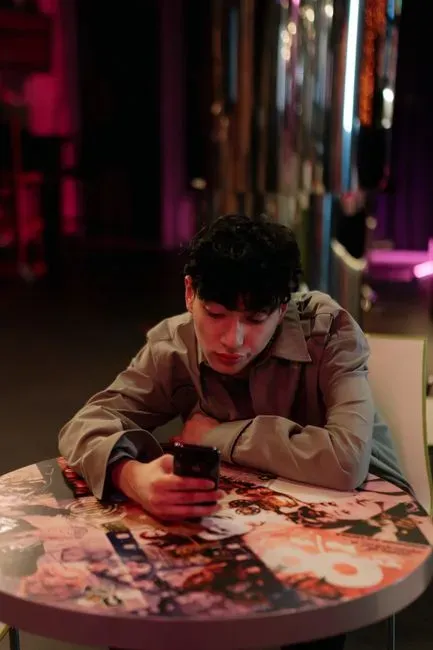
1. Checking your phone throughout the meal (Image Credits: Pexels)
Glancing at a screen every few minutes sends a clear message, even if it’s not the one you mean to send. It tells your date that whatever is happening outside the restaurant matters more than the conversation happening across the table. Restaurant staff and dating coaches alike have long pointed to phone use as one of the fastest ways to derail a first impression.
The habit doesn’t need to be constant to register as rude. Even a single unexplained check during an emotional or vulnerable moment can shift how the whole evening is remembered. Putting the phone away, or at least face down and silenced, removes the temptation entirely and keeps attention where it belongs.
2. Talking almost exclusively about yourself

2. Talking almost exclusively about yourself (Image Credits: Pexels)
A first date is supposed to be an exchange, not a monologue with a captive audience. When one person dominates the conversation with stories about their job, their exes, or their achievements, the other person often leaves feeling more like a spectator than a participant. Communication researchers have consistently found that balanced turn-taking in conversation is linked to higher perceived likability.
This doesn’t mean either person should stay silent either. It means noticing when the ratio tips too far and asking a genuine follow-up question instead of steering the topic back to yourself. Curiosity about the other person tends to read as confidence, not weakness.
3. Being rude to waitstaff or service workers

3. Being rude to waitstaff or service workers (Image Credits: Unsplash)
How someone treats a server, bartender, or valet often reveals more than an hour of polished conversation ever could. Snapping at staff, being dismissive, or treating service workers as invisible is a red flag that many daters take seriously, and surveys on dating behavior have repeatedly shown it as a dealbreaker for a large share of singles. It’s not about being performative or overly nice; it’s about basic consistency in how a person treats people who can’t offer anything in return.
This behavior is memorable precisely because it’s unfiltered. A date might forgive an awkward joke or a nervous pause, but rudeness toward someone in a service role tends to stick, because it hints at how a person behaves when they think no one important is watching.
4. Bringing up an ex too much

4. Bringing up an ex too much (Image Credits: Pexels)
A little context about past relationships is normal and even healthy. Turning the date into a recap of a breakup, though, puts the new person in the strange position of competing with a memory instead of getting to know someone new. Dating experts frequently note that unresolved talk about an ex is one of the clearest signs that someone isn’t emotionally ready for a new connection.
It also shifts the emotional tone of the date from curious and light to heavy and complicated, often without the other person asking for that. A first date works best when it stays focused on the two people actually sitting there, not the ghosts of relationships past.
5. Showing up significantly late without communicating

5. Showing up significantly late without communicating (Image Credits: Pexels)
Lateness happens, and most people are understanding about traffic or a late meeting. What tends to leave a worse impression is showing up late without a heads up text, leaving the other person sitting alone wondering if they’ve been stood up. Small courtesies like a quick message go a long way toward setting a respectful tone before the date even begins.
Chronic lateness without acknowledgment can also read as a lack of consideration for the other person’s time. A short apology and an explanation, even a simple one, tends to smooth things over far more than silence ever does.
6. Oversharing too much, too soon

6. Oversharing too much, too soon (Image Credits: Pexels)
There’s a difference between being open and unloading years of personal history in the first thirty minutes. Detailed accounts of past trauma, family conflict, or financial struggles can feel overwhelming when they arrive before any real trust has been built. Psychologists who study early relationship dynamics often point out that pacing vulnerability matters just as much as being honest.
Oversharing early can unintentionally put pressure on the other person to respond with equal depth, which isn’t always fair this early in getting to know someone. Save the heavier stories for when there’s more context and comfort between two people.
7. Failing to ask any questions about them

7. Failing to ask any questions about them (Image Credits: Pexels)
Answering questions is easy. Asking them back is what actually builds connection. A date who never asks anything in return can come across as either uninterested or simply not thinking about the other person’s experience of the evening.
This one is often unintentional rather than malicious, which is part of why it’s so common. Still, its effect is the same: the other person leaves feeling like they were interviewed rather than gotten to know, and that’s rarely a feeling anyone wants to repeat on a second date.
None of these behaviors are unforgivable on their own, and everyone slips up occasionally out of nerves. What tends to matter most is pattern rather than a single mistake, since one awkward moment is forgettable while a string of them tells a more consistent story. Paying attention to these small habits doesn’t require a personality overhaul, just a bit more awareness of how the evening feels from the other side of the table.