
A decade plus behind the host stand, on the floor, and running tables teaches you patterns fast. Servers develop a kind of radar within the first thirty seconds of greeting a table, long before anyone orders a drink or complains about the bread basket. Some of it comes down to tone, some to timing, and some to tiny habits that repeat themselves table after table, year after year.
None of these signs guarantee a rough night, but after enough shifts, the patterns become impossible to ignore. Here are eight habits that, according to years of restaurant experience, tend to precede a difficult table.
Snapping fingers or waving aggressively to get attention
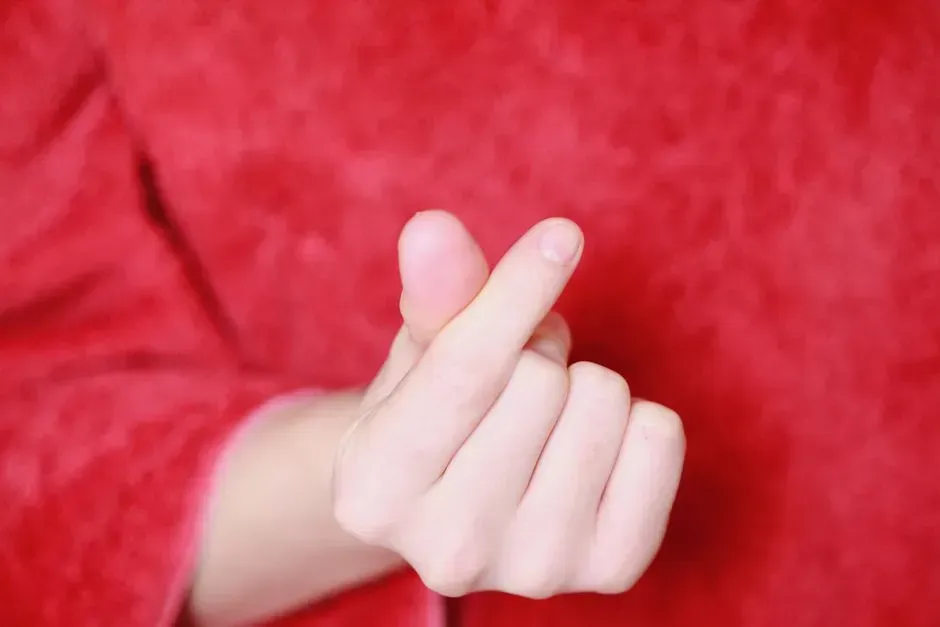
Snapping fingers or waving aggressively to get attention (Image Credits: Pexels)
There’s a difference between catching a server’s eye and snapping fingers across the room like they’re a dog being called to heel. The second version tends to set an adversarial tone before a single word is exchanged. Servers usually notice this within seconds and mentally brace for a table that will treat every interaction as a transaction rather than a conversation.
This habit often correlates with guests who view service as something owed rather than something delivered by another person doing their job. It’s not about needing help quickly, most servers appreciate a quick wave or a polite “excuse me.” It’s the tone underneath the gesture that gives it away.
Ordering off-menu modifications before even opening the menu
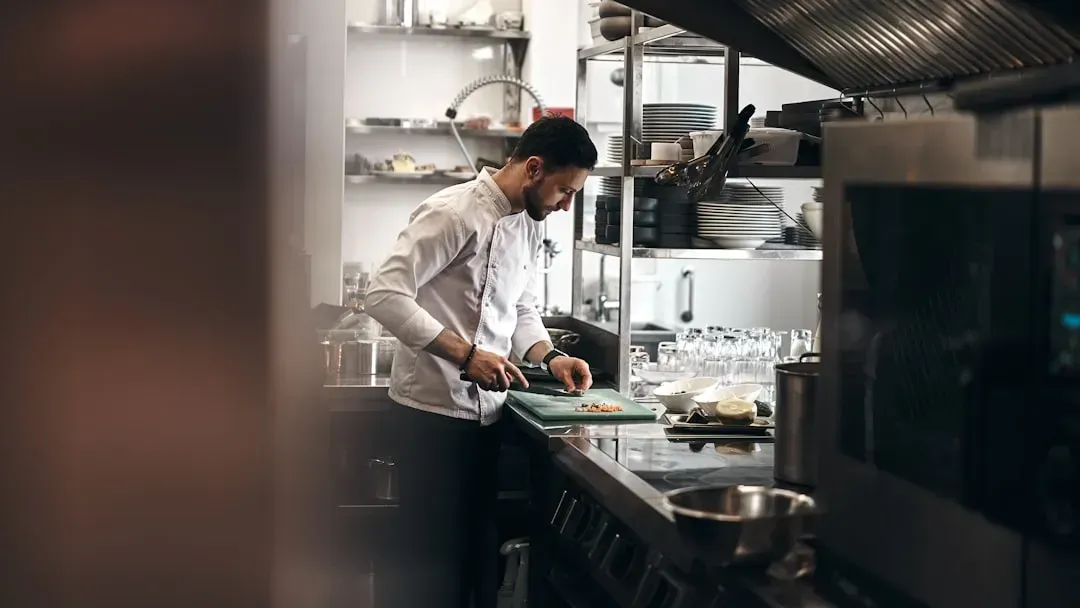
Ordering off-menu modifications before even opening the menu (Image Credits: Unsplash)
There’s nothing wrong with dietary restrictions or genuine preferences. The red flag is the guest who starts rattling off substitutions before the menu has even been glanced at, as if the kitchen exists to build a custom meal from scratch. This often signals someone who sees the restaurant’s actual offerings as a mere suggestion.
Kitchens run on rhythm and prep work, and heavy modifications disrupt that flow more than most diners realize. A server who sees rapid-fire changes demanded upfront, without any acknowledgment of what’s actually on the menu, tends to expect a longer, more complicated night at that table.
Talking on the phone through most of the interaction
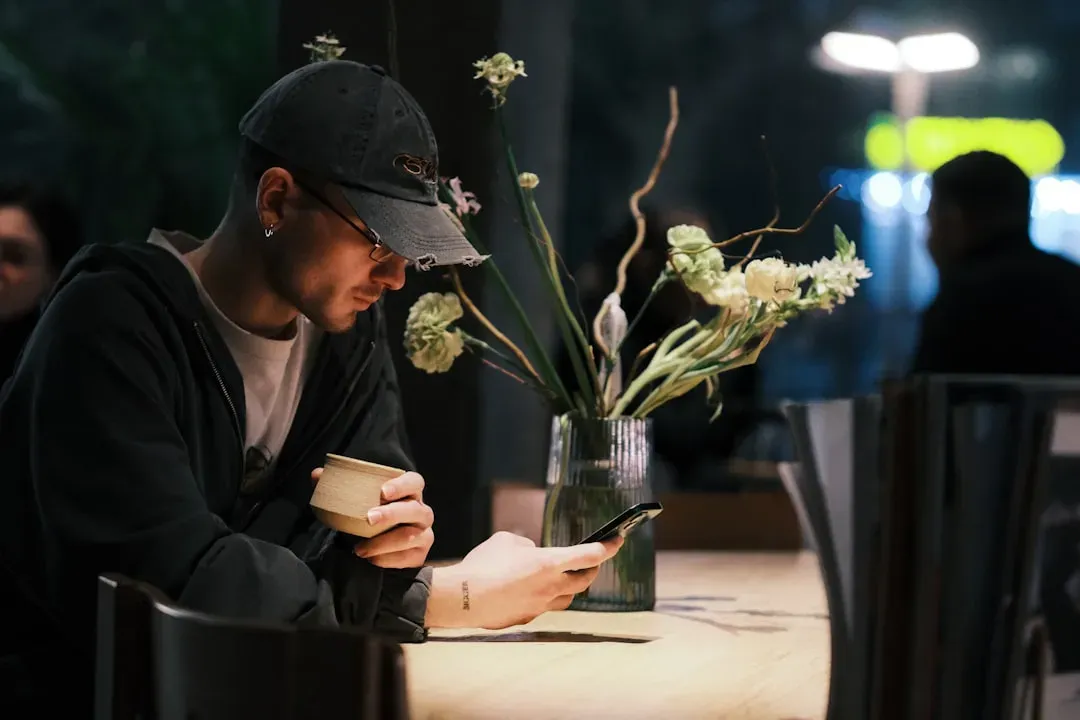
Talking on the phone through most of the interaction (Image Credits: Unsplash)
Phone calls happen, life doesn’t pause for dinner. But guests who keep talking loudly on a call while a server is standing there waiting to take an order, refill water, or explain a special, are sending a clear signal about whose time matters more in that moment. It often extends beyond the phone itself into how they treat the rest of the visit.
This habit tends to pair with impatience later in the meal. If a guest can’t pause a call for fifteen seconds to make eye contact, they’re often the same guest who gets irritated when a dish takes an extra five minutes during a rush.
Asking for the manager before the meal has even started

Asking for the manager before the meal has even started (Image Credits: Pexels)
Reasonable table requests, seating preferences, questions about wait times, that’s just part of the job. Immediately asking for the manager the moment something isn’t perfectly to their liking, often before food has even arrived, tends to signal someone looking to escalate rather than resolve. It’s a habit that experienced staff learn to recognize quickly because it rarely stays isolated to one small issue.
Managers who’ve worked the floor themselves often say the same thing servers do quietly among each other: guests who go straight to escalation, skipping any attempt to work it out with their server first, tend to keep escalating throughout the meal.
Sending food back over minor, easily fixable details
Sending food back over minor, easily fixable details (Image Credits: Unsplash)
Genuine mistakes, wrong temperature, missing ingredient, an allergy overlooked, absolutely deserve a fix without complaint. The pattern that raises eyebrows is sending a dish back repeatedly over subjective, minor preferences that shift each time it comes out. It suggests less concern about the food itself and more about establishing control over the table.
Restaurants that track comps and remakes internally often notice these patterns repeat across visits for certain regulars. A dish sent back once is normal. A dish sent back three times for three different reasons, none of which were mentioned at ordering, is its own kind of signal.
Commenting on the bill before the meal even ends
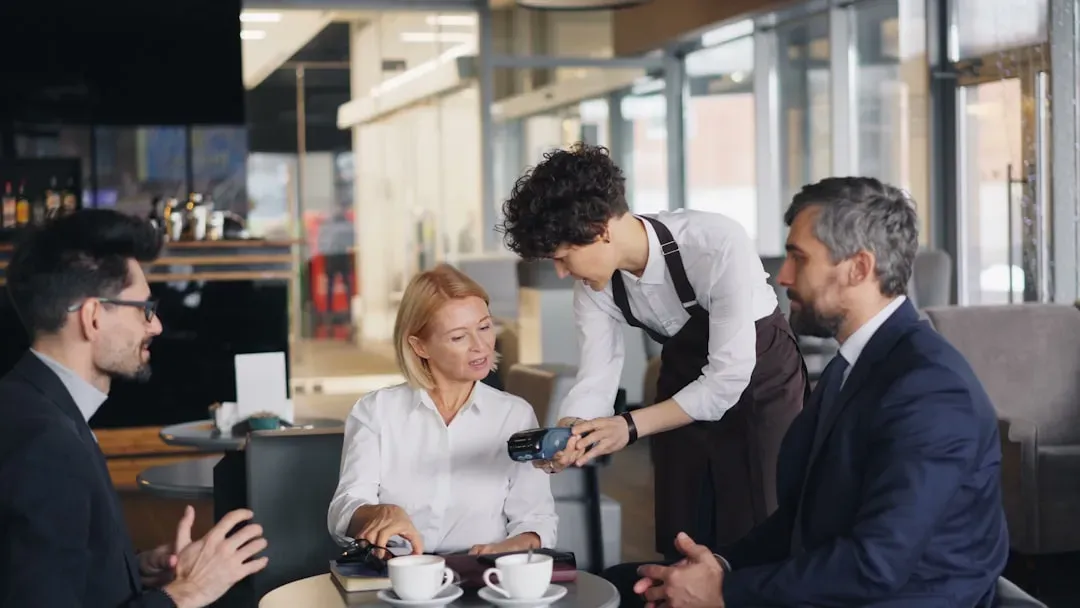
Commenting on the bill before the meal even ends (Image Credits: Unsplash)
Guests who start doing math out loud, questioning prices, or making comments about the cost of items partway through the meal, rather than waiting until the check arrives, tend to be building toward a negotiation. It’s a subtle habit but a consistent one across years of service. It often foreshadows a longer conversation about the bill later, sometimes involving requests for discounts unrelated to any actual issue with the meal.
This differs entirely from guests who ask about pricing out of genuine curiosity or budget awareness, which is completely normal and welcomed. The tell is the tone, calculating rather than curious, and the timing, well before the check has even been requested.
Being notably kinder to the manager than to the server
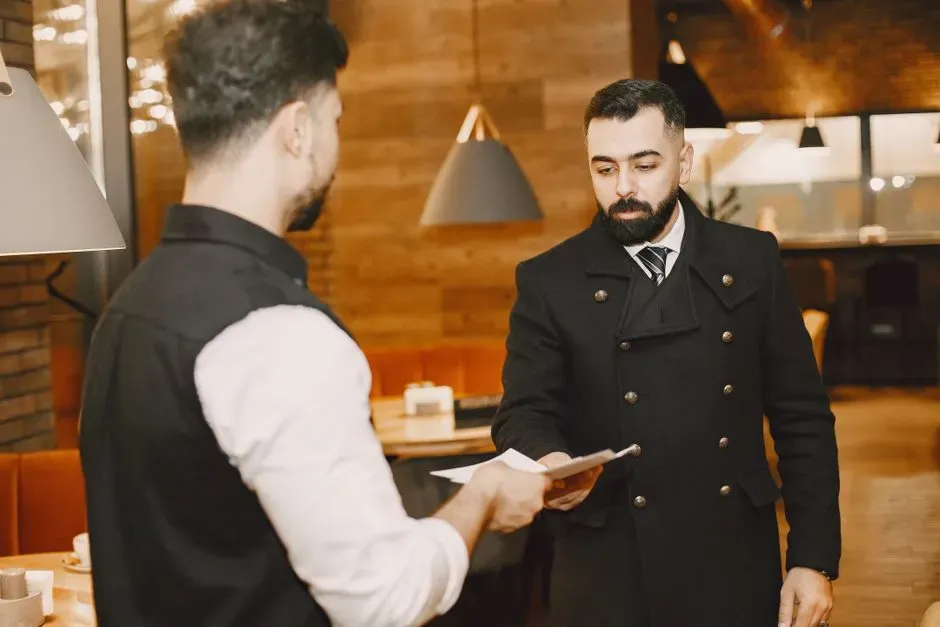
Being notably kinder to the manager than to the server (Image Credits: Pexels)
This one shows up constantly and it’s almost a running joke among service staff: a guest who is short, dismissive, or cold with their server but flips into warmth and charm the second a manager appears at the table. It reveals a habit of treating service staff differently based on perceived authority rather than treating everyone consistently. Servers notice this shift immediately, and it rarely reflects well on how that guest will be remembered.
Restaurant industry surveys on customer behavior consistently point to inconsistent treatment of staff as one of the clearest predictors of a complaint-heavy visit. The switch in demeanor itself becomes the tell, more than anything said in either conversation.
Refusing to make eye contact when speaking
Refusing to make eye contact when speaking (Image Credits: Unsplash)
Ordering while staring at a phone, looking past the server, or addressing the table rather than the person actually taking the order might seem like a small thing. Over enough repetitions, though, it becomes a reliable indicator of a guest who doesn’t view the interaction as a two-way exchange. It’s less about rudeness in any single moment and more about a pattern of dismissiveness that tends to continue through the whole visit.
Servers often say this habit predicts smaller issues throughout the meal, delayed acknowledgments, ignored questions about how the food is, requests repeated because the first attempt wasn’t actually heard. Eye contact, or the lack of it, ends up saying more than most conversations at the table.