
Twelve years is a long time. Long enough to watch someone sleep through thunderstorms, learn every single one of their coffee preferences, and still occasionally have no idea what they’re actually thinking. Long-term relationships are strange and layered things, and the longer you’re in one, the more the myths start peeling away.
What’s left underneath isn’t always comfortable. Sometimes it’s deeply reassuring. Often, it’s both. Research has quietly been catching up to what couples who’ve been together for a decade or more have already figured out on their own. These are the nine truths that tend to surface when you’ve been paying honest attention.
Satisfaction Doesn't Always Decline – But It Does Shift
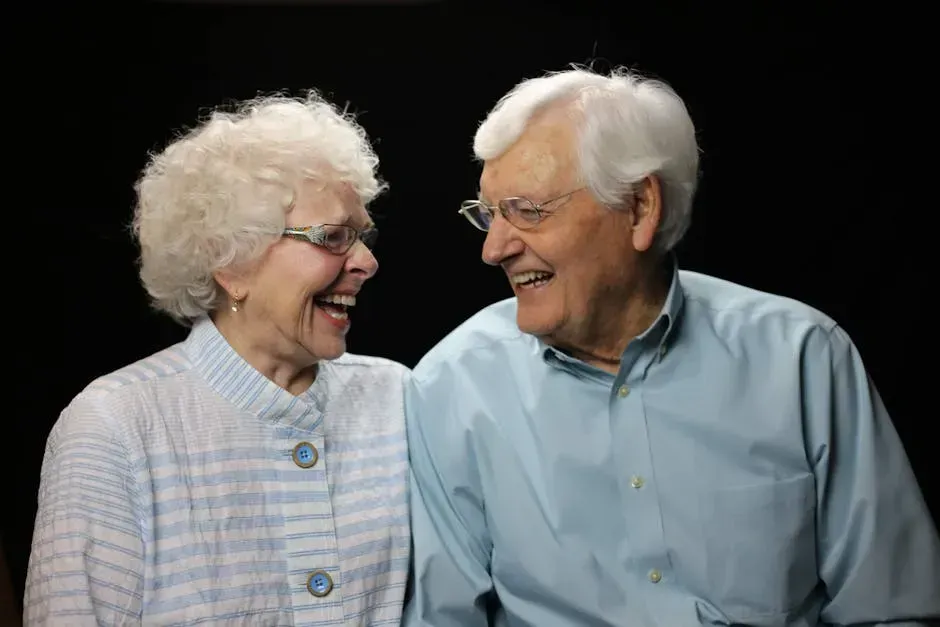
Satisfaction Doesn't Always Decline – But It Does Shift (Image Credits: Pexels)
There’s a popular idea that all long-term relationships gradually fade in satisfaction over time, like a slow leak. The science tells a more nuanced story. Growing evidence challenges the longstanding assumption of a universal decline in relationship satisfaction for all couples, demonstrating real variability in how satisfaction actually changes.
Current practical advances support that marital satisfaction does not decline over time for most couples but remains relatively stable for extended periods. What does shift, though, is what satisfaction actually feels like. The giddy novelty of early love gives way to something quieter and more textured. That’s not a loss. It’s just a different form.
Communication Quality Determines the Trajectory More Than Anything Else

Communication Quality Determines the Trajectory More Than Anything Else (Image Credits: Pixabay)
It’s not how often couples talk. It’s how they talk when things get hard. Two groups of couples who both started with high relationship satisfaction showed remarkably different patterns over time. The couples that managed to communicate with less negativity when dealing with stress appeared better protected from deterioration of their relationship.
Research affirms that communication is a crucial element in marriage and that communication skills are a primary predictor of marital satisfaction. It’s one of those things that seems obvious until you’re mid-argument at 11pm about something that has nothing to do with the original issue. Knowing how to pause, reset, and actually listen is a real skill, not just a personality trait.
Gratitude Is a Structural Support, Not Just a Nice Feeling

Gratitude Is a Structural Support, Not Just a Nice Feeling (Image Credits: Pexels)
Expressing appreciation for your partner might sound like soft advice, but the data behind it is genuinely striking. Research suggests that gratitude from one’s partner may be a powerful tool for couples, increasing relationship satisfaction and commitment while protecting couples from the corrosive effects of ineffective arguing and financial stress. Individuals who feel appreciated by their partners have better-functioning relationships that are more resilient to internal and external stressors.
Appreciation enhances relationship quality, and gratitude creates upward spirals of relationship health. The operative word there is “spirals.” Gratitude compounds over time. A relationship where both people regularly feel seen and valued builds a kind of cushion that absorbs a lot of ordinary friction. One where they don’t can feel tense even during good stretches.
Shared Values Matter Far More Than Shared Interests

Shared Values Matter Far More Than Shared Interests (Image Credits: Unsplash)
You don’t need to love the same music or the same movies. You do need to agree on what actually matters. Similarity in shared values and goals is the best predictor of long-term compatibility and less conflict. That’s a meaningful distinction from surface-level compatibility, which tends to get a lot more airtime in conversations about attraction.
Research shows significant positive relationships between marital satisfaction and shared values, and between marital satisfaction and emotional intimacy. Together, both shared values and emotional intimacy significantly predicted marital satisfaction, accounting for more than half of the variance in the outcome. Couples who drift apart in their values often don’t notice it happening until the gap becomes a real source of friction. It tends to be a slow process, not a sudden rupture.
The Honeymoon Phase Is Real – and Temporary by Design

The Honeymoon Phase Is Real – and Temporary by Design (Image Credits: Unsplash)
The initial high of a new relationship is well-documented, and it isn’t just romantic folklore. The early “honeymoon” phase of relationships is characterized by fewer relationship conflicts, more novel activities as a couple, and opportunities for self-expansion. It makes the beginning feel almost effortless, which is part of why the transition out of it can feel jarring if you’re not expecting it.
Meta-analytic research provides evidence that well-being increases leading up to marriage but returns to pre-marital levels shortly following marriage and subsequently maintains pre-marital levels over time. That return to baseline isn’t failure. It’s just what happens when a relationship becomes your actual life rather than an exciting departure from it. The couples who handle this transition well tend to build new sources of meaning together rather than chasing what the early days felt like.
Savoring Happy Moments Together Strengthens the Bond Over Time

Savoring Happy Moments Together Strengthens the Bond Over Time (Image Credits: Unsplash)
Plenty of couples are good at managing problems. Fewer are good at genuinely pausing to enjoy things together. That gap turns out to be significant. Couples who savor happy moments together have stronger, longer-lasting relationships. It sounds almost too simple, and yet many long-term couples quietly drift toward a mode of managing life rather than experiencing it together.
The act of shared savoring, noticing something good and naming it out loud, reinforces the sense that the relationship itself is a source of positive experience, not just a practical arrangement. Over 12 years, those accumulated moments add up to something real. They become part of how both people remember the relationship and what they believe it to be.
Trust and Commitment Work Together – One Without the Other Is Fragile

Trust and Commitment Work Together – One Without the Other Is Fragile (Image Credits: Pixabay)
Trust and commitment are often treated as the same thing, but they function differently in a long relationship. In any long-term romantic relationship, trust and commitment are vital elements that contribute significantly to its success and satisfaction. These components create a stable and supportive environment where love can flourish.
Trust and commitment in romantic relationships are the foundations of relationship stability and mutual support. What tends to happen over time is that trust becomes more refined. You learn exactly what your partner is reliable about and where they fall short. Mature trust in a long-term relationship isn’t blind faith. It’s a realistic picture that you’ve consciously chosen to work within.
How Couples Handle Major Stressors Defines the Relationship More Than Calm Periods Do

How Couples Handle Major Stressors Defines the Relationship More Than Calm Periods Do (Image Credits: Unsplash)
Nobody’s relationship gets tested by good years. The real character of a partnership becomes visible during serious strain. Research on long-term married couples, drawing from interviews with individuals across 24 countries, found that major threats to marriage included the death or severe illness of a child, infidelity, chronic mental illness, in-law issues, and prolonged time apart.
The primary coping mechanisms that helped marriages survive were effective communication, drawing closer, persevering together, and prioritizing the relationship. Notice that none of those involve avoiding difficulty. They all involve turning toward the relationship rather than away from it when things get bad. Couples who have weathered real hardship together often describe it as the thing that most solidified their bond, however painful the experience was.
A Good Relationship Has Real Health Consequences – for Both People

A Good Relationship Has Real Health Consequences – for Both People (Image Credits: Unsplash)
The connection between relationship quality and physical health is one of the most consistent findings in the entire field. Statistics on marriage and health show that married men are healthier than unmarried or divorced men, and are also more likely to live longer. The effect extends well beyond men, though the research on male health has historically been more detailed.
Although measurements and methods vary across studies, the answer is consistently the same: relationships impact how well and how long people live. The inverse is also true. Good relationships promote health and longevity, but stressful and shattered relationships have the opposite effect. After 12 years, you’re not just sharing a life. You’re sharing a health trajectory. The quality of how two people treat each other day to day turns out to matter in ways that go much deeper than relationship satisfaction scores.