
Most people glance at a $20 bill just long enough to confirm it’s real before handing it over or tossing it in a deposit envelope. That’s completely understandable. What most people don’t realize is that one small symbol near the serial number could change what that bill is actually worth. Not slightly more. Sometimes a lot more.
These bills are called star notes, and they’re hiding in plain sight. They circulate through cash registers, wallets, and ATMs just like any other bill. The only difference is a tiny star symbol printed at the end of the serial number. That little mark has a very specific origin story, and for collectors, it can translate into real money.
What Exactly Is a Star Note?
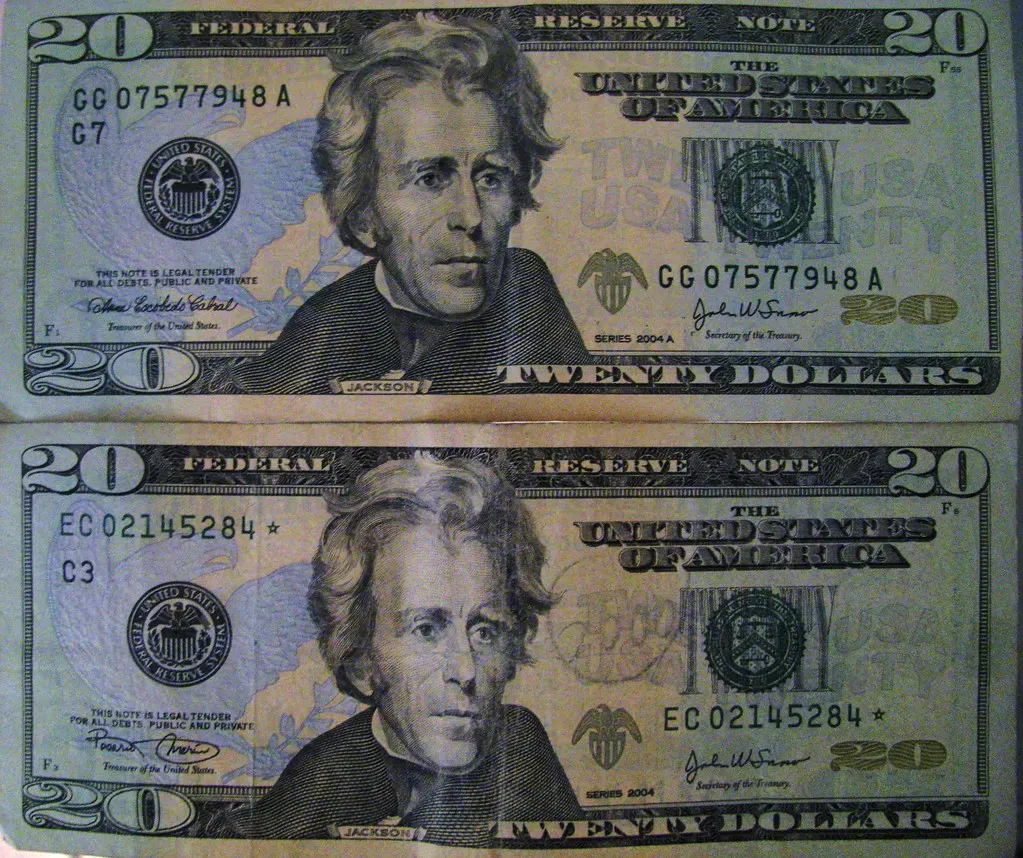
What Exactly Is a Star Note? (DBduo Photography, Flickr, <a href="https://creativecommons.org/licenses/by-sa/2.0/" target="_blank" rel="noopener">CC BY-SA 2.0</a>)
Star notes, also known as replacement notes, are U.S. banknotes that feature a star symbol in place of the letter that usually appears at the end of the serial number. Unlike other valuable variations of paper currency, the marking on a star note is not there by mistake.
The Bureau of Engraving and Printing (BEP) deliberately prints a sheet of star notes when its inspectors detect any imperfections on a sheet of bills that already made it through the manufacturing process. Instead of reprinting a sheet with the exact same serial numbers, the bureau simply prints a new sheet with a star symbol to show it’s a replacement.
Where to Find the Star on a $20 Bill
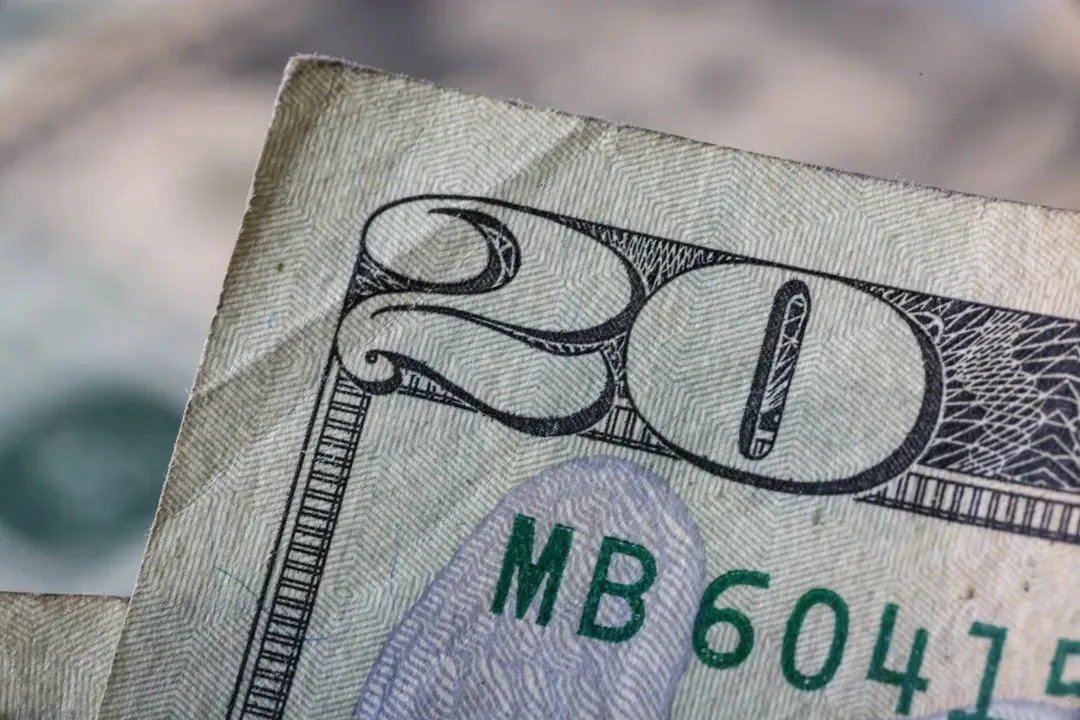
Where to Find the Star on a $20 Bill (Image Credits: Unsplash)
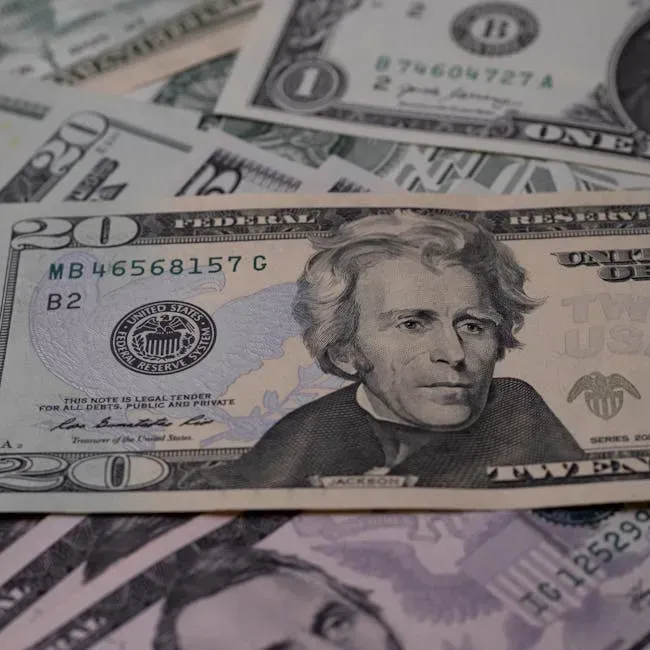
The first thing to check is the serial number. The star symbol, if it appears, is always at the end of the number. Serial numbers are always printed twice, with most combinations appearing in the upper left corner and lower right corner of the front of the bill.
Unlike standard Federal Reserve Notes, star notes feature a small star at the end of their serial numbers, marking them as unique. The star with the hollow center is actually an asterisk designed to draw attention to the note’s status as a replacement, along with a one-digit change to the serial number. Once you know what you’re looking for, it takes about three seconds to check any bill.
How Rare Are Star Notes in Everyday Circulation?
How Rare Are Star Notes in Everyday Circulation? (Image Credits: Pexels)
Replacement banknotes make up roughly about one in every 250 to 600 notes, depending on the denomination and series. That makes them uncommon, but not impossible to find if you handle cash regularly.
To put things in perspective, star notes make up roughly about one percent of all total notes in circulation. Star notes are still actively circulating and can be found in everyday transactions. The key is simply to look before you deposit.
Why Star Notes Are Produced: The Quality Control Story
Why Star Notes Are Produced: The Quality Control Story (Image Credits: Pexels)
During the printing process, if a sheet of currency has an error such as a smudge, a tear, or an alignment issue, it gets pulled from production. To keep the numbering sequence correct for accounting purposes, a replacement sheet is printed, and each bill on that sheet gets a star in its serial number.
Star notes are issued by the BEP to replace bills that are misprinted, torn, or otherwise found to be defective during production. Instead of discarding flawed notes, the BEP prints replacement bills with the same serial number but with a star added to distinguish them. Since these notes are only produced when needed, their print runs are smaller than standard notes, making them particularly desirable to collectors.
Not All Star Notes Are Created Equal: The Print Run Factor
Not All Star Notes Are Created Equal: The Print Run Factor (Image Credits: Pexels)
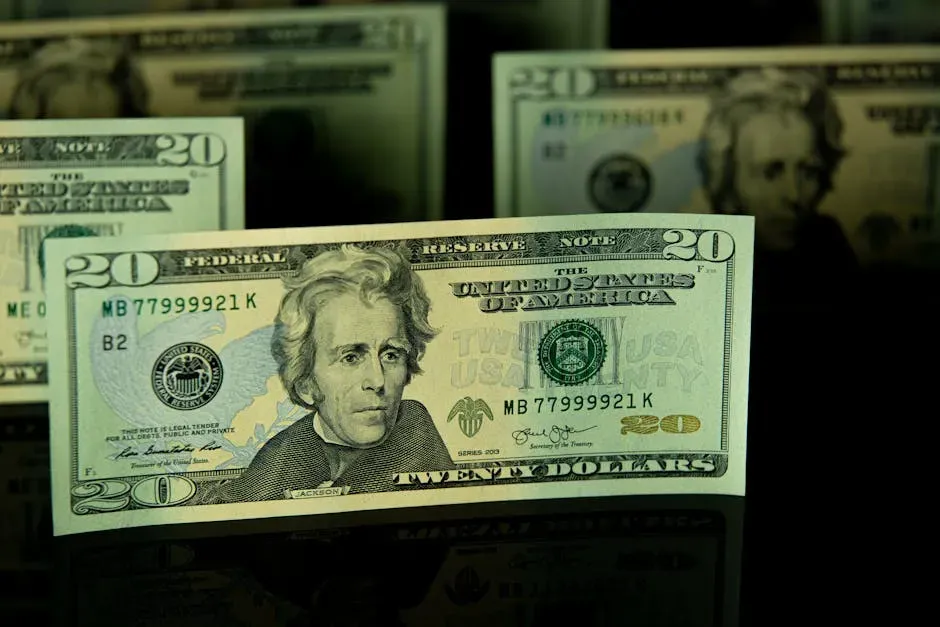
A print run is simply the total number of notes produced in a specific batch, and for star notes, this number is everything. A general rule among collectors is that a print run of 640,000 notes or fewer is considered rare and worth a closer look. The rarity and potential value increase as that number drops. For instance, a run of 160,000 or fewer is very hard to find, and anything under 16,000 is exceptionally scarce.
Certain series years are rarer than others due to smaller print runs or specific Federal Reserve Bank issues. Certain Federal Reserve districts produce fewer replacement notes, increasing rarity. Older series notes from years like 2003 and 2009 often carry higher collector demand. The combination of a small run and an older series date is where things get genuinely interesting.
What a $20 Star Note Could Actually Be Worth
What a $20 Star Note Could Actually Be Worth (Image Credits: Pexels)
There are significantly more star notes in circulation than notes with printing errors, meaning they’re not quite as valuable as the latter. Depending on the series, the denomination, and the overall condition of a replacement banknote, the bill could be worth many times its face value to a collector.
Most 1928 series $20 star notes are worth several times face value in very fine condition, with values climbing substantially in extremely fine condition, and prices topping over a thousand dollars in uncirculated condition for MS 63 grade examples. Heritage Auctions in Texas keeps an online archive of banknotes that sold in previous years, with many rare specimens fetching tens of thousands of dollars apiece.
How Condition Affects the Value of Your Star Note
How Condition Affects the Value of Your Star Note (Image Credits: Pexels)
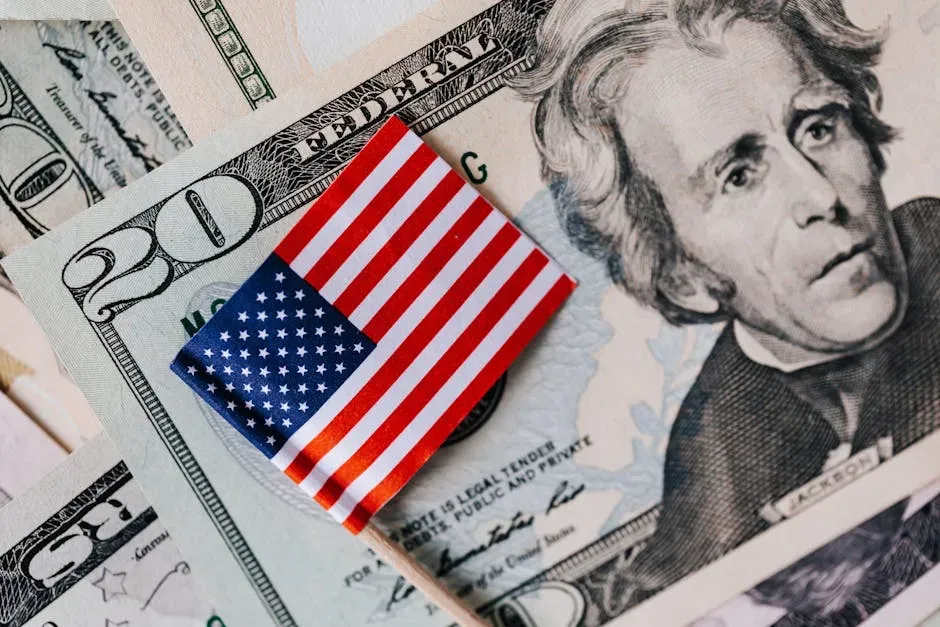
Condition is critical in the world of currency collecting. A rare star note that is heavily folded, stained, or torn will be worth a fraction of what an uncirculated, pristine example would command.
For bill collectors, the goal is to find bills that have never circulated and have no indicators of usage whatsoever. A bill that appears to have just left the printer with no creases, folds, or wrinkles is more desirable and valuable than the alternative. If you find a rare star note with a print run at or under 640,000, store it in a currency sleeve immediately. Finger oils and folding destroy value rapidly.
The 2013 $20 Star Note: A Modern Collector Story
The 2013 $20 Star Note: A Modern Collector Story (Image Credits: Pexels)
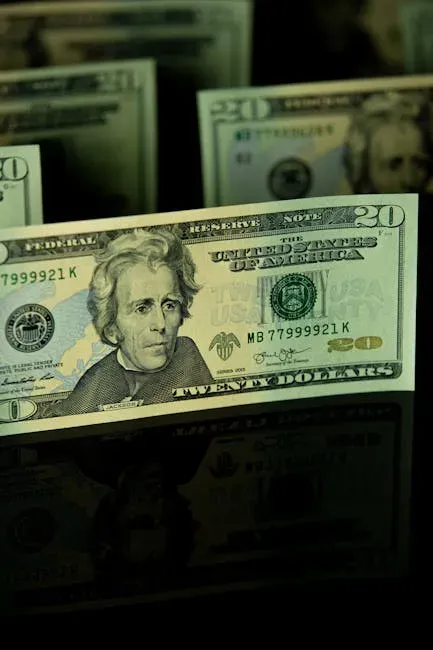
Newly discovered star note varieties, such as the 2013 $20 Star Note, can see a temporary price surge after discovery due to collector interest. The story behind certain modern star notes reveals just how unexpectedly the collector market can react to production anomalies.
The most extraordinary story in modern currency collecting involves the 2013 B Series $1 star notes. Between 2014 and 2016, both the Washington D.C. and Fort Worth facilities printed star notes for the New York Federal Reserve using identical serial number ranges. This coordination issue created millions of pairs of bills with duplicate serial numbers, distinguished only by the presence or absence of the “FW” facility mark. Similar overlapping production quirks occasionally affect $20 notes as well, and they catch collectors off guard.
How to Look Up Your Star Note's Print Run
How to Look Up Your Star Note's Print Run (Image Credits: Pixabay)
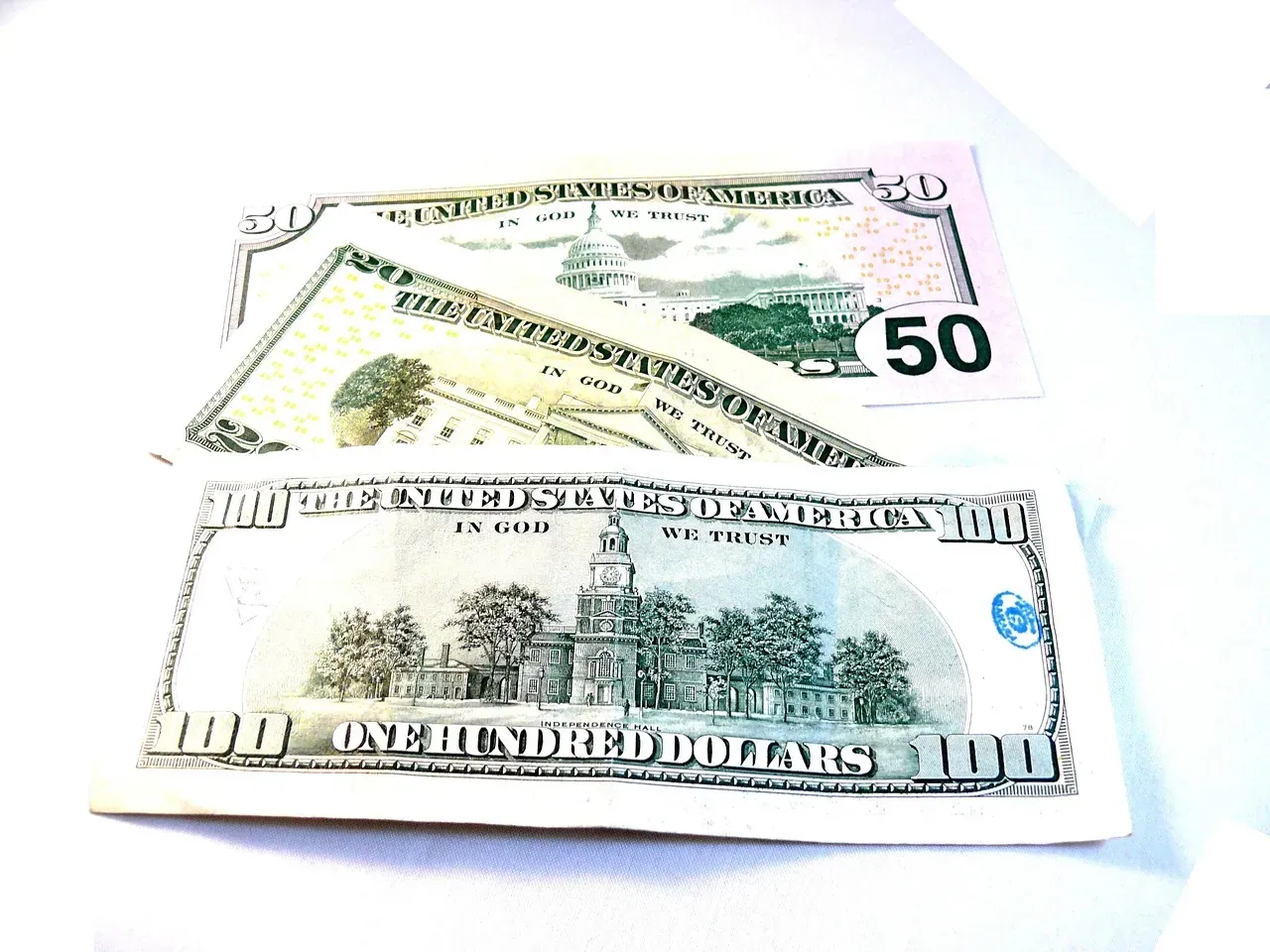
The best thing to do if you’d like to check on the rarity of your star note is to look at the appropriate databases. The BEP’s own website itemizes the star notes it creates each month on its monthly reports, which stretch back to 2003. If your note is slightly older, you can try the Star Note Lookup on My Currency Collection.
You can quickly look up the production numbers of your star notes by entering the denomination, series, and serial number. It’s ideal for collectors seeking rarity insights. Using an online star note lookup tool takes less than a minute and can instantly tell you whether your note is common or rare. That’s a worthwhile minute before you hand twenty dollars over to the teller.
Where and How to Sell a Valuable Star Note
Where and How to Sell a Valuable Star Note (Image Credits: Image by Godot13, <a href="https://commons.wikimedia.org/w/index.php?curid=38161832" target="_blank" rel="noopener">Public domain</a>)
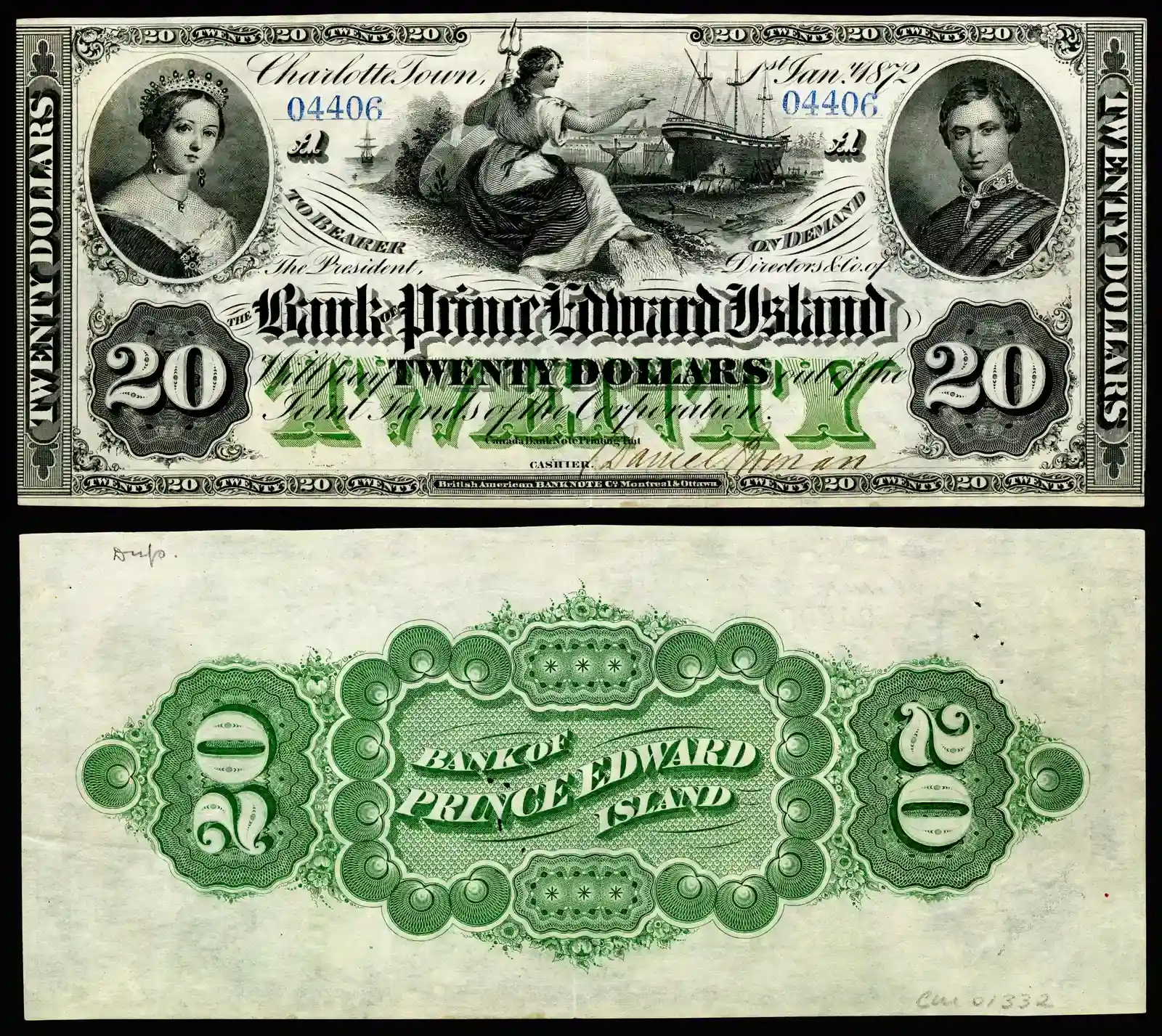
Auction sites and currency exchanges including US Currency Auctions and APMEX can give sellers a general idea of how much their star banknotes are worth, as could a local currency appraiser. Online platforms like eBay or auction houses typically offer the best returns due to higher competition among buyers.
Professional grading services such as PMG and PCGS assign grades ranging from Poor to Perfect Uncirculated, significantly influencing market value. While online databases provide a great starting point, a professional evaluation is the only way to know your note’s true market value. An expert can assess its precise condition, authenticity, and current collector demand to give you a confident valuation.