
There’s a quiet tension running through modern parenting. On one side, parents are flooded with new frameworks, trending philosophies, and social media-driven advice. On the other, child development researchers keep pointing back to some remarkably old-fashioned ideas as the ones that actually hold up under scrutiny. The tools that shaped generations before us are, it turns out, still doing the heavy lifting.
What’s notable isn’t that these values survived decades of changing culture. It’s that the science consistently backs them. From Harvard longitudinal research to global parenting studies, the data keeps circling back to the same core principles. So before the next parenting trend takes hold, here are ten old-school values that experts say are genuinely worth keeping.
1. Assigning Regular Chores
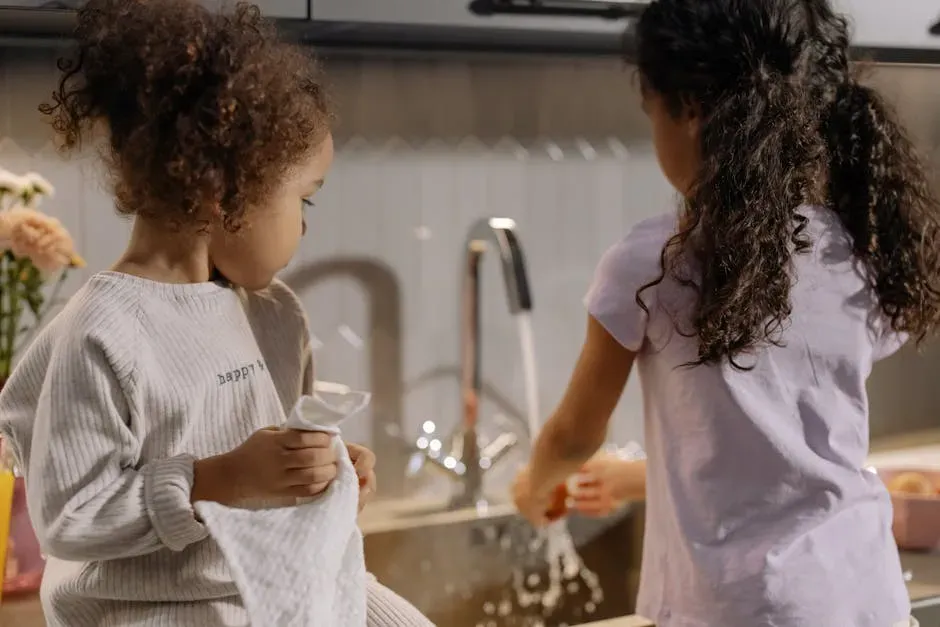
1. Assigning Regular Chores (Image Credits: Pexels)
Research demonstrates that kids who have regular chores do better in school, have higher life satisfaction, and better know how to care for themselves. That's not a minor finding. It suggests that sweeping a floor or setting the table is doing far more developmental work than it appears.
Decades of research reveal that children who participate in age-appropriate household chores and contribute to their broader communities develop significantly enhanced executive functioning skills, achieve greater academic and career success, and form more equitable, successful partnerships in adulthood. This is not just a hunch, with over four decades of longitudinal studies revealing that early chore participation lays the groundwork for responsibility, a strong work ethic, and collaborative skills. The case for chores has never been stronger.
2. Respect for Adults and Authority

2. Respect for Adults and Authority (Image Credits: Unsplash)
Authoritative parenting fosters obedience, respect, and the use of appropriate language, fostering social competence and positive regard for peers. Teaching children to speak respectfully to adults isn't about keeping kids small. It's about giving them a framework for navigating the world confidently and cooperatively.
Social competence may include children's ability to get along with and respect others, such as those of a different race, religion, or background. Basic social skills include a range of prosocial behaviors, such as empathy, cooperation, sharing, and perspective taking, all of which are positively associated with children's success both in school and in nonacademic settings. Respect, it turns out, is a foundation skill, not just a courtesy.
3. Eating Together as a Family
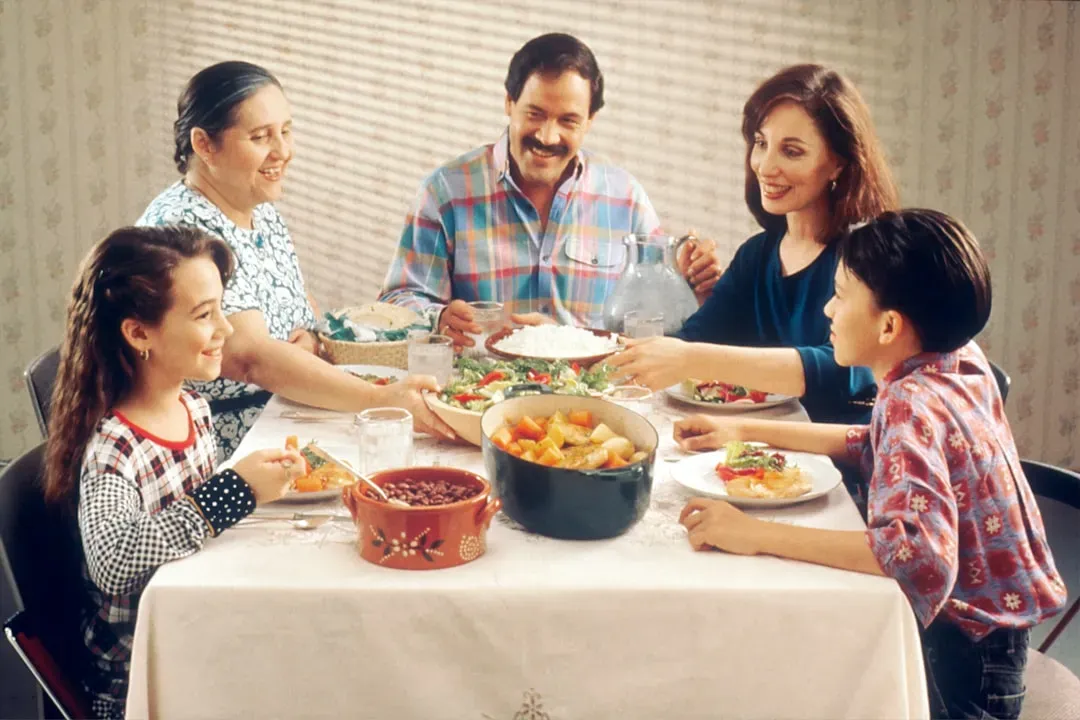
3. Eating Together as a Family (Image Credits: Unsplash)
The average family meal lasts barely 20 minutes, but few other settings in family life have such potential to influence children's behavior and development. Sharing a meal regularly can boost children's health and wellbeing, reducing the likelihood that they'll become obese or use drugs, and increase the chances that they'll do well in school. That's a lot of return on 20 minutes at the dinner table.
Children who eat meals with their family have less delinquency, less drug use, less depression, a better relationship with their parents, and even better grades in school. The dinner table, researchers keep finding, is one of the most underrated protective environments a family has. Phones down, food on, conversation happening, that's the formula.
4. Teaching Table Manners
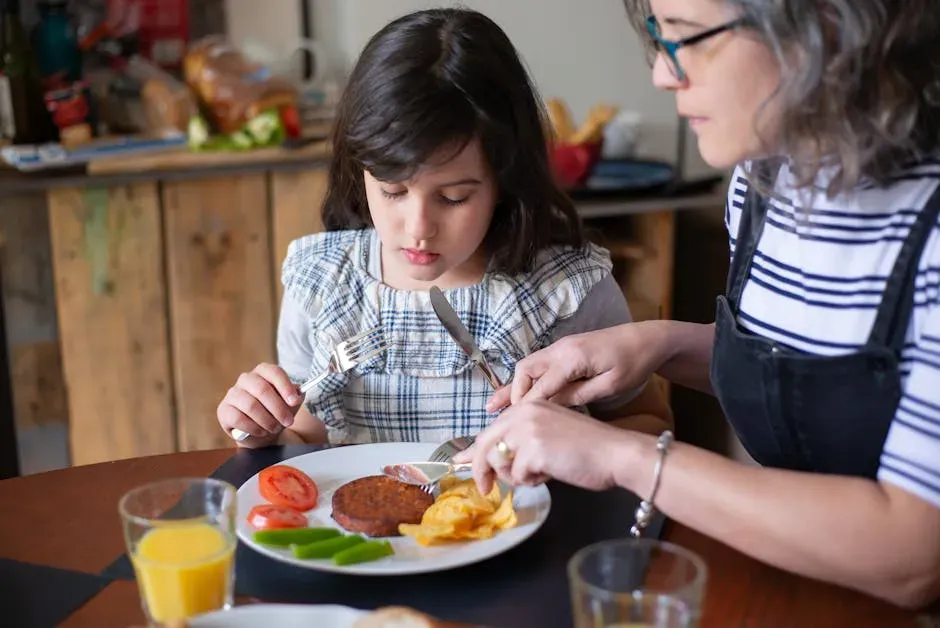
4. Teaching Table Manners (Image Credits: Pexels)
More than knowing which fork to use, table manners teach children to behave in social situations, foster respect and consideration for others, and build self-confidence. Parents sometimes skip this one thinking it's old-fashioned formality. Experts disagree pretty firmly on that point.
By participating in mealtime interactions, children acquire specific cultural principles governing bodily conduct at the table, but they are also socialized to a foundational principle of human sociality: one's own behavior must be self-monitored according to the perspective of others. That's a genuinely important life skill, wrapped up in something as simple as waiting for everyone to be seated before eating.
5. Unstructured, Free Play

5. Unstructured, Free Play (Image Credits: Unsplash)
A wealth of research shows that unstructured play, play that isn't organized or directed by adults and that generally doesn't have a defined purpose or outcome, is a fundamental necessity for children to thrive physically, emotionally, mentally, and socially. This runs directly against the packed-schedule culture that many families live in today.
In a world where kids are constantly on the go, they rarely get the chance to be bored and figure things out on their own. In these moments of unstructured play, children tap into their creativity, problem-solving skills, and emotional intelligence. When they're not following a structured agenda, they learn to navigate the world, make decisions, and build relationships. The value of boredom, it turns out, is hard to overstate.
6. Clear and Consistent Boundaries
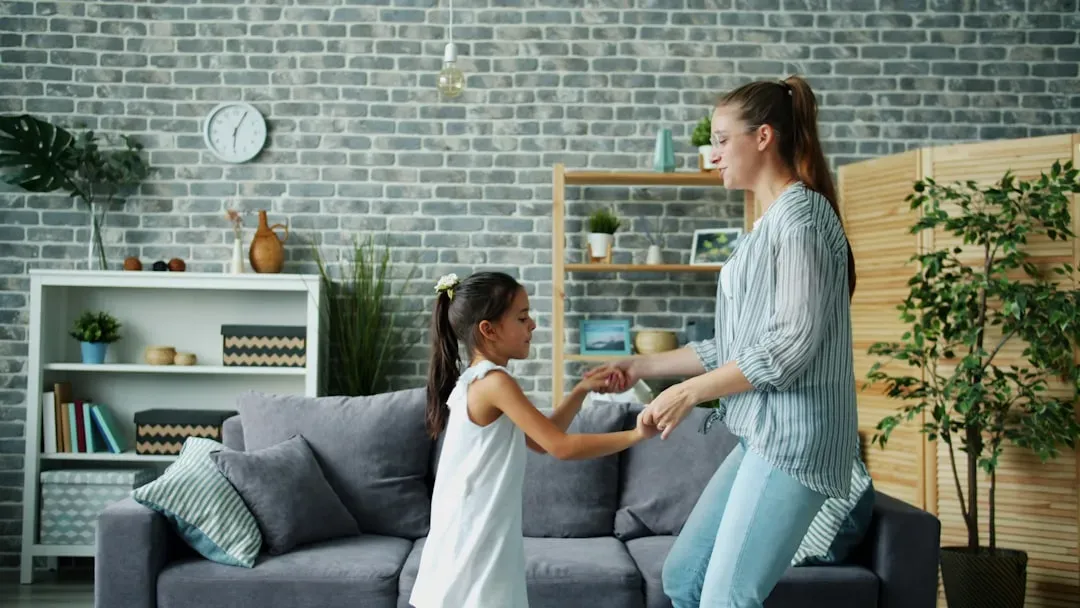
6. Clear and Consistent Boundaries (Image Credits: Unsplash)
Experts consider authoritative parenting to be the most developmentally healthy and effective parenting style. Research has found kids who have authoritative parents are most likely to become confident, responsible adults who feel comfortable self-advocating and expressing their opinions and feelings. Consistent limits aren't the enemy of a happy childhood. They're one of its supports.
Multiple articles published across the world found that the authoritative parenting style was associated with better overall outcome, higher emotional regulation, and lower behavioral problems than any other type of parenting. Outcomes such as school achievement, resilience, social competence, and prosocial behavior were evaluated in the reviewed studies, with best scores associated with the authoritative parenting style. Clear evidence supports this style and the two dimensions of warmth and responsiveness as the most effective strategies in raising children to become competent, successful, and happy adults.
7. Responsibility and Accountability
7. Responsibility and Accountability (Image Credits: Unsplash)
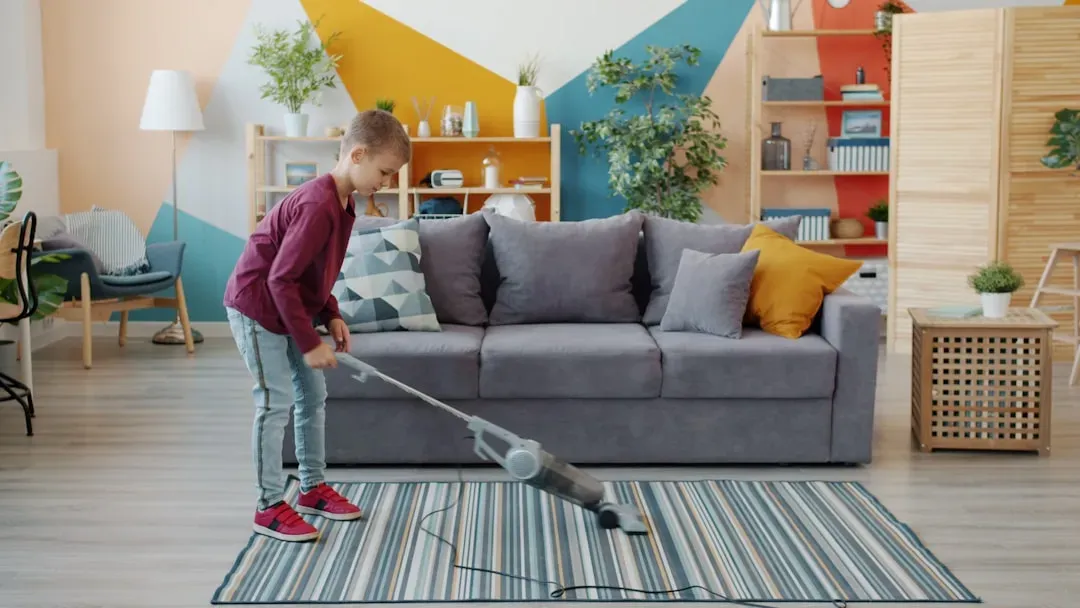
Folding laundry and taking out the trash may seem like small tasks, but they instill a sense of ownership. Kids learn that they have a role to play both in maintaining their environment and in contributing to the family. They understand that their actions have consequences, and caring for their surroundings extends to caring for people around them.
Research from Harvard has shown that children who have responsibilities during their formative years tend to experience greater happiness and success in adulthood. Further research from Harvard Medical School even describes lack of chores as "a disservice" to your children. Sheltering kids from responsibility, the data says, has real downstream costs. Giving them something to own, at home and in their lives, builds the kind of character that lasts.
8. Encouraging Empathy and Prosocial Behavior

8. Encouraging Empathy and Prosocial Behavior (Image Credits: Pexels)
Efforts to instill empathy, acceptance, and a global perspective in children are becoming increasingly central to parenting values. This might sound like a modern trend, but the root of it is as old-school as it gets: teaching children to genuinely care about other people.
Basic social skills include a range of prosocial behaviors, such as empathy and concern for the feelings of others, cooperation, sharing, and perspective taking, all of which are positively associated with children's success both in school and in nonacademic settings and can be fostered by parents and other caregivers. These skills are associated with children's future success across a wide range of contexts in adulthood, including school, work, and family life. Empathy isn't soft. It's one of the most practical things a parent can nurture.
9. Limiting Screen Time and Protecting Childhood Privacy

9. Limiting Screen Time and Protecting Childhood Privacy (Image Credits: Pexels)
Research suggests the importance of monitoring screen time to children's well-being. Monitoring of children's internet usage may also prevent them from being exposed to online predators. This old-school instinct to guard what children are exposed to turns out to be completely aligned with current findings.
After years of mom bloggers, vloggers, influencers and more spilling all manner of information about their kids, people seem to be more careful and intentional about their children's online presence. It's partly because a generation of parents is well-versed enough in the internet to understand the repercussions of specific actions. Experts believe it's the right move, and one that should continue. Protecting a child's privacy, including their digital privacy, is a deeply traditional value that now carries urgent modern weight.
10. Independence and the Expectation of Age-Appropriate Functioning

10. Independence and the Expectation of Age-Appropriate Functioning (Image Credits: Pixabay)
The concept of being a "lighthouse" figure in a child's life, providing reliable guidance but allowing them to use it to navigate uncertain waters independently, without stepping in to figure it out for them, has strong appeal among child experts. This aligns closely with the old-school expectation that kids should be capable, resourceful, and willing to try things on their own.
It's normal for parents to want to shield their child from discomfort or accommodate them in some way, but experts say we should always support and maintain the expectation that they function at an age-appropriate level. Sometimes professional help is needed when this gets off track and kids start falling behind. In the post-COVID world, this is proving to be a more common problem. Trusting children with real expectations, and letting them rise to meet them, remains one of the most meaningful things a parent can offer.