
Most of the time, the math on home cooking versus dining out is not close. Reheating a family recipe on the stove almost always beats a restaurant tab once you count tax, tip, and the extra soda you did not need. Personal finance sites keep hammering this point home, and for good reason: eating out is typically more expensive, often costing $15 or more per person compared to $4-$6 for a home-cooked meal, and dining out can become even pricier if you take into account extra costs such as tips, transportation, and significant markups on beverages.
Still, there are dishes where that logic quietly flips. Some foods demand equipment, bulk ingredients, or hours of hands-on labor that make a single home-cooked portion shockingly expensive compared to what a restaurant charges after spreading those same costs across dozens of orders a day. Here are seven dishes where letting someone else do the cooking can actually save you money.
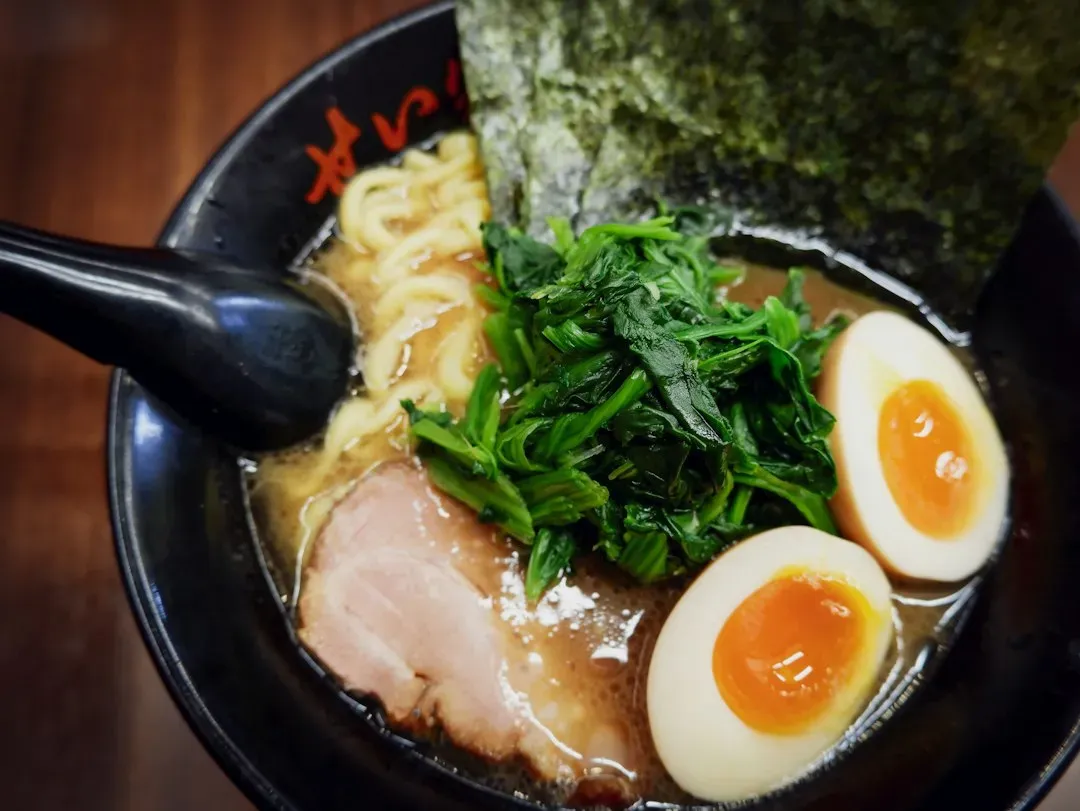
1. Tonkotsu Ramen and Other Long-Simmered Broths
1. Tonkotsu Ramen and Other Long-Simmered Broths (Image Credits: Unsplash)
Basic ramen is one of the cheapest meals on the planet when you are working with instant noodle packets, but true tonkotsu-style ramen is a different animal entirely. A proper broth built the way restaurants do it takes serious time and bone stock, and a proper tonkotsu broth runs 10 to 14 hours, chicken paitan might go 6 to 8, and shoyu tare can take a separate day of preparation. That is not a realistic weeknight project for most home cooks.
Even when people try to recreate the full experience at home, the ingredient costs add up fast once you go beyond a packet of noodles. Ingredient costs alone can hit $8 to $12 per bowl before a single person has touched a pan, once you factor in chashu pork, marinated eggs, nori, and bamboo shoots. Compare that to a casual noodle shop, where a bowl still often lands in a similar price range but you skip the equipment, the sourcing trips, and the better part of a day standing over a pot.
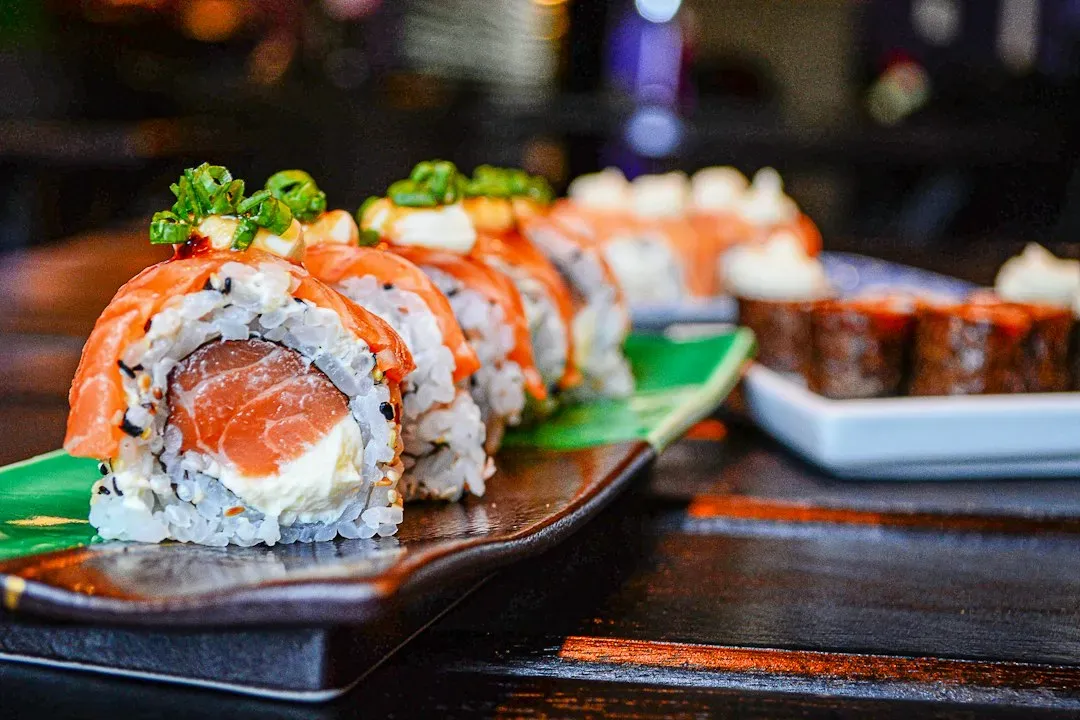
2. Sushi and Sashimi Made With Sushi-Grade Fish
2. Sushi and Sashimi Made With Sushi-Grade Fish (Image Credits: Unsplash)
Sushi looks simple on a plate, which tricks a lot of home cooks into thinking it is cheap to replicate. The reality is that sushi-grade fish is a specialty product, usually flash-frozen to strict standards and sold in small quantities at premium prices through specialty fishmongers rather than the regular seafood counter. Buying enough tuna, salmon, or yellowtail for even a modest home sushi night can easily cost as much as a restaurant combo plate, and that is before you factor in sushi rice, nori, wasabi, and pickled ginger that often go unused after one meal.
Restaurants also benefit from buying fish in bulk and using nearly the entire animal across multiple dishes, which spreads the cost in a way a single household never can. Add in the knife skills required to portion raw fish safely and attractively, and a $15 to $20 sushi lunch special starts looking like a genuine bargain rather than an indulgence.
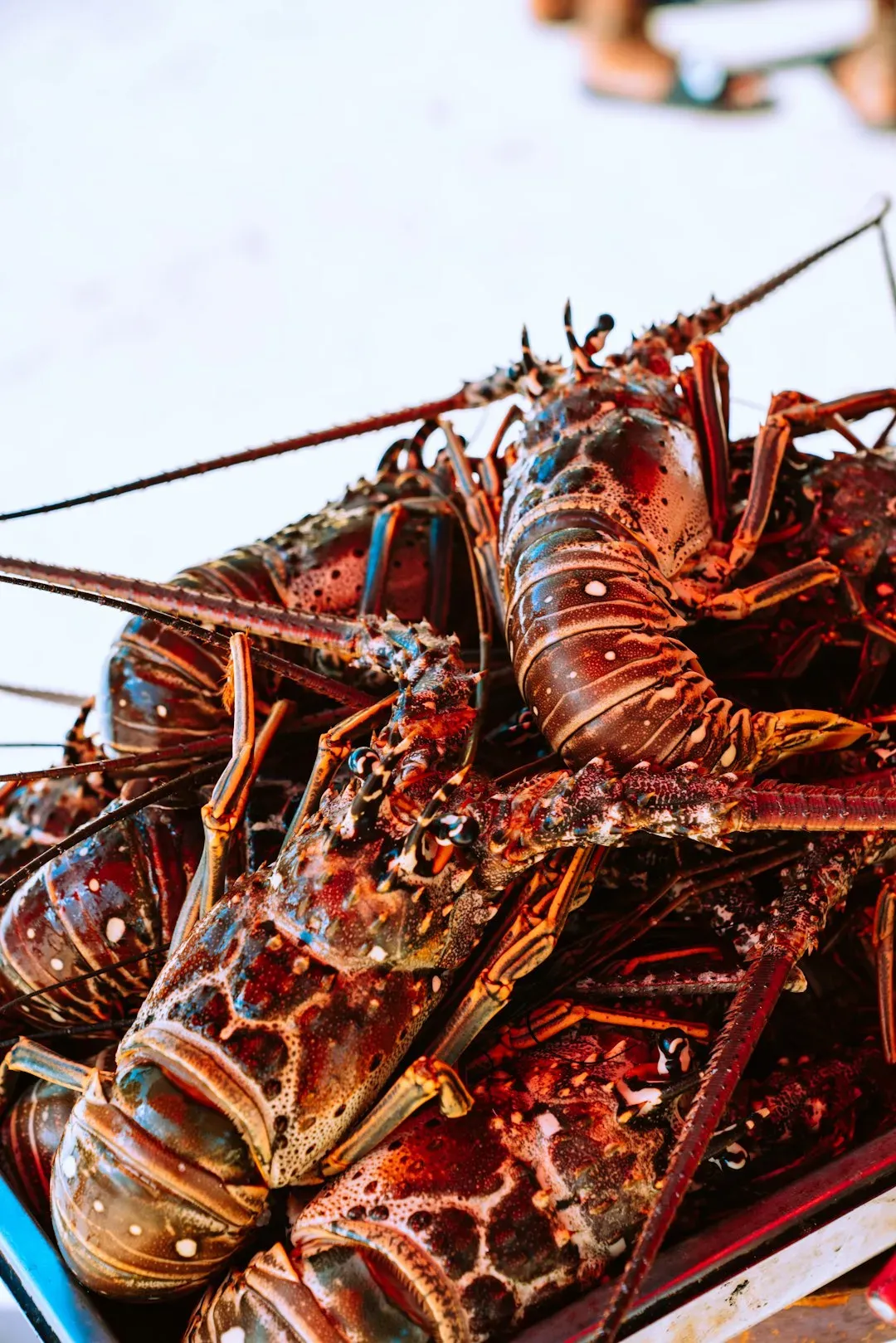
3. Whole Lobster and Steamed Crab
3. Whole Lobster and Steamed Crab (Image Credits: Unsplash)
Shellfish is one of the clearest examples of restaurants having a structural advantage. Live lobster and crab are sold at volatile market prices, and buying just one or two for a home dinner rarely gets you any kind of bulk discount. A seafood restaurant, on the other hand, is often buying by the case directly from distributors or fishing operations, which lowers their per-pound cost even after markup.
There is also the equipment problem. Steaming or boiling shellfish properly at home means owning a pot large enough to fit a whole lobster, plus dealing with the mess and the shells afterward. Many diners find that a lobster roll or steamed crab platter at a seafood shack costs about the same, or sometimes less, than buying the equivalent amount of fresh shellfish at a retail fish market, especially during off-peak fishing seasons when restaurant supply chains can absorb price swings that hit individual shoppers harder.
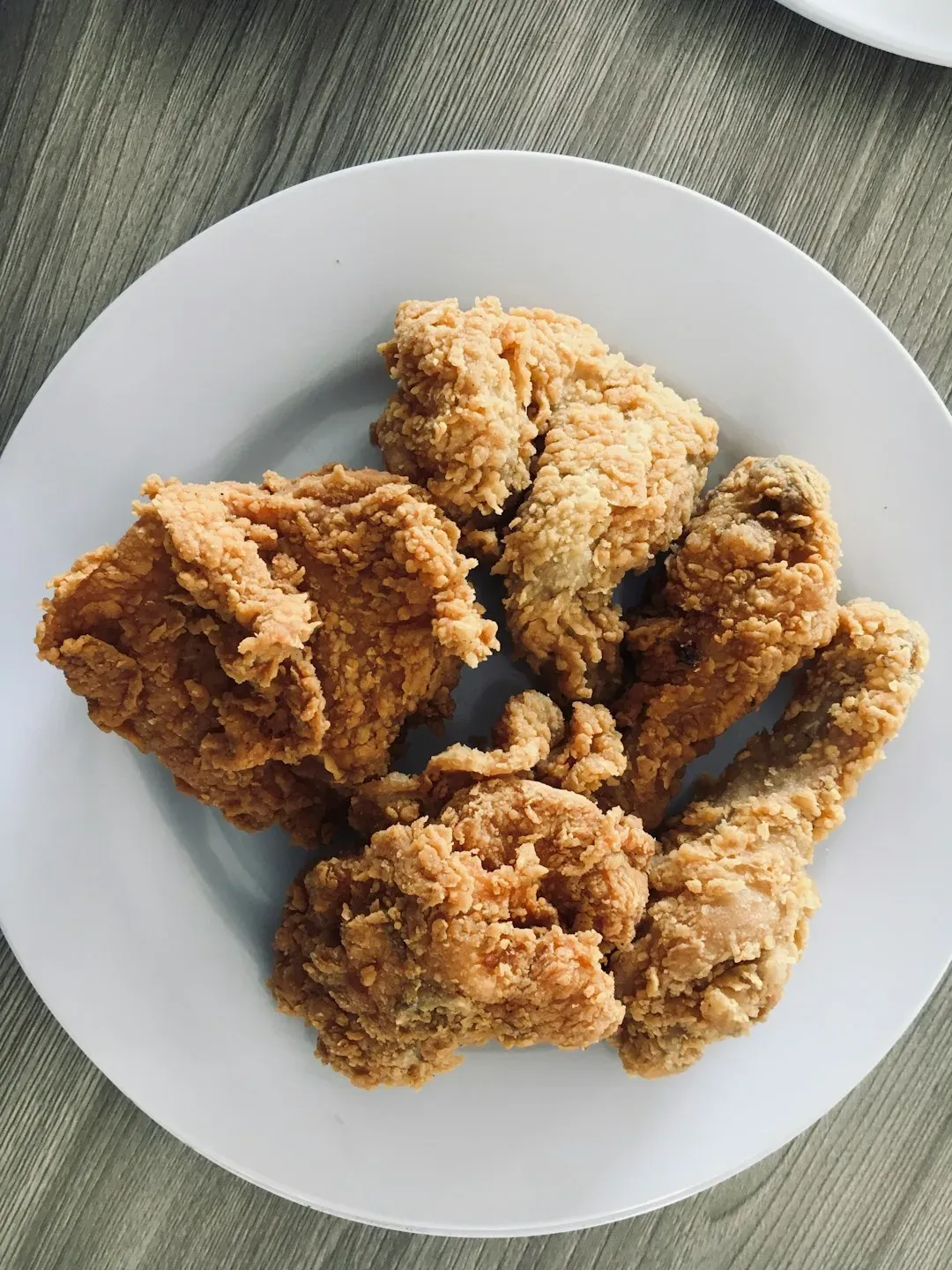
4. Small-Batch Fried Chicken
4. Small-Batch Fried Chicken (Image Credits: Unsplash)
Fried chicken seems like an easy home project until you actually try to fry a full meal's worth for one or two people. Frying requires several quarts of oil to properly submerge the chicken, and that oil is either wasted after one use or has to be strained and stored, which most home kitchens are not set up to do safely or hygienically.
Restaurants recycle and filter oil across hundreds of orders a day, which means the cost per piece of chicken drops dramatically compared to a home cook using a full bottle of oil for a single batch. Add in the price of buttermilk, seasoned flour, and a thermometer to monitor oil temperature, and a bucket of fried chicken from a local spot frequently beats what it costs to fry a comparable amount at home, especially for smaller households.
5. Dim Sum and Steamed Dumplings
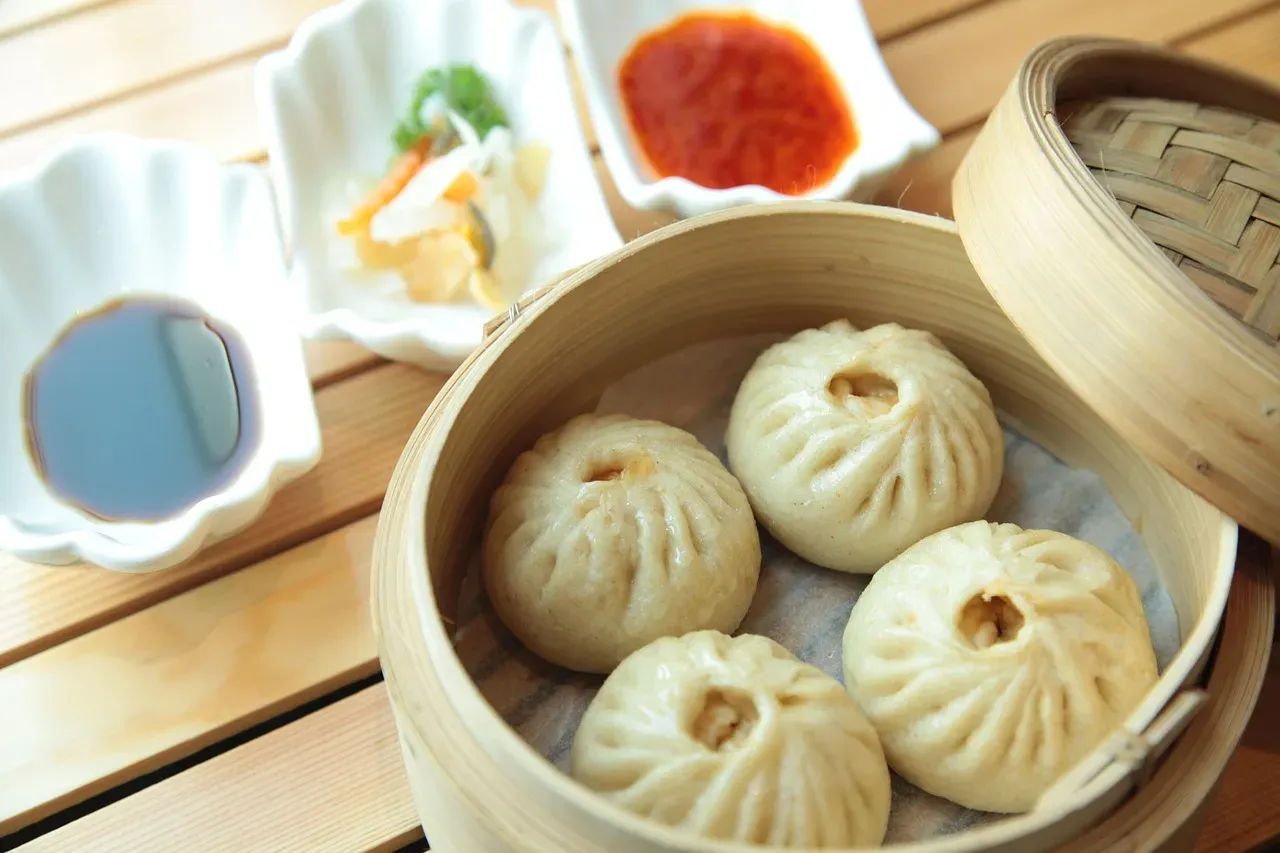
5. Dim Sum and Steamed Dumplings (Image Credits: Pixabay)
Dim sum is built around variety, which is exactly what makes it hard to replicate affordably at home. A proper dim sum spread includes several different dumpling wrappers, fillings, and steaming setups, from bamboo steamers to specific folding techniques for har gow or siu mai. Buying small quantities of each specialty ingredient, like tapioca starch for translucent wrappers or dried shrimp for filling, means paying for entire packages you will only use a fraction of.
Dim sum restaurants operate on a completely different scale, prepping thousands of identical dumplings a day, which keeps their ingredient waste near zero and their labor cost per piece extremely low. A cart of six or eight dim sum dishes shared among a few people at a restaurant is often cheaper than trying to source and fold even one variety at home, particularly once you factor in the learning curve involved in dumpling folding.
6. Wood-Fired or Neapolitan-Style Pizza
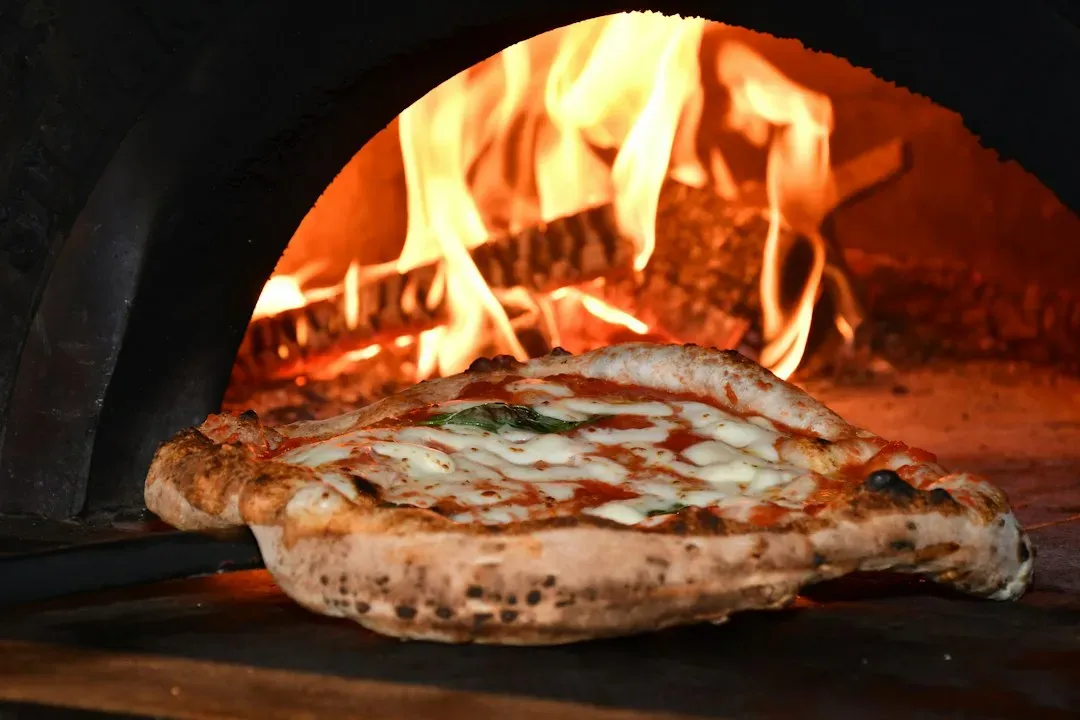
6. Wood-Fired or Neapolitan-Style Pizza (Image Credits: Unsplash)
Home pizza has become a popular hobby, but true wood-fired or Neapolitan-style pizza depends on ovens that reach temperatures most home kitchens simply cannot hit. Standard home ovens top out around 500 to 550 degrees Fahrenheit, while proper Neapolitan pizza needs an oven closer to 800 or 900 degrees to get that char and quick cook time. Specialty pizza ovens built for home use exist, but they can cost several hundred dollars, a price that would buy dozens of restaurant pizzas.
Beyond equipment, pizzerias buy flour, San Marzano tomatoes, and fresh mozzarella in bulk at commercial prices unavailable to home shoppers. A single high-quality pizza made at home with comparable ingredients can end up costing nearly as much as ordering one, minus the correct oven, minus the practiced dough-stretching technique, and minus the consistent results a professional setup delivers.
7. Slow-Smoked BBQ Brisket
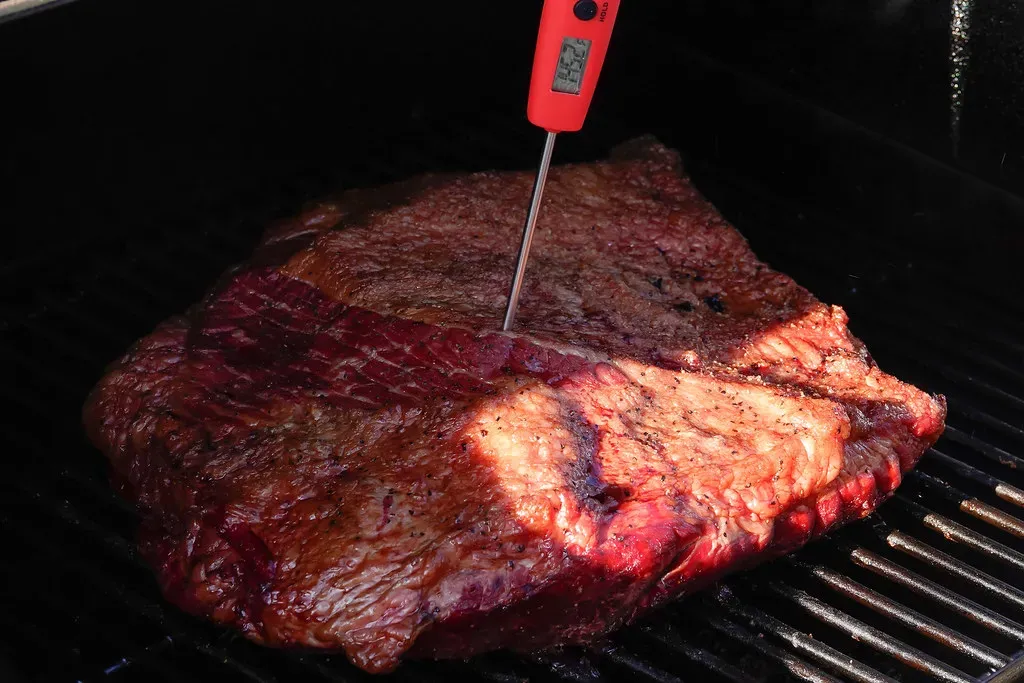
7. Slow-Smoked BBQ Brisket (Brenda Kochevar, Flickr, <a href="https://creativecommons.org/licenses/by/2.0/" target="_blank" rel="noopener">CC BY 2.0</a>)
Barbecue might be the single clearest case for letting a restaurant handle it. A proper beef brisket needs to smoke low and slow for anywhere from twelve to eighteen hours, which means either an overnight commitment or an expensive dedicated smoker sitting in the backyard. Wood or charcoal for that many hours is not free either, and a failed attempt at temperature control can ruin an expensive cut of meat that already costs a premium at the grocery store.
Barbecue restaurants spread that fuel, equipment, and labor cost across dozens of pounds of meat smoked at once, which keeps their per-pound price far more reasonable than what a home cook pays for a single brisket plus the gear needed to smoke it properly. A plate of sliced brisket, a side, and cornbread from a barbecue joint is frequently the more economical choice unless smoking meat is already a serious hobby with equipment already paid for.
Knowing When to Cook and When to Order
Knowing When to Cook and When to Order (Image Credits: Unsplash)
None of this undoes the broader truth that cooking at home saves money for the vast majority of everyday meals. Pasta, rice bowls, soups, and roasted vegetables remain dramatically cheaper to make yourself, and the national numbers back that up clearly. What changes the equation for the seven dishes above is specialized equipment, bulk purchasing power, and labor-intensive techniques that restaurants can spread across many customers in ways a single household kitchen never can.
The smartest approach is treating this as a case-by-case decision rather than a blanket rule. Save the home cooking for weeknight staples where you already have the ingredients and skills, and let restaurants handle the dishes that genuinely require professional-grade ovens, fryers, or overnight smokers. Your wallet, and probably your kitchen counter, will thank you either way.