
Grocery delivery has become as routine as ordering takeout, yet the tipping question still trips people up every single time they check out. Is the app’s suggested percentage fair? Does the driver actually get the money? And does skipping a tip really hurt someone’s paycheck, or is that just a guilt trip built into the checkout screen? To answer that, it helps to hear directly from the people who do this work every day, along with the pay data that backs up their frustrations.
The short answer, according to nearly every shopper and driver who has spoken publicly about the job, is yes, you should tip, and the reasons go beyond simple courtesy. Grocery delivery pay structures are built in a way that assumes tips will fill a substantial gap, and when that gap doesn’t get filled, drivers feel it immediately in their weekly earnings.
Why Tipping Culture Feels So Confusing for Grocery Delivery
Why Tipping Culture Feels So Confusing for Grocery Delivery (Image Credits: Unsplash)
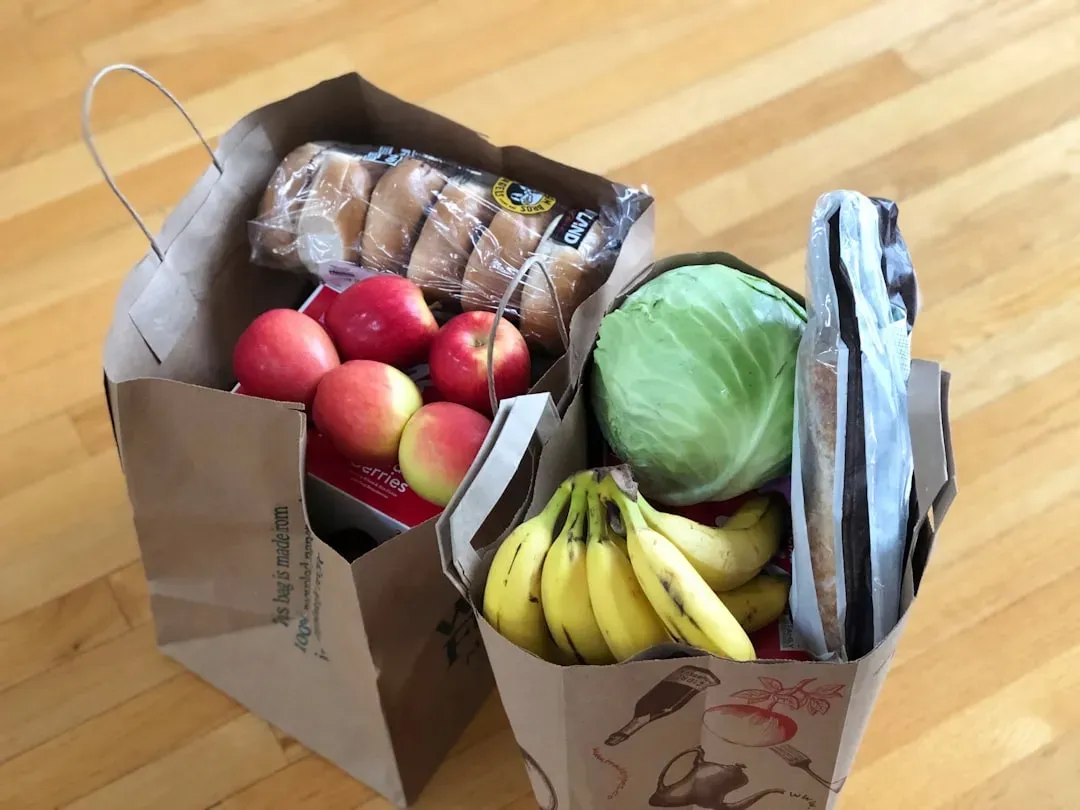
Unlike restaurant tipping, which has a fairly universal standard, grocery delivery tipping norms vary by platform, region, and even by app version. When you’re using food and grocery delivery apps like Instacart, Shipt, DoorDash, Caviar, and Uber Eats, tipping your driver or shopper for good service matters, and base pay on most of these platforms isn’t guaranteed to be high, so tips make up a meaningful share of what workers actually take home. That inconsistency leaves a lot of customers guessing about what counts as generous versus stingy.
Part of the confusion comes from the apps themselves. The default Instacart tip is 5%, which is not enough, since standard tipping etiquette for grocery delivery in 2026 is 15 to 20% of your order subtotal, with a 5 dollar floor regardless of order size. Many customers simply accept whatever number the app pre-fills, not realizing that default is intentionally set low and doesn’t reflect what most drivers consider fair compensation for the work involved.
How Grocery Delivery Pay Actually Works

How Grocery Delivery Pay Actually Works (Image Credits: Pexels)
To understand why tips matter so much, it helps to look at how these platforms structure base pay. Instacart shoppers, for example, are typically paid a batch fee that covers picking, bagging, and delivering an order, but that fee alone rarely reflects the true time investment. Instacart shoppers are not warehouse workers filling pre-sorted bins; each order involves genuine real-time effort, and on a 40-item order, this process typically takes 60 to 90 minutes start to finish. That kind of labor, spread across an hour or more, needs to be compensated fairly, and tips are often what closes that gap.
Data collected from active drivers backs this up. On an hourly basis, tips contribute a median of 5.11 dollars per hour on Instacart, and tips are high on the platform because grocery order totals are large and customers appreciate the hands-on personal shopping service. Looking at it as a share of total pay rather than a flat dollar figure paints an even clearer picture. Tips are highest on Instacart, at 42% of total pay, the highest of any platform by percentage.
What Drivers Say Tips Really Mean for Their Paycheck
What Drivers Say Tips Really Mean for Their Paycheck (20160802-RD-TPE-0183, <a href="https://commons.wikimedia.org/w/index.php?curid=63928122" target="_blank" rel="noopener">Public domain</a>)
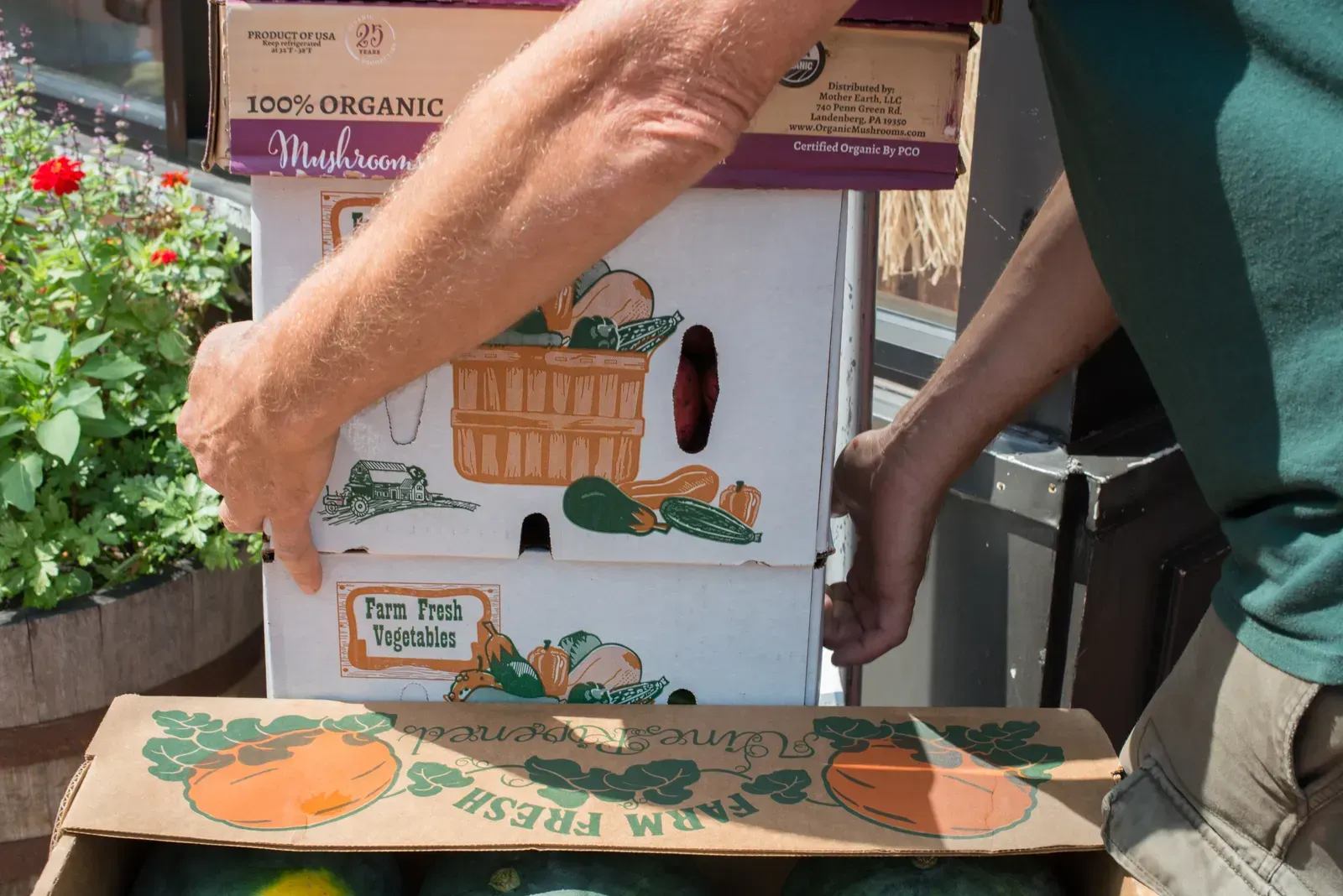
Ask any longtime Instacart or Shipt shopper, and they’ll tell you tips aren’t a bonus, they’re the backbone of the job. One shopper who has used the platform for years since 2019 described how Instacart recently announced that it would reduce its base pay by about 1.50 dollars per order, a change that had already taken effect in their area where base pay had been 9 dollars per order and dropped to around 7.50 dollars, with neither amount enough to make a living. That kind of firsthand account illustrates why so many drivers view tips as essential rather than optional.
Customers who tip well often hear about it directly from drivers on forums and review sites. One frequent Instacart and Shipt user explained that friends questioned why they tipped fifteen to twenty percent, and the response focused on the driver’s own costs. I always tip 15-20 percent depending on what I’ve ordered, and my friends and family try to tell me I tip too much, but I try to explain to them about your wear and tear and gas costs, because they think you all make more from Instacart or Shipt than I think. That perception gap, between what customers assume drivers earn and what they actually take home, is one of the biggest reasons tipping habits stay inconsistent.
The Going Rate: What Percentage Should You Actually Tip

The Going Rate: What Percentage Should You Actually Tip (Image Credits: Unsplash)
Across nearly every current guide and driver account, the consensus has settled on a fairly consistent range. The 15 to 20% or 5 dollar minimum standard applies broadly across grocery delivery services, with Shipt following the same model at 15 to 20% in-app, and Walmart Plus Spark Delivery also recommending 15 to 20% since Spark drivers are independent contractors rather than Walmart employees. That range shows up again and again regardless of which platform or guide you check.
Order size and complexity should factor into the final number too. On a small 30 dollar order, 15% comes out to only 4.50 dollars, so it’s worth rounding up to 5 dollars, since Instacart shoppers are doing real physical work that saves you significant time, and the tip is the primary way to compensate them fairly for that work. For larger, heavier, or more complex orders, several drivers and guides suggest going even higher than the baseline, especially when substitutions or careful item selection were involved.
Tip Baiting and Why It Frustrates Drivers So Much
Tip Baiting and Why It Frustrates Drivers So Much (20160802-RD-TPE-0212, <a href="https://commons.wikimedia.org/w/index.php?curid=63928250" target="_blank" rel="noopener">Public domain</a>)
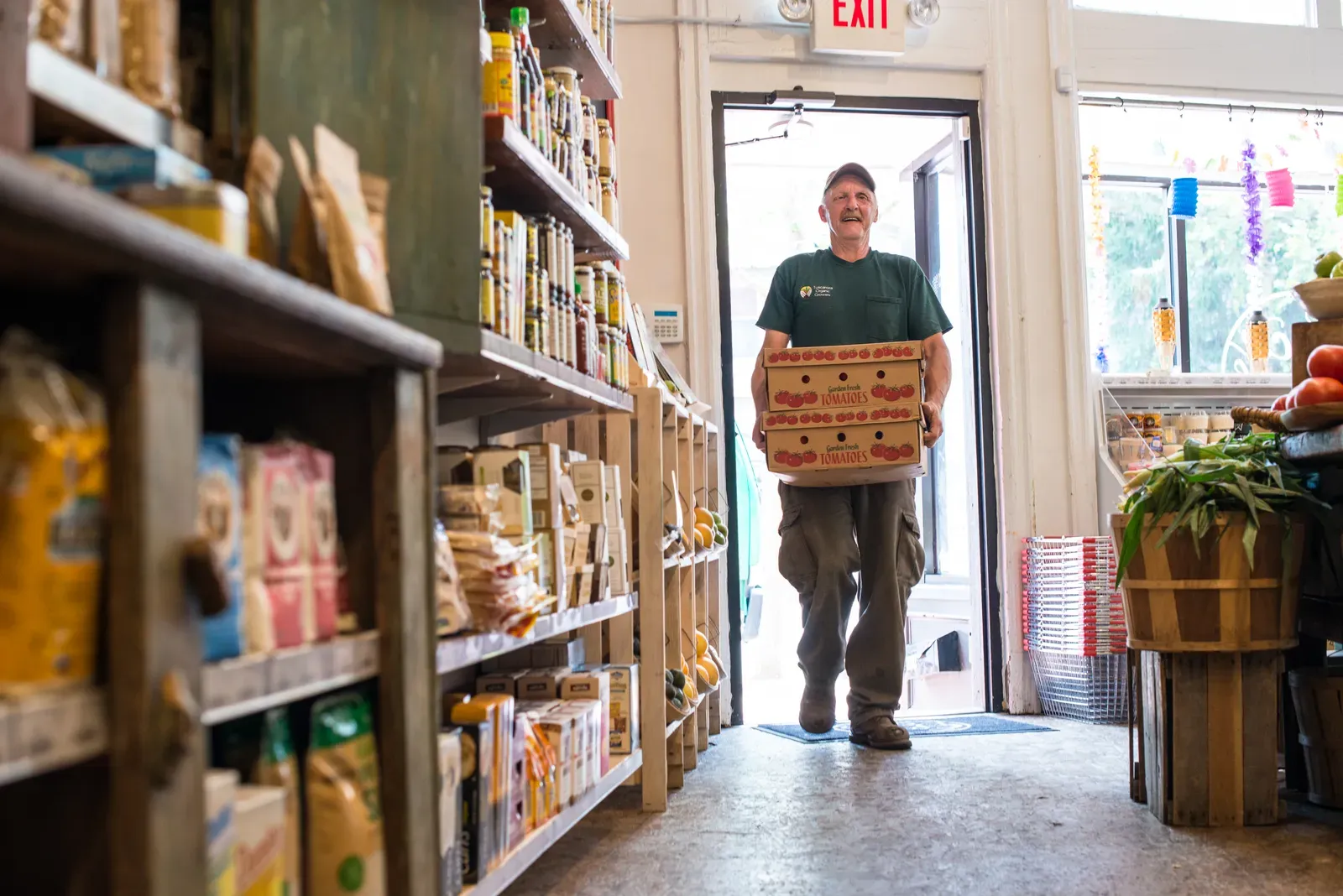
One issue that comes up repeatedly in driver discussions is the practice of tip baiting, where a customer promises a generous tip to get their order picked up quickly, then reduces or removes it after delivery. Tip baiting happens when a customer promises large tips for their grocery shoppers, then after the delivery changes the tip to a lesser amount or down to zero, and this matters because big tips entice shoppers to fulfill orders and be more efficient when shopping, while tip baiting is an issue because Instacart shoppers rely on those tips, very similar to when you’re tipping the pizza delivery guy. For drivers, this practice feels like a bait and switch that undermines trust in the entire tipping system.
The ability to adjust tips after delivery isn’t inherently bad, since it also allows generous customers to reward exceptional service. Instacart passes 100% of the in-app tip to the shopper, taking no cut of tips, and customers can add or adjust the tip up to 24 hours after delivery if the order was exceptional or disappointing, though pre-set tips are visible to shoppers before they accept an order, meaning a higher tip increases the chance the order gets picked up quickly. That visibility is exactly why lowering a tip after the fact stings so much for drivers who accepted the job expecting a certain payout.
Cash Tips Versus In-App Tips: What Drivers Actually Prefer
Cash Tips Versus In-App Tips: What Drivers Actually Prefer (Image Credits: Pexels)
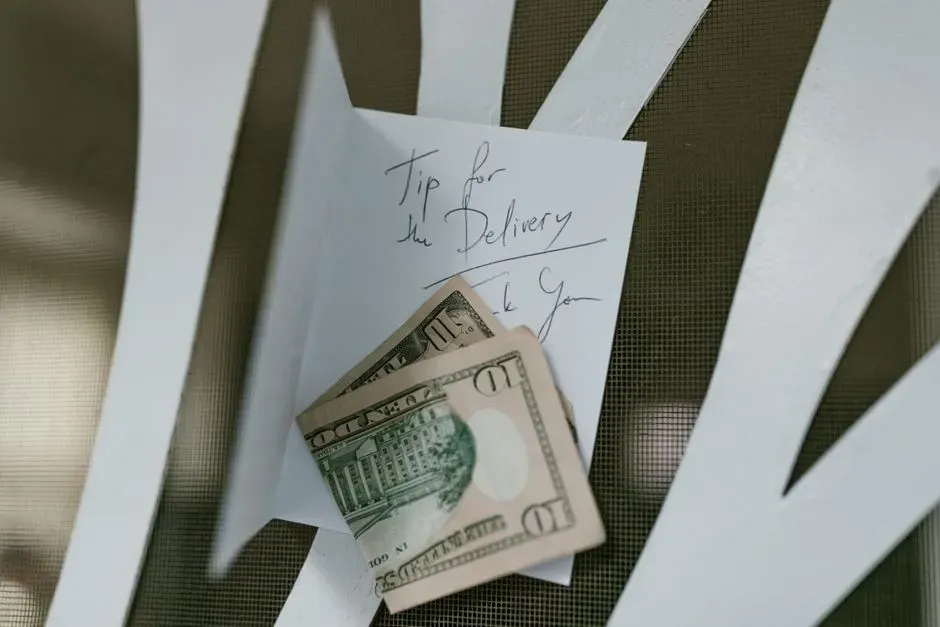
A recurring theme in driver feedback is a mild preference for cash tips, mostly because of certainty. Cash at the door is also appreciated and goes directly to the shopper, and some shoppers prefer cash because it is immediate and guaranteed. Since cash can’t be reduced or reversed after the fact, it removes the anxiety some drivers feel about waiting to see whether an app tip holds up.
That said, cash tipping comes with its own etiquette that customers often overlook. If you tip cash, you should still set the in-app tip to 0 dollars explicitly rather than leaving the default, and note in delivery instructions that you will tip in cash. Skipping that step can accidentally lead to a driver assuming there’s no tip coming at all, which defeats the purpose of tipping generously in the first place.
Situations That Call for a Bigger Tip, According to Drivers
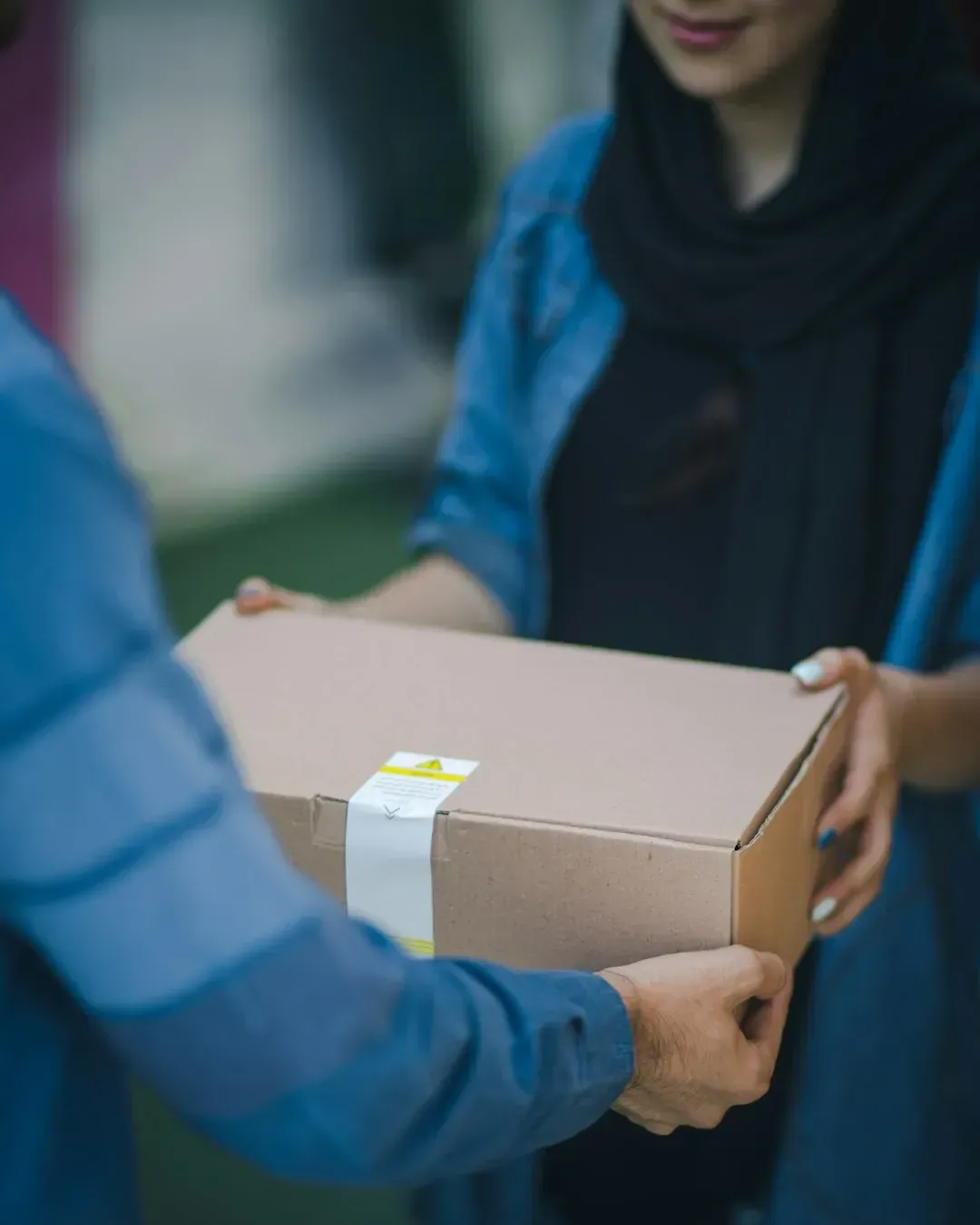
Situations That Call for a Bigger Tip, According to Drivers (Image Credits: Unsplash)
Certain delivery conditions consistently come up as reasons drivers say a higher tip is warranted. Apartment and multi-story deliveries top that list. If your shopper is carrying groceries up stairs, that deserves a significantly higher tip, at least 20% or a 10 dollar plus flat amount depending on quantity and flights of stairs. Large or unusually heavy orders fall into the same category, since carrying multiple bags up several flights takes noticeably more effort than a single-bag drop-off at a ground-floor house.
Order size and shopping complexity matter just as much as physical effort. A grocery shopper isn’t just a driver, they’re a personal proxy in the grocery store who navigates crowded aisles, selects produce, checks expiration dates, and communicates about out-of-stock items, which is why the tipping standard is higher, with 15 to 20% as a baseline and 20 to 25% common for large or complex orders, since a shopper who spent 90 minutes carefully picking out 400 dollars worth of items has earned a great tip for their time and expertise. Weather is another factor drivers frequently mention, since bad conditions add both time and risk to an already physical job.
New Tax Rules Are Changing How Drivers Think About Tips

New Tax Rules Are Changing How Drivers Think About Tips (Image Credits: Unsplash)
A significant policy shift has added a new wrinkle to the tipping conversation in 2026. Under the One Big Beautiful Bill Act, signed in 2025, eligible tipped workers, including rideshare and delivery drivers on platforms like DoorDash, Uber Eats, and Instacart, can now deduct 100% of their tip income from federal taxable income, meaning a driver earning 22,000 dollars in tips annually could save 2,400 to 4,800 dollars per year in federal income taxes, though FICA taxes for Social Security and Medicare still apply. This change means tips are now worth even more to drivers on an after-tax basis than they were just a couple of years ago.
Some cities have also moved to guarantee baseline pay regardless of tips, which changes the calculus slightly but doesn’t eliminate the importance of tipping. In New York City, the app must pay grocery delivery workers at least 21.44 dollars per hour, not including tips, for time spent preparing an order or making deliveries, with that minimum increasing every April. Even with that wage floor in place, tips still make up a meaningful chunk of what drivers earn on top of guaranteed pay, and most drivers outside cities with these protections have no such floor at all.
The Bottom Line: So, Do You Really Need to Tip?

The Bottom Line: So, Do You Really Need to Tip? (Image Credits: Pexels)
Based on what drivers themselves report, and on the pay structures underlying these platforms, the answer is a clear yes. Grocery delivery workers are independent contractors covering their own gas, vehicle wear, and time, and the base pay from most apps simply isn’t designed to cover that on its own. Tips aren’t a nice bonus tacked onto an already fair wage, they’re baked into the economic model these companies rely on.
If you regularly use Instacart, Shipt, Walmart Spark, or a similar service, treating the fifteen to twenty percent range as your real baseline, rather than the five percent an app might default to, makes a genuine difference in someone’s weekly income. Skipping the tip or lowballing it doesn’t just feel unfair to drivers, it directly shrinks a paycheck that was already thinner than most customers assume.