
Fruit has always occupied a special place in the idea of healthy eating. We’re told to eat more of it, and for good reason. Fruits are an excellent source of essential vitamins and minerals, and they are high in fiber, while also providing a wide range of health-boosting antioxidants, including flavonoids. Still, not all fruits are created equal, and the gap between the weakest and the strongest performers is wider than most people expect.
Some deliver fiber, vitamins, and antioxidants in dense amounts, while others mainly offer natural sugar and water. When people aim to eat better, they may assume any fruit choice supports that goal equally. In reality, understanding how fruits compare nutritionally can help shoppers make smarter decisions that better support heart health, digestion, and long-term wellness. This ranking works its way from the least nutritionally impressive fruits all the way up to the genuine powerhouses.
Watermelon – Mostly Water, Little Else
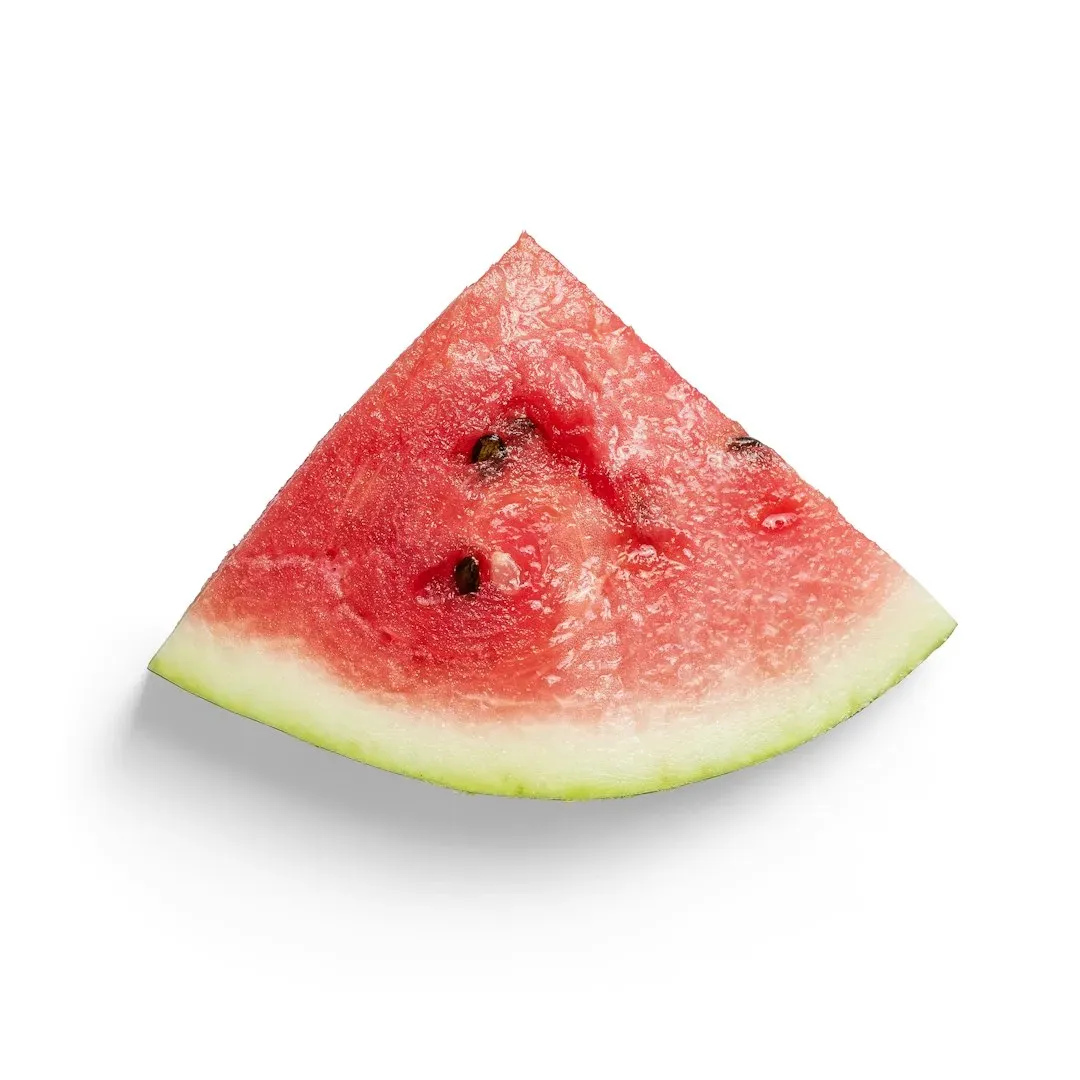
Watermelon – Mostly Water, Little Else (Image Credits: Unsplash)
Watermelon is about 90% water, with each cup supplying about 5 ounces, so it can help you quickly rehydrate. That's genuinely useful after a hot day or a workout, but hydration is essentially where its headline benefits end. Watermelon ranks low for fiber at about 0.4 grams per 100 calories.
However, it does contribute meaningful amounts of vitamin A, vitamin C, and the carotenoid lycopene. Watermelon and 100% watermelon juice also contain a compound called L-citrulline, which has been shown to reduce muscle soreness after exercising. Useful in small ways, but not a fruit you'd build a nutrient strategy around.
Grapes – Tasty, but Nutritionally Thin

Grapes – Tasty, but Nutritionally Thin (Image Credits: Pexels)
Composite nutrient density rankings that score foods by vitamins, minerals, fiber, and antioxidants per 100 calories routinely place grapes near the bottom among popular fruits. Analyses drawing on USDA FoodData Central values show that grapes provide roughly 5 percent of average daily micronutrient needs per 100 calories, and in that same calorie window, they provide just 1.3 grams of fiber.
Grapes are not without merit. They supply polyphenols such as resveratrol, long studied for cardiovascular effects, but the nutrient return on calories is modest compared with berries or citrus. In practical terms, grapes behave less like a nutritional cornerstone and more like a naturally sweet indulgence that fits best as a treat rather than a foundation.
Apples – The Most Overhyped Fruit in the Bowl
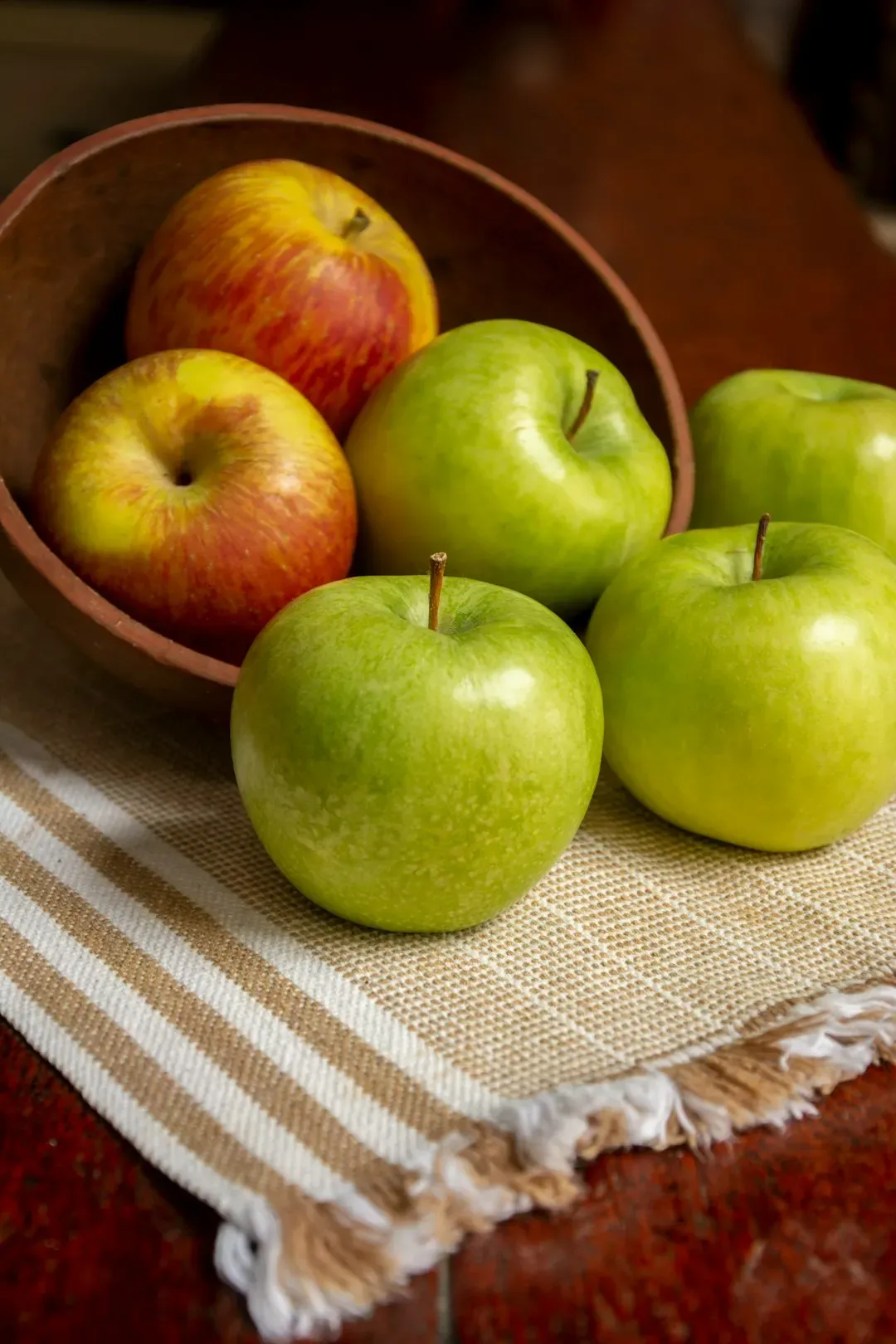
Apples – The Most Overhyped Fruit in the Bowl (Image Credits: Unsplash)
Modern apples might be America's sweetheart, but they're one of the least nutritious fruits you can bite into. Bringing up the rear are apples and pears, which are bred for sweetness, not nutrients. Modern apples and pears are bred for sweetness, not nutrients. That old saying about an apple a day has survived mostly on marketing momentum. Apples tend to land in the lower middle of fruit nutrient density lists, averaging about 6 percent of daily vitamin and mineral needs per 100 calories.
Apples are high-fiber fruits, meaning that eating them could boost heart health and promote weight loss. The pectin in apples helps to maintain good gut health, and apples also have high levels of quercetin, a flavonoid that may have anti-cancer properties. So they aren't worthless – they're just far less impressive than their cultural reputation suggests.
Bananas – More Than Just Potassium, but Still Middle-Tier

Bananas – More Than Just Potassium, but Still Middle-Tier (Image Credits: Unsplash)
Nutrient density rankings compiled from USDA Food Data Central show that bananas provide about 7 percent of the average daily micronutrient needs per 100 calories, with roughly 2.3 grams of fiber, placing them below many berries and citrus fruits when nutrients are adjusted for energy. They're also relatively high in sugar compared to lower-calorie fruit options.
Bananas excel in potassium and vitamin B6, nutrients tied to nerve function and energy metabolism. ANDI-style scoring systems consistently rank bananas in the middle tier of fruits, behind strawberries, blackberries, and blueberries. They shine as fuel and convenience food, but they are not the most efficient vehicle for broad-spectrum nutrients.
Oranges – Solid, Dependable, and Better Than Their Reputation for One-Trick Ponies

Oranges – Solid, Dependable, and Better Than Their Reputation for One-Trick Ponies (Image Credits: Unsplash)
Oranges are a sweet, round citrus fruit packed with vitamins and minerals. They are among the richest sources of vitamin C, which acts as a powerful antioxidant in the body. This vitamin is also essential for immune system function. The vitamin C story is real and meaningful, even if it's become something of a cliché.
Oranges also contain B vitamins, including thiamin and folate, which help keep the nervous and reproductive systems healthy and help create red blood cells. They have acceptable densities for calcium, iron, magnesium, and phosphorus, which pushes them comfortably past grapes and apples in overall nutritional breadth. They're a genuinely useful everyday fruit.
Pineapple – A Tropical Performer with a Unique Edge

Pineapple – A Tropical Performer with a Unique Edge (Image Credits: Pexels)
Pineapple contains an active compound called bromelain, which many people take as a dietary supplement because of its potential health benefits. The National Center for Complementary and Integrative Health states that bromelain may help with reducing nasal inflammation or sinusitis, though more research is necessary. That enzyme content gives pineapple a functional edge that goes beyond basic vitamins.
Pineapple is higher in manganese, though guava surpasses it in vitamin C, fiber, copper, vitamin A, potassium, and folate. Pineapple is also a respectable source of vitamin C in its own right. It's a better nutritional choice than many people assume from its sweet, almost candy-like flavor profile.
Papaya – The Underrated Tropical Powerhouse
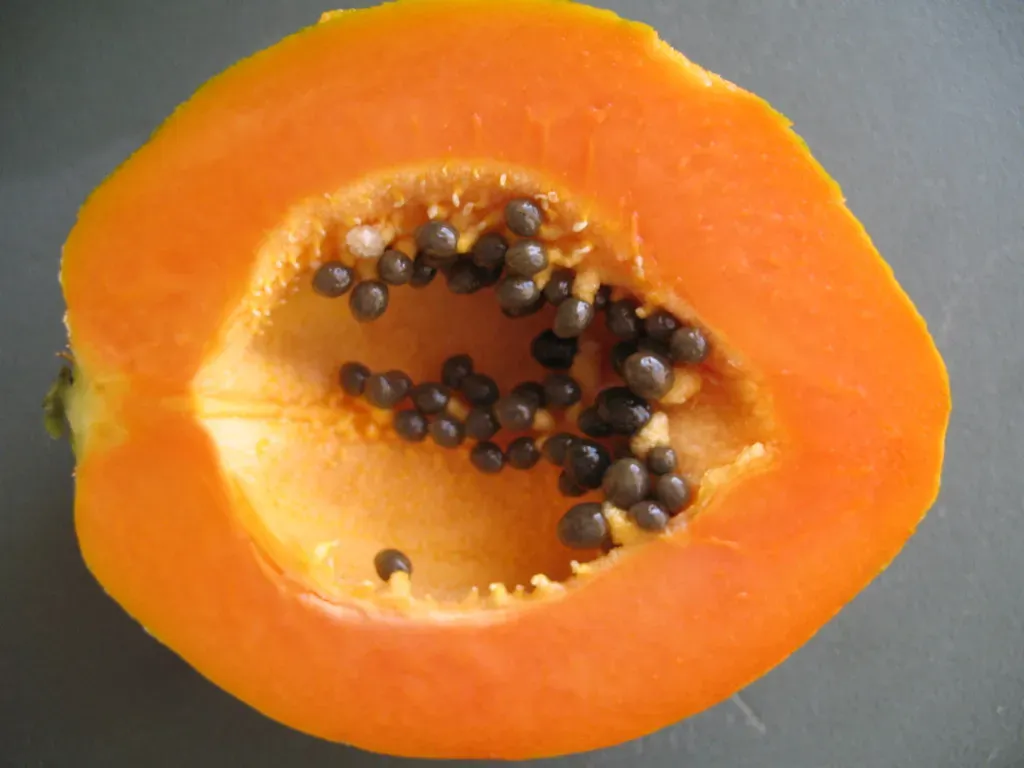
Papaya – The Underrated Tropical Powerhouse (Risager, Flickr, <a href="https://creativecommons.org/licenses/by-sa/2.0/" target="_blank" rel="noopener">CC BY-SA 2.0</a>)
Papaya is rich in vitamin C and vitamin A, nutrients that support immune health and promote vibrant skin. Papaya also contains folate, potassium, and magnesium, which contribute to heart health and help maintain healthy blood pressure. What truly sets papaya apart, however, is its enzyme content. Papain, a digestive enzyme found in papaya, aids in breaking down proteins and can support healthy digestion.
It contains six times more vitamin C, five times more vitamin E, and twice as much calcium as watermelon. Papaya contains a high amount of antioxidants and phenolic compounds, which have protective effects on HDL cholesterol, and these antioxidants may also improve the ratio and reduce the risk of heart diseases. It deserves far more attention than it typically gets in Western diets.
Kiwi – Small, Dense, and Quietly Impressive
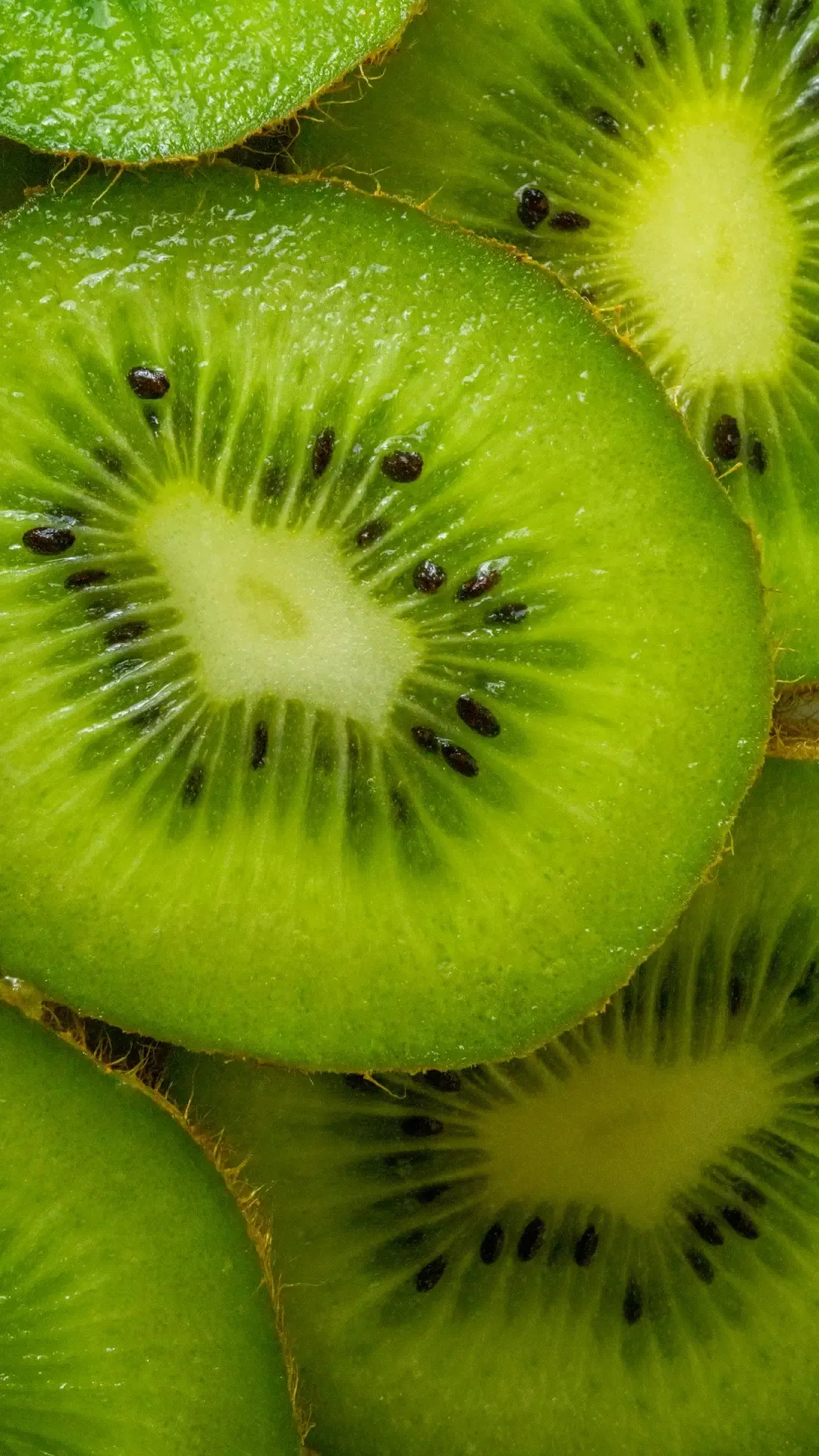
Kiwi – Small, Dense, and Quietly Impressive (Image Credits: Unsplash)
Kiwi is one of those fruits that earns its ranking through consistency across multiple nutrient categories rather than one dramatic standout. These fruits are an important and healthy source of biologically active substances, including vitamins, phenolics, carotenoids, and minerals, and they promote quality of life. A single kiwi covers a meaningful portion of the daily vitamin C requirement while also delivering vitamin K, folate, and potassium.
Current research by various scientific institutions points to kiwiberry, similar to kiwifruit, as one of the most nutritionally rich fruits in the world. The fiber content is solid, and the glycemic impact is relatively modest for a sweet fruit. Kiwi is the kind of fruit that rewards anyone who takes the time to actually eat it regularly.
Pomegranate – Antioxidant Royalty
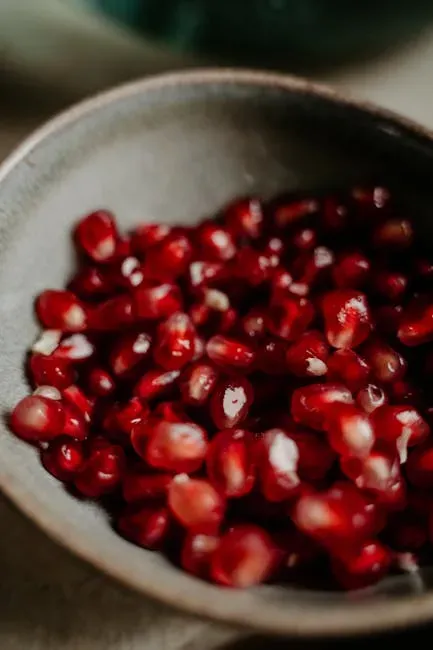
Pomegranate – Antioxidant Royalty (Image Credits: Pexels)
Pomegranate seeds and their juice-filled compartments are phytonutrient giants, with two to three times as much antioxidant activity as green tea or red wine, according to the U.C. Berkeley School of Nutrition. That's a remarkable figure. Few foods at any price point can match that kind of antioxidant density per serving.
There is tantalizing preliminary research suggesting pomegranates can help protect against cancer, lower blood pressure, improve cholesterol levels, and improve cognitive function. One pomegranate also contains a significant amount of vitamin K, which is essential for strong bones and healthy blood cells. The seeds take a little effort to reach, but the payoff is real.
Avocado – The Fruit That Breaks Every Rule
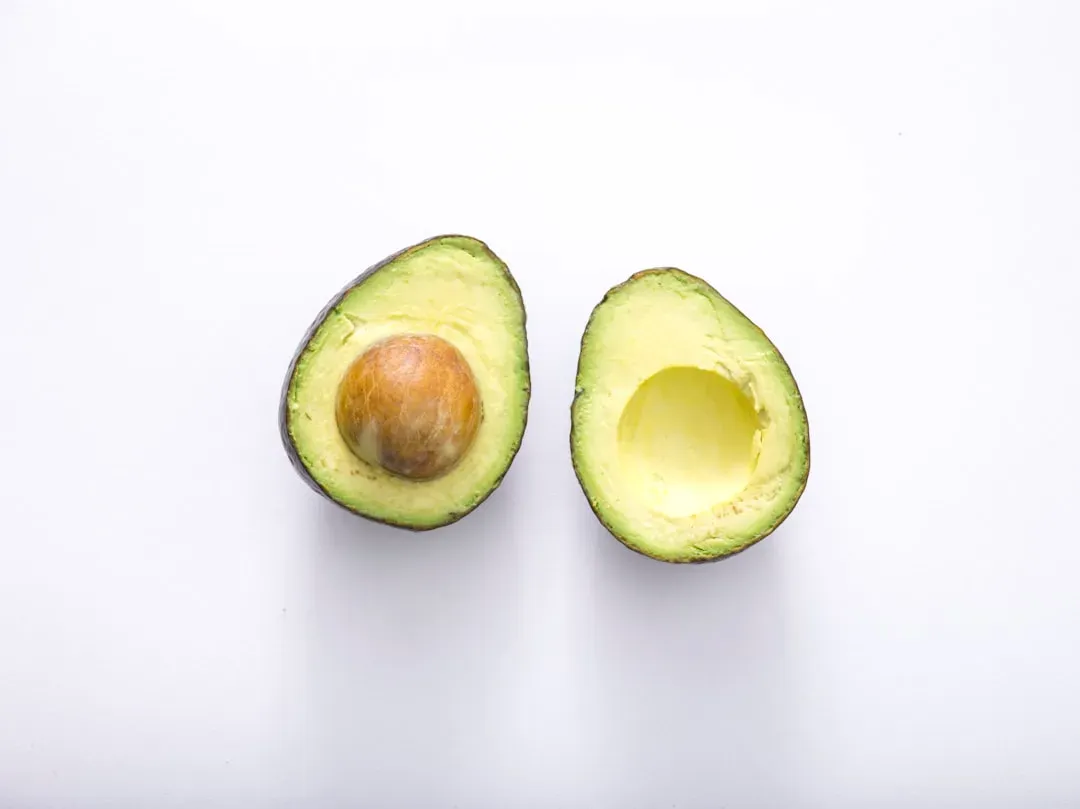
Avocado – The Fruit That Breaks Every Rule (Image Credits: Unsplash)
Avocados are often considered a superfood due to their high nutrient density. They are rich in healthy monounsaturated fats, particularly oleic acid, which is beneficial for heart health. Avocados are also an excellent source of fiber, vitamins C, E, K, and several B vitamins, including folate. No other commonly consumed fruit comes close to that breadth of nutrient coverage.
Additionally, avocados contain more potassium than bananas, which is crucial for maintaining healthy blood pressure levels. The fat content, which makes some people hesitant, is precisely why avocados are so nutritionally valuable. Those monounsaturated fats help the body absorb fat-soluble vitamins from other foods eaten in the same meal.
Blueberries – The One That Consistently Tops the List
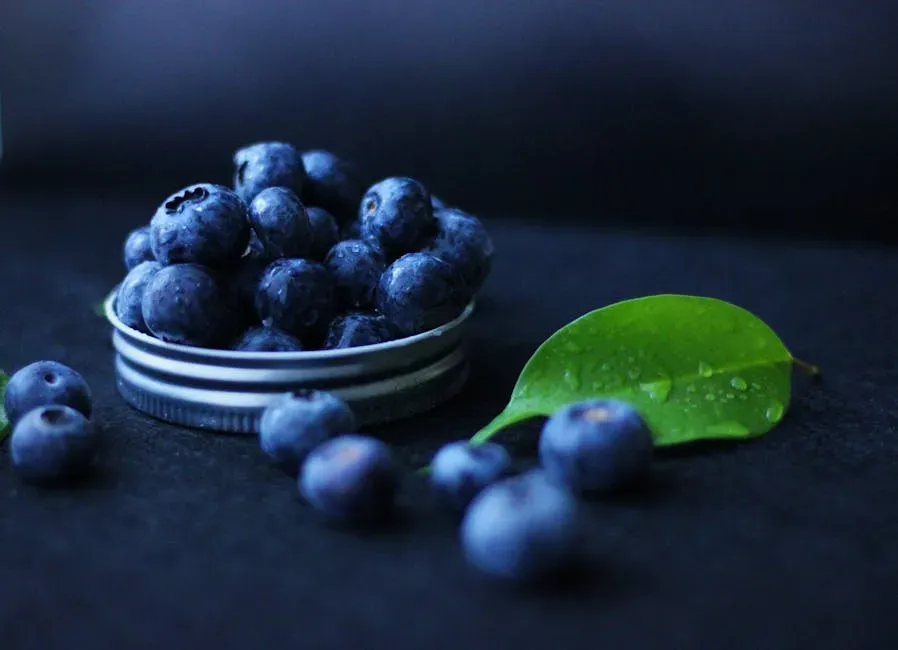
Blueberries – The One That Consistently Tops the List (Image Credits: Pexels)
Mounting evidence indicates that blueberry consumption is associated with a variety of health benefits. Regular consumption of blueberries can support and protect against cardiovascular disease and function, pre-diabetes and type 2 diabetes, and brain and cognitive function in individuals with health conditions and age-related decline. No other single fruit has accumulated quite this depth of clinical research.
Mechanistic investigations highlight the role of blueberry anthocyanins in mediating these health benefits, in part through interactions with gut microbiota. Nutritional interventions with blueberries have also demonstrated the ability to improve recovery following exercise-induced muscle damage, attributable to anti-inflammatory effects. Blueberries top the list of healthiest fruits for weight loss, heart health, and gut health.
Raspberries – The Calorie-for-Calorie Champion
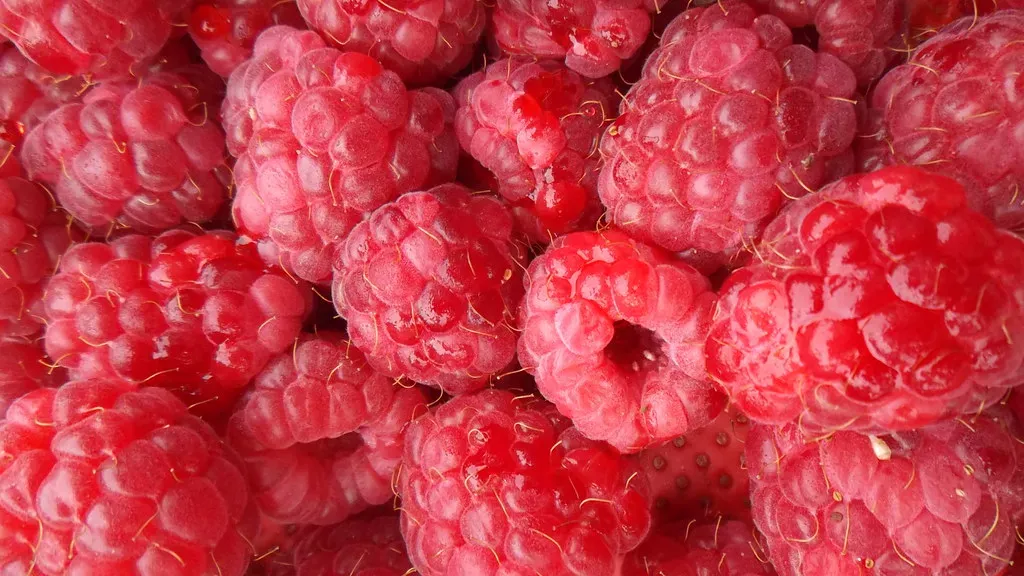
Raspberries – The Calorie-for-Calorie Champion (oatsy40, Flickr, <a href="https://creativecommons.org/licenses/by/2.0/" target="_blank" rel="noopener">CC BY 2.0</a>)
When asking what the most nutritious fruit is, the answer according to calorie-per-calorie ranking is raspberries. Those little, red, delicious berries top the list of the healthiest fruits when scored on micronutrient density relative to calories consumed. That's a finding that surprises most people, who tend to assume blueberries or some exotic fruit holds the top spot.
Berries, especially raspberries, blueberries, strawberries, and blackberries, are high in soluble fiber, which attaches to cholesterol in the intestines and removes it as waste. Red fruits such as raspberries have undergone significant increases in recognition due not only to their high nutritive value but also to their known health-promoting properties. They are a good source of many bioactive ingredients and nutrients, including vitamins A, C, and E, minerals, dietary fiber, and antioxidants.
Guava – The Nutritional Overachiever Most People Ignore
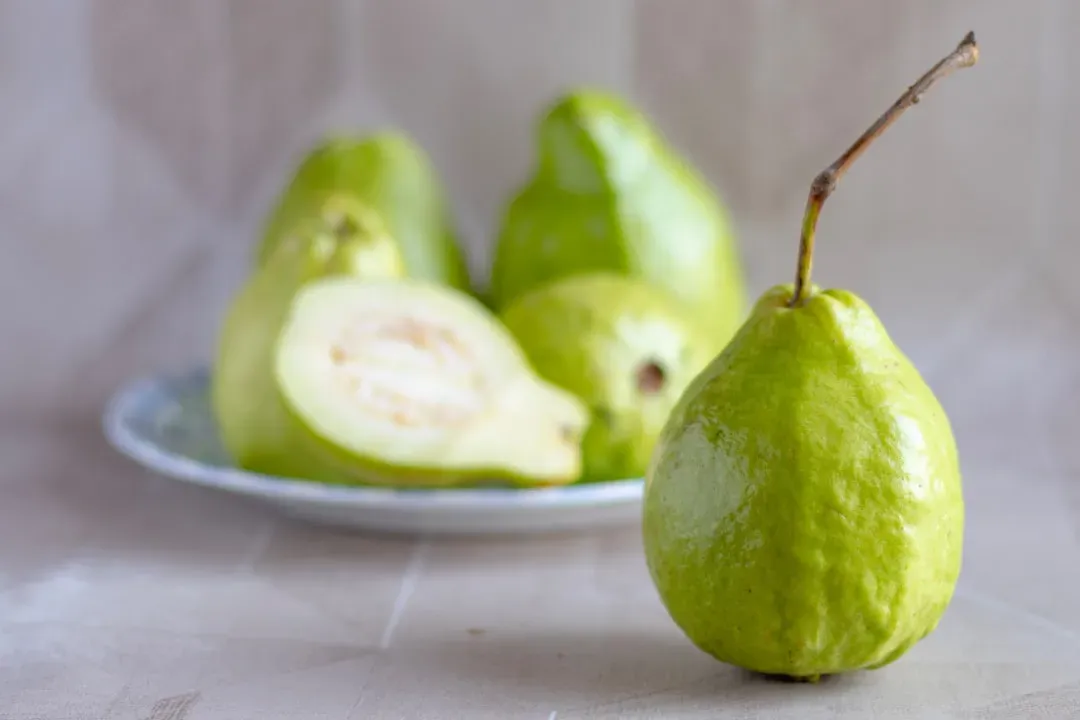
Guava – The Nutritional Overachiever Most People Ignore (Image Credits: Unsplash)
Guava is richer in vitamin C and copper, fiber, folate, potassium, vitamin B3, and vitamin B6 than watermelon. In fact, the vitamin C numbers for guava are staggering. Guava boasts a vitamin C content of around 228mg per 100 grams, far surpassing many other commonly eaten fruits. That level of vitamin C in a single piece of fruit is genuinely exceptional.
Guava provides 5.4 grams of dietary fiber per 100 grams, making it one of the most fiber-rich fruits available by weight. Guava is also known for its high antioxidant levels, which can help combat free radicals and boost heart health. It's inexpensive, widely available in many markets, and criminally underrated as a daily health food. If more people in temperate climates discovered guava, it would almost certainly be recognized as one of the world's great nutritional bargains.