
Water has always been the quiet foundation beneath every economy, every city, every farm. Most people don’t think about it until the taps slow, the bills spike, or the reservoir photos start circulating on the news. In 2026, that moment of reckoning has arrived for a growing number of American states, and the financial consequences are proving harder to ignore than the droughts themselves.
About 27 million people live in areas where the U.S. Geological Survey found a “high degree of local water stress,” a figure that experts say only tells part of the story. The costs of maintaining, replacing, and rationing water systems are climbing fast, and several states are now caught between inadequate infrastructure, shrinking supplies, and communities that simply can’t afford to pay more.
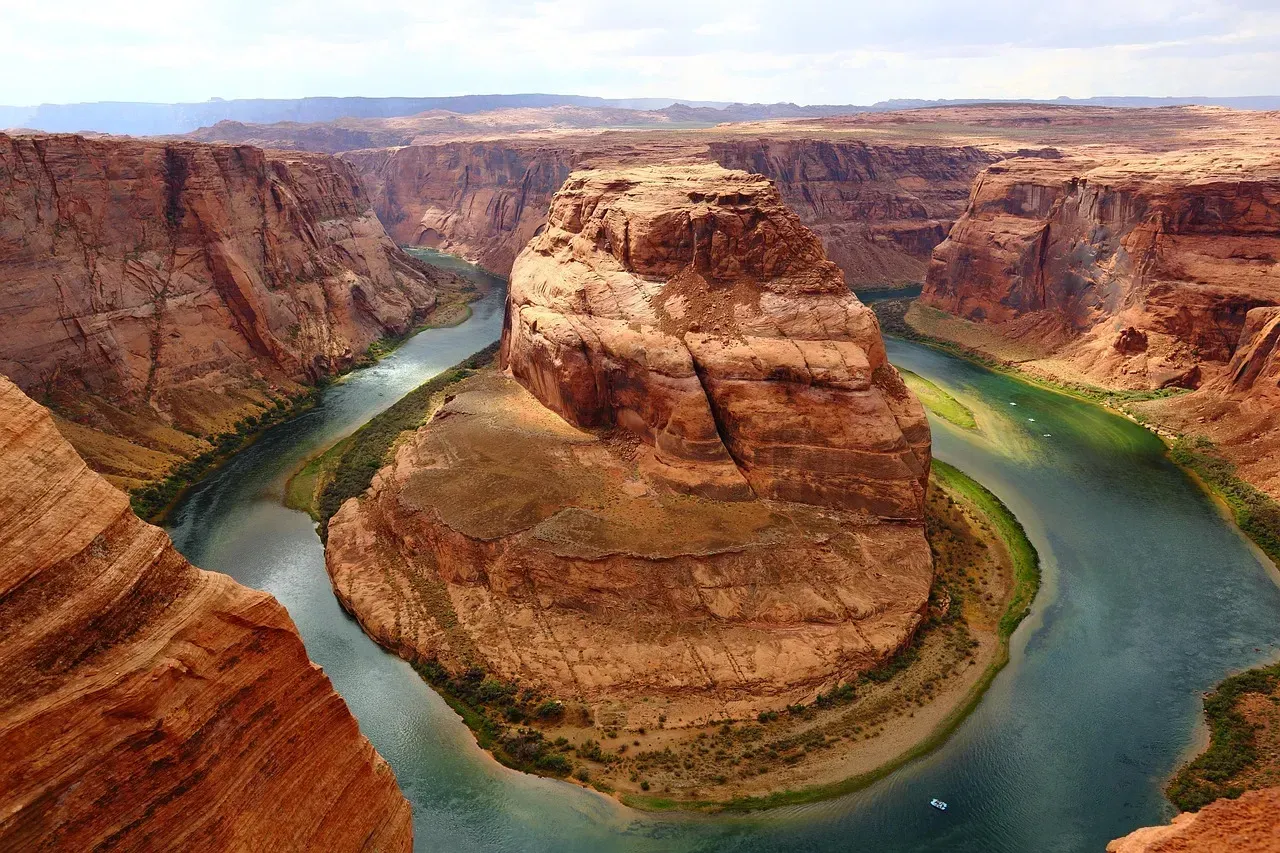
Arizona: Mandatory Cuts and a Shrinking Colorado River Lifeline
Arizona: Mandatory Cuts and a Shrinking Colorado River Lifeline (Image Credits: Pixabay)
Arizona will again go without 18% of its total Colorado River allocation, while the reduction for Nevada will stay at 7% into 2026. These are not minor adjustments. Arizona’s 2025 shortage tier represents a 512,000 acre-foot reduction, constituting roughly 30% of the Central Arizona Project’s normal supply and about 18% of Arizona’s total Colorado River water.
The Colorado River system is in a 20-plus-year drought that continues to stress the system, and long-term climate change means less Colorado River water available to Arizona going forward. Agriculture, cities, and tribal communities are all competing for a shrinking slice. The financial strain on municipalities that had built their growth plans around steady water allocations is becoming increasingly visible.
Nevada: Las Vegas Bracing for Sustained Shortfalls
Nevada: Las Vegas Bracing for Sustained Shortfalls (Image Credits: Flickr)
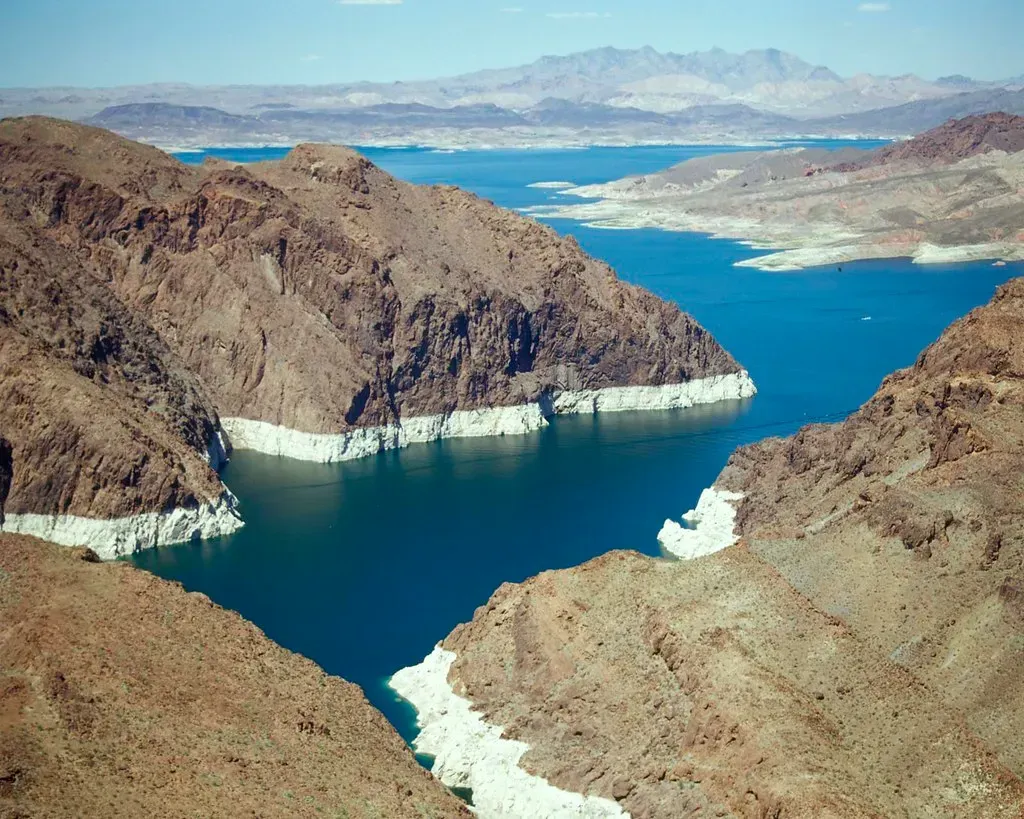
While Nevada’s drought has lessened at times, snowfall and runoff into the Colorado Basin have been well below average since 2000, resulting in significant water declines at major reservoirs like Lake Mead. The visible “bathtub ring” around Lake Mead has become a widely recognized symbol of just how much water the region has lost over two decades.
Water levels in Lake Powell could fall low enough to stop hydropower generation at the reservoir by December 2026, and the Colorado River Basin lost about 27.8 million acre-feet of groundwater between 2002 and 2024, roughly equal to the full storage capacity of Lake Mead. For Nevada, that means budget pressures tied to energy as well as water supply, creating a compounding fiscal challenge that state planners are only beginning to fully price out.
California: Groundwater Depletion and a Stressed Southern Half
California: Groundwater Depletion and a Stressed Southern Half (Image Credits: Unsplash)
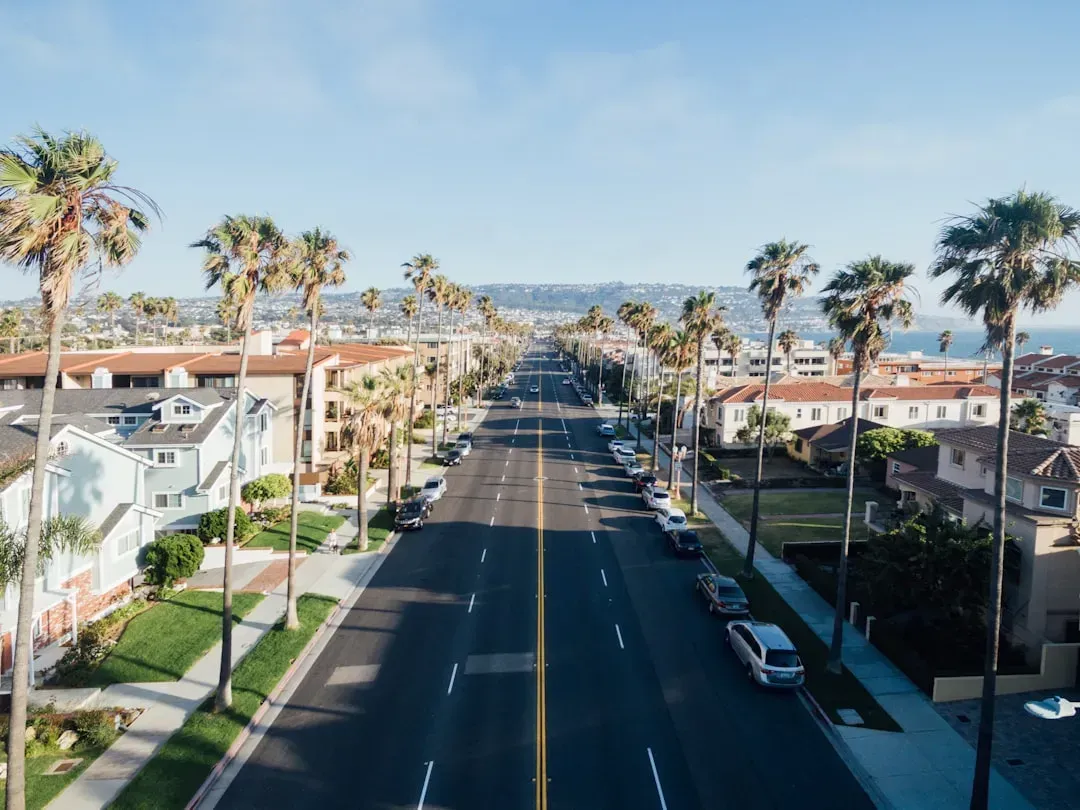
California is running out of groundwater as basins remain seriously depleted, accounting for approximately 41% of the state’s water supply, and the ongoing megadrought has increased fire danger, dried up farmland, caused crop shortages, and forced the adoption of ordinances limiting water consumption. The financial impacts ripple through agriculture, insurance markets, and municipal budgets simultaneously.
Reservoirs in California are mostly full after two good winters, yet Southern California remains in moderate to extreme drought, with impacts to agriculture, public health, and increased fire risk. Los Angeles’ reliance on imported water became more apparent after the 2025 Palisades fire, and the city relies heavily on water imported from hundreds of miles away and on Colorado River water, which is running dry from overextraction and climate change.
Texas: Drying Reservoirs and Infrastructure Under Pressure
Texas: Drying Reservoirs and Infrastructure Under Pressure (Image Credits: Pexels)
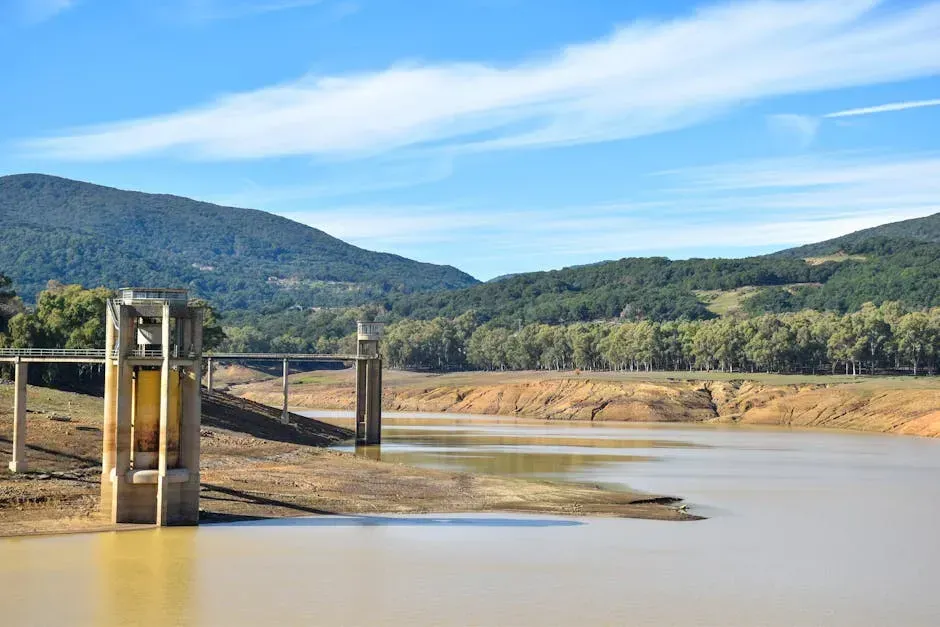
The water shortage in Texas stems from a combination of drought, extreme heat, wildfires, and climate change, factors that have exposed the state’s weakening infrastructure – with Lake Travis, the largest reservoir supplying Austin, sitting at only 38% full in January 2024, down from 80% full just two years earlier. The speed of that decline is striking.
South Texas has been significantly impacted, as Lower Rio Grande reservoirs dropped from 33% to 23% full between 2023 and 2024. In the town of Mathis, Texas, the only water source is drying up, and officials are racing to find an alternative supply, exploring deep groundwater wells and reclaimed wastewater as potential solutions. For smaller communities, these emergency fixes carry enormous costs relative to their budgets.
New Mexico: Snowpack Declines and River Systems Under Stress
New Mexico: Snowpack Declines and River Systems Under Stress (Image Credits: Pexels)
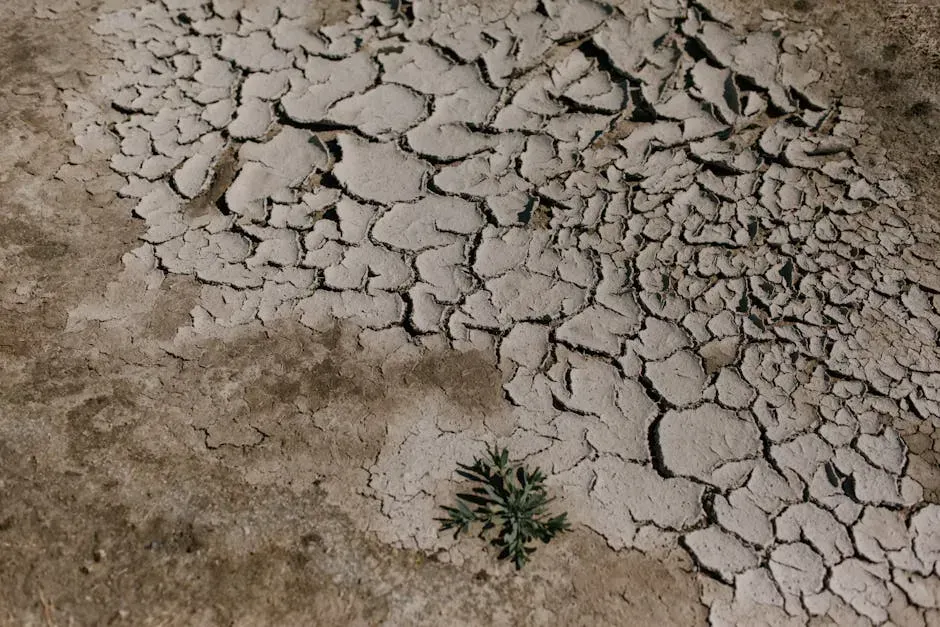
Drought has blanketed most of New Mexico, with extreme conditions in the northern and southeastern parts of the state, an unusually light snowpack contributing to the dry conditions affecting millions of residents, and lower river levels hampering both agriculture and recreational activities. The state’s economy leans heavily on farming and ranching, both of which depend on predictable water access.
Many counties in Colorado and the broader Rio Grande region recently sustained severe to extreme drought conditions, and with the drought, dry river sections, water shortages, wetland loss, and reduced riparian vegetation are becoming increasingly common across a river that supplies freshwater to seven U.S. and Mexican states. New Mexico sits squarely in that zone of overlapping stress, making federal negotiations over river water rights a constant fiscal and political pressure point.
Mississippi: A System Broken by Underinvestment
Mississippi: A System Broken by Underinvestment (Image Credits: Pexels)
Jackson’s water system didn’t fail overnight. The city’s infrastructure had been deteriorating for decades, driven by population decline, shrinking tax revenue, deferred maintenance, and chronic underinvestment. The human cost of that neglect became impossible to ignore when flooding in 2022 pushed the system to collapse.
Fixing infrastructure costs money, and Jackson’s water rates hadn’t kept pace with the system’s needs for years. A federal court approved a 12% rate increase to cover a $1.2 million monthly operating shortfall, raising the average monthly bill by an estimated $8 to $10 – a modest sum nationally, but significant in Jackson, where the median household income is roughly $40,000 and water affordability is already a serious concern.
Utah: Drawing Down Reservoirs at Double the Normal Rate
Utah: Drawing Down Reservoirs at Double the Normal Rate (Image Credits: Pixabay)
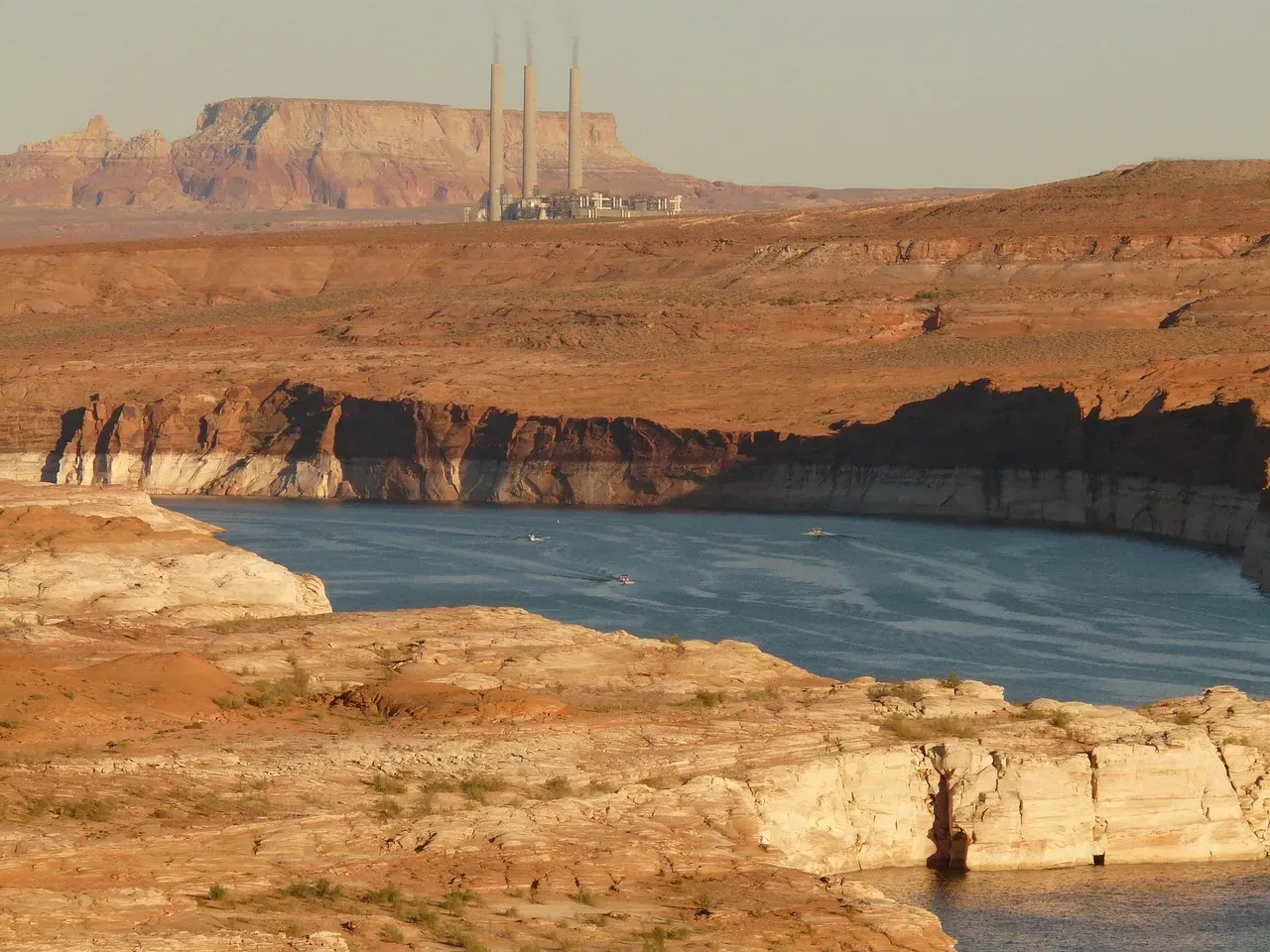
Utah’s reservoir levels are showing a drastic decline, with the state drawing down reservoirs at more than double the normal rate since mid-2025, driven by increased demand, lower-than-normal spring runoff, and an extremely dry summer. That kind of rapid drawdown puts pressure not just on water managers, but on state budgets that need to fund emergency measures and infrastructure upgrades simultaneously.
Utah is also part of the broader Colorado River Basin compact negotiations, where lower-basin states – California, Arizona, and Nevada – are at odds with upper-basin states including Colorado, Wyoming, Utah, and New Mexico as they negotiate over dwindling water supplies. Without a durable agreement, each state faces the prospect of unilateral federal intervention, carrying its own set of unpredictable financial consequences.
Georgia: Data Centers, Drought, and a Growing Public Backlash
Georgia: Data Centers, Drought, and a Growing Public Backlash (Image Credits: Pexels)
Georgia is home to more than 200 data center facilities, and their thirst for water is turning into a political flashpoint, with the entire state experiencing moderate to high levels of drought and Governor Brian Kemp declaring a state of emergency in response to one of Georgia’s worst wildfire outbreaks in years. The collision between industrial water use and residential need is fueling real community anger.
Residents of a Fayetteville subdivision noticed unusually low water pressure, and when county utilities investigated, officials discovered two industrial-scale water hookups feeding a data center campus – one installed without the utility’s knowledge, and the other not linked to any billing account – resulting in more than 29 million gallons of unaccounted-for water use. Meanwhile, in Atlanta, decades-old pipes have caused major water main breaks, flooding streets and prompting officials to declare a state of emergency and issue boil-water advisories while crews undertook emergency repairs.
Virginia: Preventable Failures and Rising Infrastructure Costs
Virginia: Preventable Failures and Rising Infrastructure Costs (Image Credits: Unsplash)
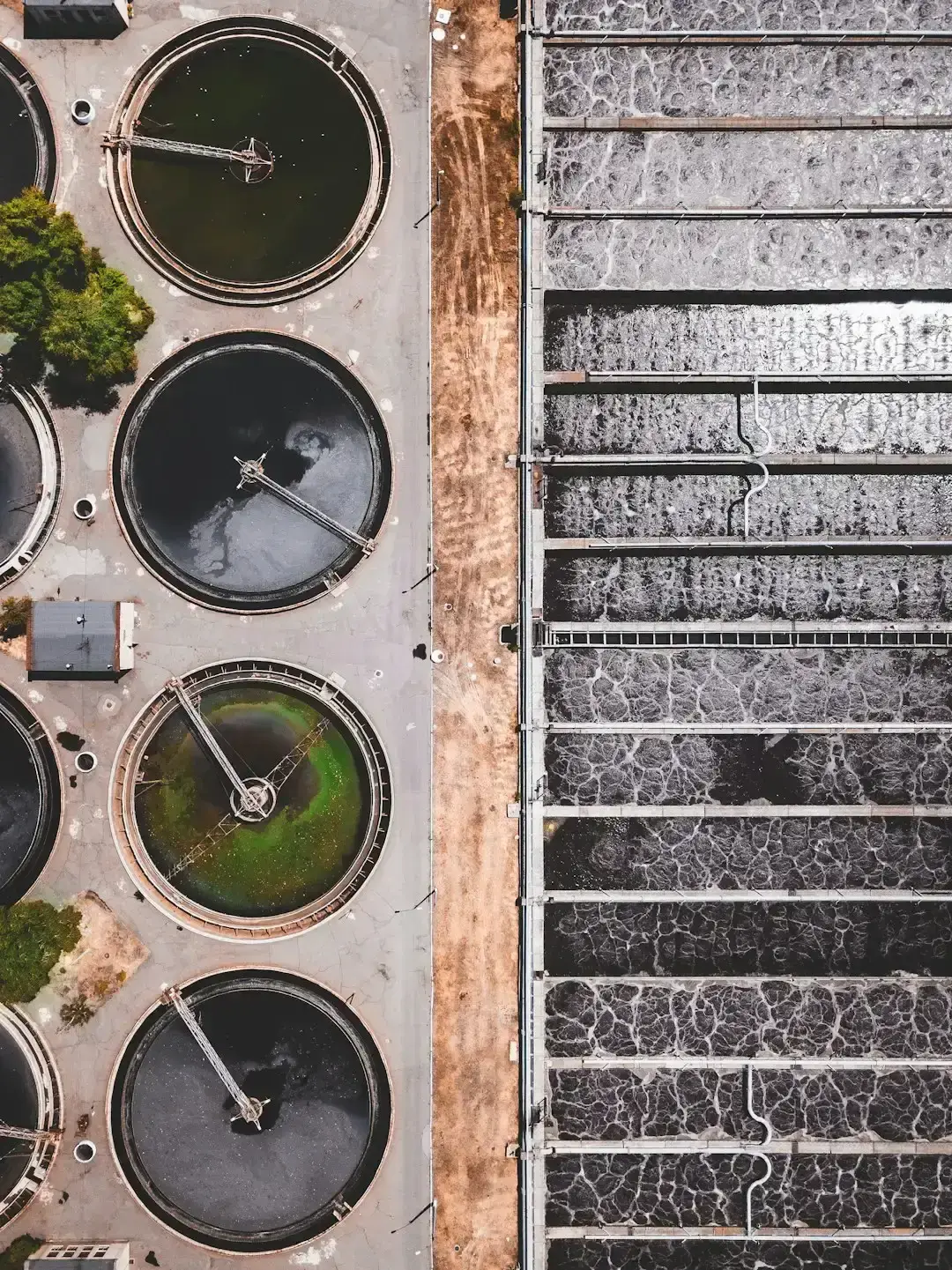
In January 2025, Richmond experienced a major disruption when a power failure knocked out its water treatment plant, triggering a boil-water advisory for several days that left the city’s 230,000 residents and residents of adjacent counties without drinkable tap water. According to a report from the Virginia Department of Health, the crisis was described as “completely avoidable.” That word carries real weight when cities are asked to justify budget increases to fix systems that shouldn’t have failed.
A second boil-water advisory in May 2025 underscored Richmond’s need for long-term infrastructure upgrades after backup systems and filtration equipment failed again earlier that year. Water utilities across the country are working to meet rising costs for operations, maintenance, and aging infrastructure upgrades, while facing difficult decisions about raising rates – often with the possible consequence of taking on substantial financial risk. Virginia’s situation reflects a national pattern: infrastructure decisions delayed for years are now arriving with compounded price tags.
The Broader Financial Picture: What This Means for States and Households
The Broader Financial Picture: What This Means for States and Households (Image Credits: Unsplash)
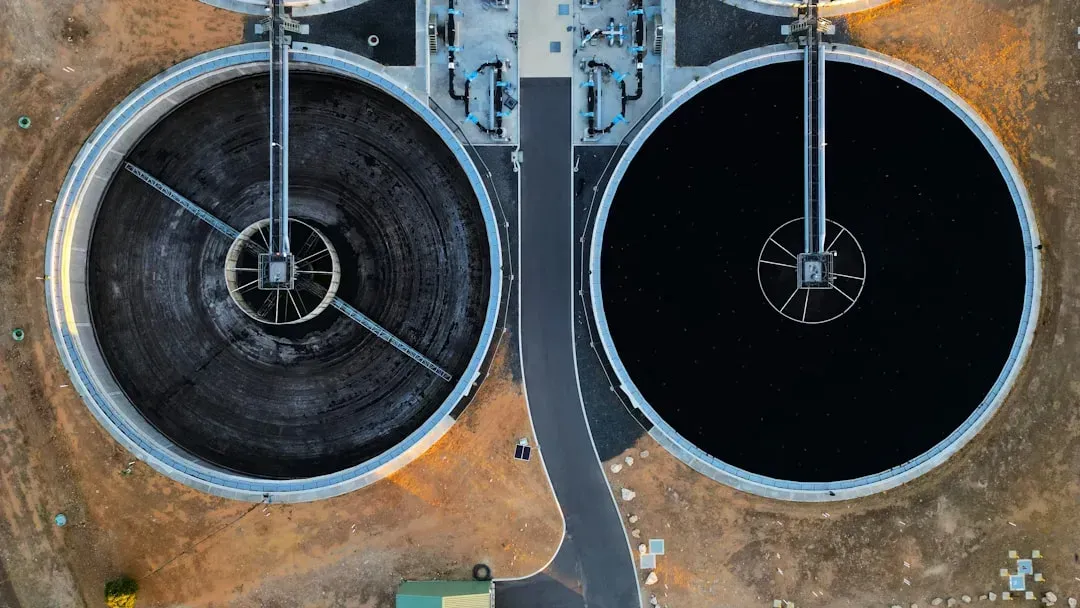
Bluefield Research observed in 2025 that U.S. water and sewer bills had risen 24% over the previous five years. In its 2025 infrastructure report card, the American Society of Civil Engineers gave U.S. drinking water a C-minus score and wastewater management a D-plus, citing the ongoing battle to replace aging water pipes nationwide. These grades aren’t abstract – they translate directly into future repair bills and service disruptions.
The growing water crisis carries striking economic implications, and by 2050, water scarcity in some regions could impact GDP growth by as much as 11.5%, according to World Bank estimates. Water scarcity’s economic impact is expected to increase in the years to come, with industries such as energy, agriculture, and manufacturing among the more likely to be affected. For the nine states already feeling the strain today, that future timeline is starting to feel like the present.