
The tuna sandwich has been a lunchbox staple for well over a century. According to the Smithsonian, tuna salad sandwiches originated in the 19th century as a way to avoid wasting food. It’s hard to argue with that kind of staying power. Still, what started as a practical, protein-packed meal has slowly been overshadowed by one ingredient that nutritionists are increasingly asking people to reconsider: mayonnaise.
The concern isn’t about taste. It’s about what mayo quietly does to one of the leanest, most nutritious proteins available. Food experts and registered dietitians have grown more vocal about this in recent years, and the reasoning behind their advice is grounded in straightforward nutritional science.
Tuna Is One of the Cleanest Proteins You Can Eat
Tuna Is One of the Cleanest Proteins You Can Eat (Image Credits: Pexels)
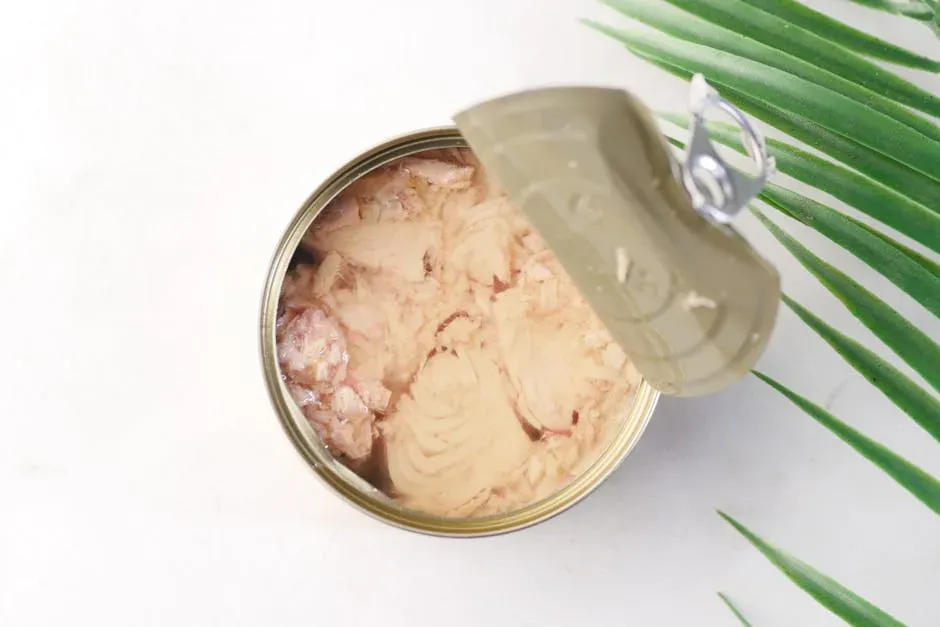
On its own, tuna is an excellent source of lean protein. Three ounces of albacore tuna provides about 23 grams of protein and only 120 calories. That's a remarkable nutritional return for such a small serving. It also happens to be affordable, shelf-stable, and quick to prepare.
Canned tuna is a nutrient-dense food and a good source of protein, omega-3 fatty acids, vitamin D, and selenium. Those omega-3 fatty acids are critical for healthy brain function, as well as reducing inflammation and supporting cardiovascular health. That's a compelling package – before you add anything to it.
The Calorie Bomb Hidden in Your Mixing Bowl
The Calorie Bomb Hidden in Your Mixing Bowl (Image Credits: Unsplash)
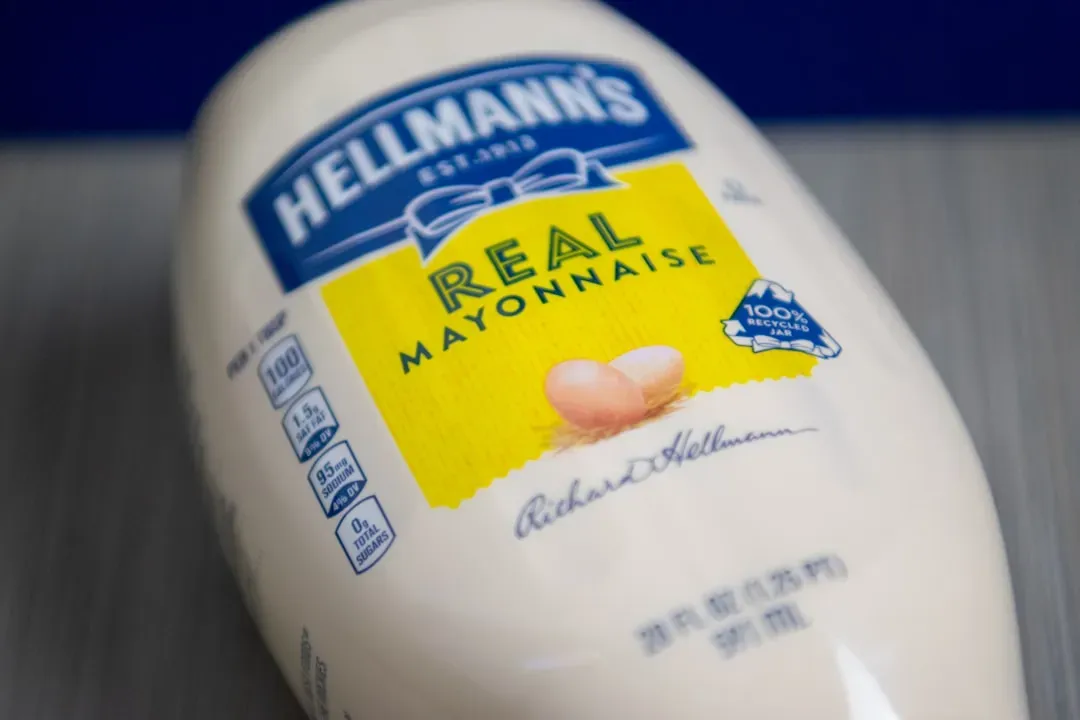
One cup of mayonnaise contains more than 1,400 calories and around 160 grams of fat. Even smaller portions add up quickly, turning one of the leanest proteins available into a meal loaded with unnecessary calories and fats. Most people don't measure mayo when they spoon it out, which compounds the problem considerably.
Just one tablespoon of mayonnaise has around 90 calories and about 10 grams of fat, and all that adds up. People who eat mayonnaise every day might be consuming hundreds of calories without really knowing it. For anyone who turns to tuna precisely because it's a lighter option, that's a meaningful contradiction.
What Mayo Actually Does to Tuna's Nutritional Profile
What Mayo Actually Does to Tuna's Nutritional Profile (Image Credits: Pixabay)
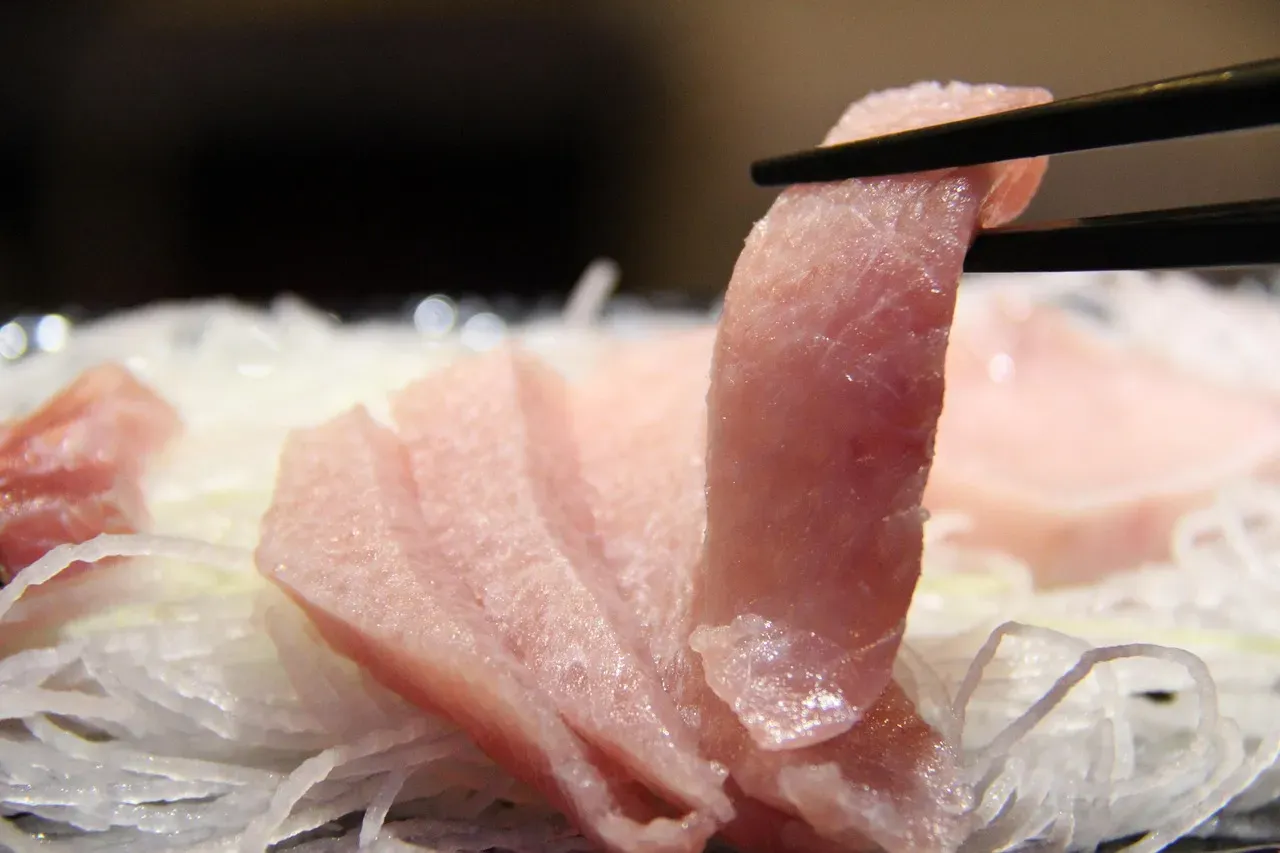
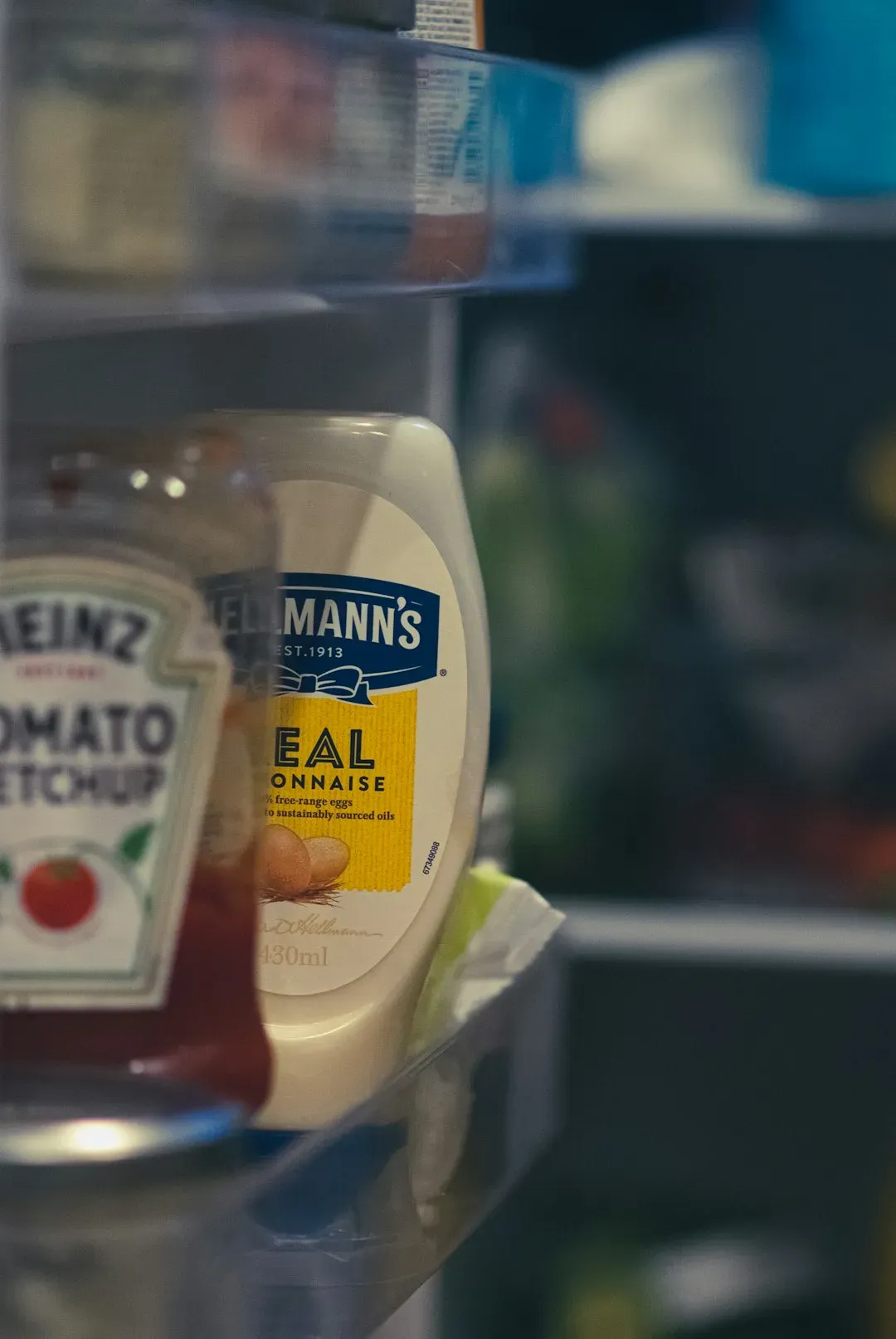
Once mayonnaise enters the picture, tuna's nutritional profile changes fast. Even smaller portions add up quickly, turning one of the leanest proteins available into a meal loaded with unnecessary calories and fats. For anyone trying to manage weight, inflammation, or heart health, mayo quietly works against those goals.
A lot of people who are on a weight-loss diet will turn to tuna because of its high level of protein, but if you're eating tuna as a traditional tuna salad with mayonnaise, you may be consuming unnecessary calories and fat. The whole nutritional argument for choosing tuna in the first place starts to unravel once a generous scoop of mayo is folded in.
The Saturated Fat and Omega-6 Imbalance Problem
The Saturated Fat and Omega-6 Imbalance Problem (Image Credits: Pixabay)
Part of what makes mayonnaise controversial in the health and nutrition world is that it's pretty high in saturated fat. A tablespoon of mayonnaise has about 1.6 grams of saturated fat. That might sound modest in isolation, but most people use far more than a single tablespoon in a standard tuna mix.
Most of us get 14 to 25 times more omega-6 fatty acids than omega-3s. Standard mayo is made primarily with soybean oil, which is very high in omega-6 fatty acids. Studies show our bodies convert the most common form of omega-6 into a compound that can promote inflammation and blood vessel tightening, though recent research indicates this effect is more likely associated with a diet already low in omega-3s. Adding a soybean-oil-heavy spread to an omega-3-rich fish creates a lopsided pairing nutritionally.
The Added Sugar Nobody Talks About

The Added Sugar Nobody Talks About (Image Credits: Pexels)
Believe it or not, that jar of mayonnaise you bought from the store probably has added sugar in it. Regular mayonnaise contains about one gram of sugar per tablespoon. That number climbs fast with reduced-fat varieties. Mayonnaise that claims to be low-fat may indeed be low-fat but also tends to have more added sugar, usually more than four grams of sugar per tablespoon.
This is a pattern seen across many processed condiments. These options usually contain more processed ingredients. When manufacturers reduce fat and oil, they often replace them with sugar, salt, gums, and thickeners, such as food starch. Choosing a low-fat mayo to "be healthier" can backfire in ways the label doesn't immediately make obvious.
Tuna's Omega-3 Benefits Are Too Good to Dilute
Tuna's Omega-3 Benefits Are Too Good to Dilute (Image Credits: Pexels)
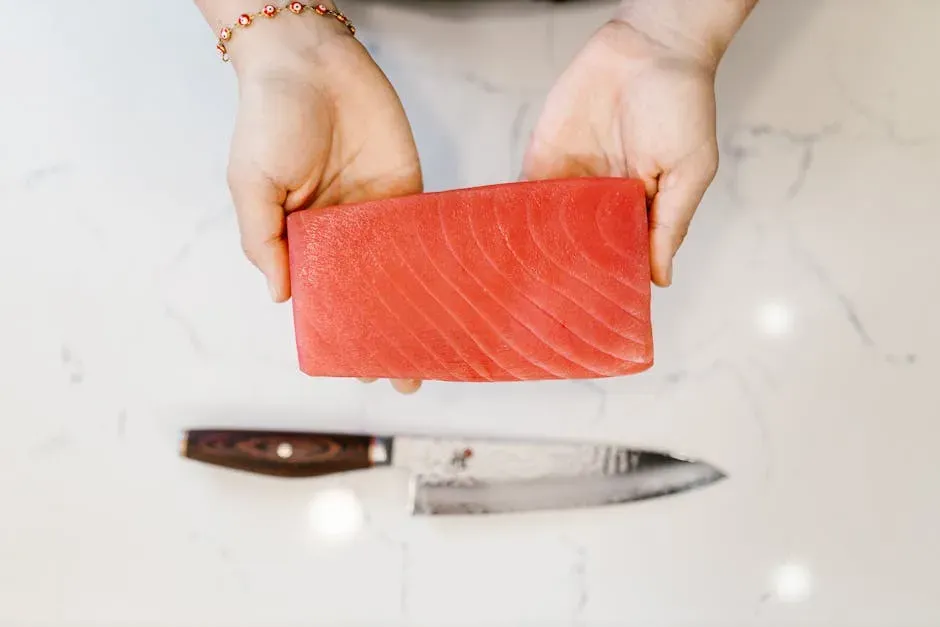
Studies have shown that eating more omega-3 is associated with reduced rates of cardiovascular disease, including heart attacks. Tuna is one of the most convenient and affordable ways to get these fats into a regular diet. The omega-3s in tuna also seem to have a positive effect on eye health. In a study of 40,000 female health professionals, women who ate multiple servings of tuna per week had as much as a 68% lower risk of developing dry eye. Omega-3s are also thought to contribute to the overall health of the retina.
Tuna's omega-3 fatty acids are also believed to slow the growth of tumor cells and reduce inflammation in the body. This is important because many types of cancer are correlated with chronic inflammation. This is a top reason the American Heart Association recommends eating two servings of such fish every week. Pairing tuna with a condiment that counteracts those anti-inflammatory benefits is worth reconsidering.
Greek Yogurt: The Substitute That Actually Works
Greek Yogurt: The Substitute That Actually Works (Image Credits: Unsplash)
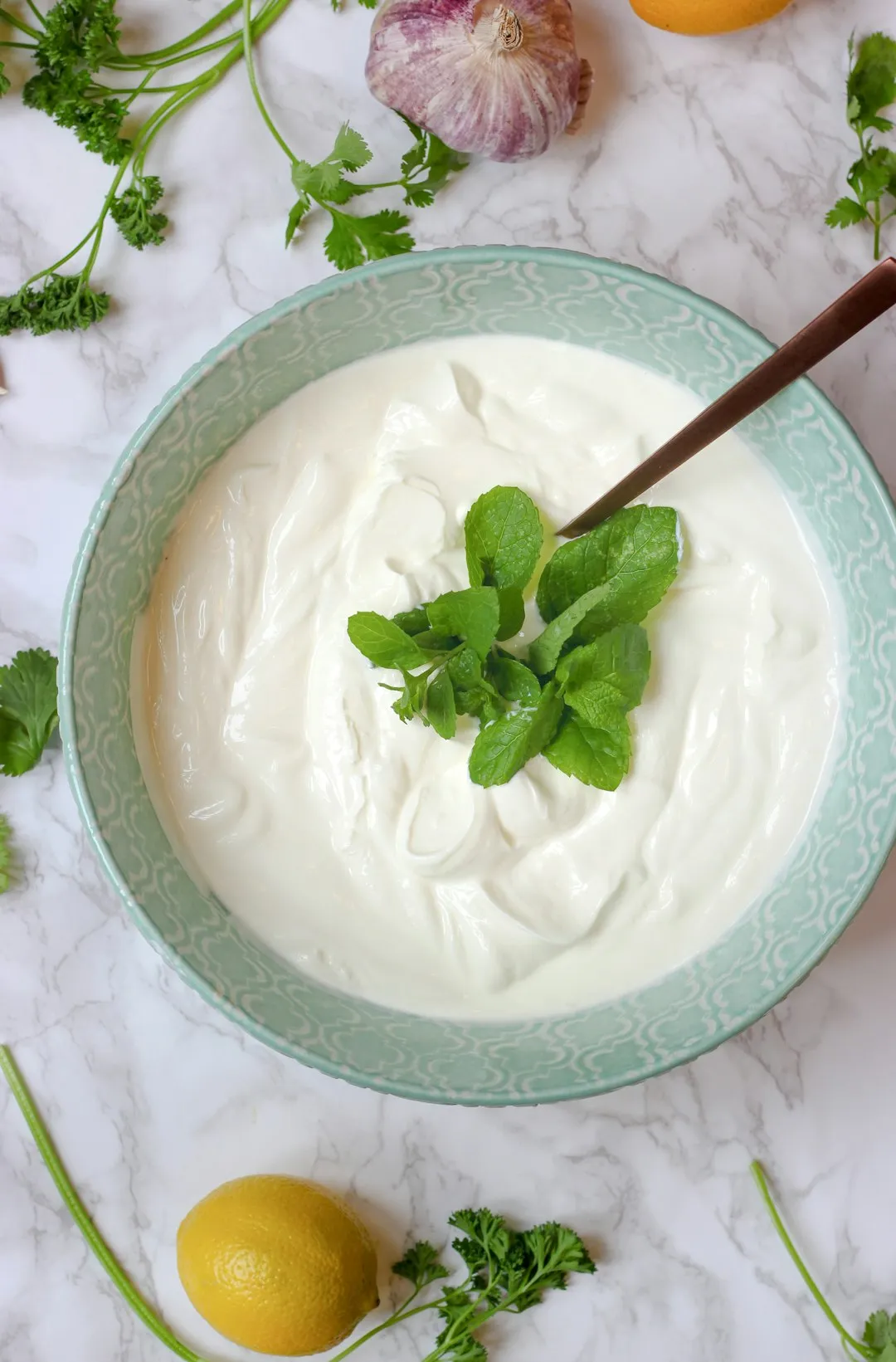
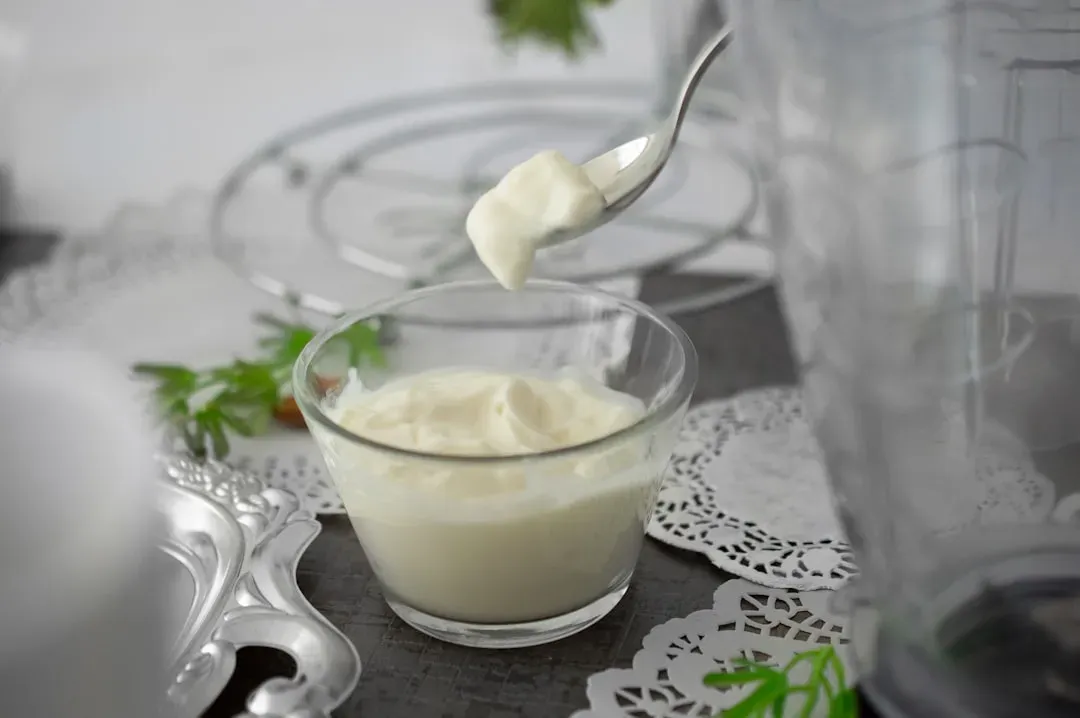
Greek yogurt has a tangy, creamy flavor and thick, spreadable consistency that makes it a fairly close match for mayo. It's exactly what you want to help pull a sandwich together. Nutritionally, it brings far more to the table. Greek yogurt is a great source of protein and probiotics.
For a more traditional swap, combine canned tuna, a tablespoon or two of Greek yogurt depending on how dry or moist you like your tuna salad, diced celery, diced red onion, a squeeze of lemon juice, and your favorite herbs or spices. Greek yogurt offers the most balanced profile – high protein, low fat, probiotic support – and works seamlessly in most recipes. It's ideal for those managing weight or building muscle.
Mashed Avocado: The Creamy, Heart-Healthy Alternative
Mashed Avocado: The Creamy, Heart-Healthy Alternative (Ruth and Dave, Flickr, <a href="https://creativecommons.org/licenses/by/2.0/" target="_blank" rel="noopener">CC BY 2.0</a>)
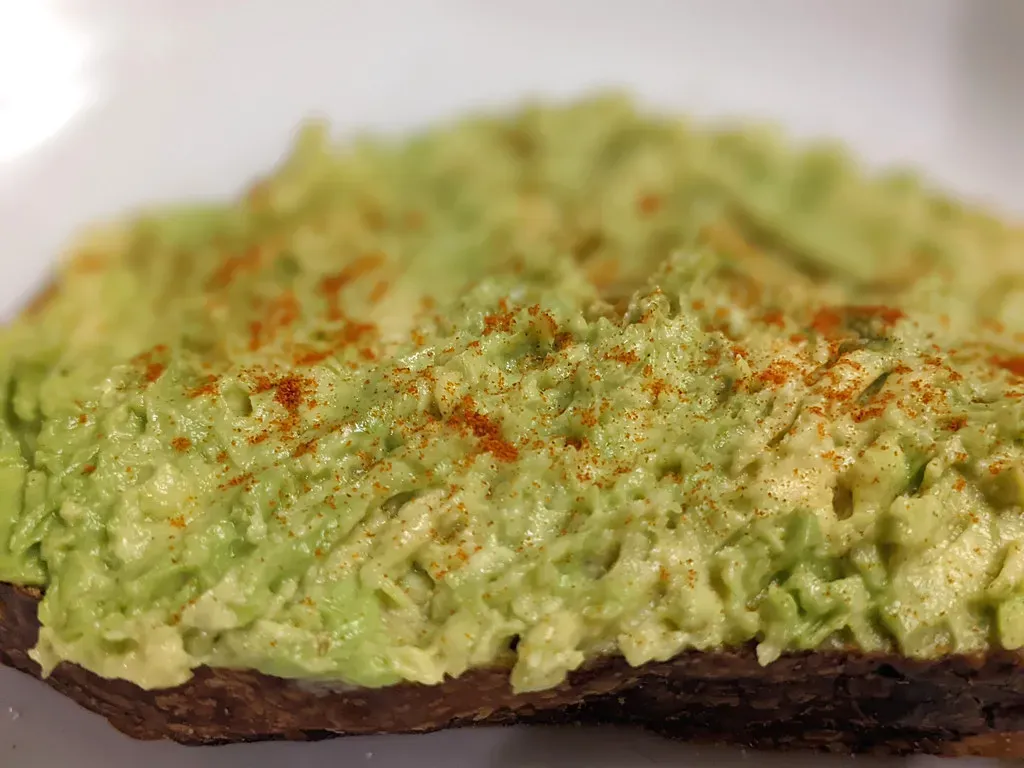
Mashed avocado is a nutritious choice that can add a rich, buttery texture and a substantial serving of healthy fats to your tuna. Unlike mayo, those fats are primarily monounsaturated, the kind associated with improved cholesterol profiles and reduced cardiovascular risk. It also brings fiber and potassium along for the ride, two things mayo simply doesn't offer.
You can mash ripe avocado and use it as a spread for sandwiches, or blend it up with plain yogurt to make a creamy dressing for any salad. If you're going the dressing route, try to make the dressing right before you eat, and add a healthy squeeze of lemon or lime juice. Avocado browns quickly, affecting appearance within hours, so this swap works best when assembled fresh.
Other Smart Swaps Worth Knowing
Other Smart Swaps Worth Knowing (Image Credits: Unsplash)
Other mayo alternatives people enjoy include sour cream, olive oil, avocado, cottage cheese, and Dijon mustard. Each one has a slightly different nutritional profile and flavor, so there's room to experiment depending on what you're looking for. You can also go with low-calorie rice vinegar, which aids digestive health and supports a healthy liver.
Hummus is an amazing substitute for mayonnaise. It's made from chickpeas, which are full of protein and fiber, tahini, olive oil, lemon juice, and spices. Combining two options, such as Greek yogurt with mashed avocado, can deliver both creaminess and nutrition. The key is finding a combination that holds the tuna together while actually adding something positive to the nutritional story.
A Note of Balance: Mayo Isn't Poison
A Note of Balance: Mayo Isn't Poison (Image Credits: Unsplash)
It's worth being clear: mayo isn't a dangerous food in moderate amounts. It's not high in saturated fat, added sugar, or sodium, and it's rich in healthy fat. The Dietary Guidelines for Americans recognize that added fat gives flavor, helps transport fat-soluble vitamins to your body, and makes foods enjoyable. The argument against mayo in tuna isn't absolute condemnation.
The real issue is portion reality. Regular mayonnaise contains high amounts of both calories and fat, so it's worth keeping an eye on how much of it you use. A standard serving size is 1 tablespoon. Most tuna salad recipes call for several times that amount. For people eating tuna specifically for its lean, heart-healthy qualities, the math stops making sense at a certain point.
The Bottom Line on Your Lunch
The Bottom Line on Your Lunch (Image Credits: Pexels)
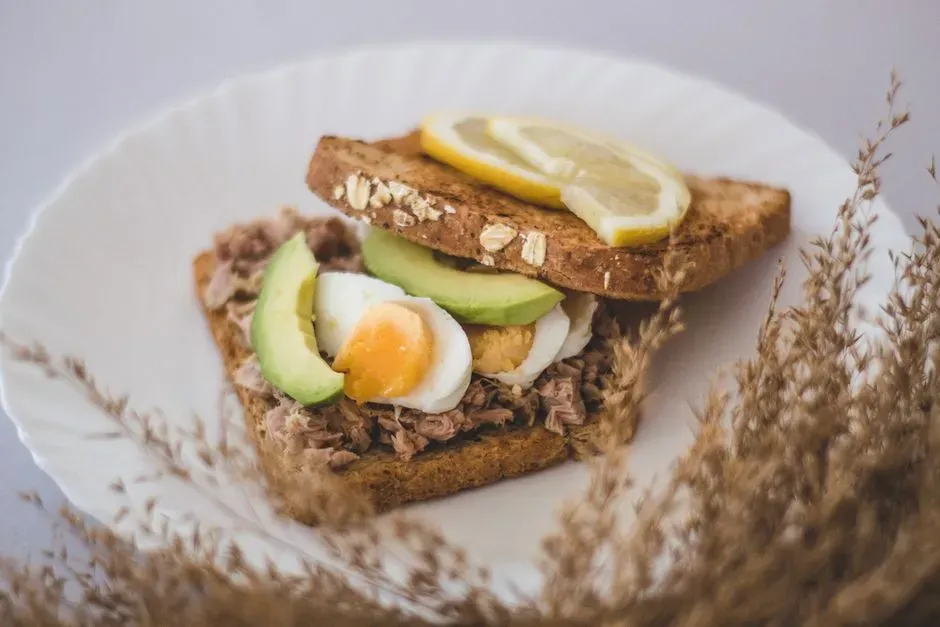
The tuna sandwich doesn't need to be reinvented completely. It just needs a smarter binder. You don't have to give up creamy tuna salad altogether. Nutritionists recommend swaps that preserve texture while dramatically improving nutritional value. That's a reasonable trade-off for a meal you might be eating several times a week.
Tuna is genuinely one of the more impressive foods available in a standard grocery aisle: affordable, high in protein, rich in omega-3s, and deeply versatile. The kindest thing you can do for it is pair it with something that lets those qualities shine rather than something that quietly buries them. Sometimes the best upgrade to a classic is a modest one.