

You may not realize it, but the way you look broke may have less to do with your financial status and more to do with your daily habits or current vibes. There are many people with good incomes and budgets, yet they continue to act as if they live paycheck to paycheck. It is not about shaming, it is about noticing the small behaviours.
Let’s take a look at the habits that make you look like you’re struggling, regardless of what your bank account says. If you have ever thought, ‘Why do people assume I’m struggling?’ this might explain it – a lot.
Constantly Talking About Prices

If you’re always commenting on or discussing how expensive everything is, you’re making it easy for others to think you’re financially struggling. Maybe you act shocked every time you see the prices of everyday items or say things like “Back in the day, it cost a lot less.” The end result is that you’re likely creating your broke image in their minds, the idea that you are literally struggling to survive.
So, silence is always the better option. You don’t have to talk about every penny you spent. Buying an expensive necessary item without crying about the price is likely to create a more positive image.
Letting Things Look Worn-Out for Way Too Long
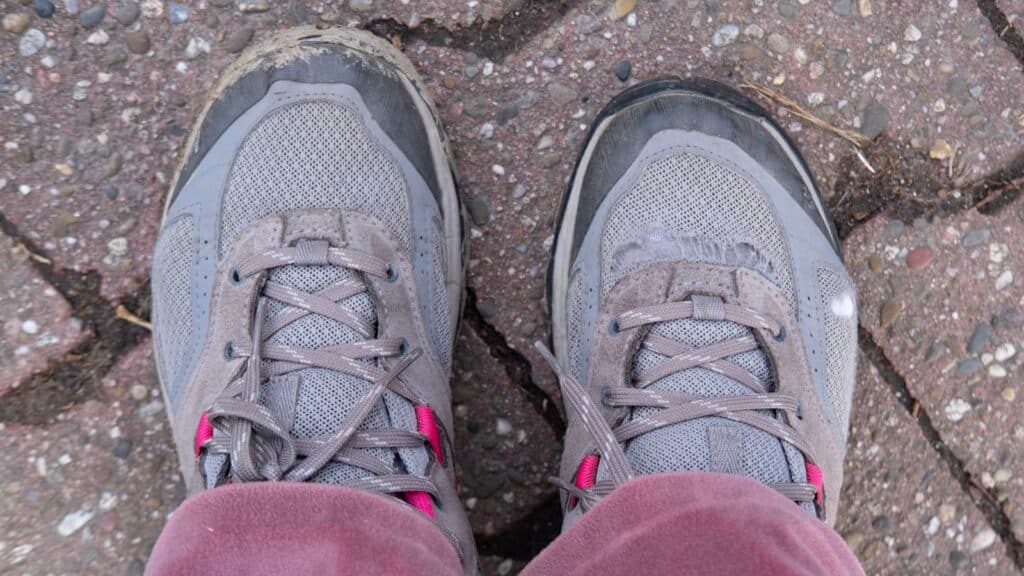
Wearing designer items is not important; what’s important is replacing the obviously dead items. If someone sees that your phone case is peeling, you’ve broken zippers, scuffed shoes, or cracked screens, it gives the impression that you can’t even afford to look decent.
Even though you are being very practical, these items create an unconscious perception of a broke person. Small maintenance upgrades quietly change how people perceive your financial stability more than big purchases ever will.
Over-Explaining Why You Didn’t Buy Something

You don’t owe it to anyone to explain why you didn’t purchase something; however, you still feel it is a necessity to justify why you didn’t buy it. “I could buy it, but I just don’t think it’s worth it right now because…” You keep talking.
A financially secure person will simply make their decisions and not worry about justifying them to anyone. Over-explaining what you can’t afford to purchase makes it appear to others that making money decisions makes you anxious, regardless of whether or not this is true.
Flexing Every Small Purchase

When you post everything from the coffee you bought today to any gadgets or meals on Instagram, you do not seem confident; it gives ‘trying too hard’ vibes. When someone has true financial freedom, they do not feel the need to share or show off every purchase they make.
Instead, they simply live their lives as normally as possible, without the need to prove anything.
The frequent posting of one’s spending habits creates an illusion for others that you are constantly attempting to prove something. Quiet consistency looks way richer than loud excitement over basic purchases.
Constantly Saying “I’m Broke” as a Personality Trait

Even if you are sitting with $50,000 in savings, $25,000 worth of investments, and a steady income coming in, when your friends hear “I’m broke” 24/7 as your go-to phrase, they will believe you. You will say it about brunch, taxis, birthdays, and everything else. Eventually, your friends will quit inviting you out because they think you cannot afford it.
Even worse, when you are constantly saying “I’m broke,” it will continue to lower expectations for you. And just like that, they’re going to remember you as their good broke friend.
Chasing Trends a Little Too Hard

You go after every trend… even those that make no sense to you at all. New phone, new aesthetic, new obsession – repeat. Because your spending pattern is based on impulse, not intention, so even if you can afford something, the only thing it tells people is that you have no idea what you’re doing with your money.
Rich people do not chase after trends; they find what suits them, and then they stick to it. When people see consistency, they perceive stability; when they see trend hop, they think “what a bunch of insecure losers.” And ultimately, insecurity always looks more broke than reality.
Over-Explaining Why You Bought Something

When you buy any single quality item, the immediate need to justify that purchase arises quickly. “I wouldn’t normally make that purchase, but it was on sale.” Or, “I deserve to have this after the week I have had!” Automatically explaining away the rationale for a purchase gives the perception of being reckless.
Financially secure people do not provide a narrative as to why they made a purchase; they trust their rationale. If it’s been purchased, it must be owned! Having confidence when sharing about what you’ve purchased comes without a cost, but adds to value.
Stressing Over Splitting Bills to the Penny

Fairness is a good thing; however, an unhealthy obsession with it leads to negative behaviors. If you are continuously calculating exact amounts every single time, people start to read it as financial anxiety. Sometimes covering an extra dollar or letting it go tells others that you are comfortable.
People do not even remember the exact numbers, but yes, they do remember how relaxed or tense you were about them. Constant precision can make it seem like you are hardly stretching every cent, even when you’re not.
20 Things That Meant You Were ‘Rich’ as a Kid

It was about who had the coolest lunchbox, the largest TV set, or the tastiest cereal. If you caught any of these at someone’s house as a kid, you knew they were rolling (or felt like they were). Let’s go take a trip down that savage memory lane.
20 Things That Meant You Were ‘Rich’ as a Kid