
When most people think about food shortages, they picture dramatic images: empty shelves after a hurricane, or headline news about droughts in faraway countries. What rarely makes it into dinner conversation is the slow, grinding pressure building inside the global food system right now, driven by problems that don't always make the front page.
These aren't distant theoretical threats. They're active forces reshaping what farmers can grow, what ships can carry, and what you'll eventually find on your plate. Some of the most consequential disruptions in 2025 and 2026 have roots in problems that are surprisingly easy to overlook.
The Fertilizer Crisis No One Warned You About
The Fertilizer Crisis No One Warned You About (Image Credits: Pixabay)
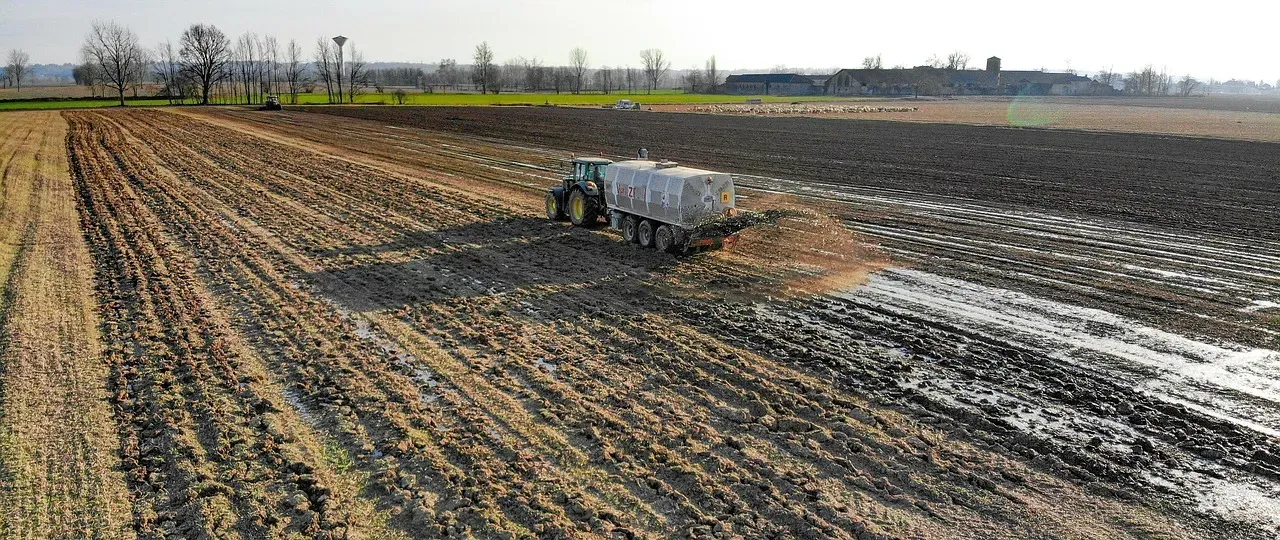
Fertilizer isn't glamorous, but it is foundational. Without it, modern agriculture as we know it simply doesn't function at the scale required to feed billions of people. The global agricultural landscape was thrown into a state of high alert following a staggering spike in fertilizer prices reported by the World Bank, with the surge documented in the April 2026 commodity report representing the sharpest monthly increase in years. The timing couldn't be worse: spring planting season was already underway in the Northern Hemisphere.
Around one third of the global seaborne fertilizer trade passes through the Strait of Hormuz, according to the United Nations, and this critical shipping route has been severely disrupted, with traffic effectively coming to a halt. Because natural gas accounts for up to roughly four fifths of the variable cost of producing ammonia and urea, fertilizer manufacturers were forced into impossible choices. The downstream effect on food prices won't be immediate, but it's coming. High fertilizer prices are a leading indicator of food inflation, and if current price levels persist, reduced corn acreage intentions will lead to a smaller harvest in the fall of 2026.
Water Scarcity: The Hidden Pressure on Your Grocery Bill
Water Scarcity: The Hidden Pressure on Your Grocery Bill (Image Credits: Unsplash)
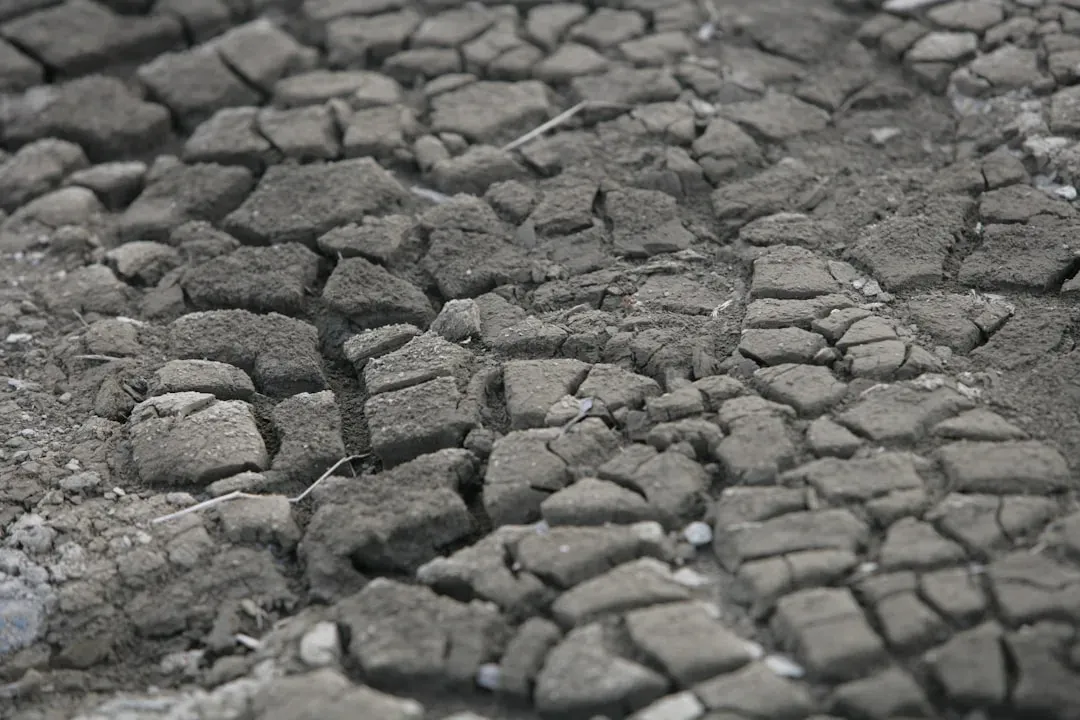
Water and food are essentially the same problem wearing different clothes. New analysis from the World Resources Institute shows that roughly one quarter of the world's crops are grown in areas where the water supply is highly stressed, highly unreliable, or both. That's not a future projection. That's the current reality for a huge share of global food production.
Rice, wheat, and corn, which together provide more than half the world's food calories, are particularly vulnerable, with roughly one third of these three staple crops produced using water supplies that are highly stressed or highly variable. Freshwater resources per person have dropped by roughly one fifth over the past two decades, while water availability and quality are deteriorating quickly due to decades of misuse, over-abstraction of groundwater, pollution, and climate change. Without substantial changes to present policies and practices, over four fifths of global croplands could face water scarcity by mid-century. That's a trajectory that's already nudging crop yields lower in some of the world's most productive farming regions.
Food Export Bans and the Quiet Politics of Grain
Food Export Bans and the Quiet Politics of Grain (Image Credits: Pexels)
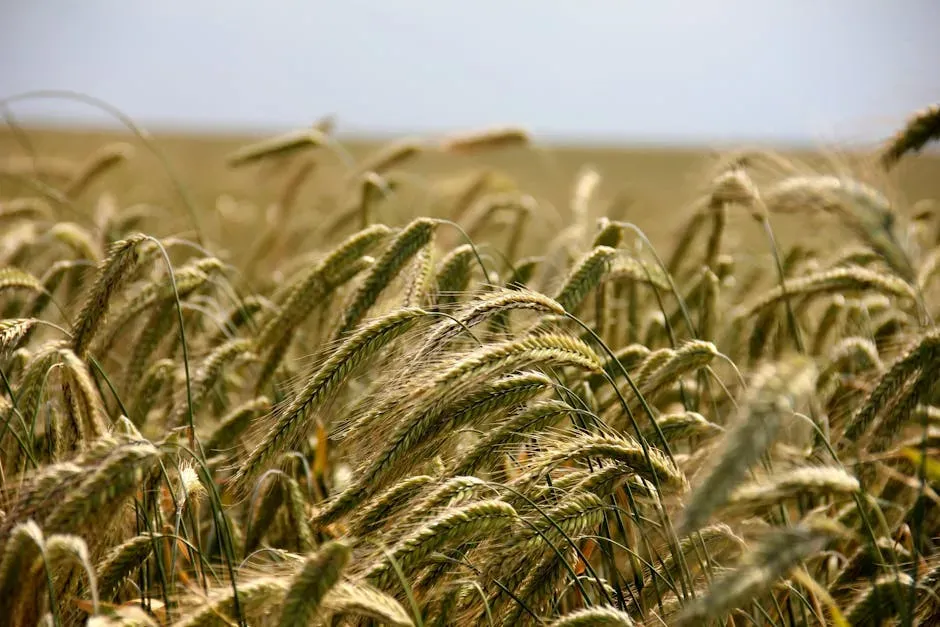
When countries get nervous about their own food supplies, they tend to pull up the drawbridge. It's a rational response at the national level that creates chaos at the global one. As of June 2024, sixteen countries had implemented twenty-two food export bans, and eight had implemented fifteen export-limiting measures in major food commodities including wheat, soybean, rice, sugar, and vegetable oils. These restrictions ripple outward fast, because global grain markets are tightly interconnected.
Production and trade of wheat, maize, and rice in 2024 decreased and were forecast to decline below 2023 levels. Global agricultural prices had been easing through 2025, but recent months brought uneven price movements, with conflict in the Middle East raising new risks by disrupting oil and fertilizer flows through the Strait of Hormuz. Wheat, maize, and rice prices all closed higher in early 2026 compared to the previous update period. Each of these shifts, individually modest, adds up to meaningfully higher costs at the checkout counter.
Staggering Food Waste That Undermines Every Solution
Staggering Food Waste That Undermines Every Solution (Image Credits: Unsplash)
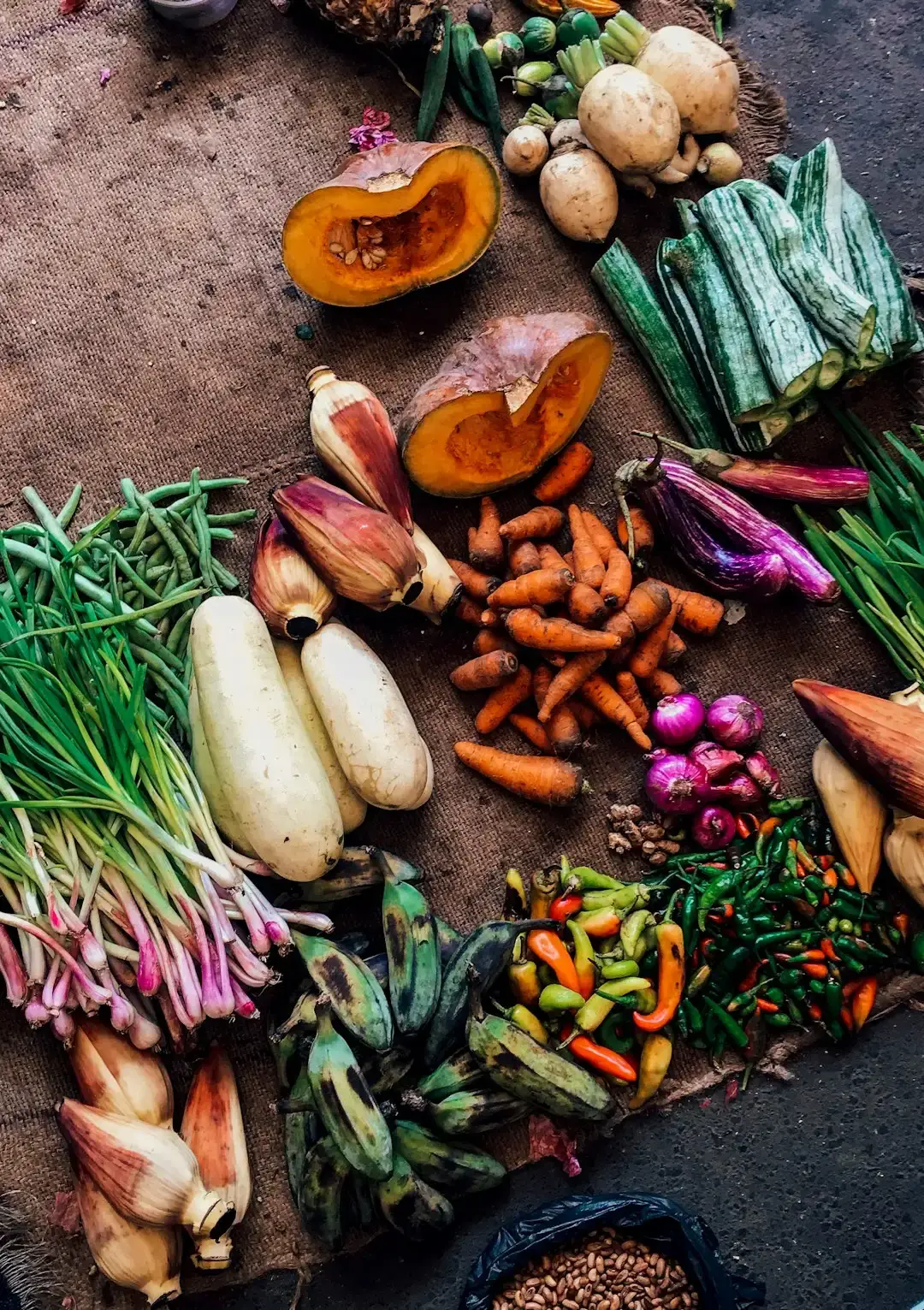
Here's the part that tends to get lost in conversations about supply chains and geopolitics: an enormous share of food that's produced never reaches anyone's mouth. According to the Food and Agriculture Organization of the United Nations, roughly thirty percent of food produced for human consumption is lost or wasted along the supply chain each year. That's not a rounding error. That's nearly a third of all the resources, water, land, fertilizer, and labor poured into growing that food, essentially going nowhere.
In 2024, the U.S. let a massive twenty-nine percent of its total food supply go unsold or uneaten, and while a small portion is donated or recycled, the vast majority becomes waste that goes straight to landfill, incineration, or the drain, or is simply left in fields to rot. Within the supply chain, farms contributed roughly a quarter of all surplus food, manufacturers generated nearly a fifth, food service generated close to another fifth, and retail generated a smaller but still notable share. Food loss and waste also accounts for an estimated eight to ten percent of global greenhouse gas emissions, which in turn drives climate pressure back onto agriculture itself. It's a loop that tightens with every season we don't address it seriously.