
Think about the last time you disagreed with a parent or grandparent about relationships. Maybe they pushed for commitment while you craved space, or they questioned your living arrangements while you saw nothing unusual about them at all. Those clashes are rarely just personal. They are generational. The values, fears, and expectations each of us carry into our romantic lives were largely shaped long before we ever went on a first date.
Every generation enters adulthood carrying the emotional residue of its era. Wars, economic crises, cultural revolutions, and even pandemics all leave invisible fingerprints on how people choose partners, define commitment, and decide when or whether to marry. What’s genuinely fascinating is how dramatically these patterns shift from one cohort to the next. Let’s dive in.
The Silent Generation and the Traditionalist Blueprint

The Silent Generation and the Traditionalist Blueprint (Image Credits: Pixabay)
For those born before 1946, marriage was not really a choice in the modern sense. It was a social contract, a rite of passage tied to community standing and survival. Marriage was largely viewed as an unbreakable bond, and divorce wasn’t often a realistic option. People married before they had kids, couples didn’t live together before the wedding, and all those rules applied. In this world, emotional fulfillment was almost secondary to duty and stability.
Honestly, there is something almost radical about how rigidly structured that system was. It produced lasting marriages, yes, but also plenty of quiet unhappiness. Older cohorts are more likely to marry, remain married, and consider relationship length as a marker of relational success. That perspective created a baseline that every subsequent generation either embraced, rebelled against, or quietly renegotiated.
Baby Boomers and the Divorce Revolution

Baby Boomers and the Divorce Revolution (Image Credits: Unsplash)
No generation transformed the relationship landscape quite like the Baby Boomers. Born into the prosperous post-war era between 1946 and 1965, they welcomed rock and roll, civil rights, television, and credit cards, and they pushed traditional boundaries and social norms. That rebellious streak extended deep into their personal lives. Large segments of the population began to prioritize individual fulfillment over traditional family roles.
No-fault divorce came to prominence in this era, and you no longer had to provide a cause. You could divorce simply because you wanted out of a marriage. The numbers tell a stark story. Boomers face rising “gray divorce” rates, with divorce after 50 doubling since the 1990s. In many ways, Boomers broke the mold on marriage entirely, and the ripple effects of that transformation are still visible in today’s statistics.
Generation X: Skepticism Born from Watching Parents Split

Generation X: Skepticism Born from Watching Parents Split (Image Credits: Pixabay)
Generation X grew up in a particularly turbulent household landscape. As divorce rates spiked, Generation X was the first generation where it was normal to have divorced parents. That experience left a mark. When Generation Xers saw the divorce rate double, it made them more skeptical about marriage. Yet it also motivated them not to put their children through divorce.
Gen X, coming of age in the 1970s and 1980s, saw shifting attitudes. Divorce became more normalized, and people began waiting longer to marry. Expectations of personal happiness and equality in relationships became more prominent. There is something almost poignant about a generation that was simultaneously shaped by dysfunction and deeply motivated to avoid repeating it. Despite witnessing high divorce rates, Gen Xers tend to be more committed to avoiding divorce, likely due to their experiences growing up in single-parent or dual-income households.
Millennials: Caution, Cohabitation, and Redefining the Timeline

Millennials: Caution, Cohabitation, and Redefining the Timeline (Image Credits: Unsplash)
Millennials get a lot of criticism for “killing” traditional marriage, but the reality is more nuanced. Older cohorts are more likely to marry and consider relationship length as a marker of relational success, while Millennials and Gen Z may view relationship longevity differently, prioritizing relational quality and emotional fulfillment over duration. That’s not apathy toward love. It’s a different set of priorities entirely.
The financial reality cannot be ignored here either. Millennials often experience student loan debt, high housing costs, and unstable job markets. Many postpone marriage due to these financial challenges, and evidence suggests that waiting longer is correlated with a lower divorce rate among Millennials. Here is the twist that surprises most people: millennials are getting divorced less often than previous generations, with studies showing their divorce rate is lower compared to Generation X and baby boomers. Waiting longer and choosing more carefully turns out to be a rather effective strategy.
Gen Z and the Redefined Meaning of Commitment

Gen Z and the Redefined Meaning of Commitment (Image Credits: Pexels)
Gen Z is the generation that grew up watching high divorce rates, social media relationship dramas, and a global pandemic that rearranged everything about normal human connection. Yet, somewhat surprisingly, they skew more idealistic about love than the Millennials who preceded them. Millennials were cynical about their odds for success in a long-term marriage. But Gen Z has adopted a more idealistic attitude, with many saying they want to find their soulmates – more than 40% are in serious relationships, and 27% are looking for “the one,” according to 2024 findings from Her Campus Media.
Rigid constructs of femininity and masculinity have been turned on their head, and more young people are expecting equal partnership in terms of household duties and breadwinning. Gen Z also appears to be more conservative in some surprising behavioral ways. About 62% of Gen Z said they and their friends do not commonly have one-night stands, and only about 23% say they have casually hooked up, which is markedly different from young millennials in 2004. They want depth. That is a real shift.
The Marriage Rate Gap Across Generations
The Marriage Rate Gap Across Generations (Image Credits: Pexels)
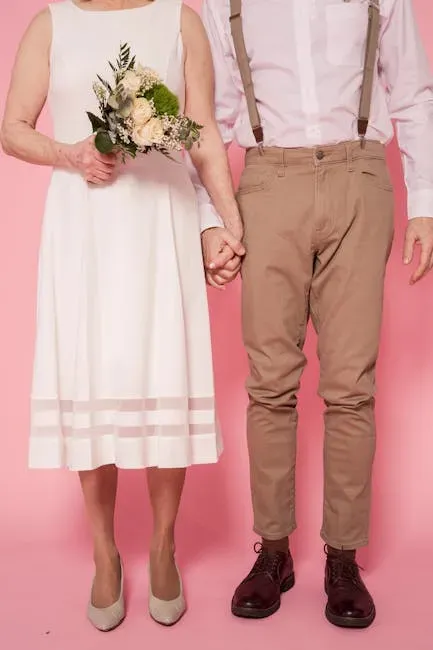
Let’s be real about what the numbers actually show. Only 44% of millennials are married, compared to 53% of Gen X, 61% of Boomers, and 81% of Silents at a comparable age. That is a dramatic cascade downward across just a few generations. Yet the desire for marriage has not disappeared in equal measure.
While two in five young adults think marriage is an outdated tradition, 83% of Gen Z and Millennials anticipate tying the knot at some point. The gap between intention and action is real and largely economic. Around three quarters feel it’s too expensive to get married in the current economy, while 85% do not feel marriage is necessary to have a fulfilled and committed relationship. That is a profoundly different framework than the one Boomers or the Silent Generation operated within.
How the Digital Age Has Reshaped Courtship Across All Ages

How the Digital Age Has Reshaped Courtship Across All Ages (Image Credits: Pixabay)
Technology did not just change how people meet. It fundamentally altered what people expect from the process itself. About half of those under 30 (53%) report having ever used a dating site or app, compared with 37% of those ages 30 to 49, 20% of those 50 to 64 and 13% of those 65 and older. The generational divide in app adoption is enormous and reflects deeper differences in comfort with digital intimacy.
A new analysis of wedding and relationship data points to a clear shift in how long-term relationships begin: dating apps are now one of the most common pathways into marriage, with roughly 27% of couples who married in 2025 first connecting through a dating app. Still, younger generations are growing critical of what apps deliver. Gen Z is becoming more critical of what dating apps have to offer, with this generation focusing more on self-care and authenticity in dating than previous generations, and finding that apps don’t meet the kind of real, authentic relationships they are trying to build.
Economic Conditions as Invisible Relationship Architects
Economic Conditions as Invisible Relationship Architects (Image Credits: Unsplash)
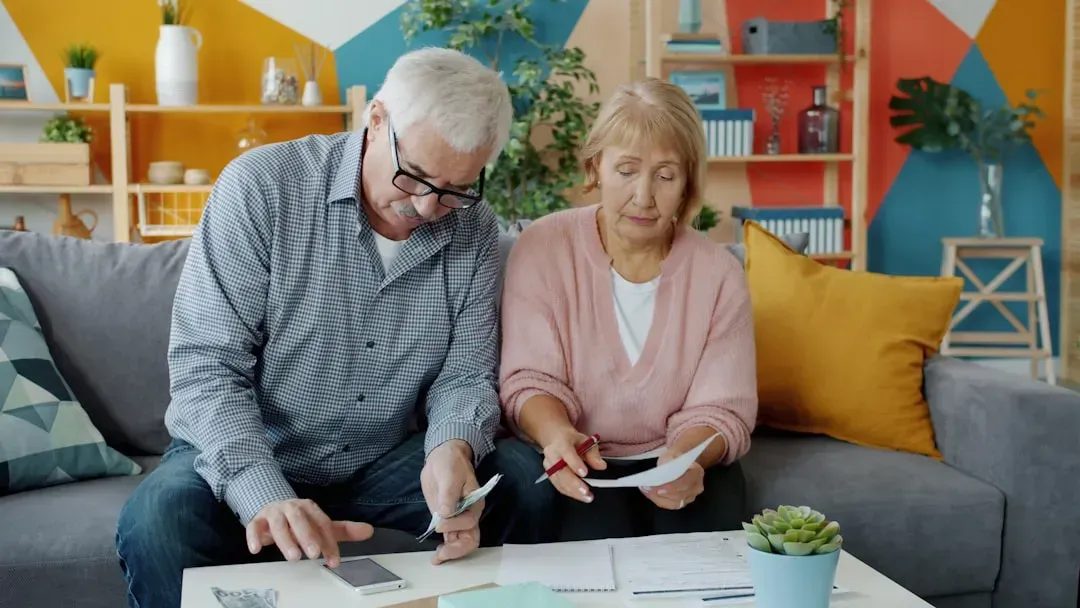
It’s hard to overstate how profoundly money shapes relationship decisions across generations, often in ways people don’t consciously recognize. Baby Boomers entered adulthood during decades of economic growth and stable jobs, which made early marriage more feasible. Gen X faced an economy defined by layoffs, recessions, and the need for two-income households. This increased financial pressure changed expectations around marriage stability and roles.
The pattern continues right through to today. More than three in five unmarried couples currently live with their partners, and more Millennials (65%) than Gen Z (35%) have taken this step. Think of cohabitation as a kind of “test run” that prior generations simply did not have the social permission or economic flexibility to attempt. Another major reason more than one in two couples moved in together has to do with finances, which is more common for Millennials (61%) than Gen Z (39%). The romantic and the practical are always more tangled than we admit.
Mental Health Awareness and the New Relationship Standard

Mental Health Awareness and the New Relationship Standard (Image Credits: Pexels)
One of the more dramatic shifts in recent years is how openly younger generations talk about mental health as part of relationship compatibility. This would have seemed almost foreign to Boomers or the Silent Generation. A recent study discovered that young people are having less sex than their counterparts in past decades, and a major factor is that Gen Z’s focus on self-care and mental wellbeing has shifted attitudes about casual hookups.
The emphasis on emotional intelligence and psychological safety in relationships is something Gen Z in particular has normalized in a way no previous generation did at scale. Gen Z places great importance on authenticity and transparency in relationships and is more aware of mental health and well-being within romantic partnerships. It’s hard to say whether this produces healthier long-term outcomes, but it certainly reflects a more introspective generation entering relationships with clearer personal boundaries. Personal development, emotional well-being, and clear communication in relationships are priorities for Gen Z, which according to experts leads to stronger and healthier marriages.
The Intergenerational Ripple Effect on Relationship Choices

The Intergenerational Ripple Effect on Relationship Choices (Image Credits: Gallery Image)
Perhaps the most quietly powerful force shaping any individual’s relationship decisions is the generation directly above them. Watching your parents’ marriage either thrive or collapse leaves a template, whether you choose to follow it or furiously reject it. In young adulthood, the Baby Boomers encountered remarkably different social circumstances than their parents did, including the women’s movement, the sexual revolution, and rising divorce rates. Each of those forces was then passed down, transformed, into the next cohort’s emotional inheritance.
Millennials, for instance, watched many of their Boomer parents divorce and responded with deliberate caution. Many millennials are afraid of repeating the mistakes of their parents, as more than 40 percent of marriages end in divorce in America, and while some choose cohabitation instead, many are choosing to remain single altogether. Gen Z, in turn, watched Millennials hesitate and overcorrect, arriving at their own version of idealism. Gen Z’s perspective of marriage has changed, too, and it’s largely thanks to watching the generations before them, as these young adults were raised in environments with high divorce rates. The cycle continues, and every generation writes its own story using chapters borrowed from the one before it.
What makes this topic so endlessly interesting is that none of these patterns are destiny. Generational experience creates tendencies, not rules. The child of a Boomer divorce can build a lasting marriage. The Gen Zer who grew up skeptical of institutions can still fall deeply in love and commit for life. The data paints with broad strokes, but real relationships are always more specific, more stubborn, and more surprising than any chart predicts. What patterns from your own generation do you recognize in yourself – and which ones have you decided to leave behind?