
There’s something unexpectedly strange about reaching into a jacket pocket and pulling out a coin that no longer gets made. That’s the reality for millions of Americans right now. Penny production stopped on November 12, 2025, around six months after the news of the planned phaseout first broke. The jar of pennies sitting on your dresser or in the back of your glove compartment is now a small piece of monetary history.
Most people, honestly, haven’t thought twice about their penny stashes. There are roughly 114 billion pennies currently in existence across America, which works out to about 700 pennies for every person. That’s a lot of copper-colored coin sitting idle in kitchen drawers and coffee cans. So what should you actually do with them?
Understand Why Production Stopped Before You Do Anything
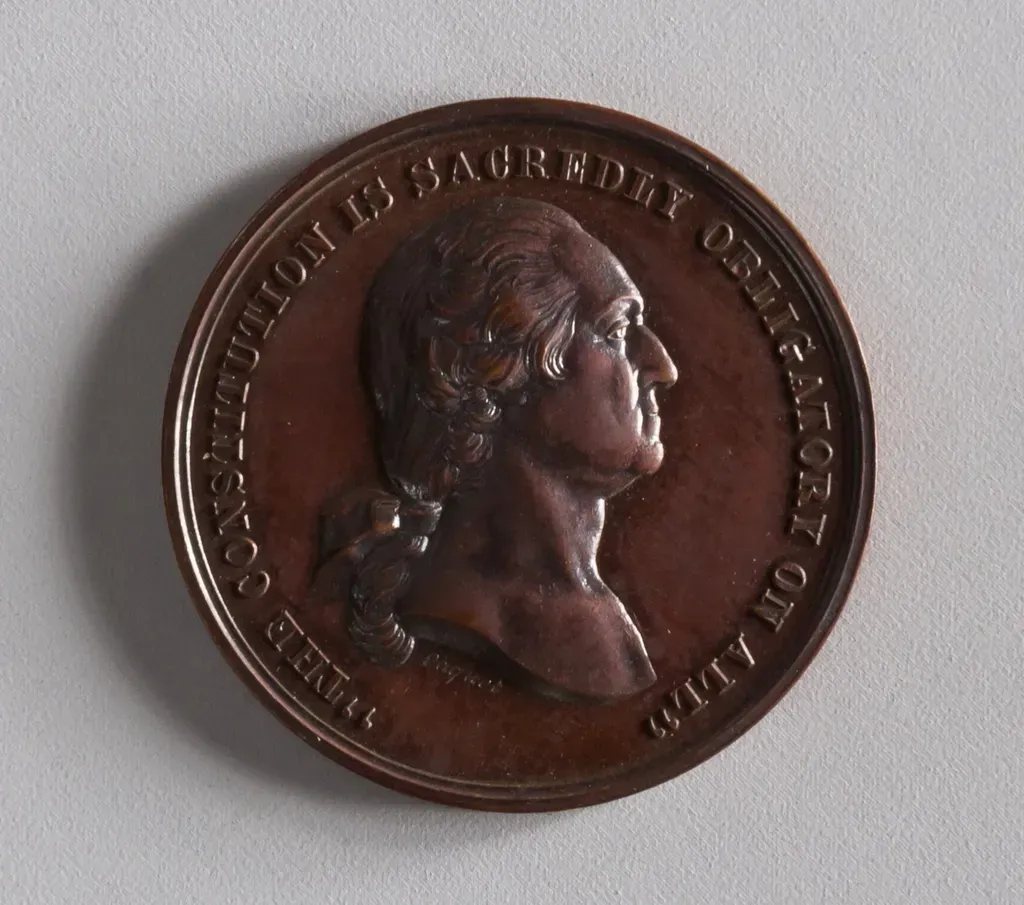
Understand Why Production Stopped Before You Do Anything (Image Credits: Rawpixel)
Over the past ten years, the total production cost of the penny rose from 1.3 cents to 3.69 cents per penny, with those costs covering materials, facilities, and overhead. That math is hard to justify by any measure. The U.S. Mint reported losing $85.3 million on the nearly 3.2 billion pennies it produced in the 2024 fiscal year alone.
The U.S. Mint projects an immediate annual savings of $56 million in reduced material costs by stopping penny production, and the Treasury concluded that continued production is neither fiscally responsible nor necessary for commerce. That context matters, because it shapes what comes next, including the rounding rules, the legal tender status, and why experts say hoarding pennies in bulk probably isn't worth your time.
Your Pennies Are Still Legal Tender – Use Them
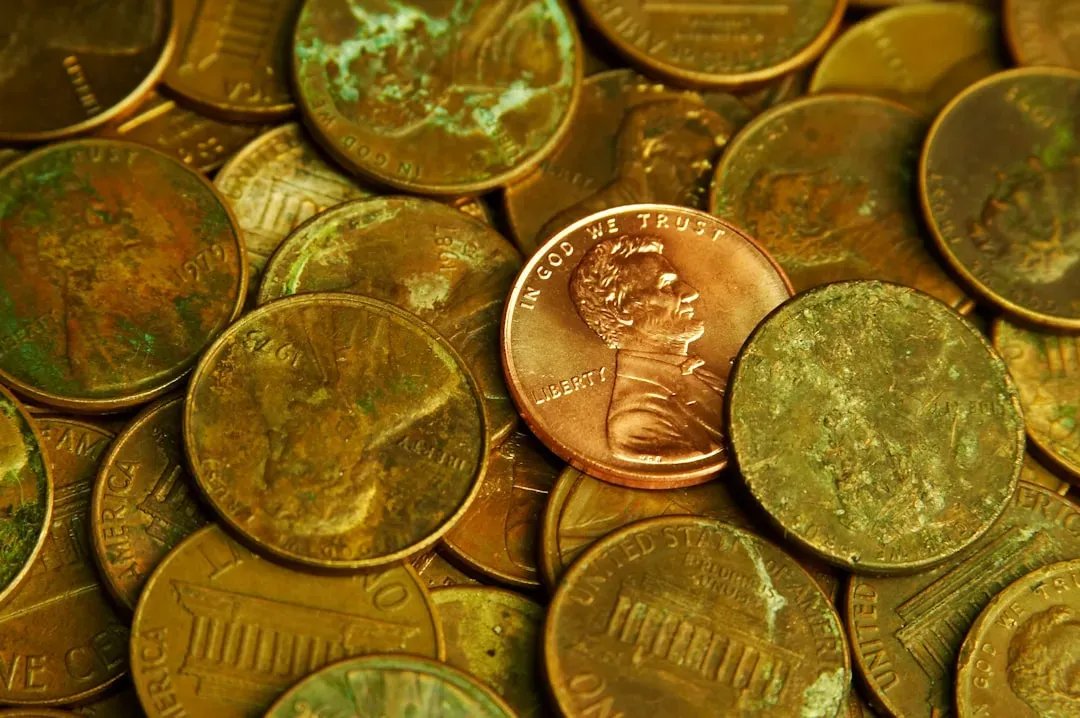
Your Pennies Are Still Legal Tender – Use Them (Image Credits: Unsplash)
The penny retains its full monetary value indefinitely and will continue to be recognized as legal tender, allowing consumers to use pennies for cash transactions at businesses that choose to accept them. Nothing has changed about their spending power, at least for now. Retailers will continue accepting them, especially those that still take cash, and pennies will gradually become less common as they're lost, damaged, or deposited, but they won't vanish overnight.
The Treasury Department actively encourages consumers to spend their pennies, saying it will "support a smooth transition" and give retailers and payment system providers time to adapt. The simplest thing you can do right now is just use them. Pay for coffee, hand them over at a checkout counter, or include them the next time you pay cash for anything. If you've been holding on to jars of change for years, this is actually a good time to put them back into circulation, as businesses facing coin shortages may genuinely appreciate it.
Take Them to Your Bank Before Supplies Thin Out
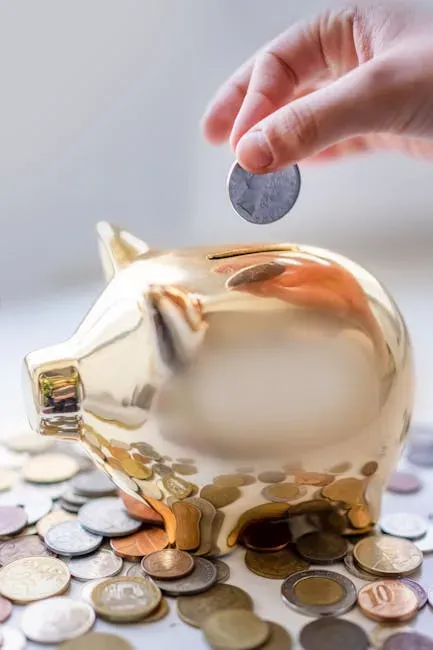
Take Them to Your Bank Before Supplies Thin Out (Image Credits: Pexels)
Taking pennies to the bank is one of the most straightforward options. Most banks will exchange pennies for other denominations, though some require rolled coins. The process is usually free for account holders, and it puts your change to work rather than letting it gather dust. Your bank is the top option for getting fee-free cash for your coins. Most banks offer free coin-counting services for customers, with some larger branches having their own coin-counting machines while others accept coins as long as they are properly rolled.
If you have spare pennies, consider bringing them to your nearest branch to help keep them in circulation. Banks will exchange them for larger denominations and distribute them to businesses and other organizations that need them to make change, and every contribution from customers helps. Just call ahead, since some branches have paused certain penny services as inventory shifts. It's a small effort that genuinely supports the transition.
Use a Coin-Counting Kiosk, but Watch the Fees
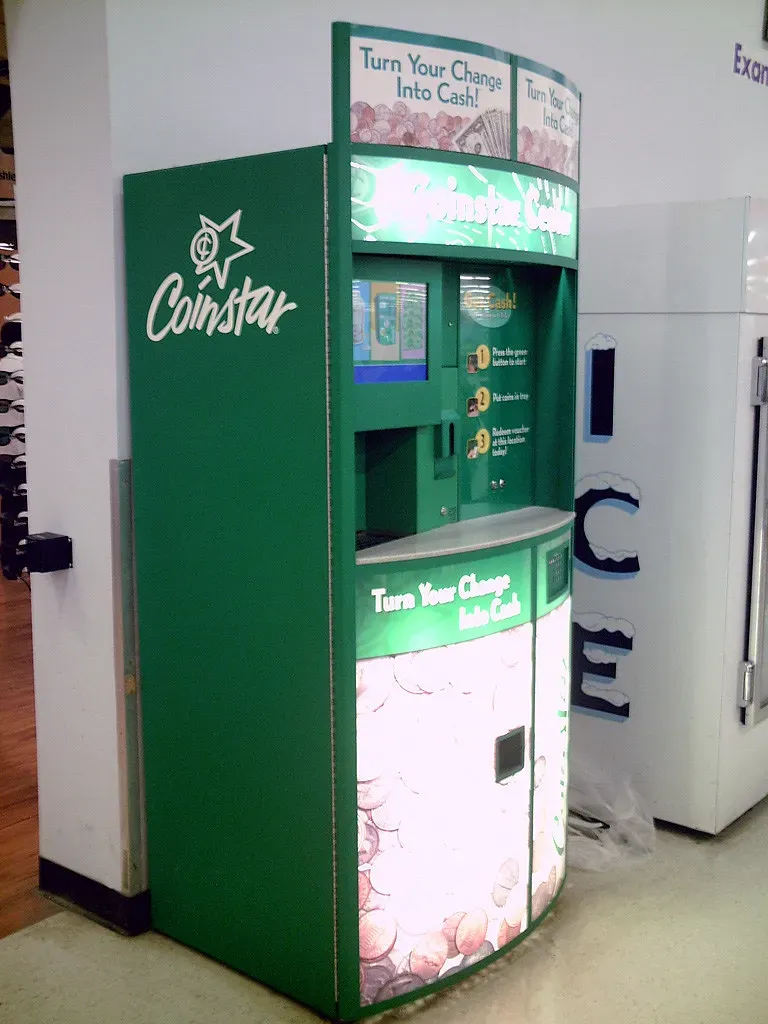
Use a Coin-Counting Kiosk, but Watch the Fees (Clean Wal-Mart, Flickr, <a href="https://creativecommons.org/licenses/by/2.0/" target="_blank" rel="noopener">CC BY 2.0</a>)
Pennies are still valid currency and accepted at Coinstar machines even though the Treasury has ceased producing new coins, though the machines cannot accept 1943 steel pennies. The typical Coinstar kiosk is the size of a large vending machine and can be found at grocery stores, drug stores, larger merchants, banks, and other retail locations. They're convenient if you have a large volume and don't want to sort or roll anything first.
The fee structure matters, though. Coinstar charges a fee of up to 12.9 percent of your total coin value, plus a flat fee of 99 cents per transaction, with fees varying by location. If you exchange fifty dollars in coins, you could pay up to $7.44 in fees and receive only $42.56 in cash. You can avoid the fee entirely by opting to receive your coins' value as a gift card instead of a cash voucher, with options including major retailers, chain restaurants, and delivery services. If you're happy with a gift card, that's the smarter move.
Sort for Pre-1982 Copper Pennies Before You Cash Anything In
Sort for Pre-1982 Copper Pennies Before You Cash Anything In (Image Credits: Unsplash)
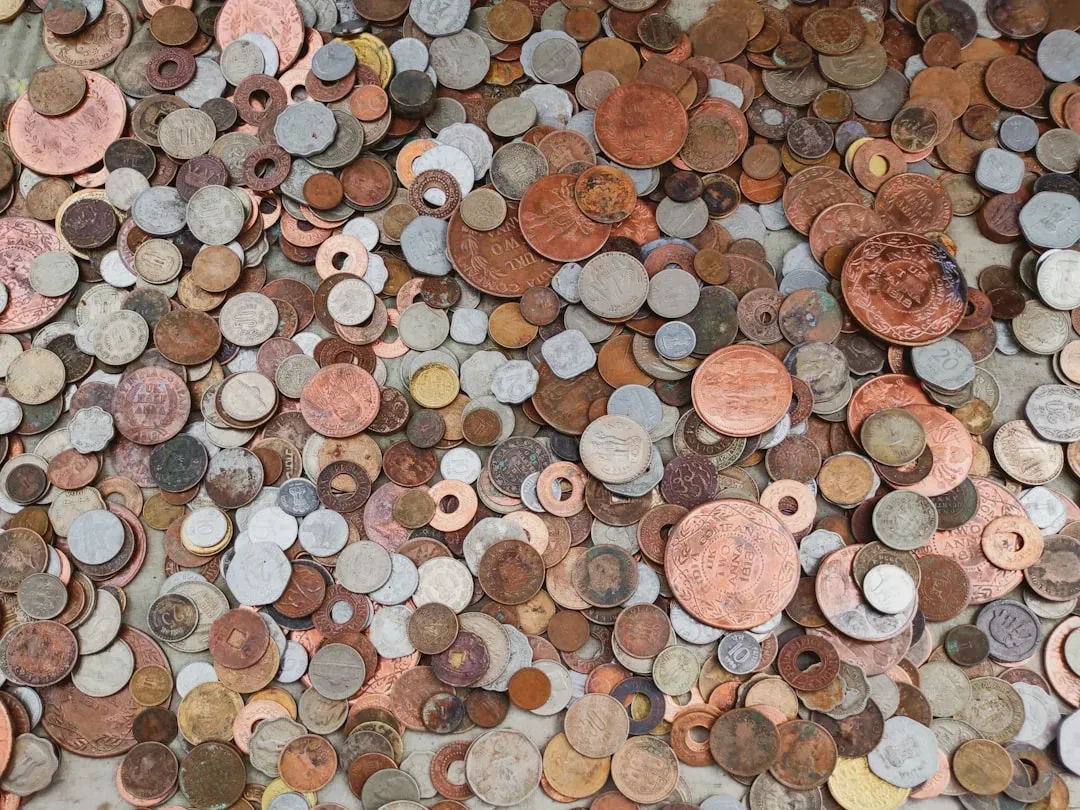
Before you dump everything into a machine or hand it over to a teller, take a few minutes to look at the dates. Every penny minted before 1982 is composed of 95 percent copper, giving it more metal value than modern zinc-based cents, and that metal value exceeds face value. A pre-1982 copper penny weighs 3.1 grams, while a post-1982 zinc penny weighs only 2.5 grams, and a simple digital kitchen scale can tell them apart.
A pre-1982 copper penny is typically worth about two to three cents in metal value. That might not sound like a fortune, but it adds up quickly when you have a large quantity. Worth noting: melting, treating, or exporting pennies and nickels remains prohibited under federal regulation, with limited exceptions. Still, selling them as coins to collectors or dealers is perfectly legal. Setting aside your pre-1982 finds before converting the rest is a simple step that could be worth doing.
Consider Donating Them to Charity
Consider Donating Them to Charity (Image Credits: Pexels)
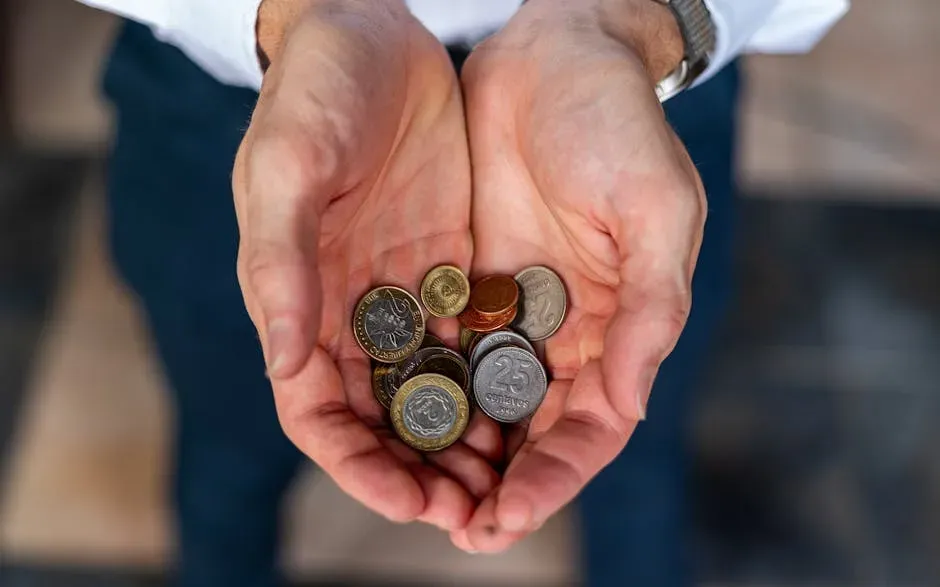
Many charities, schools, and community organizations accept spare change and can use it to support their causes. Pennies may feel trivial individually, but they add up fast when collected in volume. Schools running fundraisers, local food banks, and hospital foundations often welcome coin donations because the face value is still real, even if the purchasing power per coin is minimal.
When you choose the charity donation option at a Coinstar kiosk, one hundred percent of your coins' value goes directly to your selected charity with no fees deducted. That's actually one of the best deals the machine offers. You can also drop pennies into collection boxes for charities directly, without using any machine or service at all. It's low-effort, and it does some good.
Keep a Few as Historical Keepsakes
Keep a Few as Historical Keepsakes (Mark Turnauckas, Flickr, <a href="https://creativecommons.org/licenses/by/2.0/" target="_blank" rel="noopener">CC BY 2.0</a>)
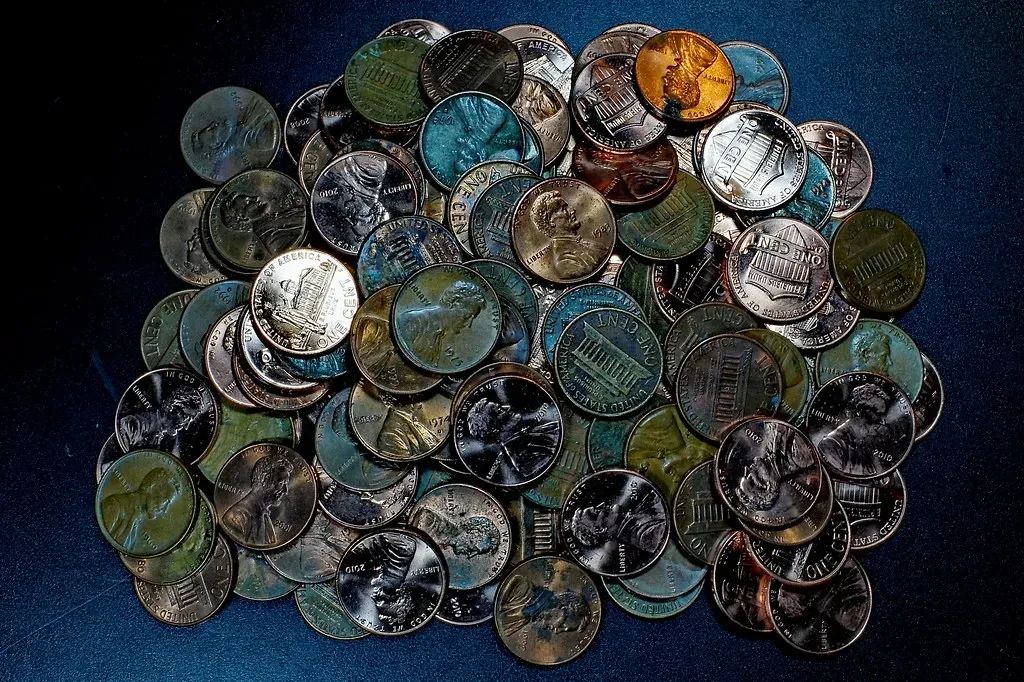
For some people, the penny represents history more than spending power. If you want a small keepsake from the end of an era, setting aside a few coins from meaningful years makes sense. They won't likely become highly valuable overnight, but they can serve as a simple piece of American currency history. The coin, after all, dates back to the Coinage Act of 1792. That's a long run.
Choosing a few years of note – a child's birth year, an anniversary, or the oldest penny you can find – and keeping them is a perfectly reasonable approach. Following the halt to circulating penny production, the Mint and Stack's Bowers Galleries conducted a joint auction of 232 sets of commemorative "Omega Pennies," featuring traditional zinc cents struck at both the Philadelphia and Denver Mints with a special privy mark, as well as a 24-karat gold cent struck at Philadelphia, the first time the coin had been produced in gold. That kind of collector interest reflects how genuinely historic this moment is.
Understand How Cash Rounding Will Work Going Forward

Understand How Cash Rounding Will Work Going Forward (Image Credits: Unsplash)
As pennies gradually phase out of circulation, point-of-sale providers are encouraged to implement rounding functionality for cash transactions to the nearest five cents, and retailers are advised to proactively inform and train employees on any updates to business procedures. This won't happen overnight, but it's already beginning in areas where penny supply has thinned. Electronic transactions, such as credit or debit card payments, will continue to be processed to the exact cent.
The rounding model being recommended is symmetric, meaning it goes both up and down fairly. The most recommended form is symmetrical rounding, whereby if the final digit is 1, 2, 6, or 7 cents, the amount rounds down to the nearest multiple of five; if the final digit is 3, 4, 8, or 9 cents, the amount rounds up. Rounding rules would not apply to payments made via electronic methods, checks, gift cards, or other non-cash instruments. So if you pay with a card, nothing about your experience changes at all.
Don't Expect a Windfall From Hoarding Common Pennies
Don't Expect a Windfall From Hoarding Common Pennies (Beige Alert, Flickr, <a href="https://creativecommons.org/licenses/by/2.0/" target="_blank" rel="noopener">CC BY 2.0</a>)
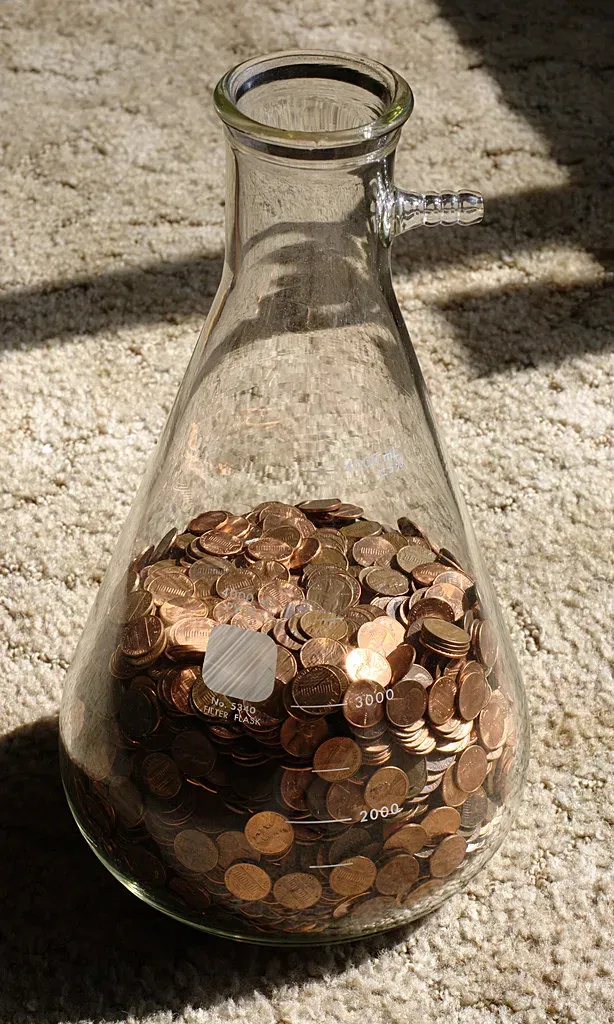
If you've been holding onto older or rare pennies for years, don't count on the penny discontinuation to drive up prices. The eventual end of the penny might generate some interest in collecting, but it's unlikely to affect the value of newer pennies. Collectors continue to focus on coins with historical significance, minting errors, or limited production runs, which are the factors that make certain pennies truly rare and valuable.
Modern pennies, particularly those produced in large quantities over the past few decades, are unlikely to see significant appreciation. Although the total number of pennies in circulation will eventually decline, scarcity alone won't drive up prices unless a coin already has collectible value. The 2025 pennies are generating some collector buzz because of the low mintage, but the average jar of mixed pennies from the last thirty years is still worth its face value. Keep that expectation grounded.
What Other Countries' Experiences Tell Us
What Other Countries' Experiences Tell Us (Image Credits: Unsplash)
The U.S. isn't the first country to stop making its smallest coin. Canada stopped making pennies in 2012, Australia eliminated 1-cent and 2-cent coins in 1992, and New Zealand discontinued its smallest coins between 1990 and 2006. These countries successfully implemented rounding for cash payments while keeping exact prices for electronic payments. The transitions were quieter than most people expected.
Studies from Canada, Australia, and New Zealand found no relationship between inflation trends and the removal of a nation's smallest coins. Lower-income households are more cash dependent, but they shouldn't be more impacted by the elimination of the penny, since price rounding goes both ways and the overall result is neutral, even for cash transactions. The practical lesson from those countries is that the adjustment period is real but brief, and daily life adapts faster than most people anticipate.
The penny's 232-year run as a circulating American coin is genuinely over. What you hold in your hand now is a piece of that history, and whether you spend it, deposit it, sort through it for copper, or tuck a handful away in a drawer, you're participating in a quiet but meaningful shift in how the country handles its smallest unit of value.