
Curiosity got the better of me one afternoon while reading through yet another round of housing forecasts. Every report seemed to tell a slightly different story, so I decided to see what would happen if I asked ChatGPT to sort through the noise and rank the markets where buying a home in 2026 carries the most risk.
What came back wasn’t a wild prediction of a nationwide crash. Instead, it pointed toward a handful of specific counties and metro areas where affordability strain, insurance costs, oversupply, and softening demand are colliding in ways that could catch buyers off guard. The list lines up closely with what real estate data firms have been documenting all year, and some of the names might surprise you.
Charlotte County, Florida

Charlotte County, Florida (Image Credits: Pixabay)
Charlotte County sits at the very top of ATTOM’s most recent housing risk rankings, and the reasons are not subtle. Of the 50 counties flagged as most at risk, 12 were in Florida, nine were in California, and Illinois and New Jersey each had five, with Charlotte County in Florida, Butte County in California, and Charles County in Maryland topping the composite risk rankings for the quarter. The county’s ranking reflects a mix of factors rather than a single problem.
ATTOM’s first quarter 2026 Housing Impact Report ranked 580 counties on four measures: foreclosure activity, home affordability, underwater mortgage rates, and local unemployment levels. Charlotte County scored poorly across several of these at once, which is typically what pushes a market to the very bottom of the list rather than just the middle. For a buyer, that combination matters more than any single red flag would on its own.
Cape Coral Fort Myers, Florida
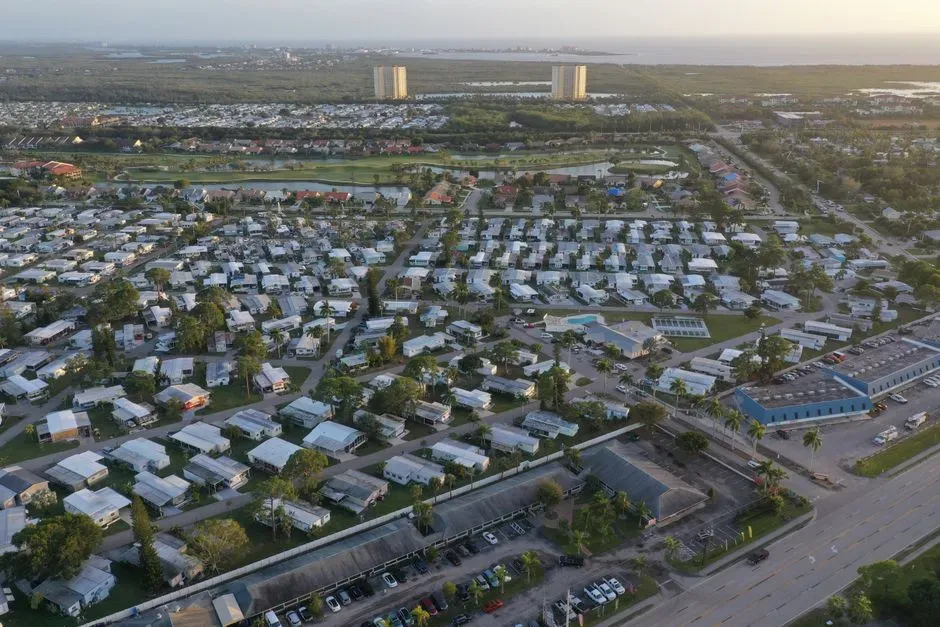
Cape Coral Fort Myers, Florida (Image Credits: Pexels)
If Charlotte County represents composite risk, Cape Coral Fort Myers represents the sharpest actual price movement in the country right now. The biggest decline was in Florida’s Cape Coral Fort Myers region, where the median home sale price declined 9% to $341,250 in the first quarter compared with the year ago period, out of 39 of the largest 129 U.S. cities that saw prices dip. Some local market trackers put the yearly drop closer to one tenth of the market’s value.
The market cooled due to overinflated pandemic gains, high mortgage rates, rising inventory, and soaring insurance costs. Inventory has piled up well beyond healthy levels too, with more than eight months of housing supply, well above the six month threshold that defines a buyer’s market and significantly above the national average. Buyers eyeing this area are getting real discounts, but they’re also inheriting a market where insurance and carrying costs can erase much of that apparent savings.
Butte County and the Northern California foothills

Butte County and the Northern California foothills (Image Credits: Pexels)
Wildfire risk has quietly turned parts of inland Northern California into some of the shakiest housing markets in the country. Butte County, California, and Shasta County, California, both ranked among the overall riskiest markets identified in ATTOM’s report. That’s not a coincidence given what’s happening to insurance in the region.
Recent research from Stanford found that average California homeowners insurance premiums rose 84% between the end of 2020 and March 2026, while average deductibles climbed from $1,813 to $2,553 over the same period. In counties like Butte, the state’s insurer of last resort has become the only realistic option for many homeowners, since higher risk fire zones, which include significant portions of the foothills and rural corridors across Butte, Yuba, and Colusa counties, are likely to land at or above the average rate increases. That kind of insurance dependency tends to weigh on resale value long after any fire has passed.
Austin, Texas

Austin, Texas (Image Credits: Unsplash)
Austin’s pandemic boom was one of the most dramatic in the country, and its correction has been just as pronounced. Austin home prices have fallen roughly a quarter from the May 2022 peak, landing at $414,950 as of February 2026. That places it among the steepest metro level declines nationally.
Oversupply, weakened demand, and a recalibration after the pandemic drove the correction, making Austin the fourth largest price drop among major U.S. metros. Forecasters aren’t predicting a full collapse, though. Most housing economists project prices to bottom out between late 2026 and mid 2027, then resume modest annual appreciation through 2030 as inventory normalizes and rates eventually decline. Buyers who can stomach a few more months of softness may find better entry points here than they have in years.
Louisiana parishes near New Orleans
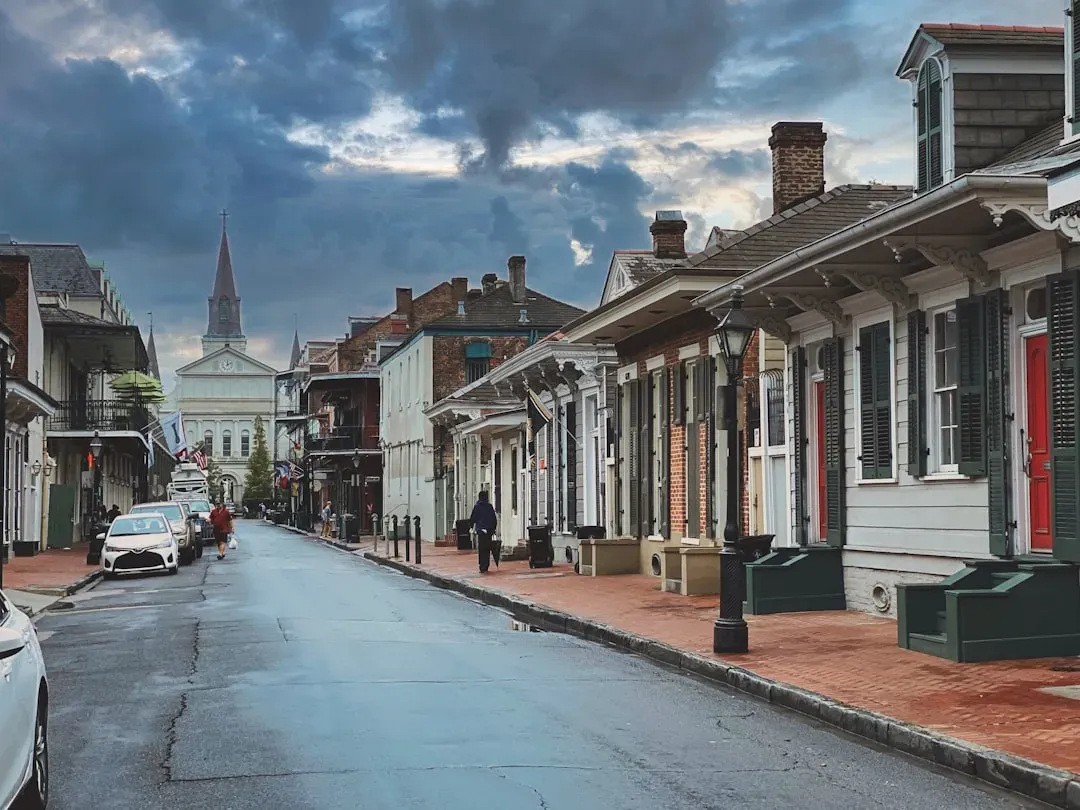
Louisiana parishes near New Orleans (Image Credits: Unsplash)
Louisiana rarely tops national headlines about housing, but the underlying numbers tell a concerning story. Louisiana parishes lead the nation in seriously underwater mortgages, meaning a meaningful share of homeowners there owe more than their properties are currently worth. That’s a warning sign for anyone buying with a small down payment in the area.
Insurance is compounding the problem. The problem is even more severe in high risk states such as Louisiana, where 30 to 40 percent of mortgage loans fail because of high home insurance costs. On top of that, Louisiana has seen the largest home insurance rate increase of any state over the past two years, with a 58% jump from 2023 to 2025. For prospective buyers, that combination of underwater equity and rising carrying costs makes the math genuinely difficult.
Tampa Bay and Jacksonville, Florida
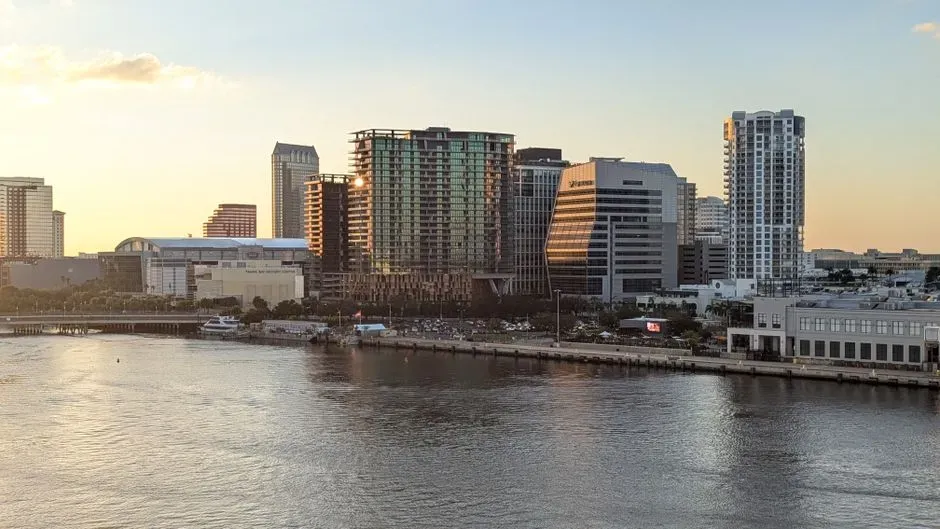
Tampa Bay and Jacksonville, Florida (Image Credits: Pexels)
Florida’s insurance driven slowdown extends well beyond its southwest coast. Zillow expects price declines in Tampa, down an estimated 1.2%, and Jacksonville, down roughly 0.9%, among other Florida markets that saw massive pandemic era appreciation and are now giving some of it back. Both metros also appeared among the biggest value decliners tracked by Realtor.com in recent rankings.
The broader statewide outlook doesn’t offer much relief either. Realtor.com forecasts home prices will fall in all major Florida metropolitan areas in 2026, describing it as a “year of weakness” for the state. Insurance remains the biggest wildcard, since Florida has the most expensive home insurance in the U.S., with Floridians paying an average of $9,449 a year. That single line item can quietly wreck a buyer’s monthly budget even when the purchase price looks reasonable.
Cook County and the Chicago metro, Illinois

Cook County and the Chicago metro, Illinois (Image Credits: Pexels)
Illinois doesn’t get the same national attention as Florida or California, yet it showed up prominently in ATTOM’s risk analysis. Of the 50 riskiest counties nationwide, five were in Illinois, tied with New Jersey for the same count. That’s a notable cluster for a state that isn’t typically associated with housing bubbles.
Much of the pressure here traces back to affordability rather than dramatic price swings. Payments on a median priced home consumed roughly three tenths of the typical American worker’s annual wages in the first quarter of 2026, underscoring an affordability burden that stretched across the country regardless of local market conditions. In Cook County and its surrounding suburbs, that burden is amplified by property tax bills that rank among the highest in the nation, a long standing structural issue that makes ownership costs stickier than the sale price alone would suggest.
Cumberland County, New Jersey

Cumberland County, New Jersey (Image Credits: Pexels)
South Jersey doesn’t fit the typical narrative of a risky housing market, but Cumberland County has consistently landed near the top of ATTOM’s list. The overall riskiest markets identified by the report were Charlotte County, Florida; Butte County, California; Charles County, Maryland; Shasta County, California; and Cumberland County, New Jersey. That’s rare company for a rural Northeastern county.
New Jersey’s presence on the risk list isn’t isolated to one county either. Five New Jersey counties appeared among the 50 riskiest nationwide, matching Illinois for that distinction. For a state known for tight inventory and strong demand near its major cities, pockets like Cumberland County are a reminder that risk can hide in less obvious corners of even a generally stable region.
Dallas Fort Worth, Texas

Dallas Fort Worth, Texas (Image Credits: Unsplash)
While Austin gets most of the attention, Dallas has quietly posted the roughest numbers among major Texas metros. Dallas is posting the sharpest year over year decline of the major metros in the state. That’s notable given how strong Dallas Fort Worth’s job growth has been for most of the past decade.
The softness fits a broader statewide pattern. Texas’ median sale price came in at $341,800 in March 2026, down roughly 1.8% year over year, with both figures telling the same directional story that statewide prices are softening, not collapsing. Zillow’s own modeling backs this up, noting that the company expects declines in places like Dallas, Houston, Washington D.C., San Francisco, and Minneapolis. For buyers considering North Texas, the fundamentals remain intact even as the near term price trend points downward.
The bottom line

The bottom line (Image Credits: Pixabay)
None of these markets are heading toward a repeat of 2008. What ties Charlotte County, Cape Coral, Butte County, Austin, Louisiana’s parishes, Tampa, Jacksonville, Cook County, Cumberland County, and Dallas Fort Worth together is a shared set of pressures: rising insurance costs, softening demand after pandemic era run ups, and affordability that hasn’t caught up with local wages.
Buyers looking at any of these areas in 2026 would do well to run the full cost of ownership, not just the listing price, before signing anything.