
I’ve been thinking a lot lately about how disconnected modern life can feel, even in places packed with people. So one evening, half out of curiosity and half looking for a distraction, I asked ChatGPT to predict which American cities would have the strongest sense of community by the end of the decade. I expected the usual suspects: maybe a college town, a beach city, somewhere with a farmer’s market on every corner.
What came back wasn’t quite what I pictured. Some of the names felt obvious once I dug into the data behind them. Others made me pause and reconsider what “community” even means once you strip away the postcard version of small town charm.
Washington, D.C. metro area
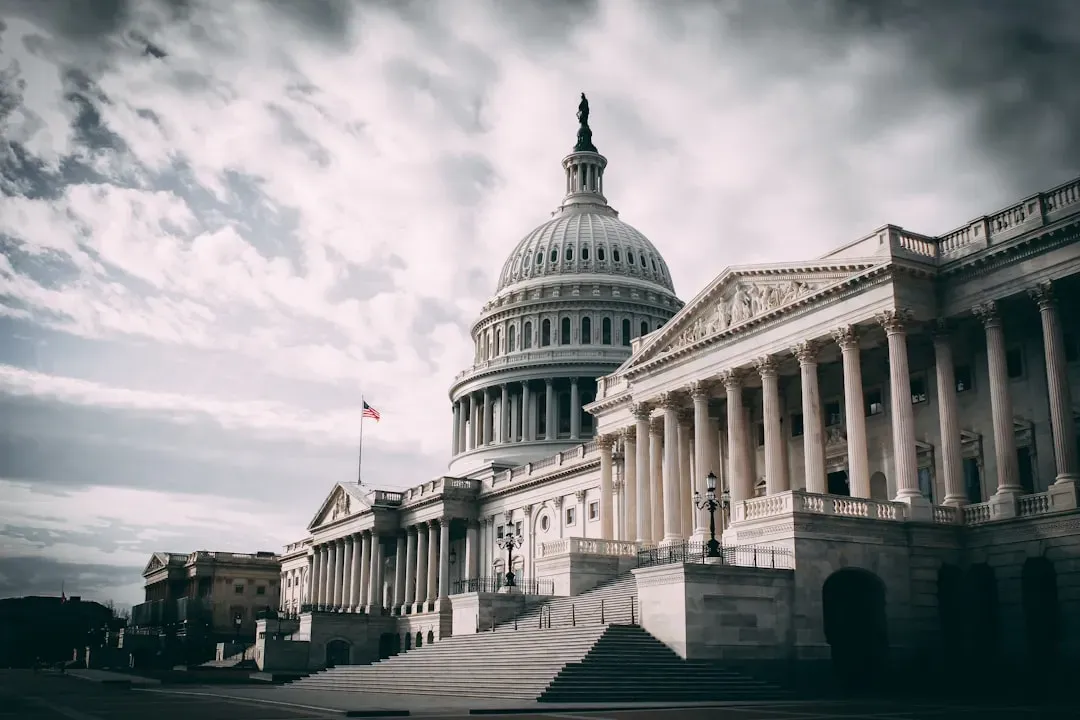
Washington, D.C. metro area (Image Credits: Unsplash)
This one genuinely surprised me. A sprawling federal capital doesn't scream neighborly warmth, yet the Washington metro area recently jumped from seventh place to the top spot in a major livability ranking. Washington, D.C. moved into the top spot after ranking seventh last year, scoring especially high for quality of life and community connection. That kind of leap doesn't happen by accident.
Digging into why, the answer had less to do with monuments and more to do with everyday infrastructure. Key strengths include strong healthcare access, a highly educated population, and a large number of social, professional, and civic groups. A city with that many clubs, associations, and volunteer networks gives residents constant, low pressure ways to bump into the same familiar faces.
Virginia Beach, Virginia

Virginia Beach, Virginia (Image Credits: Pexels)
Virginia Beach felt like an outsider pick until I saw the numbers behind it. It isn't just a summer party destination anymore, at least not according to recent civic rankings. Virginia Beach is the most caring city in 2025, in large part because its residents rank first in the nation for volunteering hours.
Safety and shared trust tend to go hand in hand with community strength, and Virginia Beach checks that box too. Despite its status as a party city, Virginia Beach actually does a great job keeping residents safe, with the second-lowest violent crime rate in the country and the 12th-lowest property crime rate, which indicates that people care about their neighbors. Low crime alone won't build a community, but it certainly removes one of the biggest barriers to trusting the people next door.
Boston, Massachusetts

Boston, Massachusetts (Image Credits: Unsplash)
Boston made the list for reasons that had nothing to do with its history or its universities. What stood out instead was the sheer concentration of people whose jobs revolve around caring for others. Boston has a very high share of residents who work in caring professions, such as social work, teaching, firefighting, and medicine.
That matters more than it sounds. A city full of teachers, nurses, and social workers tends to have institutions that are already built around connection and mutual aid. It's a quieter kind of community strength, less about block parties and more about who shows up when something goes wrong.
Scottsdale, Arizona
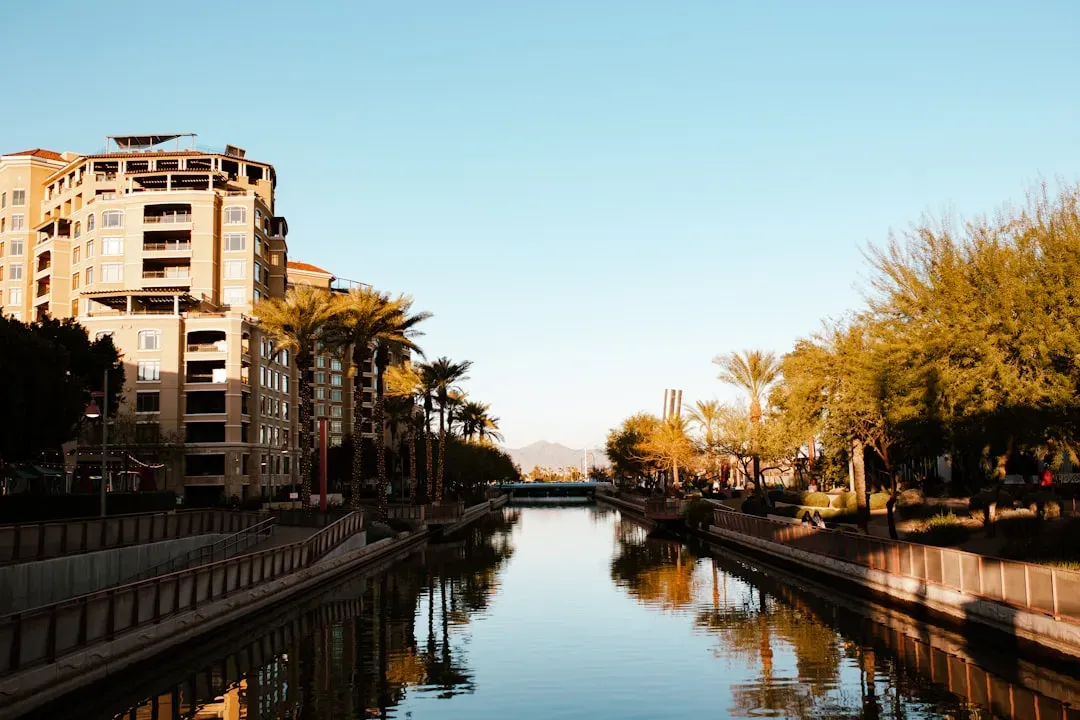
Scottsdale, Arizona (Image Credits: Unsplash)
Scottsdale wasn't on my radar at all, but the case for it turned out to be pretty compelling once I looked closer. Scottsdale is the third-most caring city, in part because its residents demonstrate great care for children in need, with the fourth-highest adoption rate in the country and the sixth-lowest child poverty rate.
Generosity there doesn't stop at donations either. Scottsdale residents are eager to donate their time and money to good causes, with the 10th-highest online giving rate in the country and the 15th-most volunteer hours per capita. Combine that with a low crime rate and you get a city where care for strangers seems baked into daily habits rather than reserved for special occasions.
Fremont, California

Fremont, California (Image Credits: Unsplash)
Fremont surprised me the most, mostly because Bay Area cities rarely get associated with tight community bonds. Yet Fremont takes the top spot as the happiest city in America, standing out for its high income levels, low divorce rate, and strong mental health indicators.
The financial stability behind that happiness is striking on its own. Nearly 80% of households earn above the benchmark income level associated with happiness, while residents report some of the lowest levels of stress and depression in the country. Stable families and low stress tend to leave people more energy for neighbors, clubs, and local involvement, which may explain why a tech heavy suburb ended up on a community shortlist at all.
Bismarck, North Dakota

Bismarck, North Dakota (Image Credits: Pixabay)
Bismarck is the kind of city that rarely makes national headlines, which is exactly why it stood out to me. Bismarck ranks second among the happiest cities, offering a quieter but highly satisfying lifestyle, known for its low unemployment, strong community bonds, and affordable living.
What's interesting is that this isn't a fluke. Broader regional research on social capital backs it up, since counties across the Upper Midwest and Mountain West consistently score near the top nationally for civic participation and social trust. A small capital city built around stable jobs and cheap housing turns out to be fertile ground for the kind of casual, repeated contact that community actually depends on.
Fargo, North Dakota
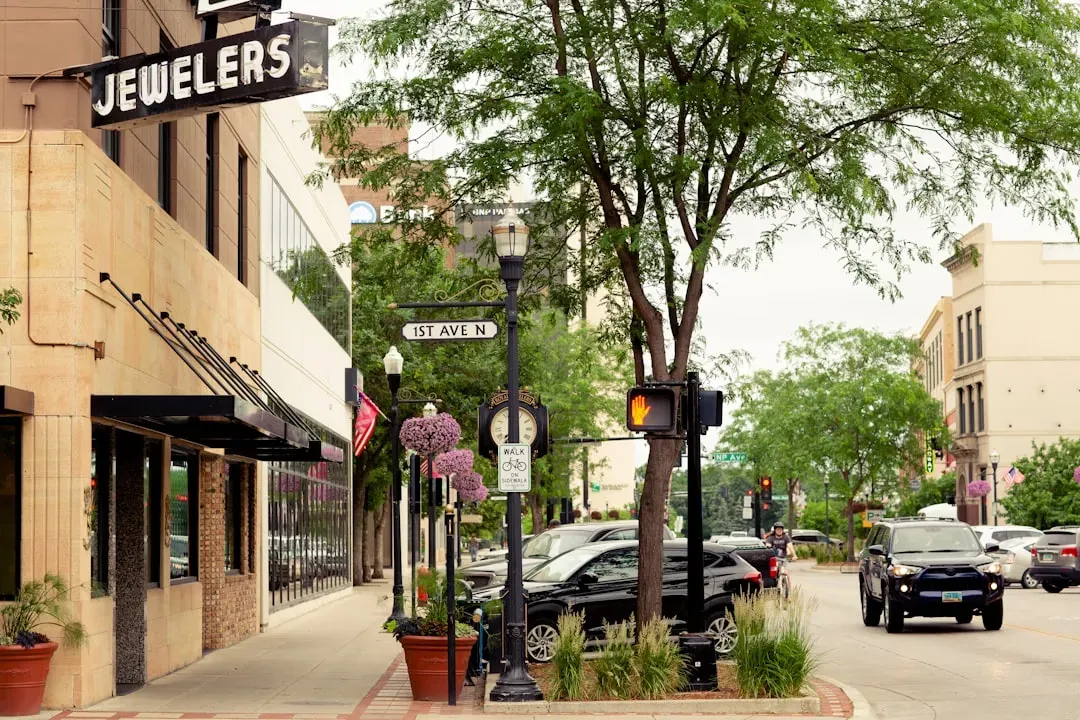
Fargo, North Dakota (Image Credits: Unsplash)
Fargo shows up on this list for reasons similar to its neighbor Bismarck, but with its own local flavor. Fargo continues to rank among the happiest cities thanks to its strong sense of community, with affordable housing, stable employment, and a supportive social environment.
There's something almost unglamorous about Fargo's appeal, and that might be the point. Nobody moves there chasing excitement, they move there for stability, and stability seems to be exactly what lets community roots grow deep. It's a reminder that a strong social fabric often has more to do with predictability than with charm.
South Burlington, Vermont
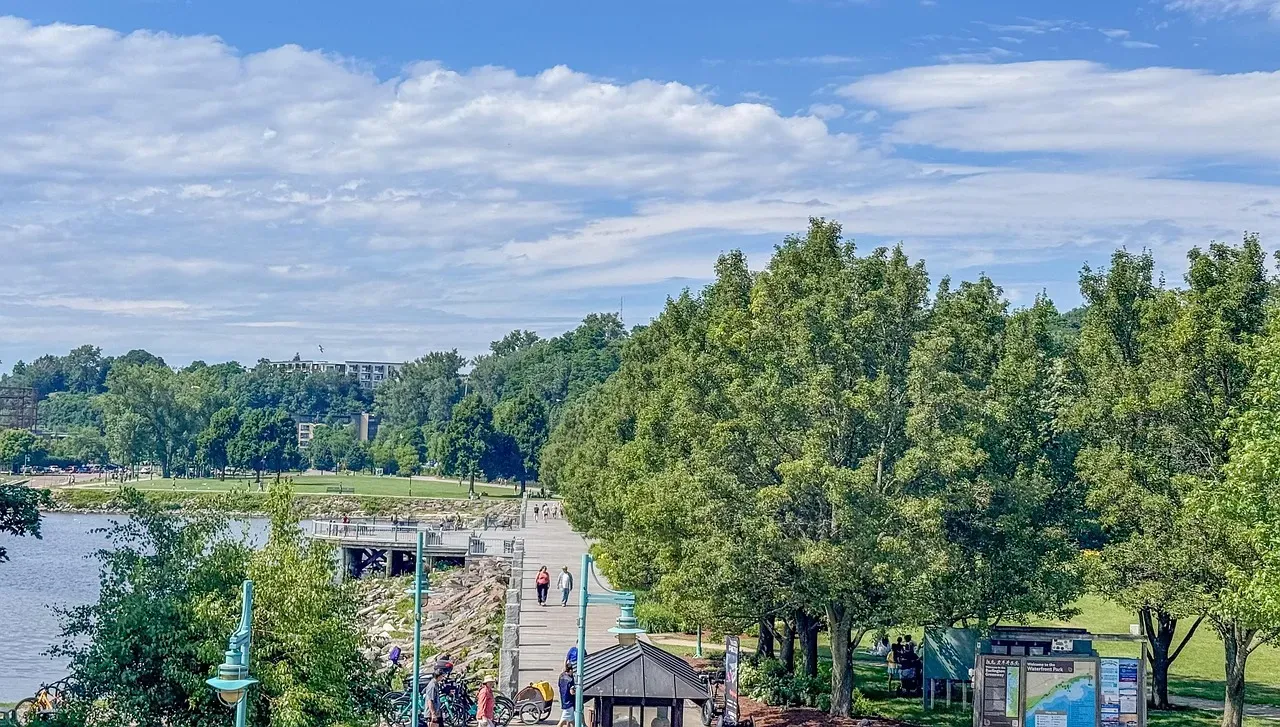
South Burlington, Vermont (Image Credits: Pixabay)
South Burlington was a name I had to look up twice, and it turned out to be one of the more compelling picks on the list. South Burlington offers a balance of natural beauty and community living, with high scores in health, safety, and community engagement in a peaceful environment.
Vermont as a whole tends to score well on measures tied to civic health and mutual trust, and South Burlington seems to concentrate that pattern into a small, walkable city. Proximity to nature gets a lot of credit in happiness surveys, but here it seems to work alongside civic engagement rather than replacing it. People who feel safe and settled apparently have more bandwidth left over for their neighbors.
Gilbert, Arizona

Gilbert, Arizona (Image Credits: Pixabay)
Gilbert closed out the list, and it's a fitting example of how community can look different depending on the decade. Gilbert is one of the fastest-growing and happiest communities in the country, benefiting from economic growth, family-friendly neighbourhoods, and a high level of safety.
Fast growth usually gets blamed for eroding community ties, since new residents outpace old traditions. Gilbert seems to be an exception so far, likely because its growth has been deliberately shaped around family amenities and shared public spaces rather than sprawl for its own sake. Whether that holds up as the city keeps expanding toward 2030 is the real open question.